
2003 Mack Trucks For Sale
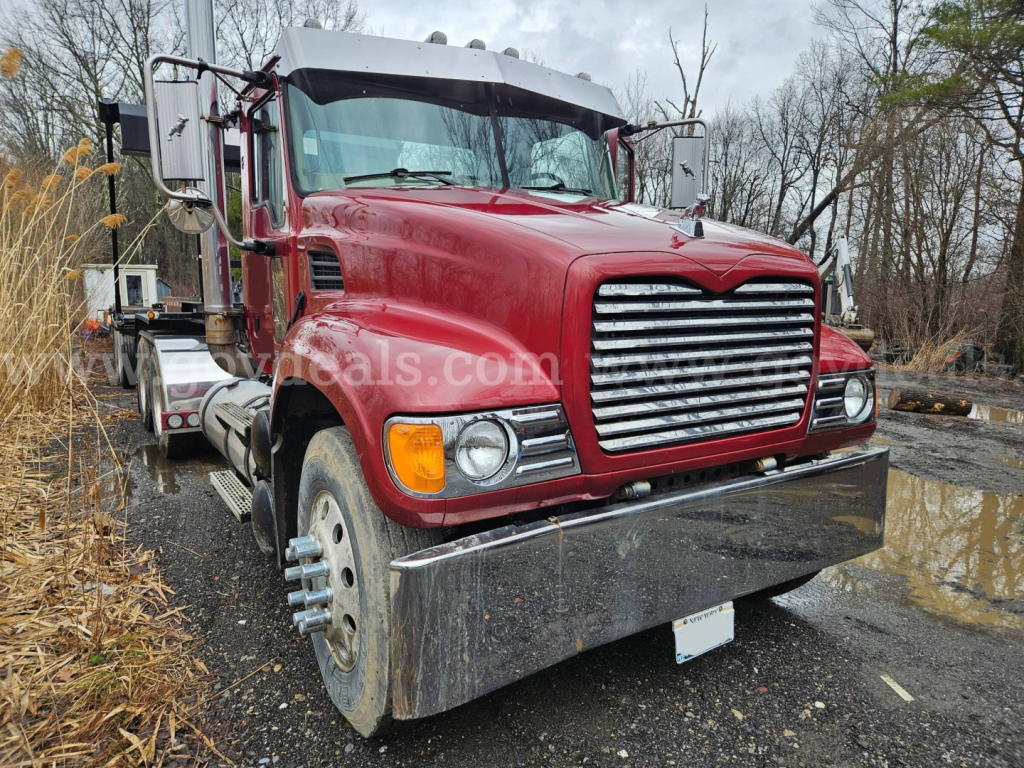
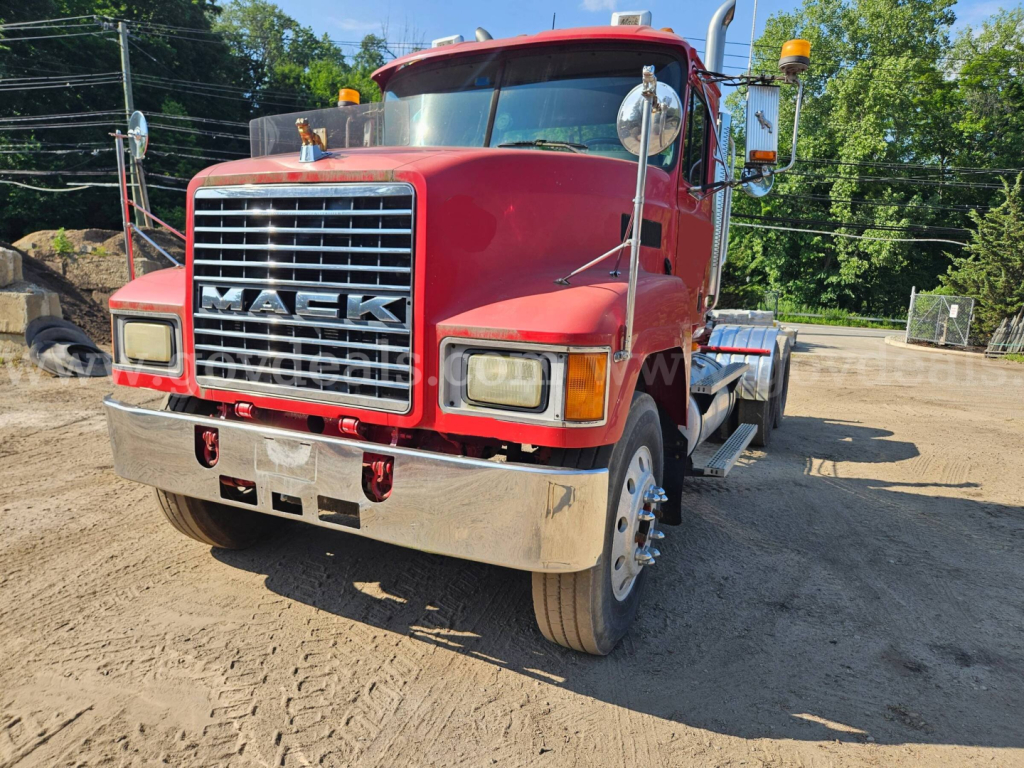
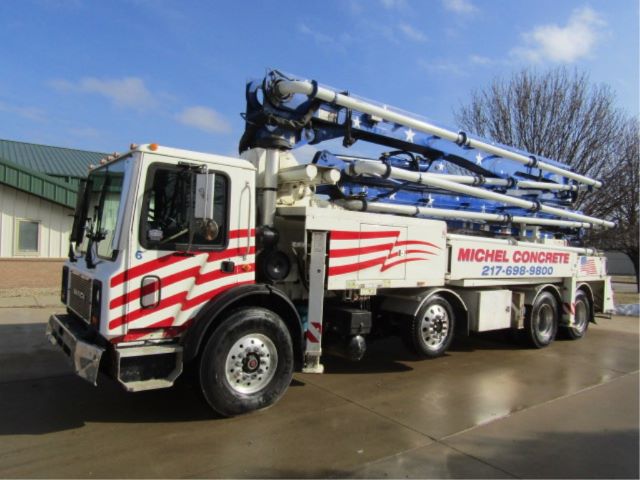
Have 2003 mack truck to sell? List it here to reach thousands of buyers.
2003 Mack Trucks
The engine and transmission combination matters more than the badge on the hood. In 2003, many Mack trucks were equipped with E7-series diesel engines, often in horsepower ranges suited to regional haul, construction, refuse, and municipal work. Depending on the build, you may also see Mack manual transmissions, Fuller manuals, or automatic options in specialized applications. Rear axle ratios can vary widely based on intended use, with deeper ratios common in severe-duty work and taller ratios better suited for highway operation. Buyers comparing listings should pay close attention to axle ratings, suspension type, wheelbase, PTO setup, and whether the truck has a double frame, especially on dump, hooklift, roll-off, and mixer applications.
For vocational buyers, a 2003 Mack often stands out for heavy front ends, robust rear suspensions, and proven durability in rough jobsite conditions. Mack Camelback suspensions remain popular for severe service because of their simplicity and load handling, while air ride and rubber block suspensions may appear on trucks built for different ride or route requirements. If the truck will carry a body or work equipment, verify cab-to-axle, cab-to-trunnion, frame condition, PTO compatibility, hydraulic plumbing, and any signs of frame modification. On highway tractors, focus on wheelbase, sleeper configuration, fuel capacity, suspension wear, and the condition of clutch, transmission, and rear ends.
Condition and maintenance history are especially important on a 2003 unit. A buyer should evaluate engine blow-by, coolant condition, injector performance, transmission shift quality, suspension bushing wear, brake system condition, and corrosion at the frame, cab mounts, and crossmembers. Older Mack trucks can be excellent value when they have been maintained correctly and spec'd for the intended work. The best listing is not just the lowest-priced truck. It is the truck with the right axle package, drivetrain, frame setup, and service record for the job it needs to do.
Frequently Asked Questions about 2003 Mack Trucks
What are the most common applications for a 2003 Mack truck?
A 2003 Mack truck is commonly found in dump, mixer, roll-off, refuse, municipal, and highway tractor applications. Mack was well established in severe-duty vocational markets during this period, so many trucks from this year were spec'd with heavy axles, strong suspensions, and PTO-friendly drivetrains. The exact application depends on the chassis model, wheelbase, axle configuration, and body installation.
What should I inspect first on a used 2003 Mack truck?
Start with the engine, transmission, frame, and suspension. Check for excessive blow-by, oil or coolant contamination, hard starting, poor shift quality, driveline vibration, brake wear, and corrosion or cracking around frame rails and crossmembers. On vocational trucks, also inspect PTO operation, hydraulic systems, hoists, hook systems, or mixers, along with any evidence of hard use such as pin wear, frame repairs, or body mount damage.
Which specs matter most when comparing 2003 Mack truck listings?
The most important specs are engine model, horsepower, transmission type, axle ratings, axle ratio, suspension, wheelbase, GVWR, and axle configuration. For body trucks, cab-to-axle and frame length are critical because they determine body compatibility. For tractors, wheelbase, rear ratio, suspension type, and sleeper or day cab configuration will have the biggest effect on route suitability and operating cost.
Are 2003 Mack trucks good for heavy vocational work?
Yes, many 2003 Mack trucks are well suited for heavy vocational work if they were originally spec'd for that purpose and have been maintained properly. Mack trucks from this era are known for durable frames, solid drivetrain options, and severe-service suspension choices such as Camelback. Buyers still need to confirm front axle capacity, rear suspension rating, PTO setup, and frame condition to make sure the truck matches the intended body and payload.
Is a 2003 Mack truck a good value compared with newer models?
A 2003 Mack truck can be a strong value for buyers who want lower acquisition cost and proven heavy-duty design, especially when advanced electronics are not a priority. The tradeoff is age-related wear, possible parts replacement needs, and less modern emissions or driver-assistance technology. Value depends on maintenance history, hours, mileage, application, and whether the truck's specification matches the work it will actually perform.