
2000 Mack Trucks For Sale in New York
Browse 2000 Mack trucks for sale, including dump and vocational models known for E7 power, Camelback suspension, and heavy-duty chassis.
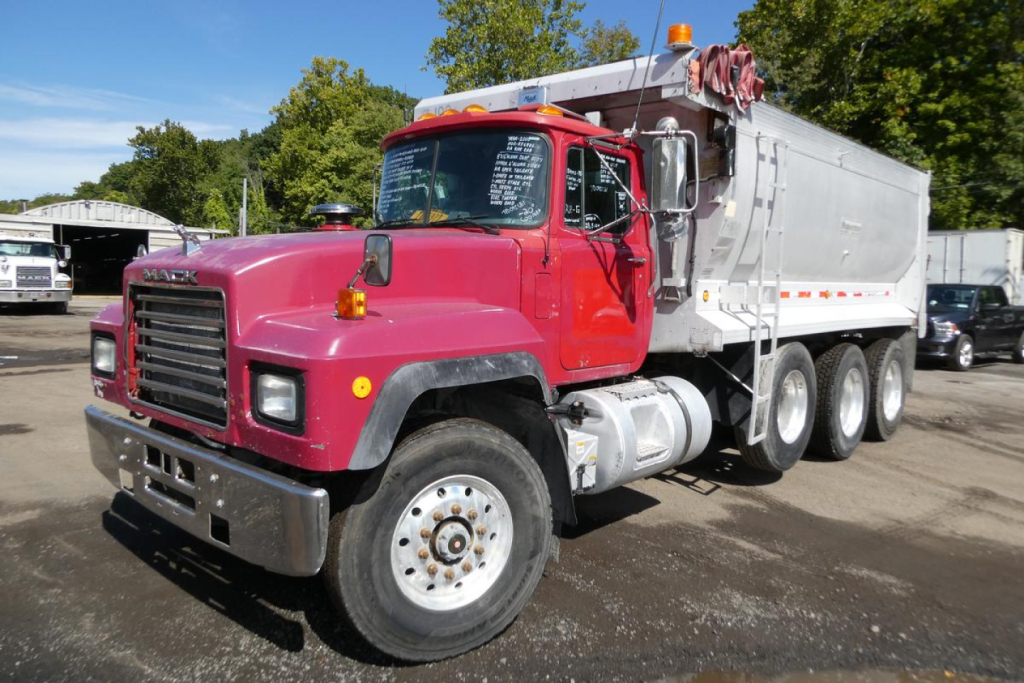
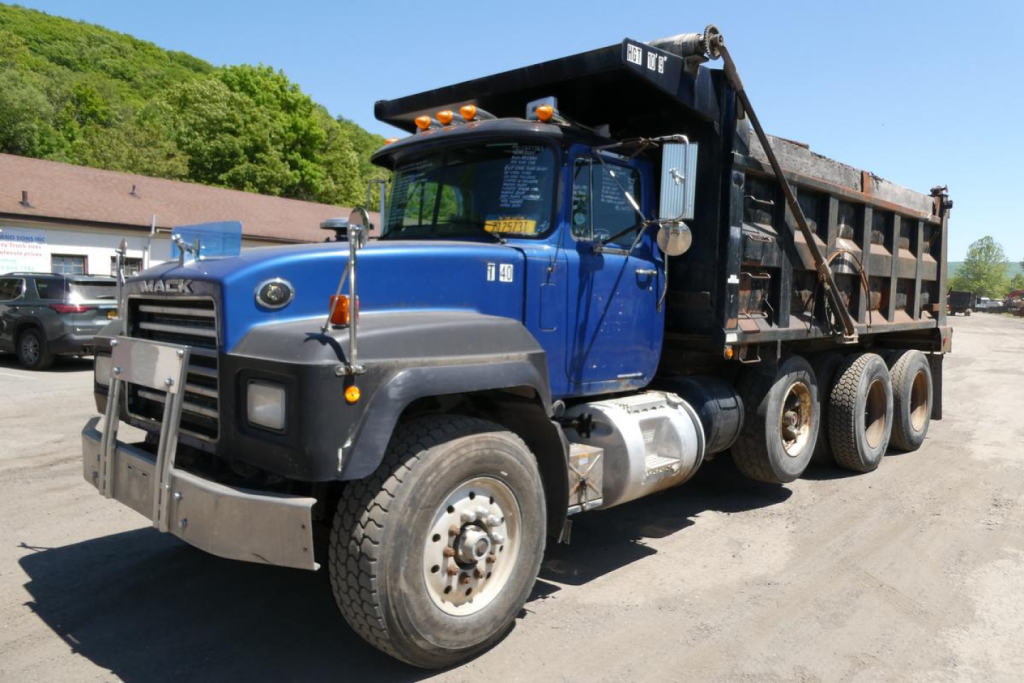
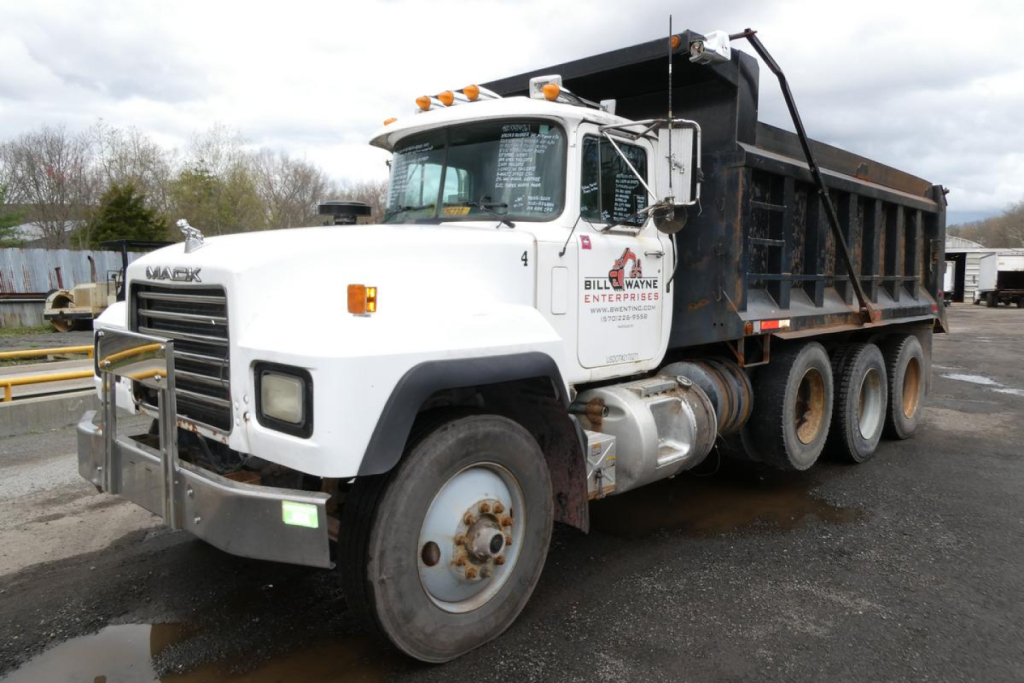
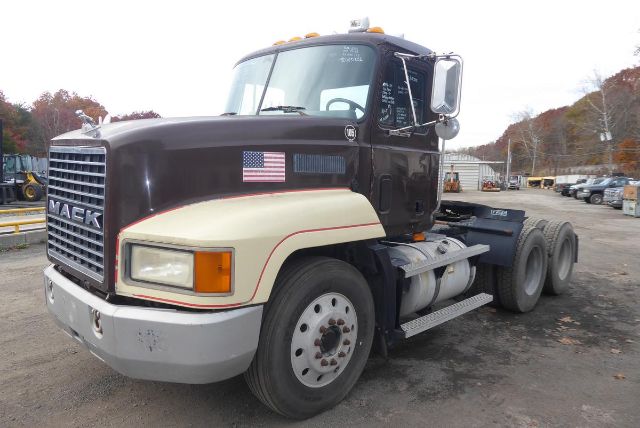
Selling a 2000 mack truck? List your 2000 mack truck for sale and reach thousands of commercial buyers.
2000 Mack Trucks in New York
On 2000 Mack trucks, one of the most common engine families is the Mack E7, often paired with Eaton Fuller manual transmissions and Mack rears. That combination is still respected for durability, parts support, and straightforward serviceability. Buyers should pay close attention to horsepower and torque rating, rear axle ratio, transmission model, and whether the truck has an engine brake, power divider, double frame, or camelback suspension. For dump and vocational use, front axle capacity, lift axle configuration, body hoist condition, PTO operation, and hydraulic pump setup matter as much as engine specs. In New York and other heavy-spec markets, it is common to see 44,000 lb rears, 18,000 lb fronts, high-GVW setups, heated bodies, pintle hooks, and air-operated tailgates on Mack trucks from this era.
Condition matters more than age on a 2000 Mack. A well-maintained truck with documented service can still be a productive asset, but buyers should inspect frame condition, spring hanger areas, cab mounts, floor corrosion, crossmembers, steering components, and any signs of hard municipal or off-road use. On dump trucks, look closely at body floor wear, hoist cylinder seepage, hinge points, tarp systems, and evidence of previous weld repair. Driveline backlash, suspension bushing wear, brake condition, and rust around the cab and electrical connections are especially important in northern states where road salt is a factor. If the truck has Mack Camelback or another severe-service suspension, checking for cracks, bushing wear, and equalization issues can save expensive downtime later.
For many buyers, the appeal of a 2000 Mack truck is its balance of heavy-duty construction and lower acquisition cost compared with newer emissions-era equipment. These trucks are often easier to keep working in demanding local service because the spec is purpose-built and the systems are familiar to independent shops and in-house fleet technicians. The best unit for the job depends on application more than mileage alone. A tri-axle dump, day cab, or hydraulic tractor from this year should be evaluated by how its axle package, frame, suspension, and hydraulic setup match the work you need it to do.
Frequently Asked Questions about 2000 Mack Trucks in New York
What are the most common applications for a 2000 Mack truck?
A 2000 Mack truck is most commonly found in vocational service such as dump work, construction hauling, municipal fleet duty, paving support, equipment transport, and other heavy local applications. Many trucks from this year were ordered with severe-duty frames, PTO capability, high-capacity axles, and suspension packages suited for off-road or jobsite use rather than over-the-road freight. The exact application depends on the original spec, but dump bodies, wetline systems, pintle hooks, and tandem or tri-axle setups are all common in this class.
What engine and transmission combinations are typical in 2000 Mack trucks?
One of the most common setups is a Mack E7 diesel engine paired with an Eaton Fuller manual transmission, often an 8-speed, 9-speed, or heavier vocational gearbox depending on application. Some trucks also carry Mack driveline components including Mack rear axles and Mack suspension systems. Buyers should verify horsepower rating, transmission model, rear ratio, and the presence of an engine brake because these details have a major effect on gradeability, payload performance, and suitability for dump or lowboy work.
What should I inspect first on a used 2000 Mack dump or vocational truck?
Start with the frame, suspension, and hydraulic system before focusing on cosmetic items. Check for frame rust, double-frame integrity, spring or camelback wear, steering play, brake condition, driveline vibration, and axle housing leaks. On dump trucks, inspect the body floor, sidewall wear, hoist cylinder condition, PTO engagement, hydraulic pump operation, tailgate function, and tarp system. In northern markets, corrosion in cab structure, wiring, air lines, and mounting points can be just as important as engine condition.
Is a 2000 Mack truck still a good choice for fleet or owner-operator work?
It can be a strong value if the truck is properly spec'd and mechanically sound. Many buyers still prefer these older Mack vocational trucks because they were built for hard service, use proven driveline components, and are generally less complex than later emissions-era trucks. The key is matching the truck to the job and confirming that major systems such as the engine, transmission, suspension, hydraulics, and frame are in solid condition. A cheaper truck with the wrong axle ratings or worn-out hydraulic components can cost more in the long run than a better-maintained unit.
Why are axle ratings and suspension specs so important on a 2000 Mack truck?
Axle and suspension specifications determine how the truck carries weight, handles jobsite conditions, and complies with legal weight requirements. A truck with an 18,000 lb front axle, 44,000 lb rears, a lift axle, and a severe-duty suspension is built for very different work than a lighter day cab tractor. Mack Camelback suspension is especially common on vocational trucks because it is durable and well suited to rough terrain, but ride quality and maintenance profile differ from air-ride setups. Buyers should review the complete weight and suspension package before making a decision.