
Trucks For Sale Near Lockport, New York
Browse trucks for sale in Lockport, NY, including day cabs, sleepers, medium-duty and vocational trucks with buyer-focused spec insights.
Learn more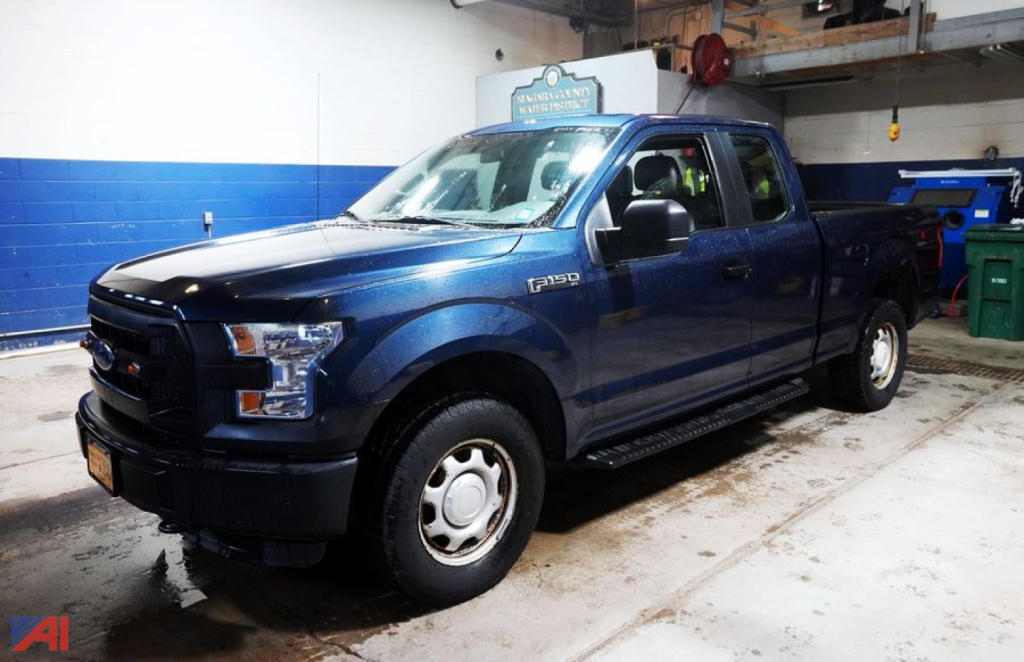
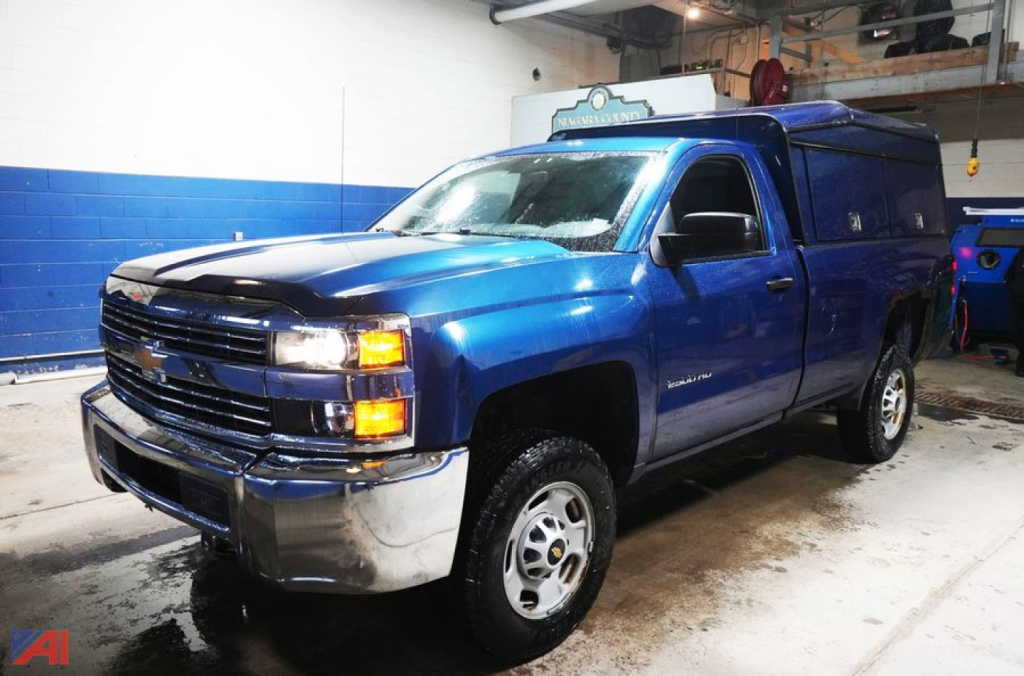
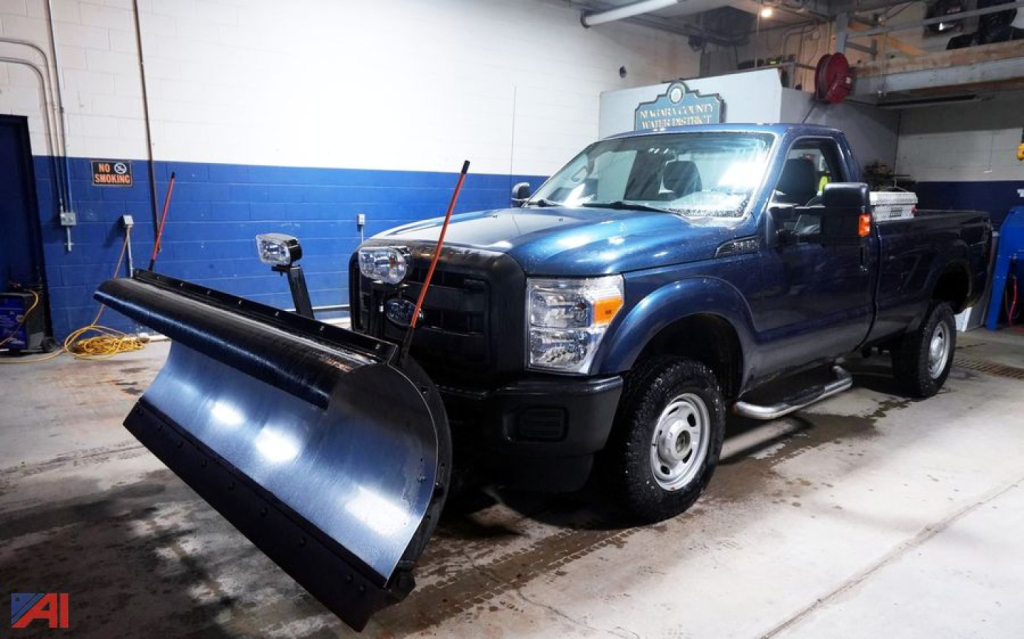
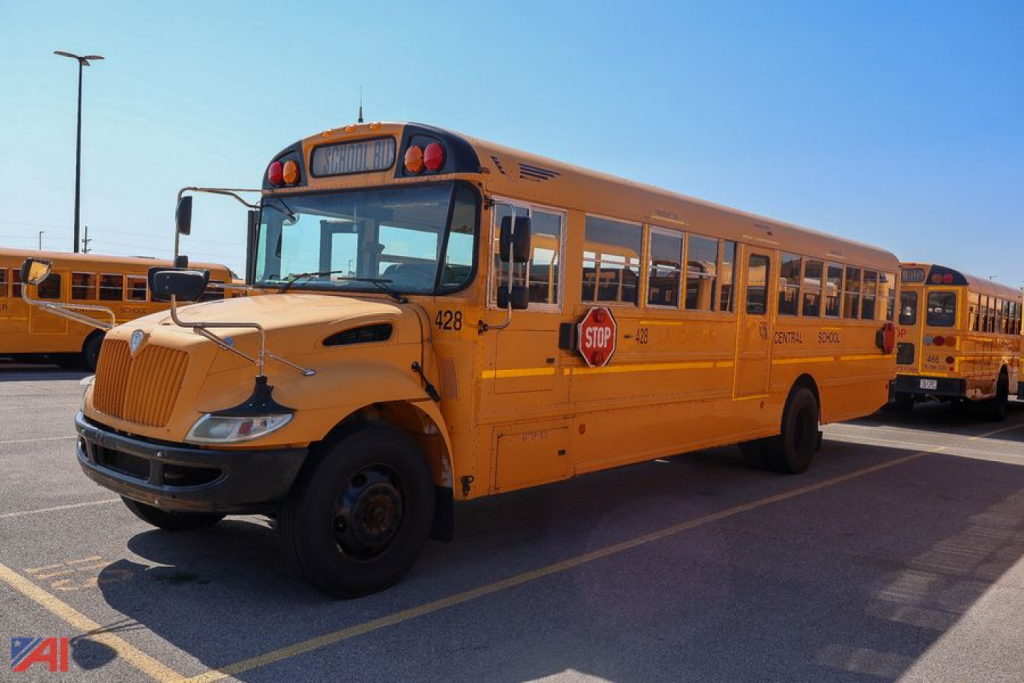
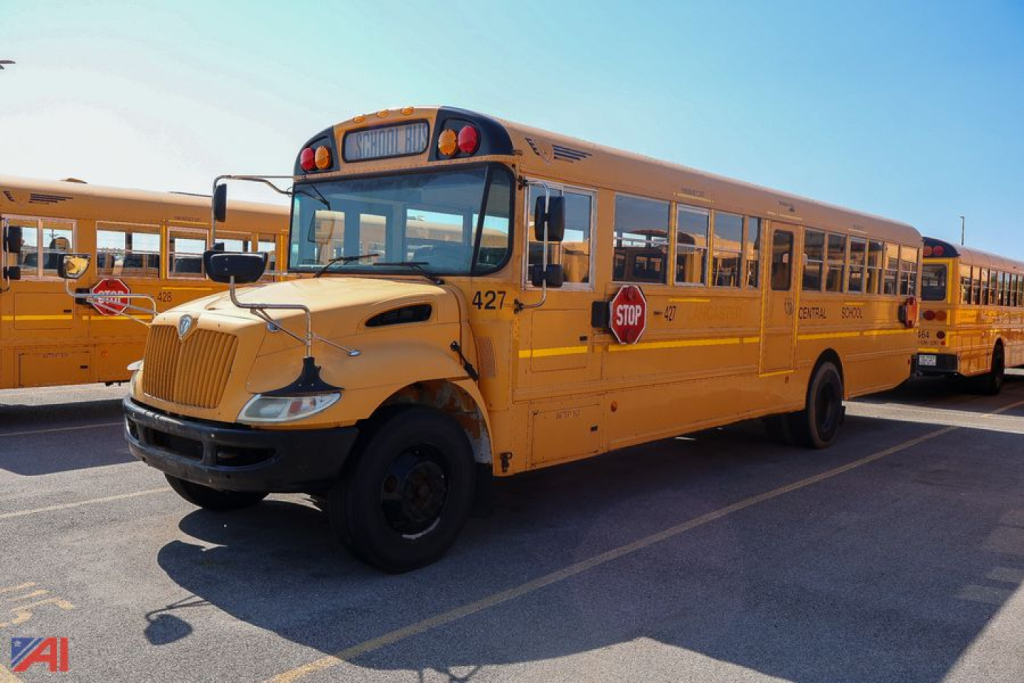
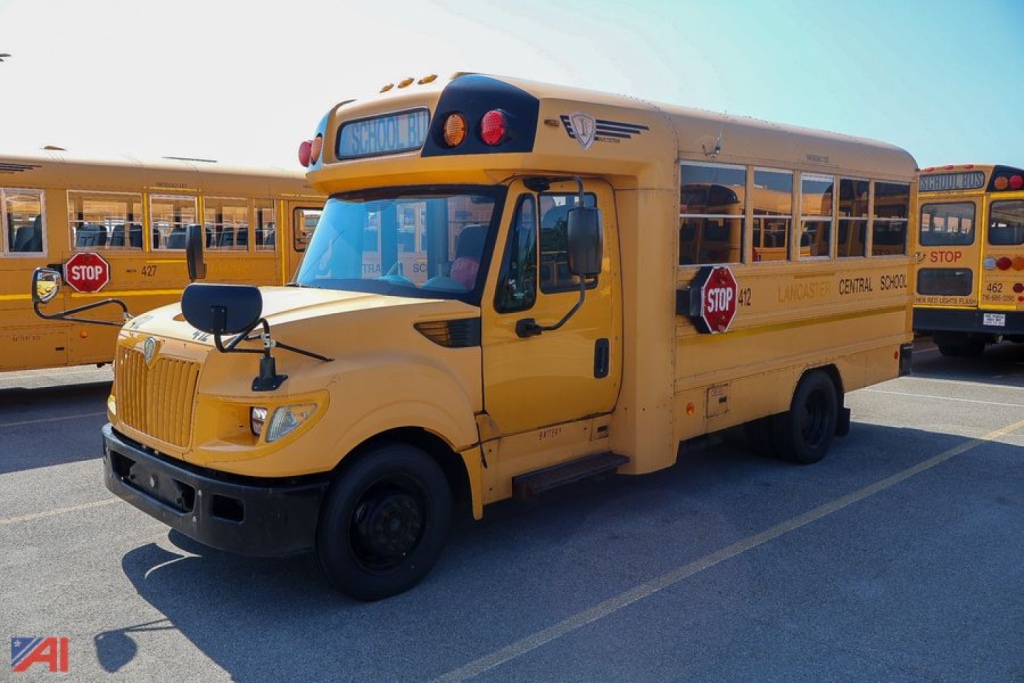
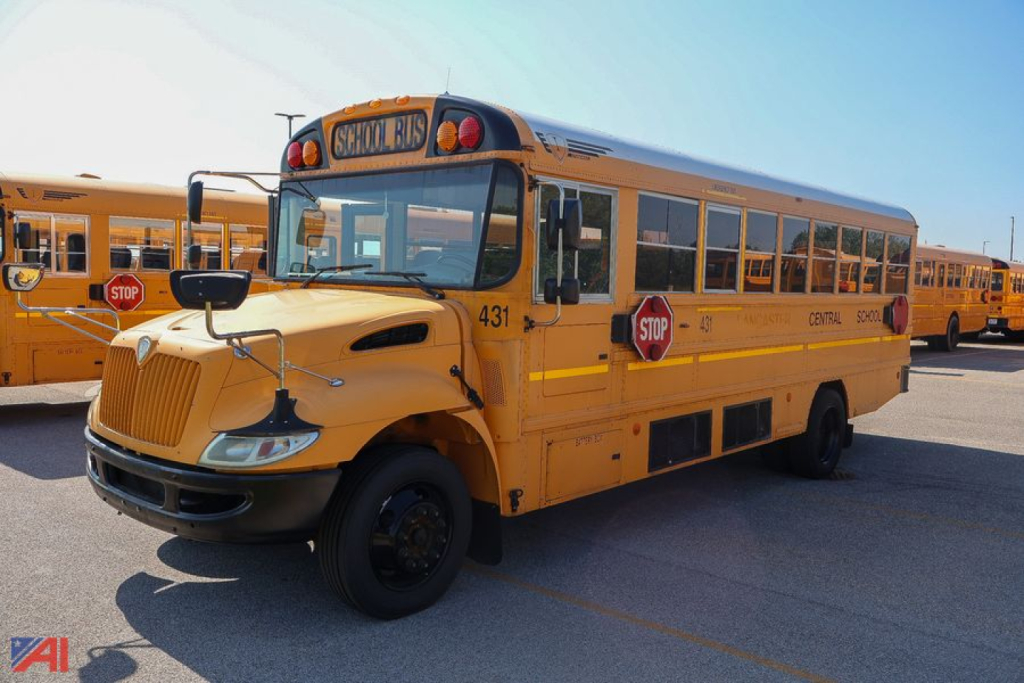
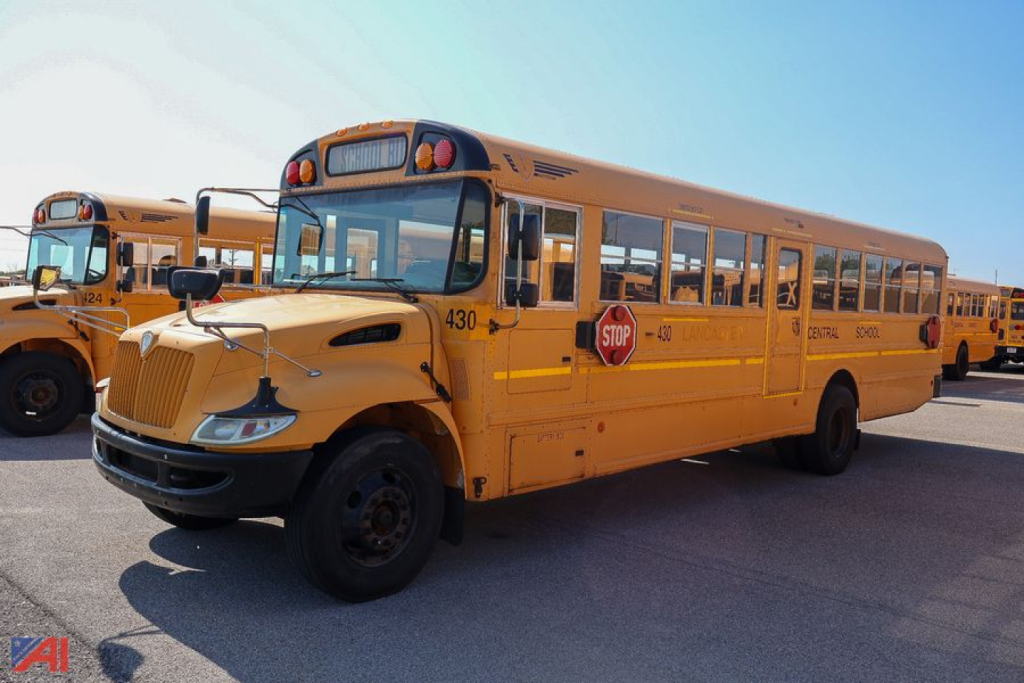
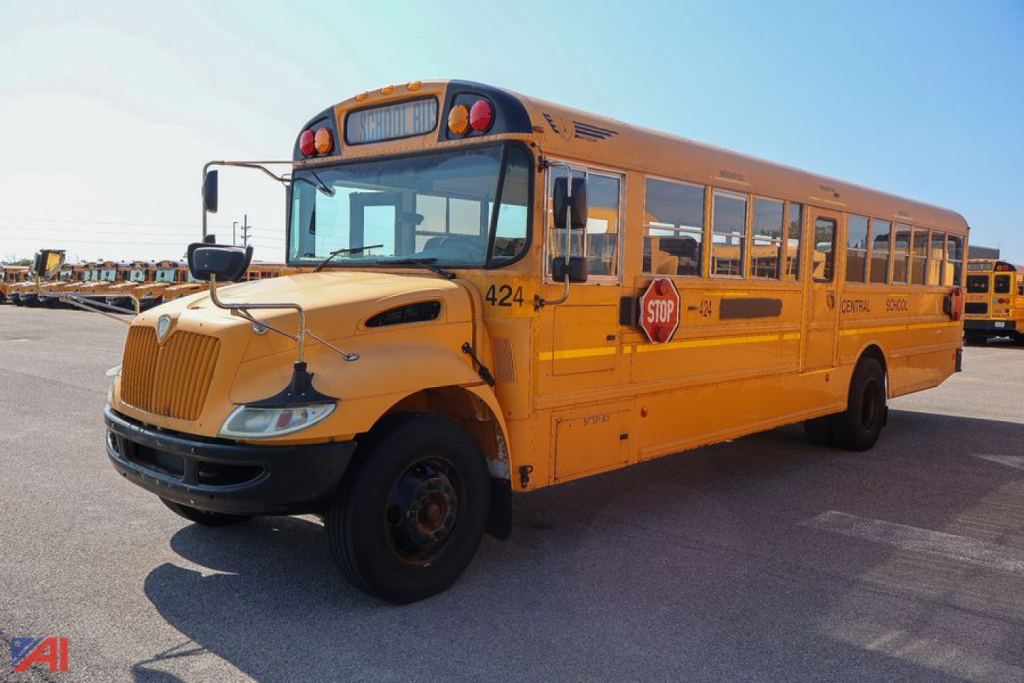
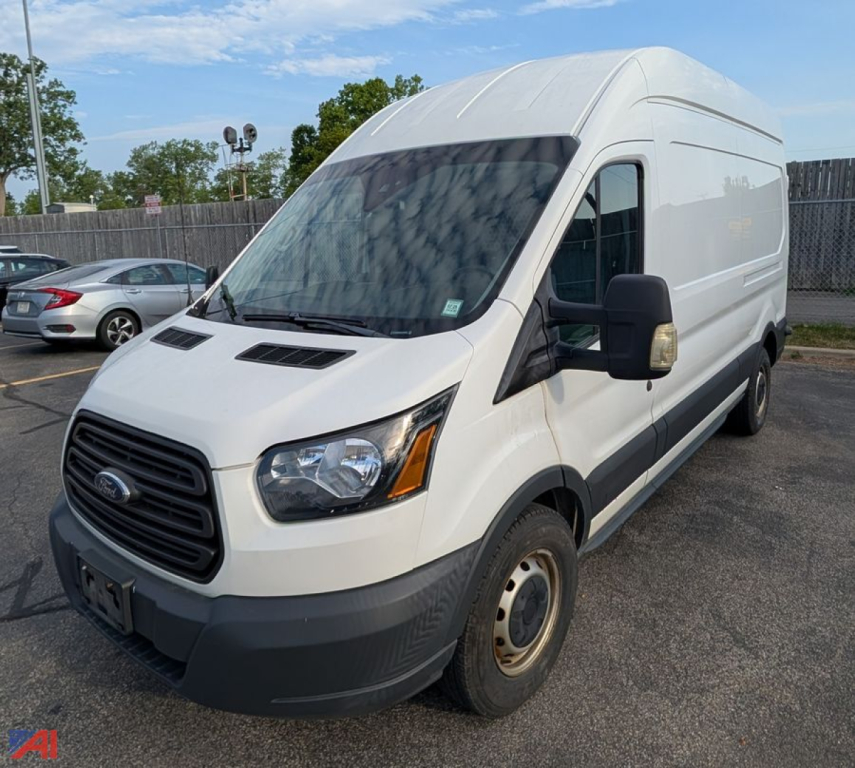
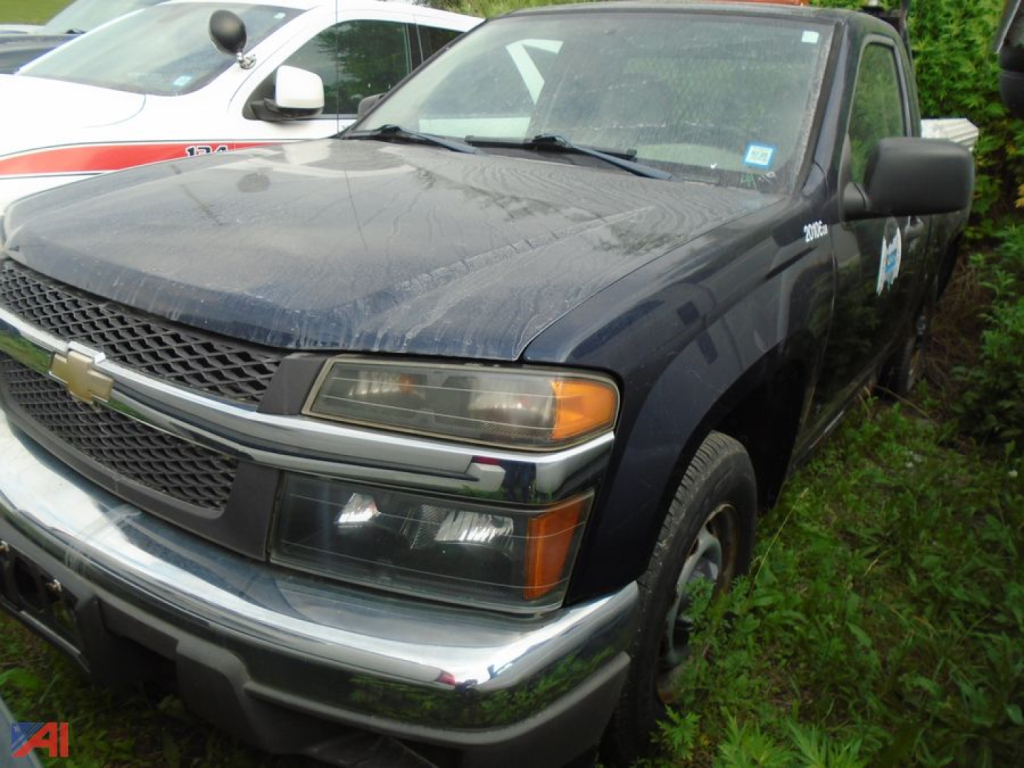
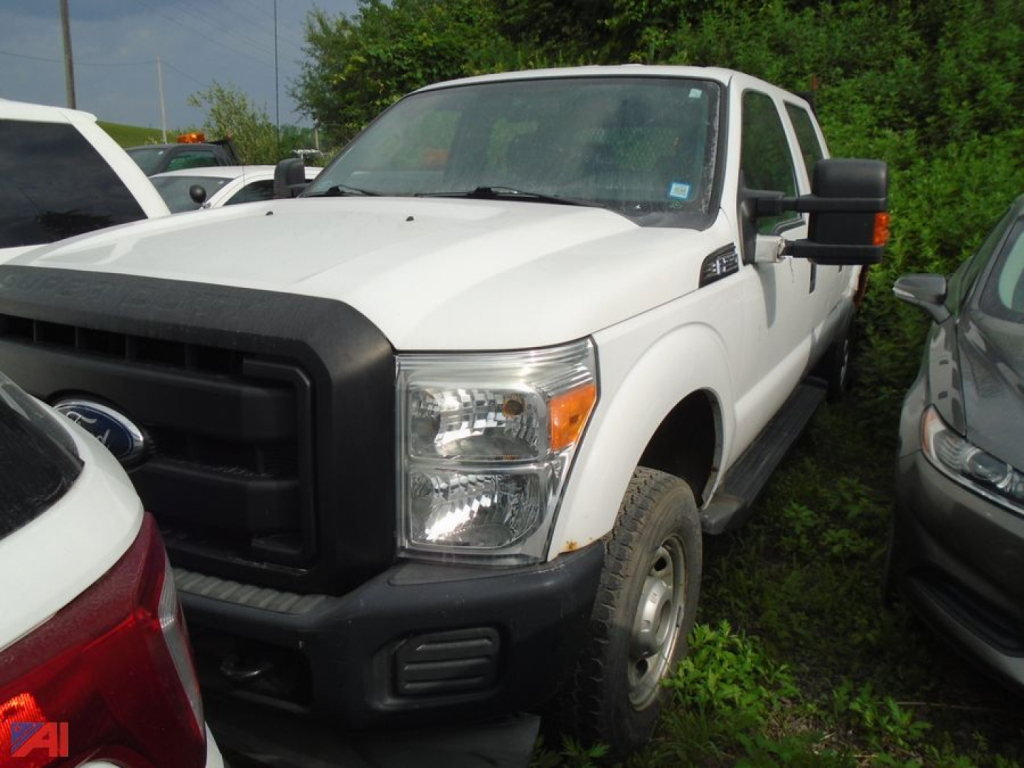
Showing 1 to 12 of 14 results
Have truck to sell? List it here to reach thousands of buyers.
About Trucks Near Lockport, New York
For over-the-road and regional haul work, Class 8 tractors are commonly built around diesel platforms from Cummins, Detroit, Paccar, or Volvo with automated manual or manual transmissions, tandem rear axles, and sleeper or day cab layouts. Key buying points include horsepower and torque rating, emissions system history, miles, idle hours, suspension type, rear axle ratio, and fifth wheel setup. If the truck will pull reefer, dry van, flatbed, or tanker, the buyer should match the wheelbase and weight spec to the trailer and freight. Maintenance records, DPF and SCR service history, clutch life on manuals, and evidence of regular chassis lubrication can tell you more than appearance alone.
Medium-duty trucks and vocational units bring a different set of priorities. Buyers looking at box trucks, cab and chassis platforms, dump trucks, utility bodies, or bus-based equipment should pay attention to GVWR, body length, PTO capability, brake type, turning radius, and door configuration. On school bus or shuttle-style truck platforms, visibility, passenger capacity, entrance door operation, and body condition matter as much as drivetrain. Gas-powered medium-duty trucks can be a fit for shorter routes and municipal use, while diesel units are still common for heavier cycles and higher annual mileage. A careful look at frame rust, crossmembers, spring hangers, steering play, and hydraulic or lift equipment condition is especially important on older vocational equipment.
Across all truck types, the best purchase is usually the one with a spec that matches the work instead of the one with the highest advertised power. Buyers should confirm VIN-based build details, axle ratings, brake system configuration, tire date codes, and any inactive fault codes before making a decision. In a market like Lockport, trucks that have spent time in snow and road salt deserve extra scrutiny around cab mounts, brake lines, wiring, and fuel tanks. A truck with documented service, sensible gearing, and the right cab and chassis setup will usually outperform a mismatched unit that looks cheaper on paper.
Frequently Asked Questions
What should I look for first when buying a used truck?
Start with the job the truck is expected to do. The most important filters are GVWR or class, cab style, axle configuration, wheelbase, engine rating, transmission, and intended trailer or body setup. After that, review maintenance records, engine hours, emissions system history, tire condition, brake wear, frame corrosion, and any active or inactive fault codes. A truck with the correct spec and documented upkeep is usually a better value than a lower-priced unit that is wrong for the application.
Is a sleeper truck better than a day cab?
A sleeper is better for long-haul and multi-day routes because it adds driver accommodations and can improve route flexibility. A day cab is often the better choice for local and regional operations because it reduces weight, shortens wheelbase, and can be easier to maneuver in tighter yards and city deliveries. The decision should be based on route length, payload, parking constraints, and driver scheduling rather than preference alone.
What matters most on a used diesel truck with modern emissions equipment?
The key issues are DPF, SCR, and EGR system health, along with the service history behind them. Buyers should ask about forced regens, sensor replacement, DPF cleaning intervals, injector performance, and any recurring warning lights or derate events. Diagnostic scans are valuable because a truck can appear to run well while still carrying inactive codes that point to upcoming emissions-related repairs. Consistent maintenance is especially important on higher-mileage diesel trucks.
How do New York operating conditions affect used truck inspections?
In New York, especially in regions with snow and road salt, corrosion inspection should be more detailed than usual. Buyers should closely inspect frame rails, crossmembers, cab mounts, battery boxes, brake lines, fuel tanks, wiring, suspension hangers, and body supports. Rust on cosmetic surfaces is common, but structural corrosion or heavily deteriorated mounting points can turn an affordable truck into an expensive repair project. Cold-weather performance, heater operation, and battery condition also deserve attention.
Should I choose a manual or automated transmission in a used truck?
A manual transmission can still make sense for buyers who want simplicity, driver control, and familiarity with clutch service. Automated manual transmissions are widely used because they reduce driver fatigue, help standardize shifting, and can improve consistency across fleets. The better option depends on driver preference, route type, maintenance support, and resale priorities. On either type, buyers should evaluate shift quality, clutch condition where applicable, calibration history, and any transmission fault codes.