
Lift Trucks For Sale
Compare used lift trucks and forklifts for sale. Evaluate electric, LPG and diesel power, tire type, mast height, capacity, and attachments.
No exact matches found for your search
Showing Commercial Trucks instead.
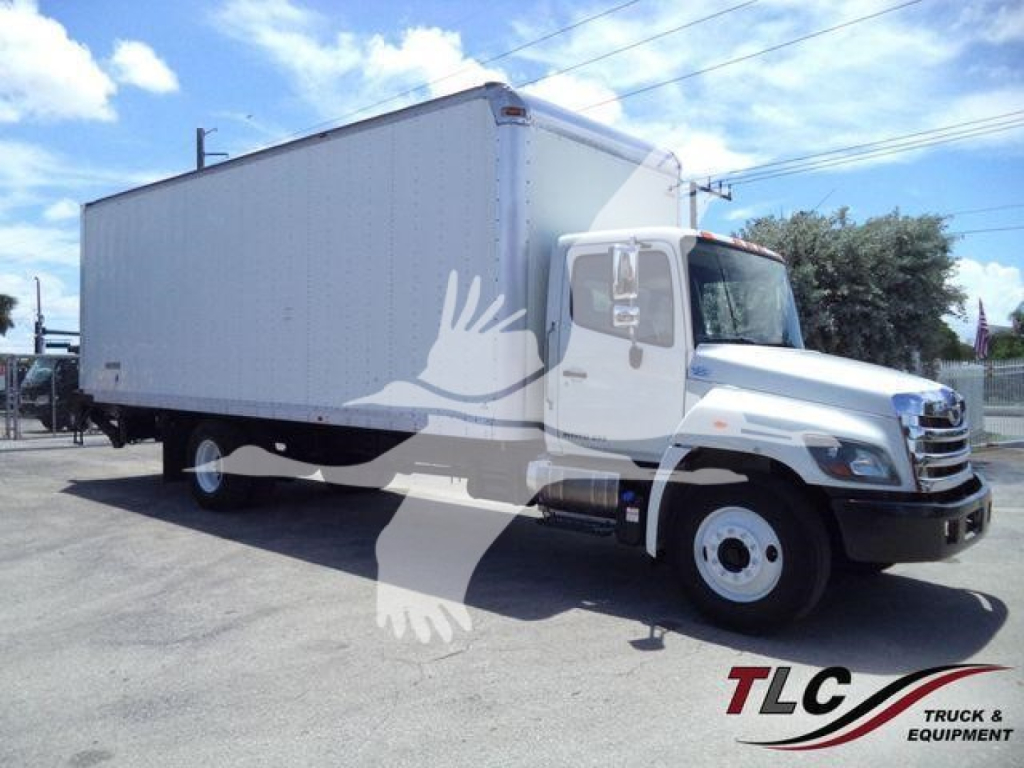
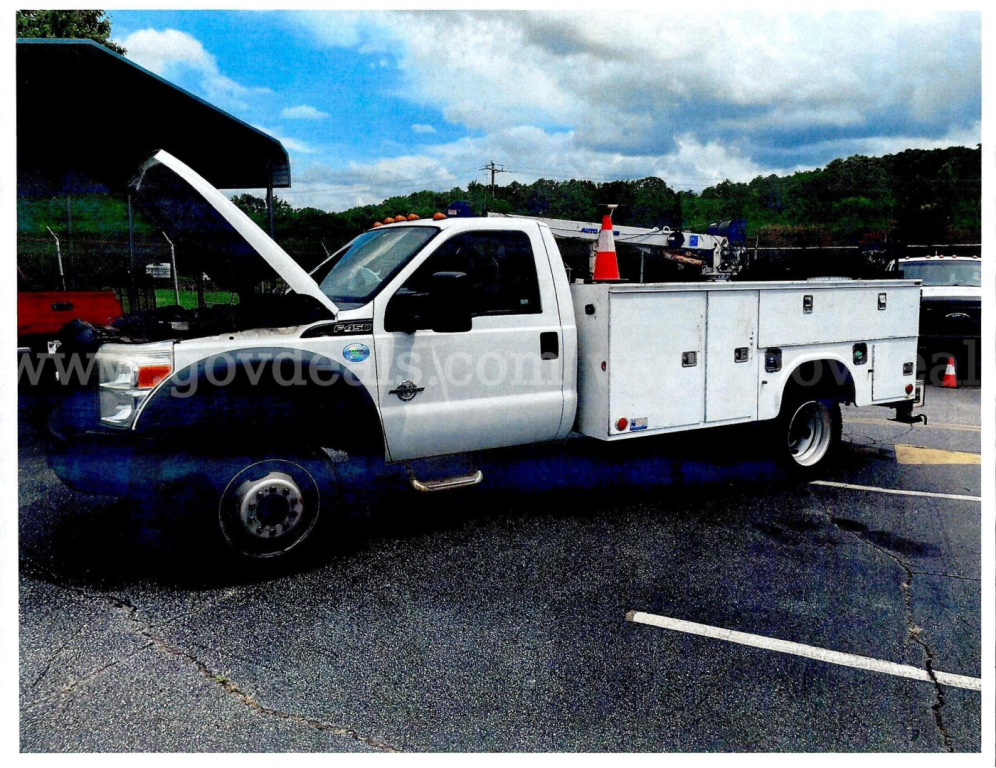
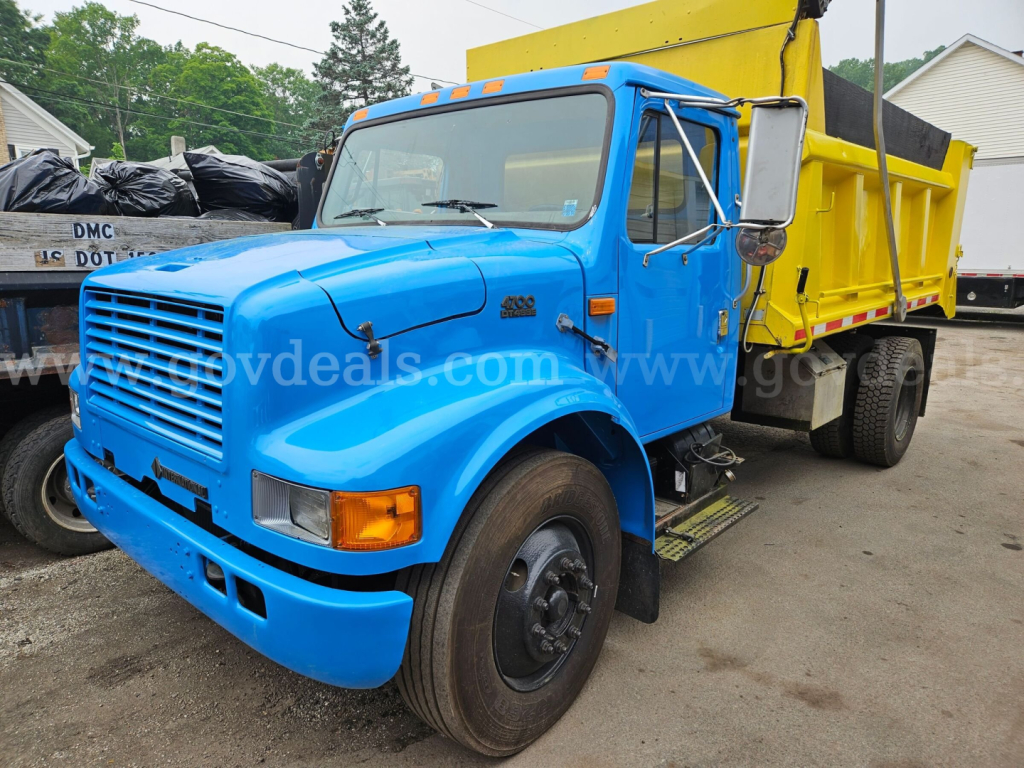
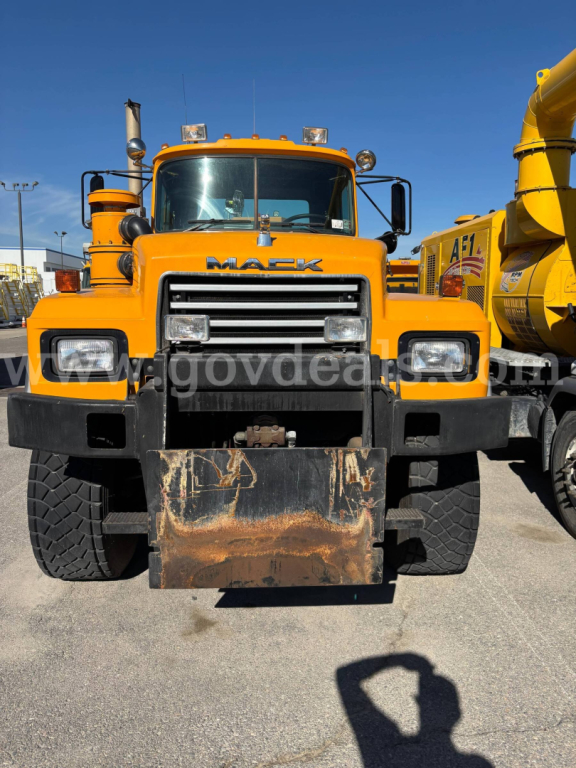
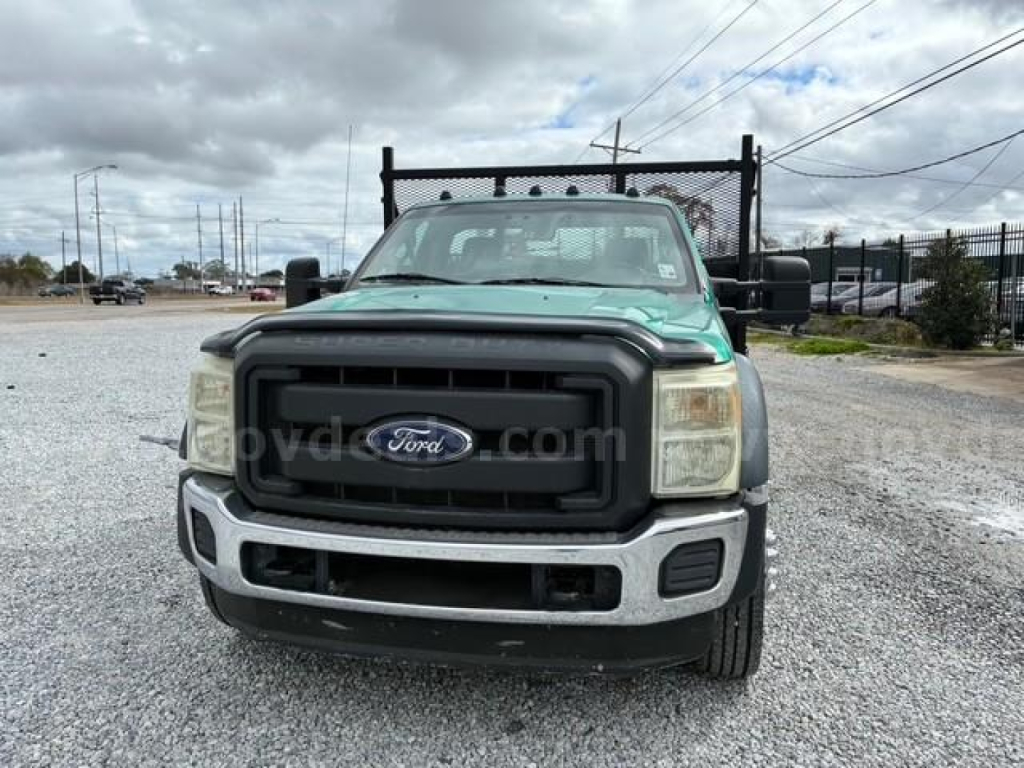
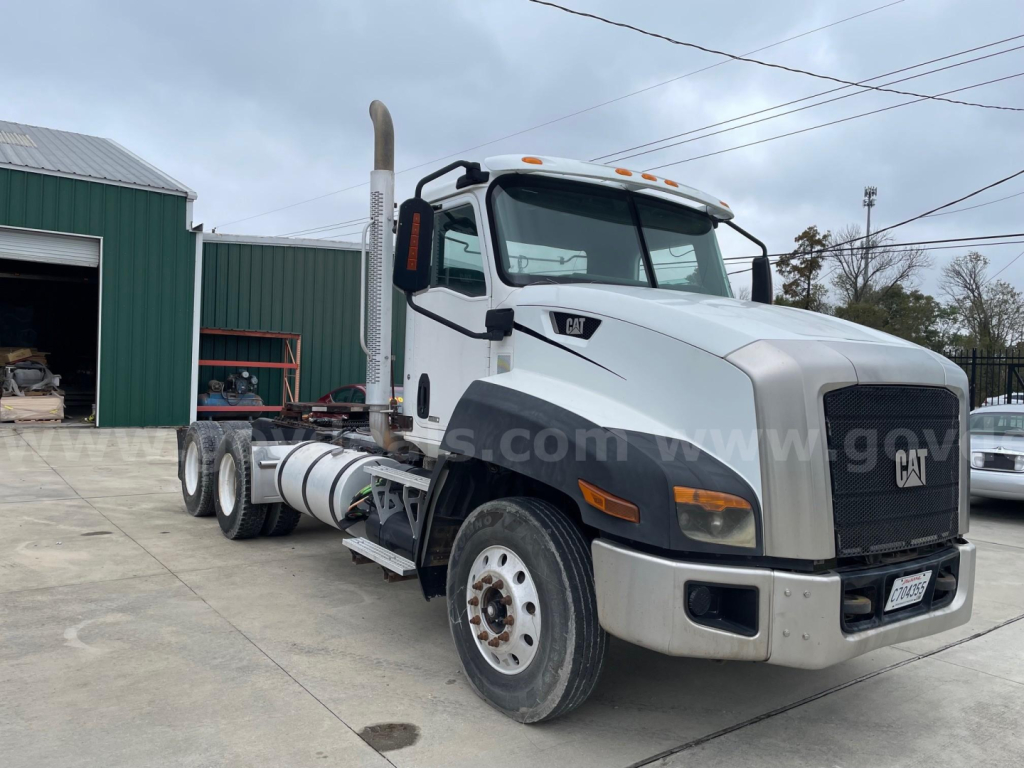
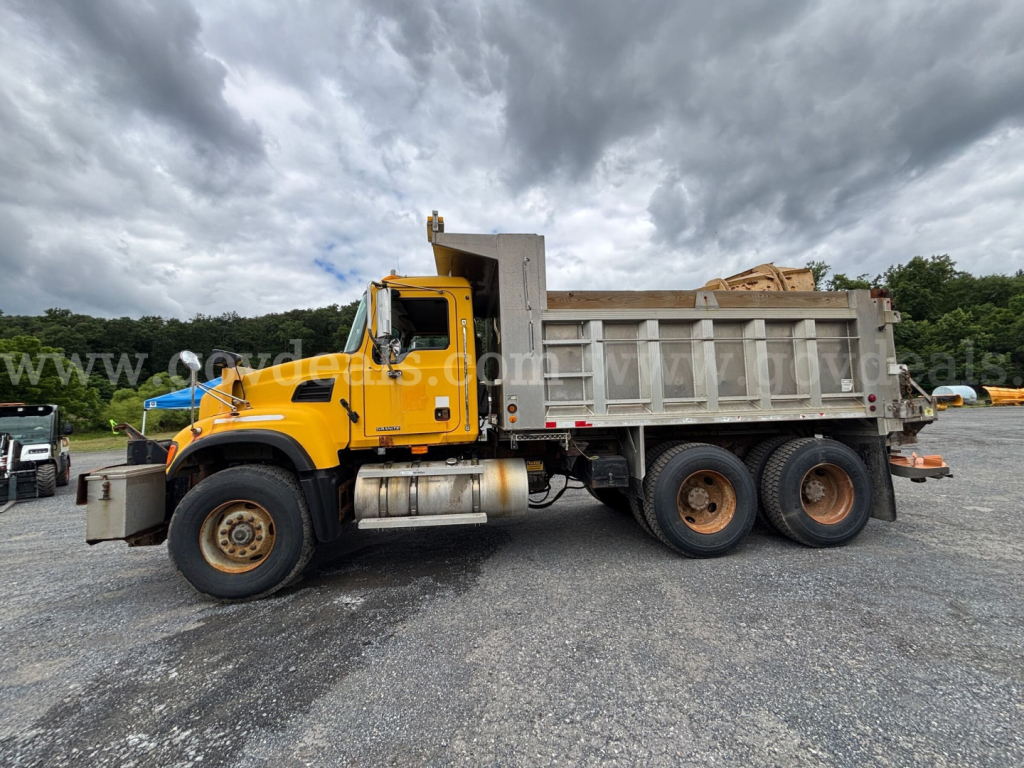
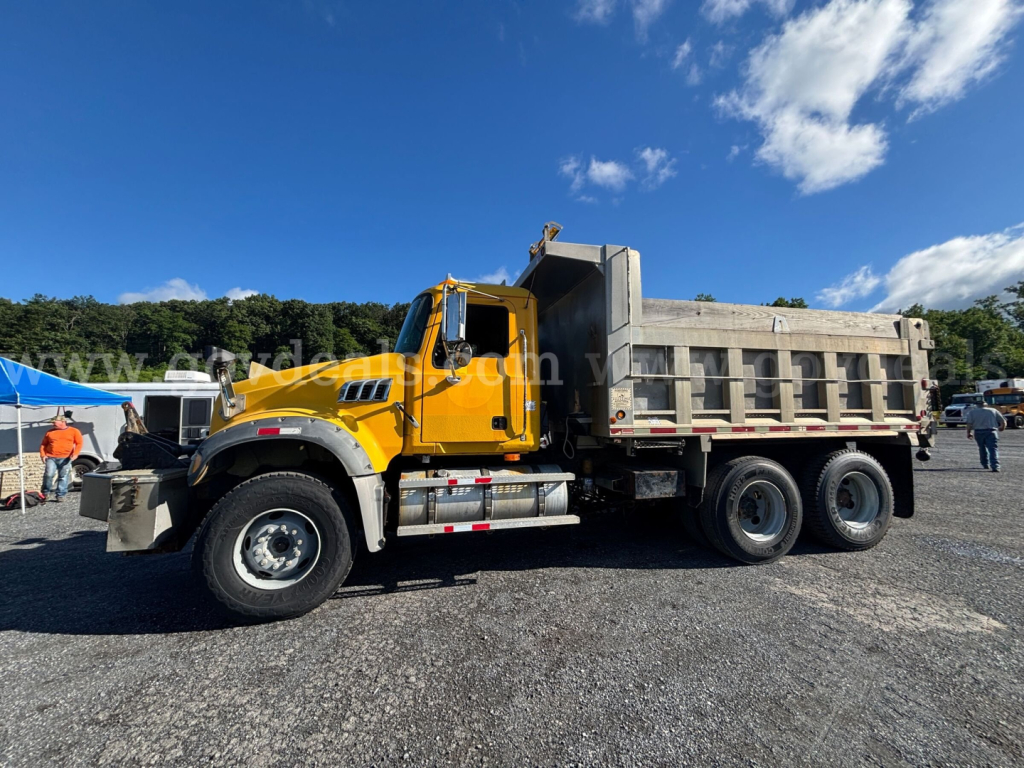
Showing 73 to 84 of 2,843 results
Have lift truck to sell? List it here to reach thousands of buyers.
Lift Trucks
Rated capacity is only part of the story. Most warehouse forklifts are 3,000 to 6,000 lb at a 24 in load center, with mid-range 8,000 to 12,000 lb and rough-terrain units commonly 6,000 to 12,000 lb. Capacity derates as mast height increases, on slopes, or when using attachments like clamp or fork positioners. Know your right-angle stack requirement, aisle width, and doorway height. Mast choice matters: a 2-stage mast provides rigidity for dock work, a 3-stage mast maximizes lift height with a lower collapsed height for trailers and containers, and full free lift helps in low-overhead racking. Check lowered mast height, maximum lift, tilt range, and carriage class to match your pallets and loads.
Attachments and options tailor a lift truck to the job. Sideshifters speed pallet alignment, fork positioners reduce handling damage, paper or carton clamps handle unitized loads, and rotators serve waste and food applications. Common fork lengths are 42 to 48 in, with longer forks for double-deep or long product. Look for features that protect uptime and product: LED work lights, blue spot safety lights, travel speed control, telematics, and automatic fork leveling. On electrics, match battery voltage and chemistry to the shift pattern. A 36 or 48 volt lead-acid pack suits most sit-down trucks, while 80 volt systems power high-capacity units. Lithium-ion shortens charge times and supports opportunity charging but adds upfront cost. Verify charger compatibility with your site power and confirm battery age, capacity testing, and maintenance history.
Total cost of ownership hinges on hours, maintenance, and parts support. Hour meters in the 3,000 to 5,000 range are typical for lightly used warehouse units, while 10,000 plus hours signal thorough inspection of mast rollers, chains, tilt cylinders, steer axle pins, and drive components. For LPG and diesel, confirm Tier 4 compliance, emission controls, and condition of cooling and hydraulic systems. For electric, assess battery state of health, connector wear, and charger function. Plan transport by noting weight, overall length, and lowered mast height to select the right flatbed or step-deck. Secure using rated anchor points and protect mast and carriage during transit. Operator training and site fit are non-negotiable; OSHA 1910.178 sets the baseline for safe operation and documentation.
Frequently Asked Questions about Lift Trucks
How do I choose between cushion and pneumatic tires on a lift truck?
Cushion tires are best on smooth indoor concrete and deliver a tighter turning radius and lower overall height, which helps in low doorways and crowded docks. Pneumatic or solid pneumatic tires handle uneven surfaces, debris, and outdoor yards with better ride quality and ground clearance. If most work is inside on good floors, go cushion. If you routinely cross dock aprons, gravel, or rough pavement, choose pneumatic.
What lift capacity do I really need and how do attachments affect it?
Start with your heaviest load at its actual load center, not just weight on the pallet tag. Standard ratings are at a 24 in load center, and capacity decreases as the center of gravity moves forward, mast height increases, or you add attachments. A sideshifter has a small impact while a fork positioner, clamp, or rotator can significantly derate capacity. Ask for a capacity plate that reflects your attachment and maximum lift height, and verify right-angle stack and aisle width before deciding.
Should I buy electric, LPG, or diesel for my application?
Electric is the lowest operating cost choice for indoor work and multi-shift operations where charging infrastructure is available. It runs quiet, eliminates exhaust in the warehouse, and reduces maintenance. LPG offers fast refueling, steady power, and can work indoors with adequate ventilation, making it a flexible pick for mixed environments. Diesel suits heavy outdoor duty, long travel, and grades, but is generally not suitable indoors. Climate, ventilation, and shift length should guide the decision.
What is considered high hours on a used forklift and what should I inspect?
Usage varies by application, but 2,000 to 3,000 hours per year is common in busy warehouses. Units past 10,000 hours require closer evaluation of mast channels and rollers, lift chains, steer axle bushings, brakes, hydraulic leaks, and drive components. On electrics, check battery age, water level history, and state of health via specific gravity or capacity testing. On LPG and diesel, inspect cooling systems, emission components, and engine compression. Review service records and look for consistent PM intervals.
How do I plan transport and site fit for a lift truck purchase?
Record the truck’s weight, overall length, and lowered mast height to determine trailer type and route clearances. Many forklifts fit on a standard flatbed, while taller masts may require a step-deck. Load via dock or rated ramps and secure with chains or straps at manufacturer-approved anchor points to avoid damaging the mast or steer axle. Confirm your facility’s doorway heights, dock leveler capacity, aisle widths, and floor condition so the truck can operate safely on day one.