
Commercial Trucks For Sale Near Lebanon, Ohio
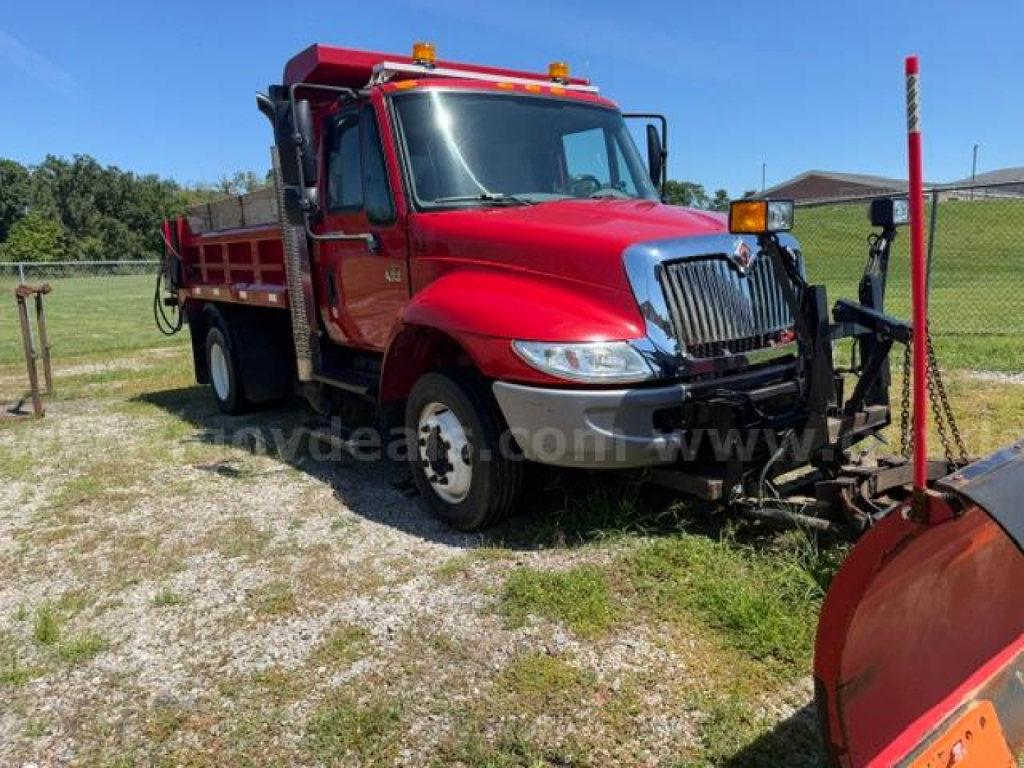

Have commercial truck to sell? List it here to reach thousands of buyers.
Commercial Trucks Near Lebanon, Ohio
A buyer should pay close attention to the basic hard specs first: engine type, transmission, axle ratio, wheelbase, and 2WD versus 4WD. Diesel trucks remain common where torque, towing, and PTO-friendly operation matter, while gas trucks can make sense for lower annual miles and simpler maintenance. On chassis cab and vocational units, wheelbase and CA dimension matter because they determine what bodies and equipment can be mounted. If the truck is outfitted for a specific task, such as a bucket truck, plow truck, flatbed truck, or utility service truck, the body and upfit often carry as much value as the cab and drivetrain. Hydraulic function, boom certification history, spreader condition, rust at body mounts, and electrical accessory condition should all be reviewed closely.
In southwest Ohio, corrosion and seasonal use are real buying factors. Snow equipment, municipal service trucks, and older utility units often show wear at the frame, brake lines, spring hangers, rockers, cab corners, and bed crossmembers. Buyers comparing used trucks in Lebanon should look at service records, idle hours where applicable, PTO or auxiliary equipment hours, tire date codes, and signs of hard fleet use. For work trucks with utility bodies or aerial devices, inspect outriggers, bucket controls, tool compartments, and any interlock systems. For pickups and flatbeds, focus on hitch wear, suspension condition, steering play, and evidence of overload use.
The strongest value in this category usually comes from matching the truck to the work instead of buying strictly by sticker price or mileage. A lighter pickup can be the better fit for mixed personal and business use, while a dedicated vocational truck can save time and labor if the body is already configured for the trade. Trucks in this class are commonly used by contractors, municipalities, electric and telecom crews, snow and ice operators, landscapers, and general service fleets. If the truck will carry specialized equipment, make sure the axle ratings, body rating, and licensing requirements align with the real operating load, not just the empty-truck spec sheet.
Frequently Asked Questions about Commercial Trucks Near Lebanon, Ohio
What should I look for first when buying a used truck for commercial work?
Start with GVWR, payload capacity, towing capacity, drivetrain, wheelbase, and body style. Those specs determine whether the truck can actually perform the work you need it to do. After that, review engine and transmission condition, maintenance history, frame rust, brake and suspension wear, and the condition of any vocational equipment such as plows, utility bodies, booms, or spreaders. A truck with the right configuration and documented upkeep is usually a better buy than one with lower miles but the wrong spec.
Is a pickup truck or a chassis cab better for jobsite use?
A pickup is usually better for mixed use, lighter hauling, and crews that need a more flexible truck for daily driving. A chassis cab is the better platform when you need a flatbed, service body, dump body, bucket, crane, or other permanent upfit. Chassis cabs are built for vocational work and often offer higher usable payload, better body-mount compatibility, and more wheelbase options. The choice depends on whether the truck is primarily transportation or a dedicated tool for the job.
Does 4WD matter on a commercial truck in Ohio?
For many buyers in Ohio, 4WD is a practical advantage, especially for winter weather, plow work, gravel lots, utility access roads, and muddy jobsites. It improves traction and can reduce downtime when conditions are poor. That said, 2WD trucks can still be a smart choice for highway use, municipal pavement routes, or applications where lower purchase cost and simpler driveline maintenance matter more than off-pavement traction.
How important is the upfit on a used work truck?
On many commercial trucks, the upfit is a major part of the truck's real value. A utility body, bucket assembly, flatbed, plow package, or spreader can save significant time and money if it matches your operation and is in good working order. Buyers should inspect the upfit as carefully as the chassis. Check hydraulics, controls, wiring, compartment condition, corrosion, mounting points, and any safety systems or inspection records. A sound upfit can justify the purchase, while a worn one can turn a good-looking truck into an expensive rebuild.
What are common problem areas on older used trucks?
Common issues include frame and underbody rust, brake line corrosion, worn front-end components, transmission wear, injector or turbo problems on diesel models, and electrical issues tied to aftermarket accessories. On vocational trucks, buyers should also watch for worn PTO components, leaking hydraulics, damaged outriggers, boom wear, and corrosion around body mounts and crossmembers. A careful inspection matters because commercial trucks often idle extensively and may have much more work exposure than the odometer alone suggests.