
Commercial Trucks For Sale Near Lathrop, California

Have commercial truck to sell? List it here to reach thousands of buyers.
Commercial Trucks Near Lathrop, California
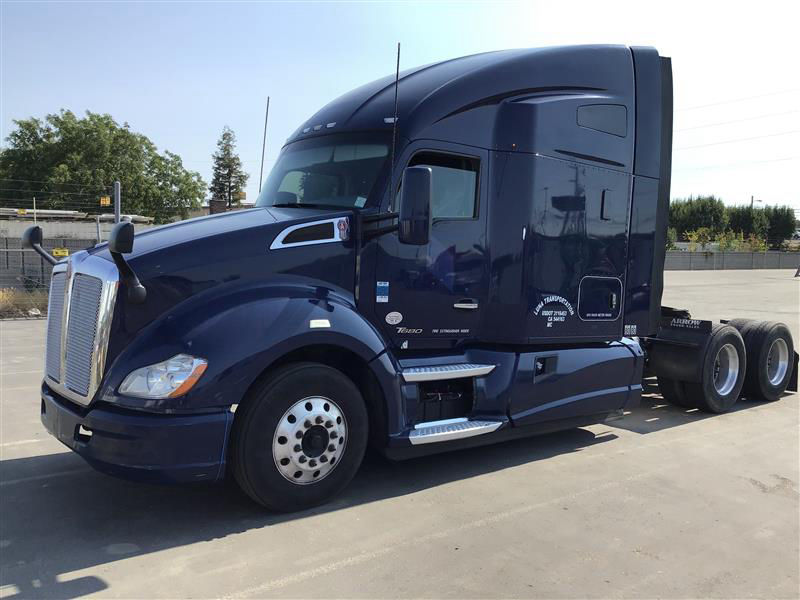
For on-highway tractors, common choices include conventional day cabs and conventional sleepers. Key spec points include engine family, horsepower and torque ratings, 10-speed or automated manual transmissions, rear axle ratio, suspension type, and fuel capacity. Sleeper size matters for over-the-road work, with raised-roof sleepers often preferred for driver comfort and storage. Wheelbase affects ride quality, trailer gap, and turning radius, while front and rear axle ratings determine how well the truck is suited for heavier freight or specialized trailers. Buyers running California lanes should also pay attention to emissions equipment condition, idle management needs, and tire size availability, since downtime related to aftertreatment or hard-to-source components can erase any savings from a lower purchase price.
Medium-duty and vocational trucks cover a broad range that includes rollback tow trucks, wreckers, flatbeds, box trucks, dump bodies, utility bodies, and other chassis-built applications. In these trucks, the upfit is just as important as the cab and chassis. A rollback, for example, should be evaluated on bed capacity, winch rating, hydraulic performance, stabilizer design, PTO setup, and frame compatibility. On any vocational truck, buyers should check body manufacturer, structural capacity, hydraulic or electrical system layout, and how the equipment integrates with the chassis. Service access, parts support, and body condition are often more important than cosmetics, especially for trucks that will work in municipal, construction, towing, or regional fleet service.
Across all truck categories, the best buy is usually the unit with a spec that fits the job without excess complexity. Review engine model, transmission model, brake type, suspension, wheel material, fuel tank capacity, and any driver comfort features that matter for retention and uptime. In California, fleet buyers also tend to weigh local compliance, route restrictions, and maintenance history more heavily than buyers in less regulated markets. A properly spec'd truck will cost less to operate, turn more usable miles, and hold value better when it is time to sell or trade.
Frequently Asked Questions about Commercial Trucks Near Lathrop, California
What types of trucks are usually included in a trucks for sale category?
This category usually includes highway tractors such as day cabs and sleeper trucks, along with medium-duty and vocational trucks such as rollbacks, flatbeds, box trucks, dumps, and service bodies. The category is broad, so the buyer should sort first by application, then by class, axle ratings, cab style, and body or upfit type. That approach is more useful than shopping by make alone because the truck’s job determines the correct spec.
What specs matter most when comparing used trucks?
The most important specs are GVWR or GCWR, engine model, horsepower and torque, transmission type, axle ratings, wheelbase, suspension, and cab configuration. For tractors, rear axle ratio, fifth wheel setup, and fuel capacity also matter. For vocational trucks, body capacity, PTO or hydraulic system design, and upfit condition are critical. A truck with the right operating spec will usually outperform a cheaper truck that is mismatched to the work.
How do I choose between a day cab and a sleeper truck?
A day cab is typically the better fit for local and regional operations where overnight stays are limited and maneuverability matters. A sleeper truck is built for longer routes, more driver storage, and better rest accommodations. Buyers should compare sleeper length, roof height, fuel capacity, wheelbase, and total weight, since those factors affect comfort, turning radius, and payload. The right choice depends on route length, home time, and customer freight patterns.
What should I look for on a used rollback or other vocational truck?
Start with the chassis class, engine and transmission match, and then inspect the body or recovery equipment in detail. On a rollback, bed length, deck condition, winch capacity, hydraulic function, stabilizers, controls, and tie-down points all deserve close review. On other vocational units, inspect PTO operation, frame condition, body mounts, electrical connections, and any signs of hard use around hinges, cylinders, or subframes. In many cases, upfit condition has a bigger effect on immediate repair cost than the truck cab itself.
Are there special considerations when buying trucks in California?
Yes. California buyers should pay close attention to emissions system condition, registration and compliance requirements, and the truck’s suitability for local and regional operating rules. Trucks with unresolved aftertreatment issues can create expensive downtime, especially in high-mileage fleet use. It is also smart to consider service network strength, parts availability, and how the truck is spec'd for West Coast freight, urban delivery, or port-related work, depending on the intended application.