
Trucks For Sale Near Las Vegas, Nevada

2013 Freightliner M2 112
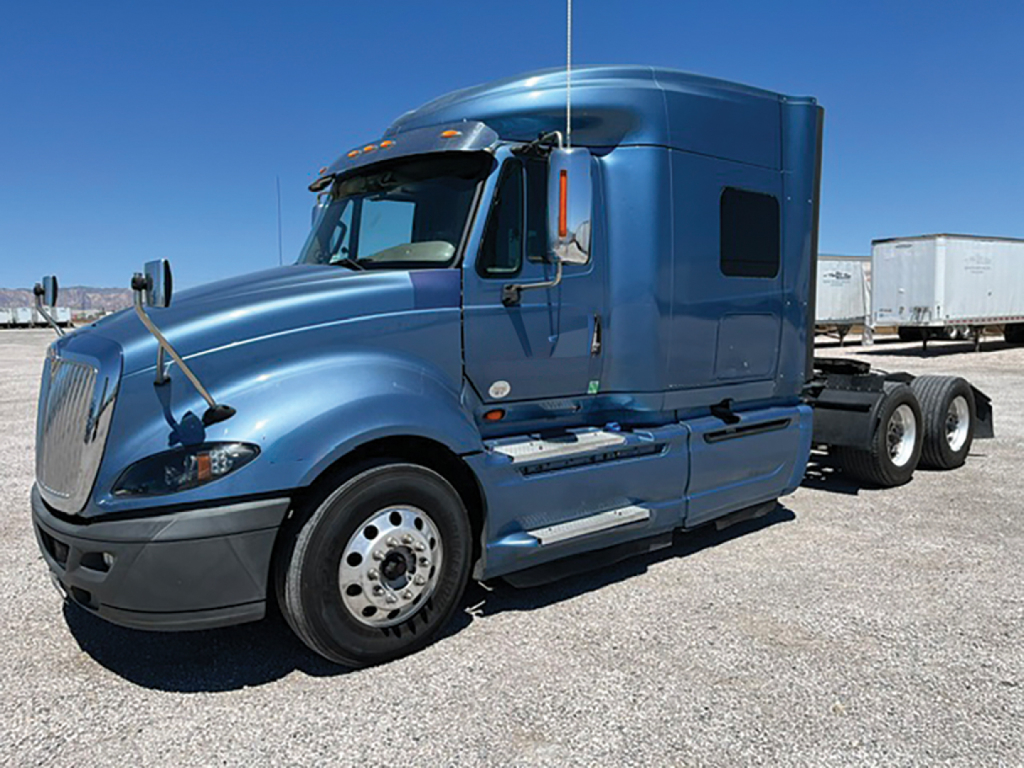
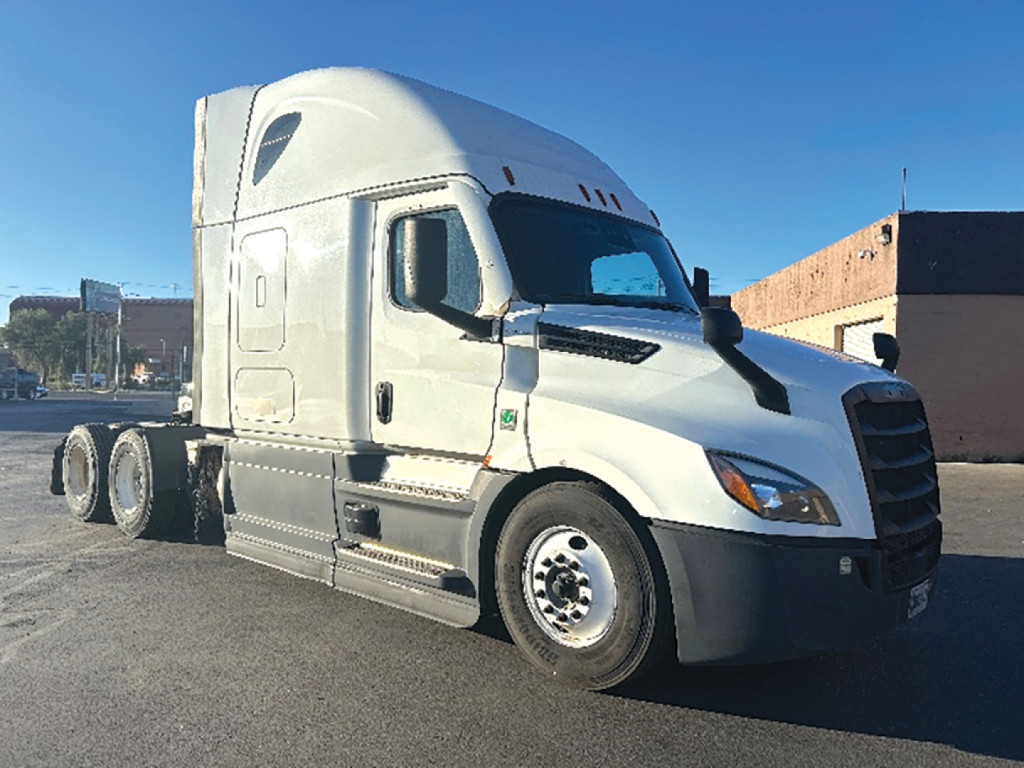
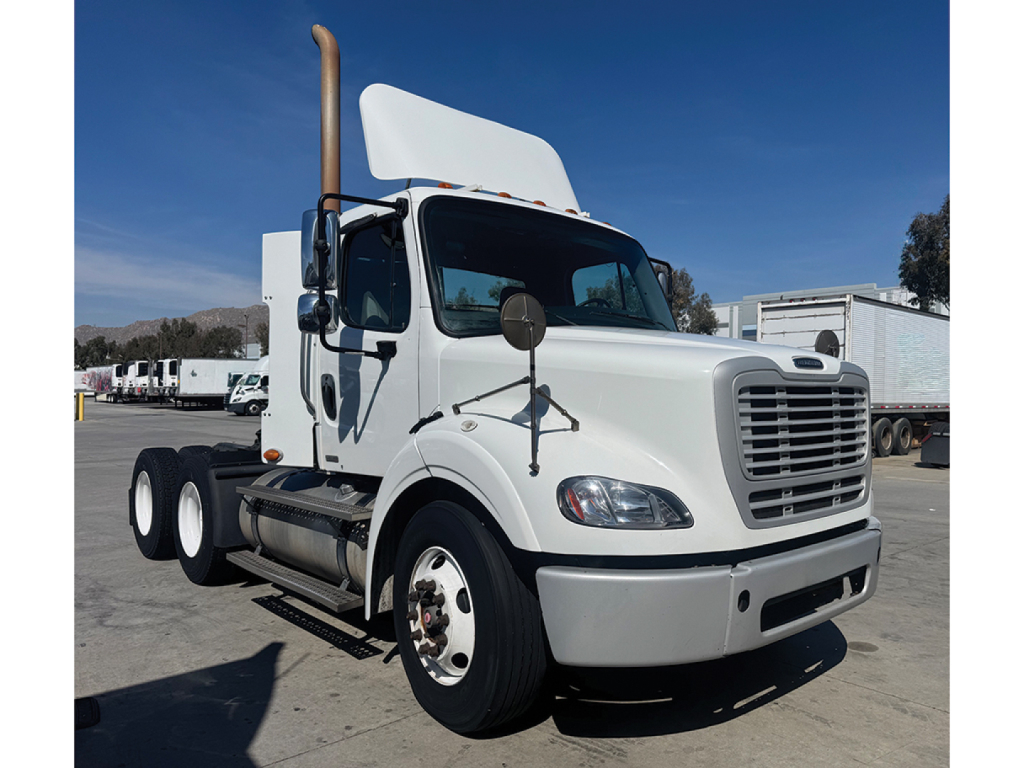
2014 Freightliner M2 112
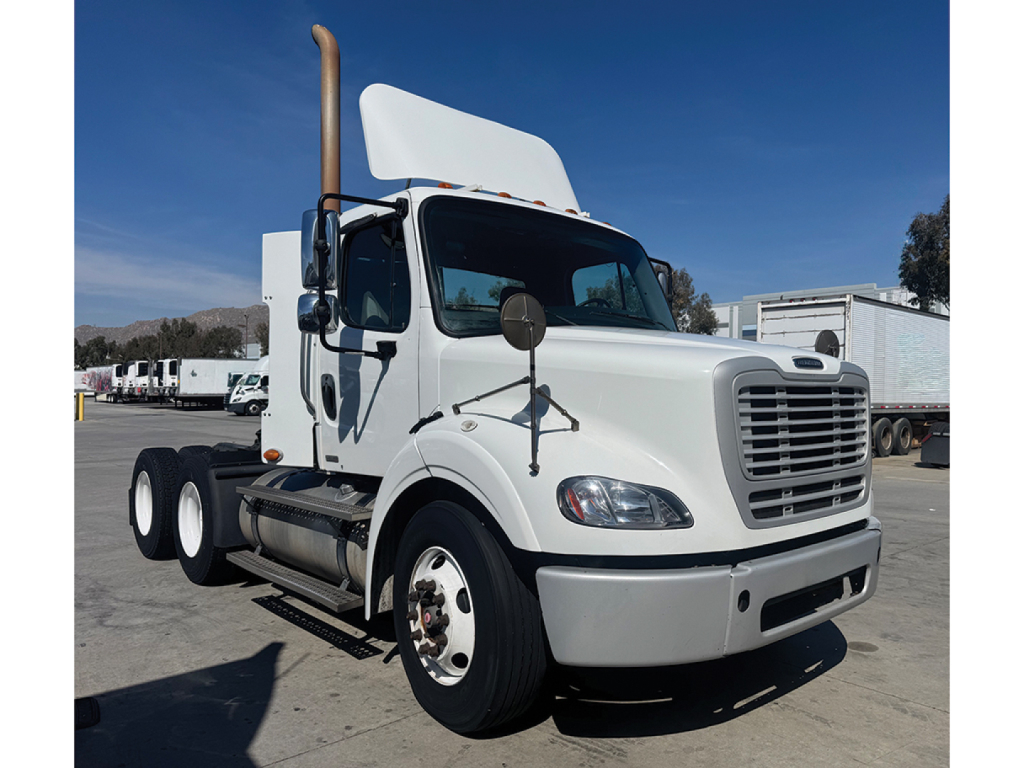
2014 Freightliner M2 112
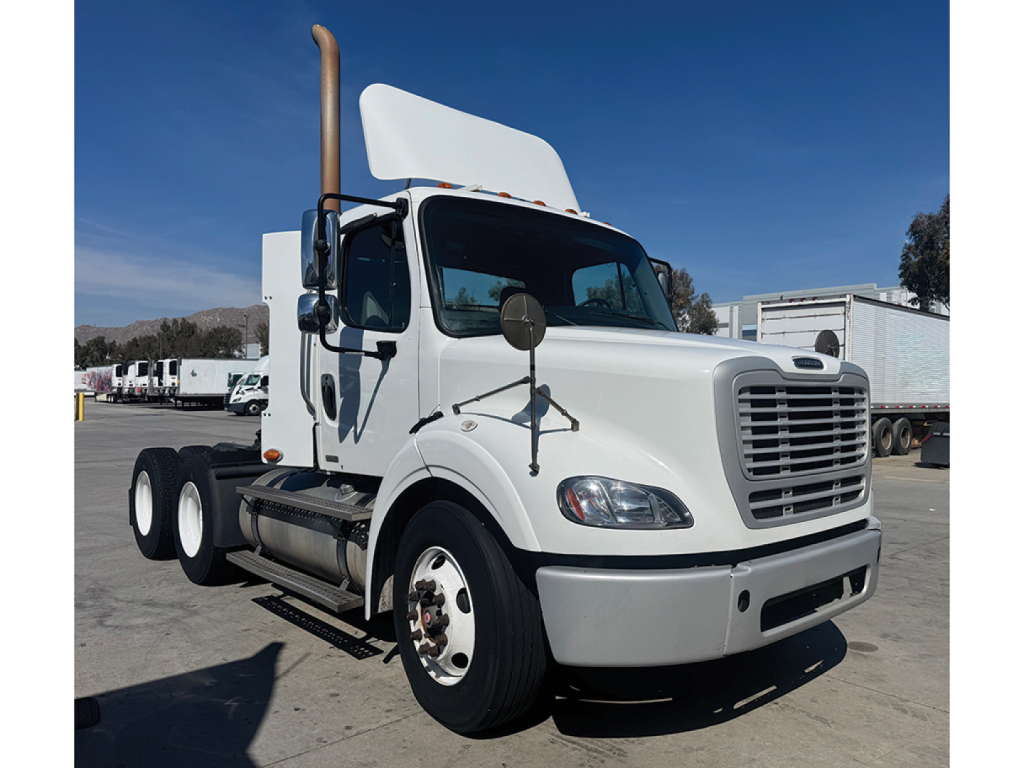
2014 Freightliner M2 112
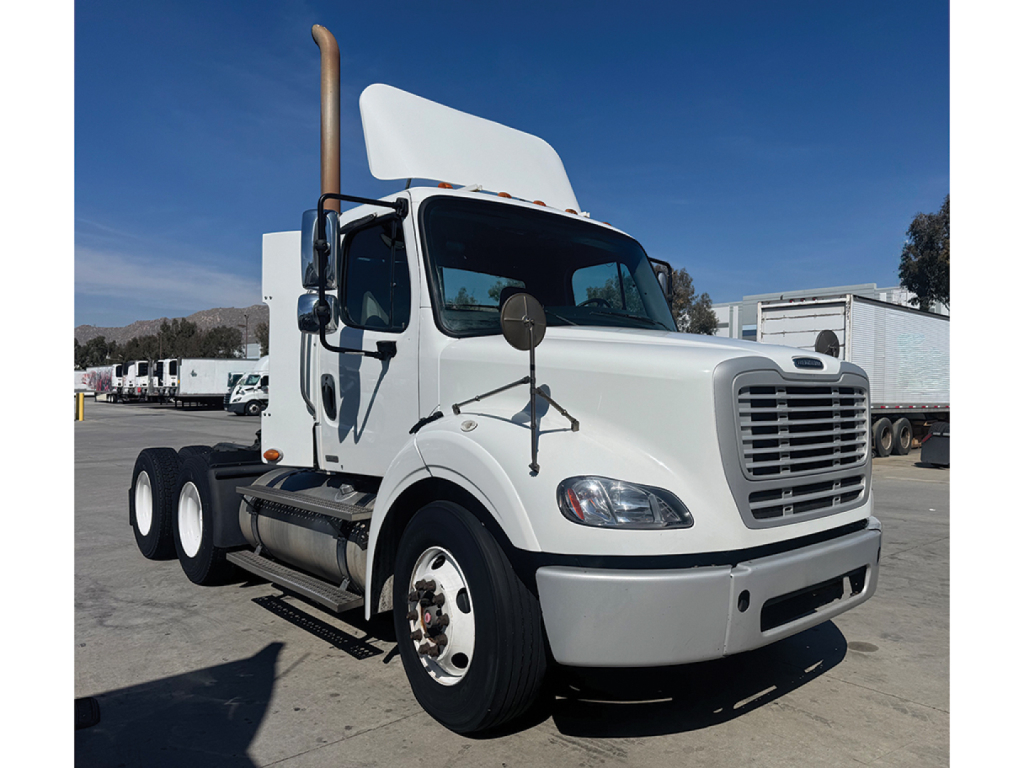
2014 Freightliner M2 112
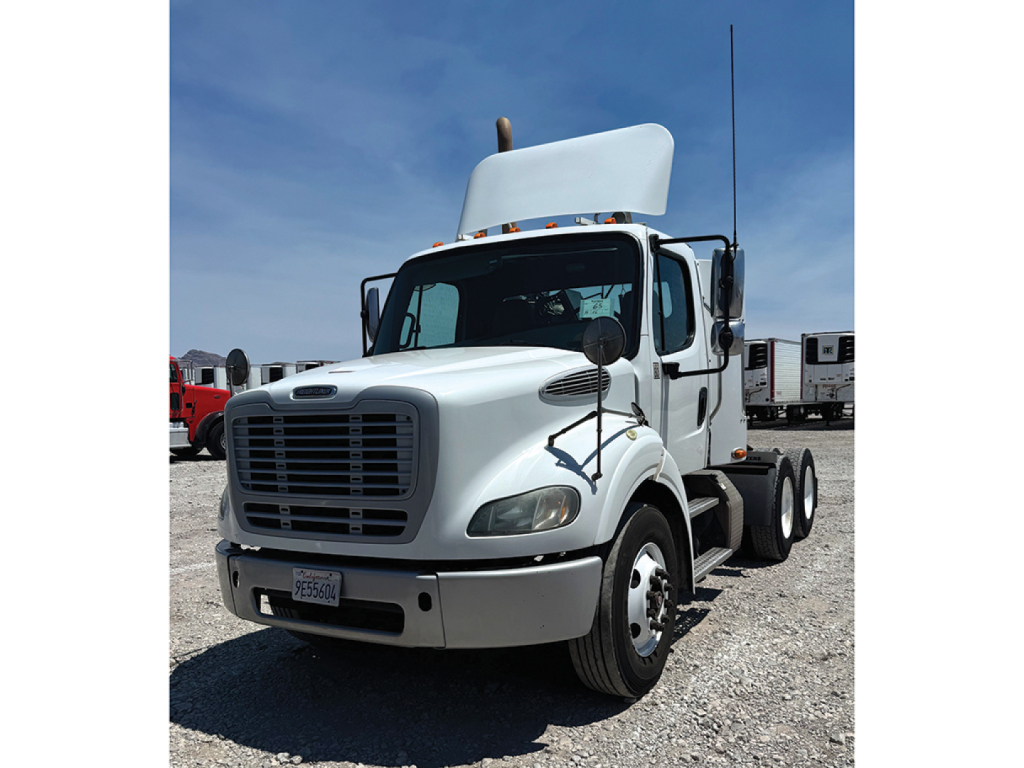
2013 Freightliner M2 112
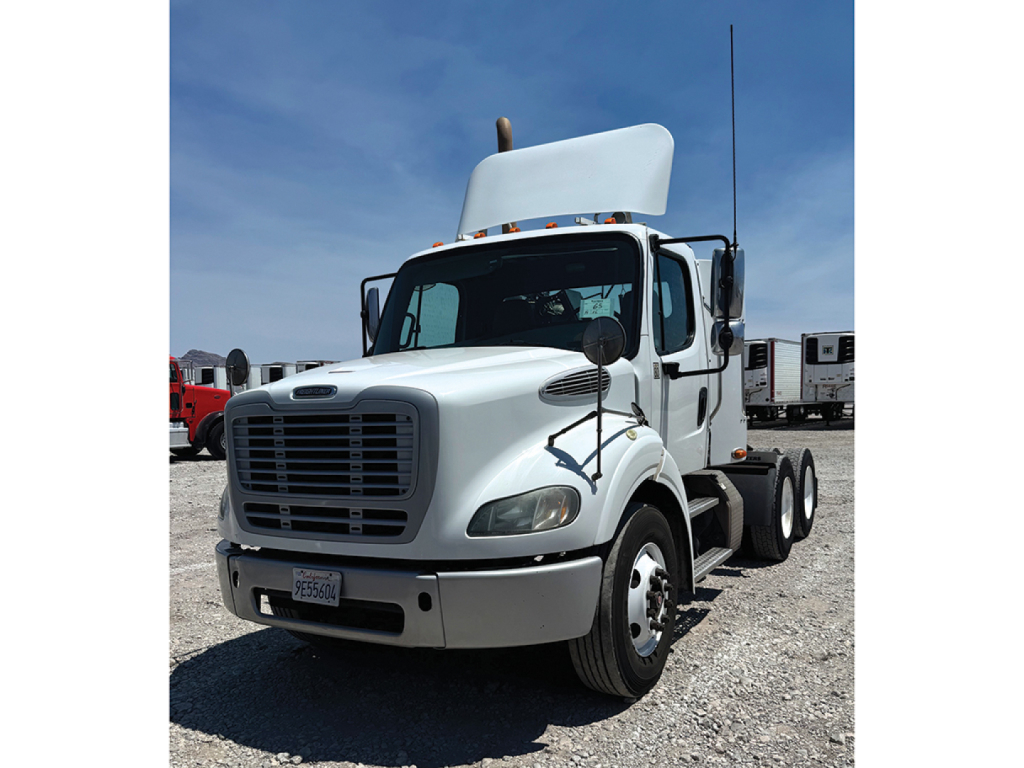
2013 Freightliner M2 112
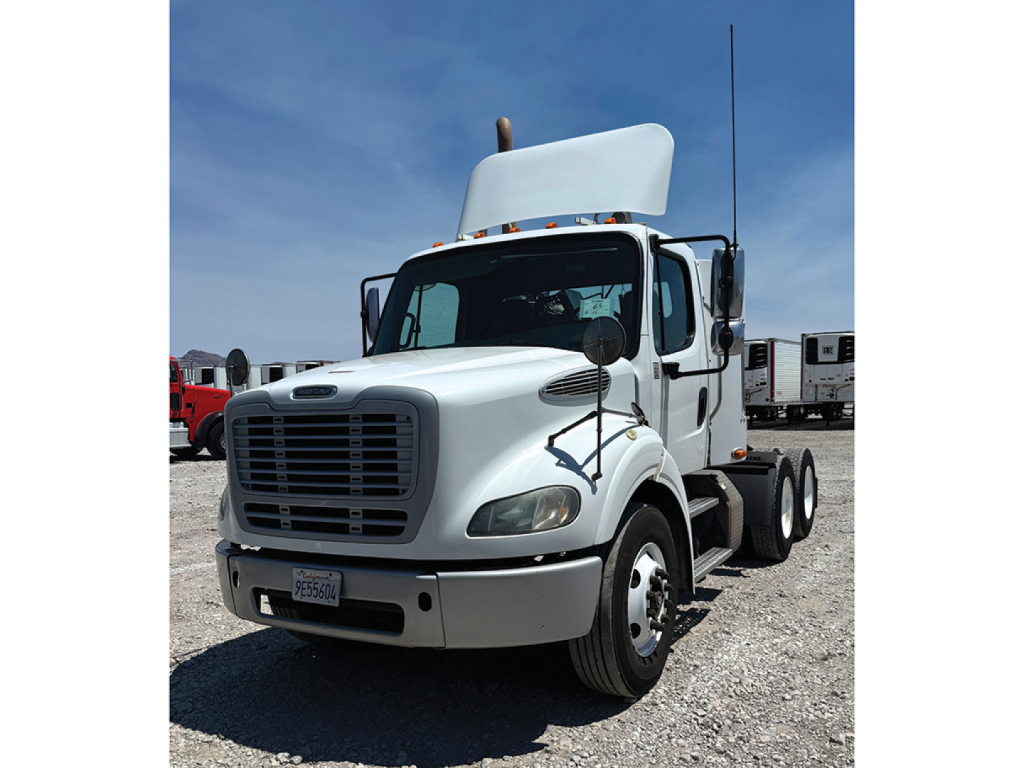
2013 Freightliner M2 112
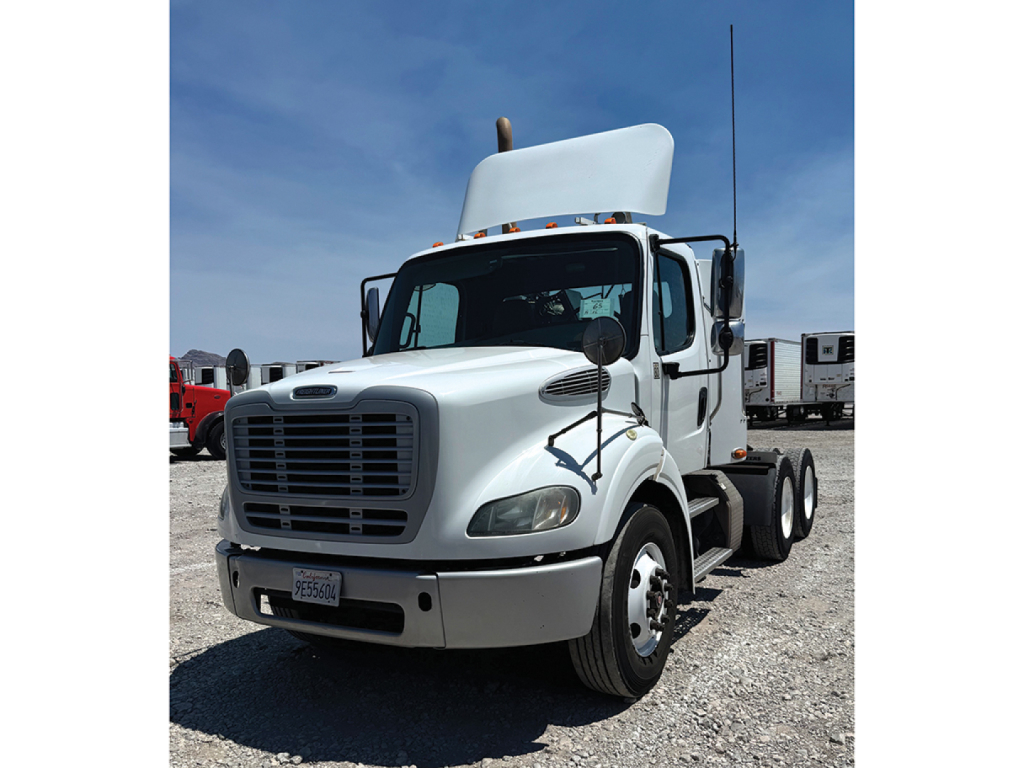
2013 Freightliner M2 112
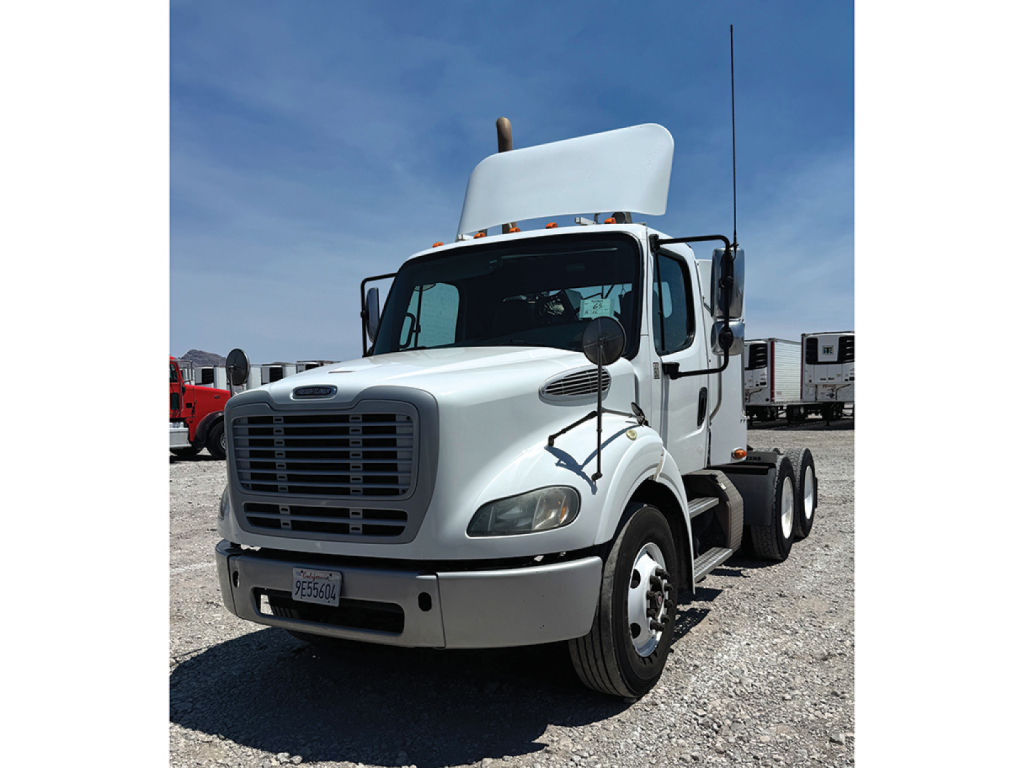
2013 Freightliner M2 112
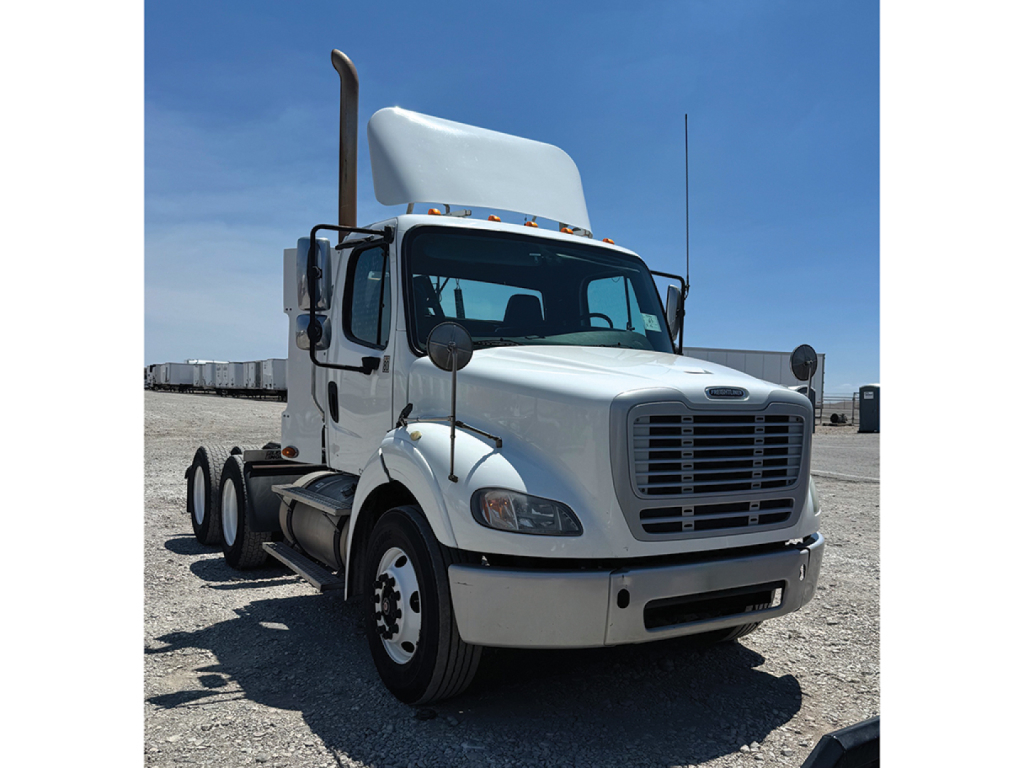
2012 Freightliner M2 112
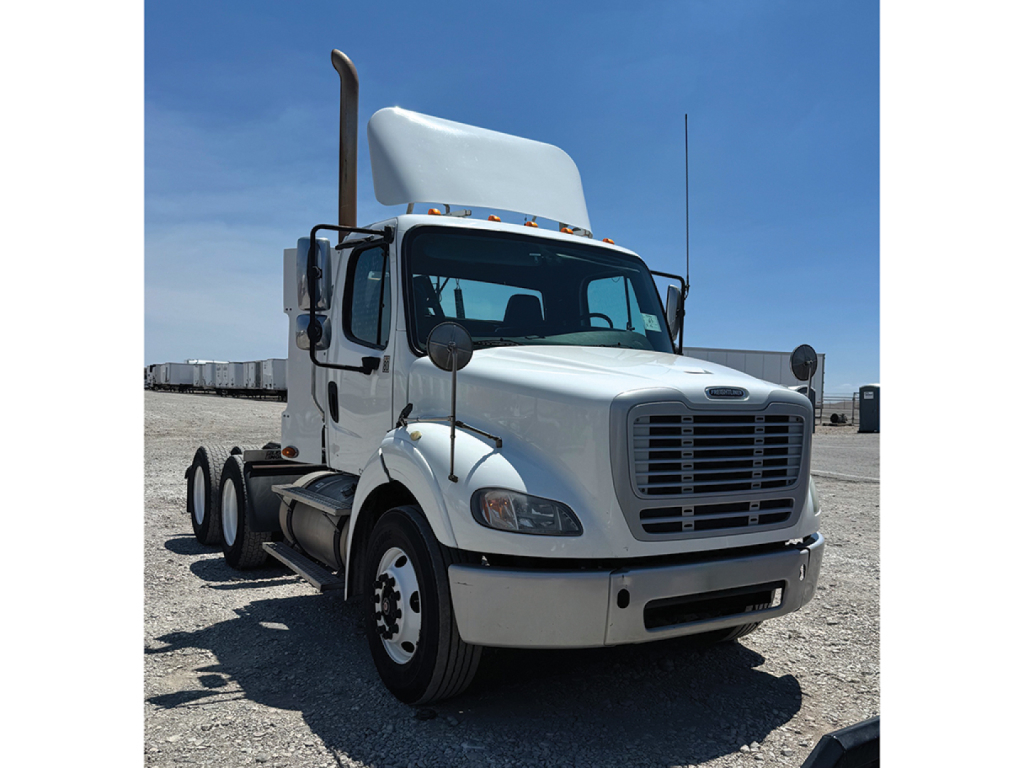
2012 Freightliner M2 112
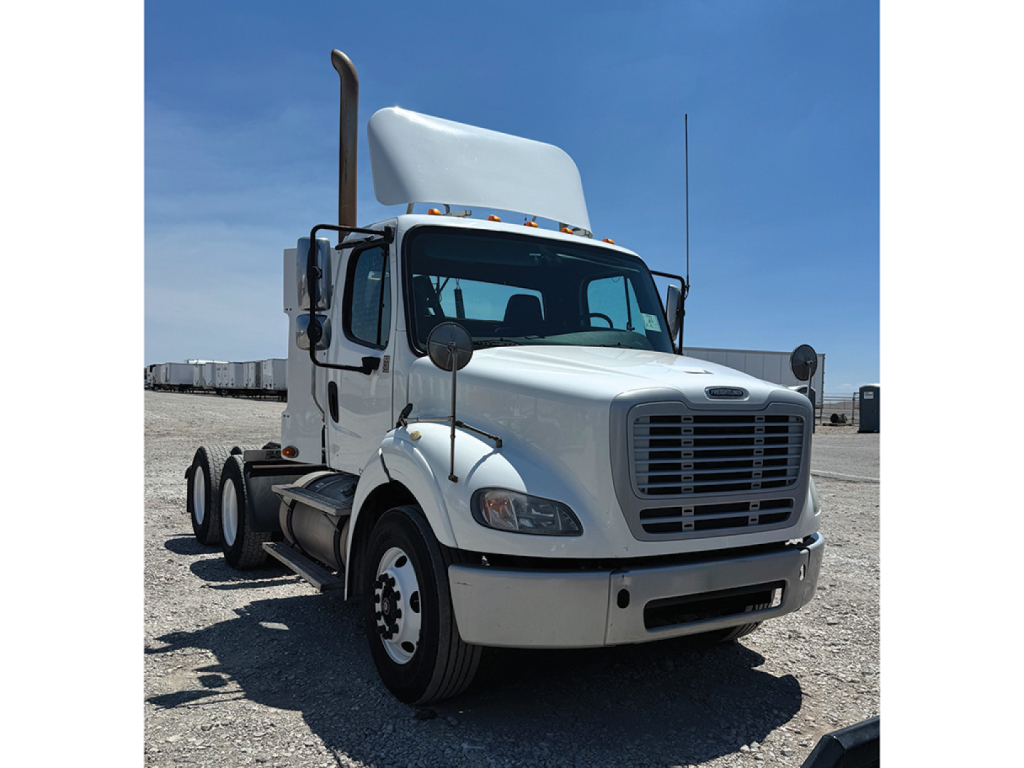
2012 Freightliner M2 112
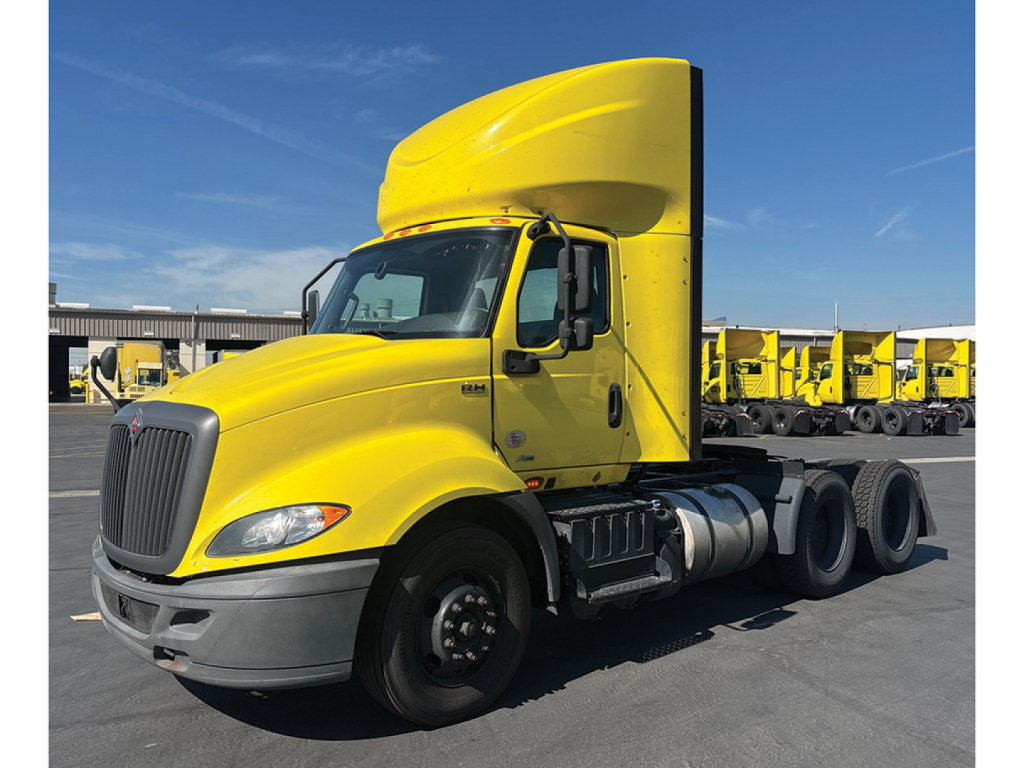
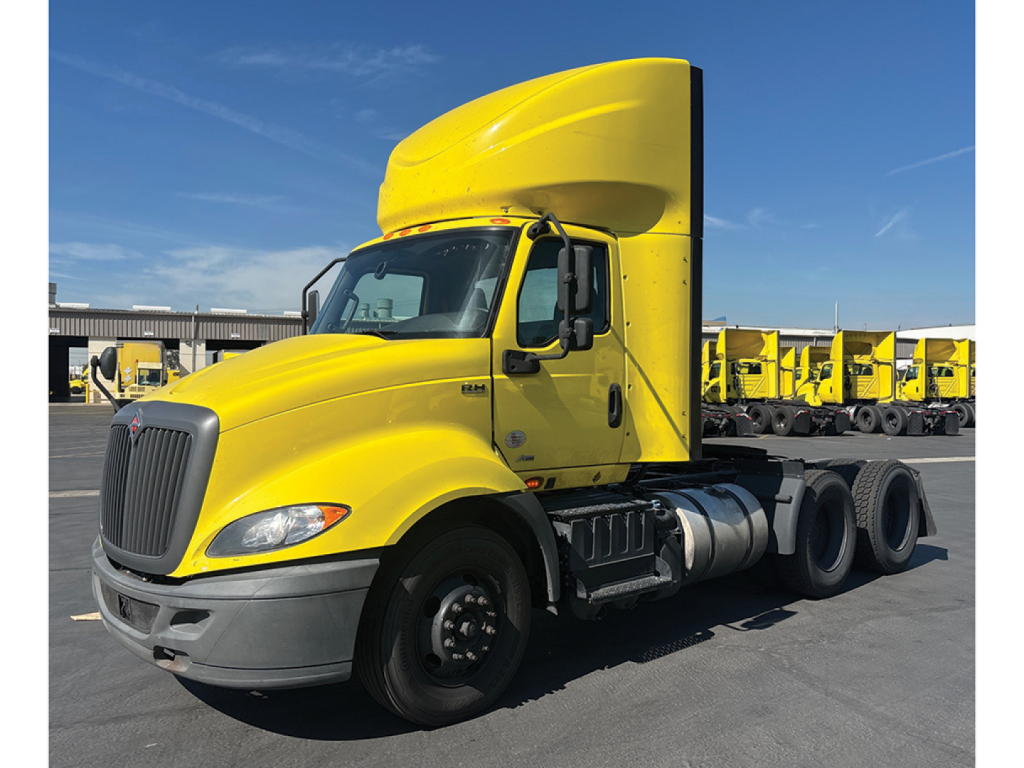
Showing 49 to 72 of 125 results
Have truck to sell? List it here to reach thousands of buyers.
Trucks Near Las Vegas, Nevada
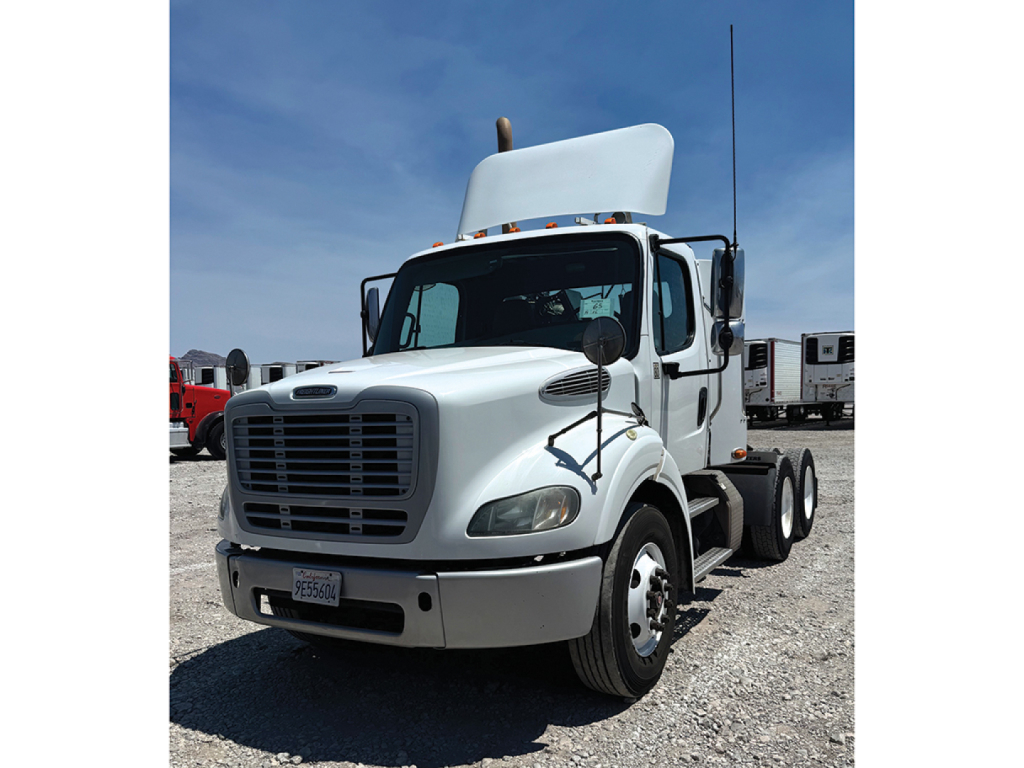
For local and regional work, conventional day cab trucks are common because they are easier to maneuver, lighter than sleeper tractors, and well-suited for short-haul runs, port work, construction support, and dedicated route service. Typical specs in this class include diesel engines in the 300 to 450 horsepower range, manual or automatic transmissions, single or tandem rear axles, and rear axle ratings from medium-duty setups up to 40,000-pound tandems. Wheelbase matters more than many buyers expect. A shorter wheelbase helps with tight urban turns and dock access, while a longer wheelbase can improve ride quality and body fitment on straight trucks. Buyers comparing tractors should also look closely at suspension type, axle ratio, stationary versus air-slide fifth wheel, and brake configuration such as drums or discs.
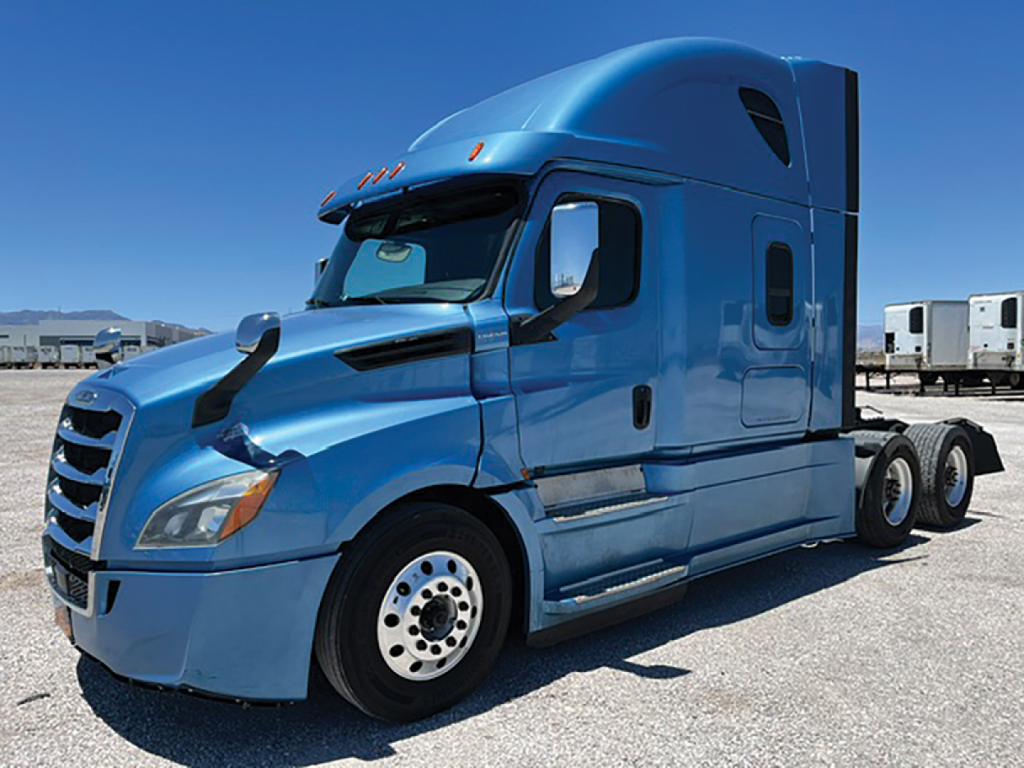
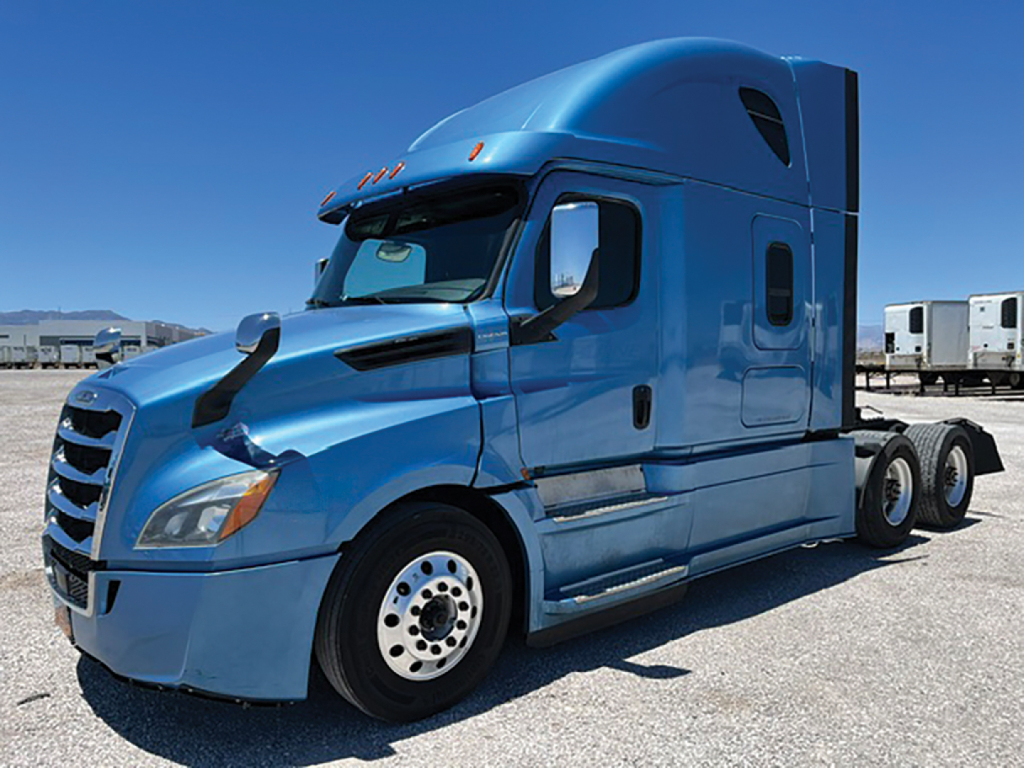
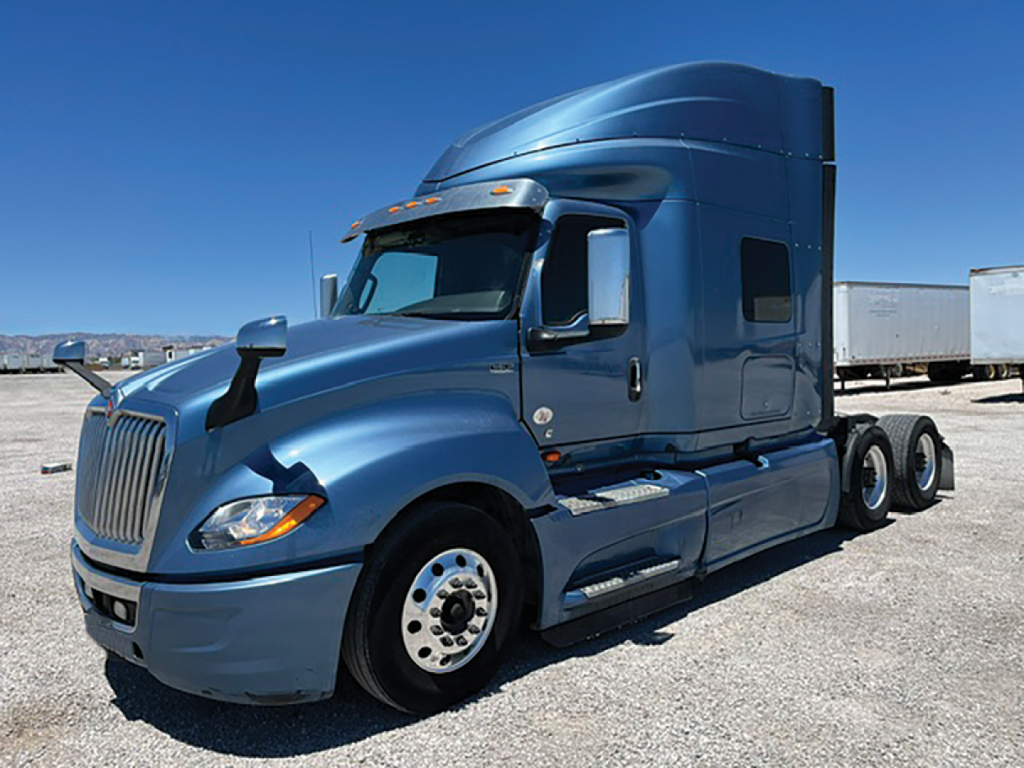
Sleeper trucks, also called sleeper tractors or over-the-road conventionals, are built for longer runs where driver comfort, fuel economy, and highway gearing have a direct impact on operating cost. Common features include raised-roof or high-roof sleepers, dual fuel tanks, aerodynamic fairings, automated manual or full automatic transmissions, and 6x4 tandem drive axles. In the current market, many late-model sleepers are spec'd with 72-inch to 76-inch sleepers, 400 to 500 horsepower engines, and tall rear axle ratios designed to keep engine rpm down at highway speed. Safety and driver-assist equipment also matter more on newer trucks, including collision mitigation systems, digital dash layouts, integrated engine brakes, and disc brakes. For fleets and owner-operators alike, those spec choices affect fuel burn, resale strength, and driver retention.
Las Vegas buyers should also factor in climate and operating environment. Desert heat puts extra value on cooling system condition, air conditioning performance, tire health, and the overall state of hoses, seals, and electrical components. Trucks working Nevada, Arizona, Utah, and Southern California often see a mix of dry highway miles, mountain grades, and urban congestion, so engine brake performance, gearing, and transmission calibration should match the terrain. A good truck spec is not just about make and model. It is about matching engine output, cab configuration, axle capacity, and chassis setup to the freight you plan to haul and the lanes you plan to run.
Frequently Asked Questions about Trucks Near Las Vegas, Nevada
What is the difference between a day cab truck and a sleeper truck?
A day cab truck has no sleeping compartment and is typically used for local or regional routes where the driver returns home daily. A sleeper truck includes an integrated bunk area for over-the-road operation and is usually spec'd with larger fuel capacity, more aerodynamic equipment, and comfort features suited to longer hauls.
How do I choose between a straight truck and a tractor?
A straight truck has the cargo body mounted directly to the chassis, which makes it a practical choice for box truck delivery, moving, service work, and other applications where the truck carries its own body. A tractor is built to pull a trailer through a fifth wheel connection, so it is the better fit for freight operations that need flexibility in trailer type, higher GCWR, and easier trailer swapping.
Why does rear axle ratio matter when buying a truck?
Rear axle ratio affects startability, cruising rpm, grade performance, and fuel economy. Lower numerical ratios such as 2.15 or 2.64 are common in highway tractors focused on fuel-efficient linehaul service, while deeper ratios such as 5.29 are more common in medium-duty or vocational applications that need stronger low-speed pulling power.
What specs should matter most on a used truck in Nevada?
Cooling system performance, air conditioning function, tire condition, brake condition, and drivetrain health are especially important in Nevada because high ambient temperatures and long highway stretches expose weak components quickly. Buyers should also pay attention to engine brake operation, transmission behavior under load, and whether the axle and wheelbase configuration matches the intended route and payload.
Are automatic transmissions common in modern trucks?
Yes. Automated and fully automatic transmissions are now common across both medium-duty and Class 8 trucks. They reduce driver fatigue, help with consistency in stop-and-go traffic, and can support fuel economy goals when paired correctly with engine programming and rear axle ratio. Manual transmissions still have a place, but they are less dominant than they were a decade ago.