
Used Isuzu Trucks For Sale in Florida
Browse used Isuzu trucks in Florida, including NPR, NPR-HD, NRR, and FTR models for box, dump, hooklift, and landscape work.
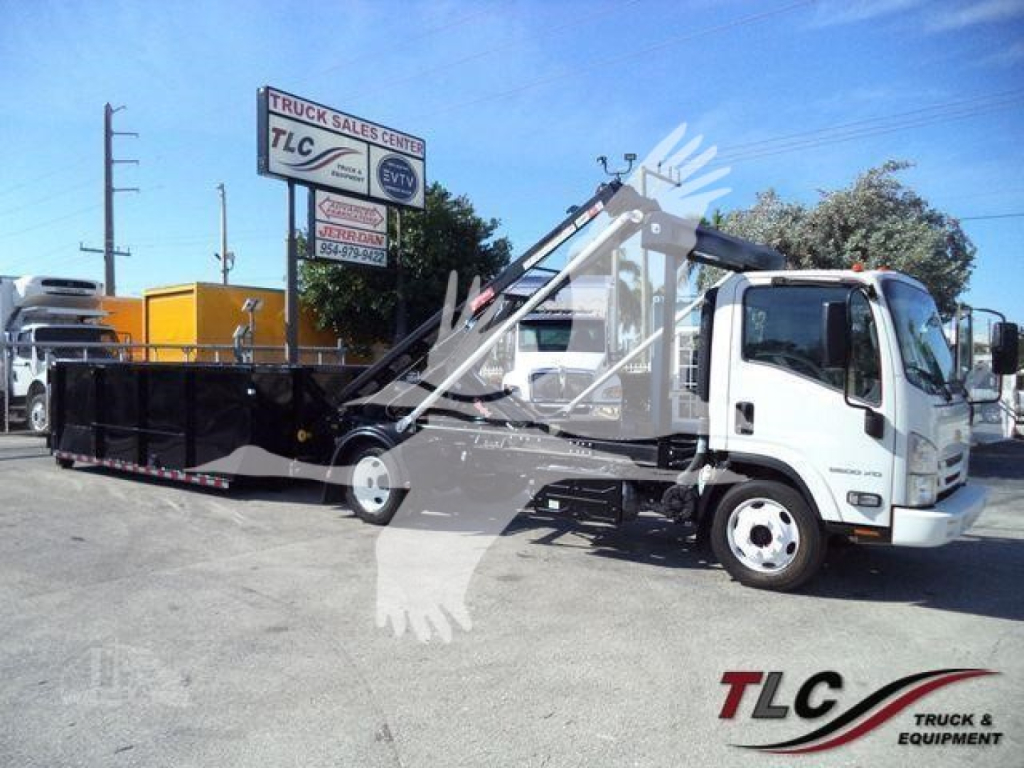
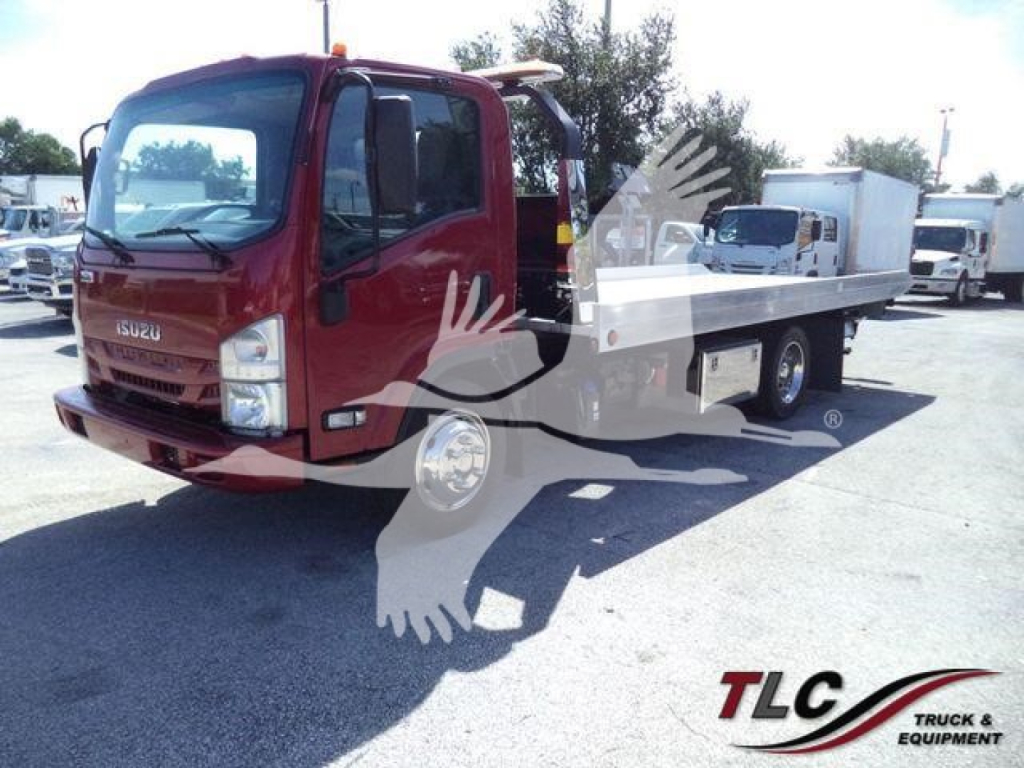
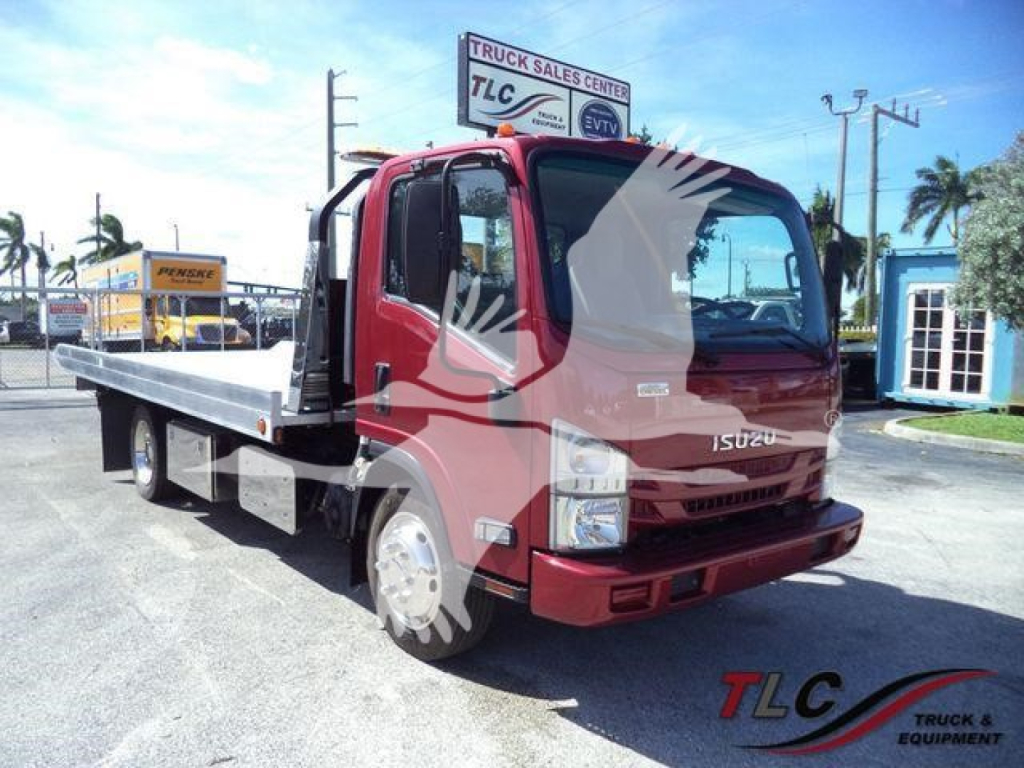
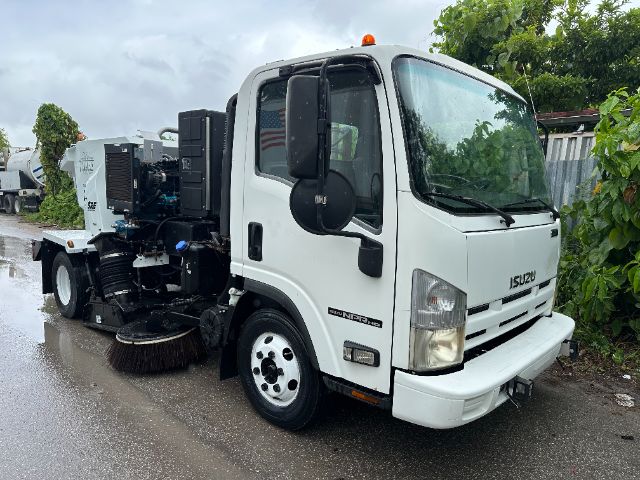
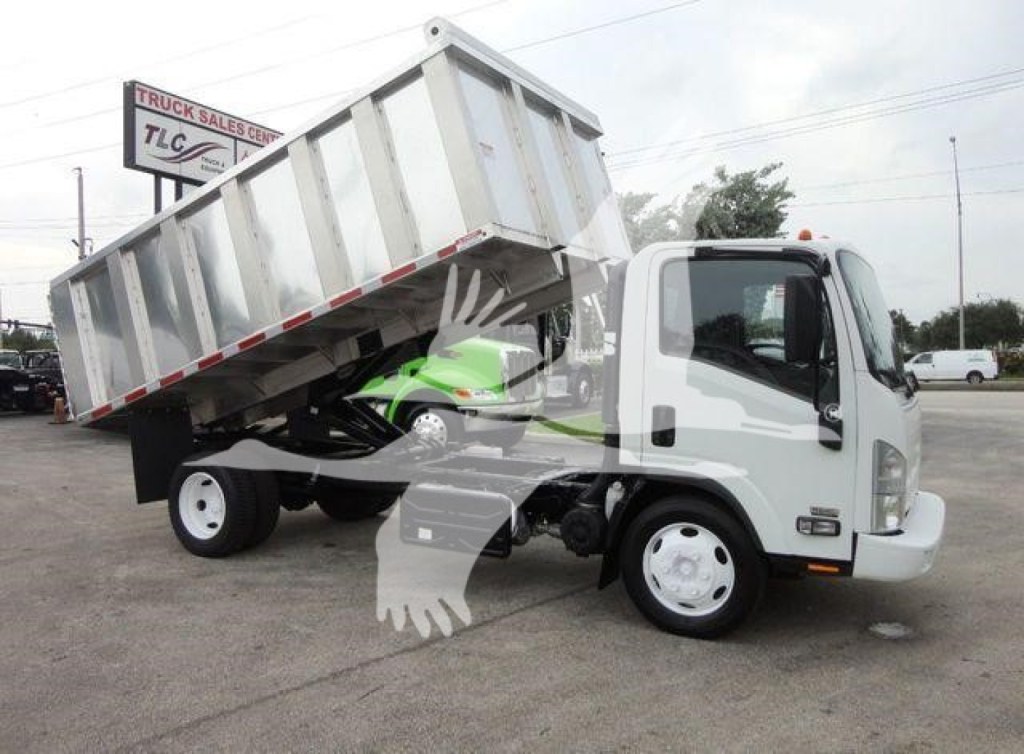
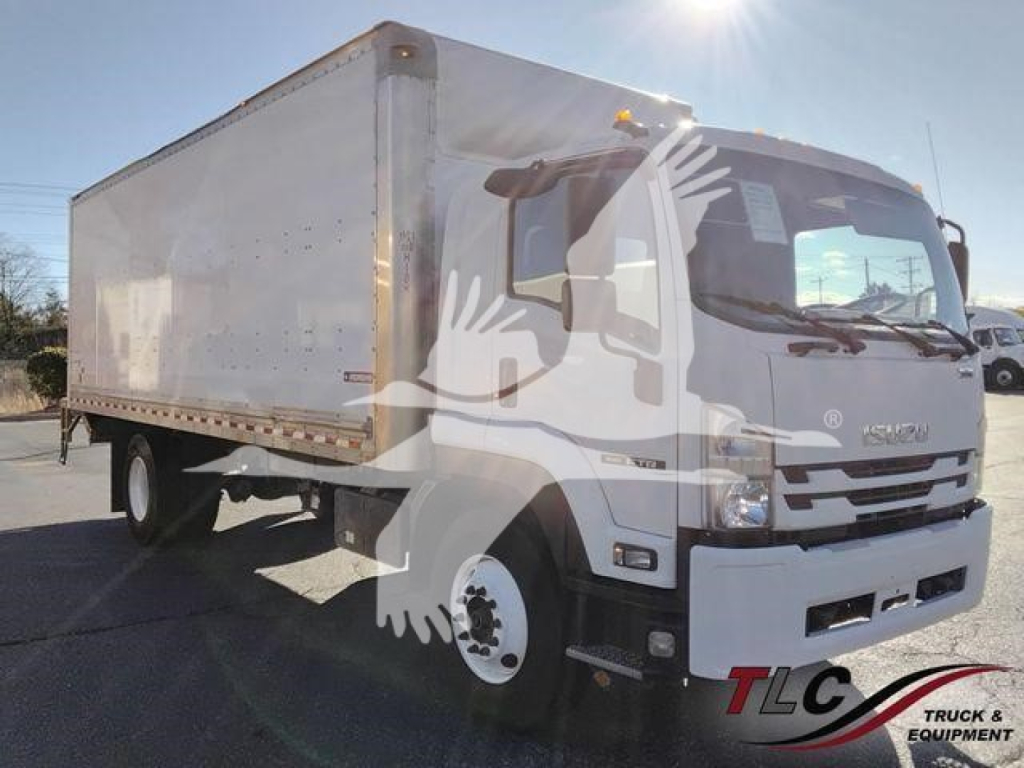
Showing 57 to 74 of 74 results
Selling a used isuzu truck? List your used isuzu truck for sale and reach thousands of commercial buyers.
Used Isuzu Trucks in Florida
The most common used Isuzu models in this class are the NPR, NPR-HD, NRR, and FTR. An NPR or NPR-HD is often configured as a 14,500-lb GVWR gas chassis for box trucks, moving bodies, reefer applications, or light hooklift service. The NRR steps up into the higher GVWR range, commonly around 19,500 lbs, and is frequently used for dump bodies, landscape bodies, and larger dry van builds. The FTR moves into Class 6 territory, often around 25,950-lb GVWR, and is a popular choice when buyers need more payload, a longer body, or a heavier PTO-driven application. On used units, buyers should compare engine and transmission combinations closely. Older and current Isuzu trucks may show diesel 4-cylinder powerplants such as the 5.2L 4HK1TC paired with an Allison automatic, while many NPR-HD gas units use GM-based V8 engines with automatic transmissions.
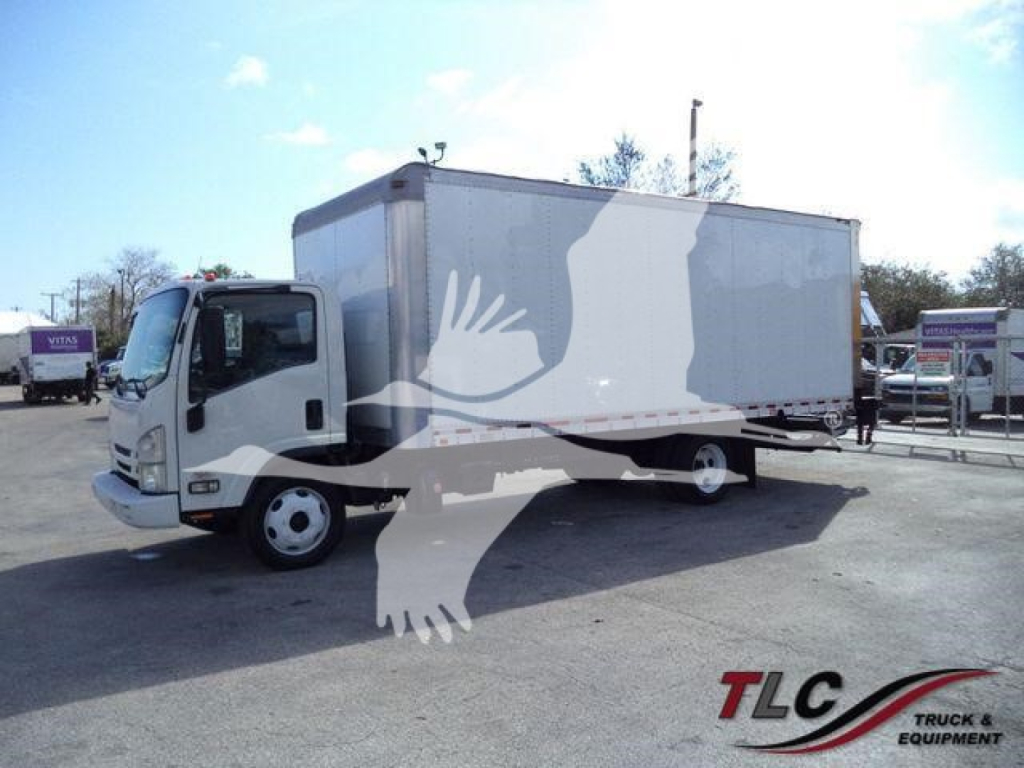
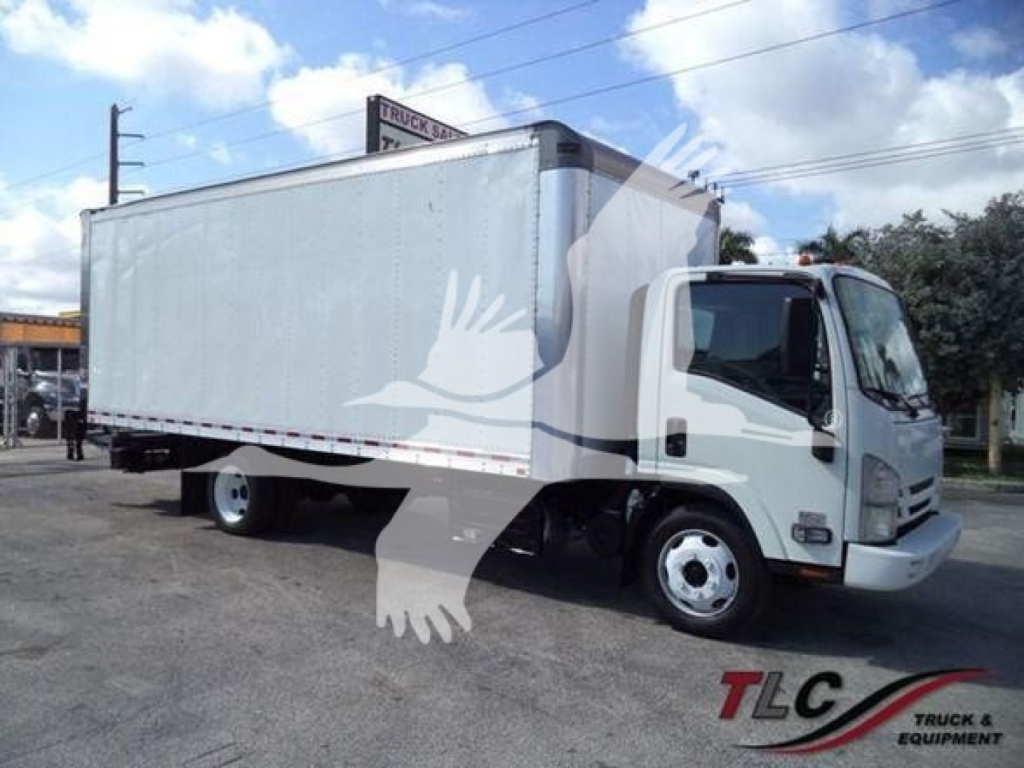
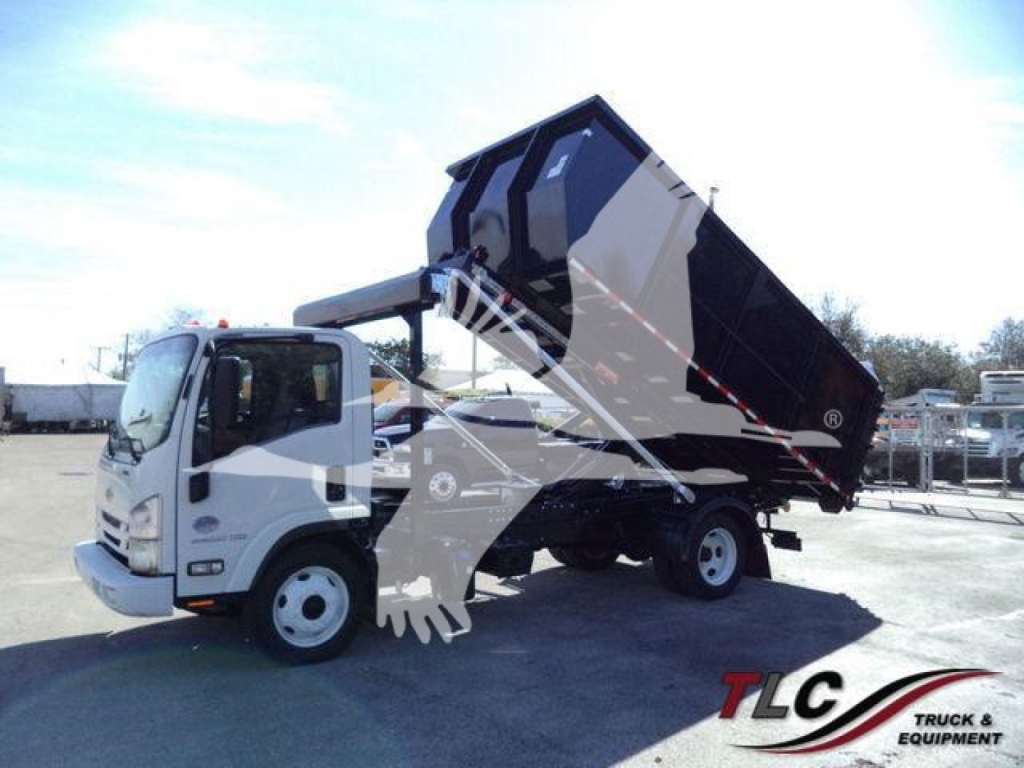
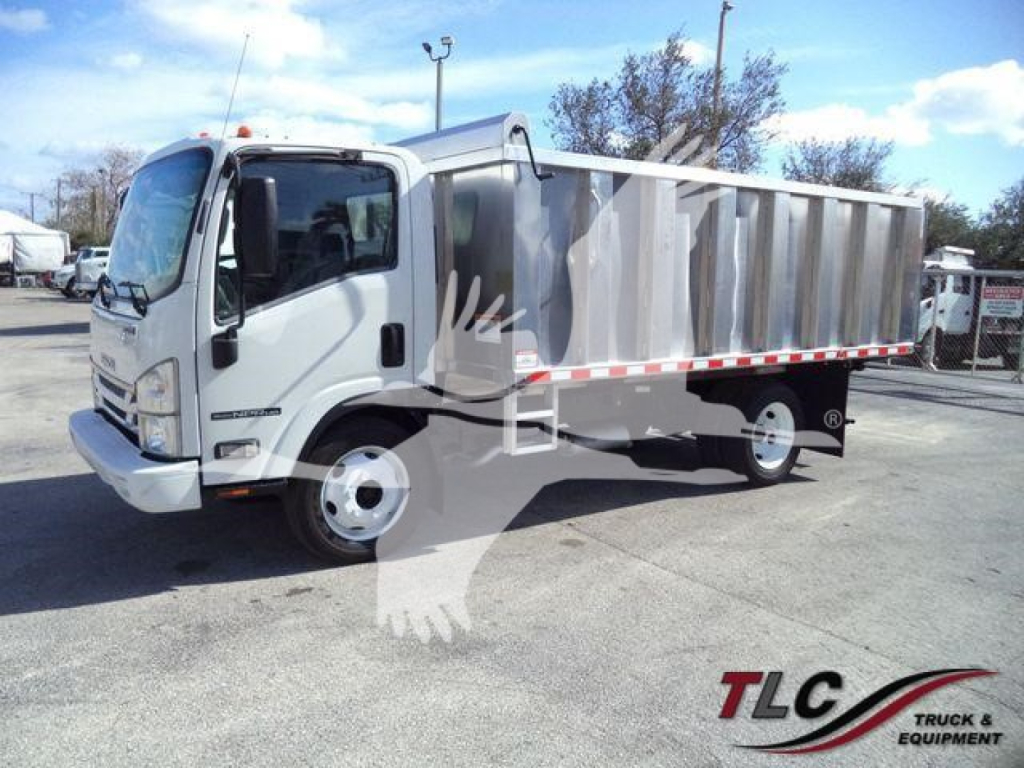
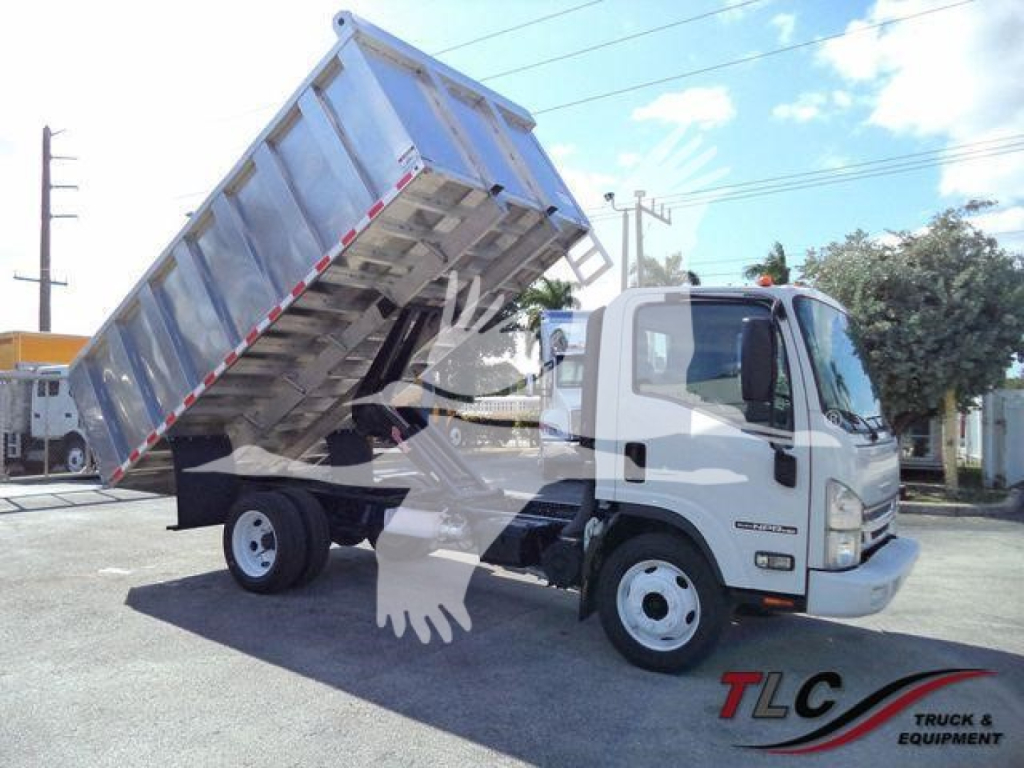
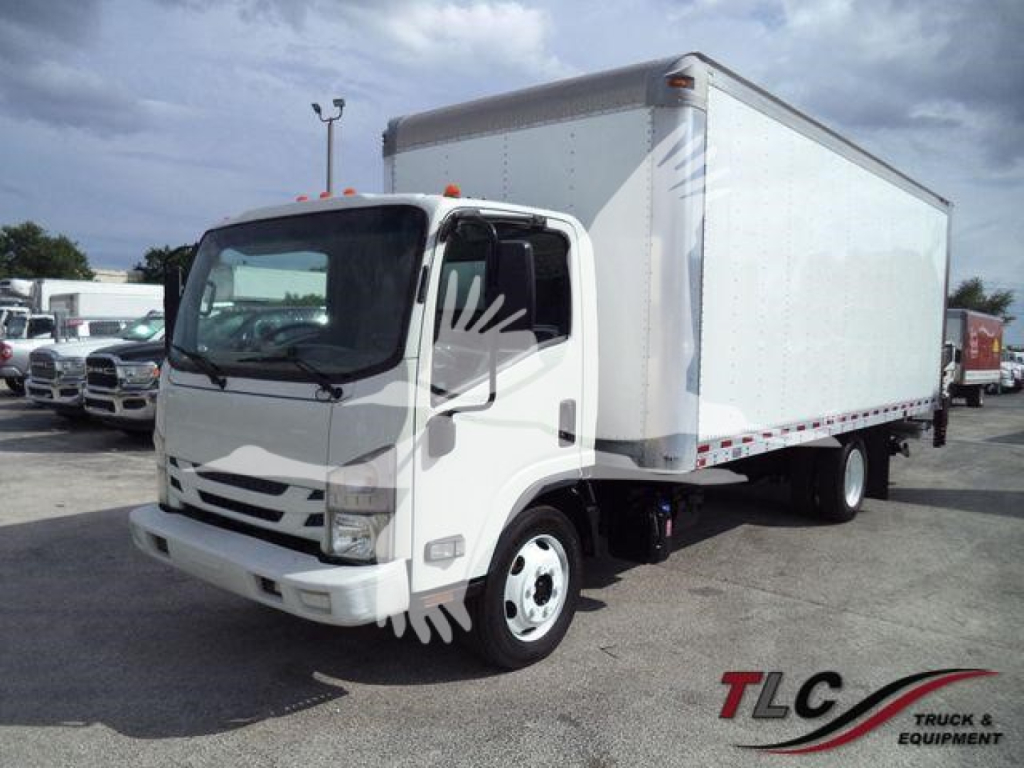
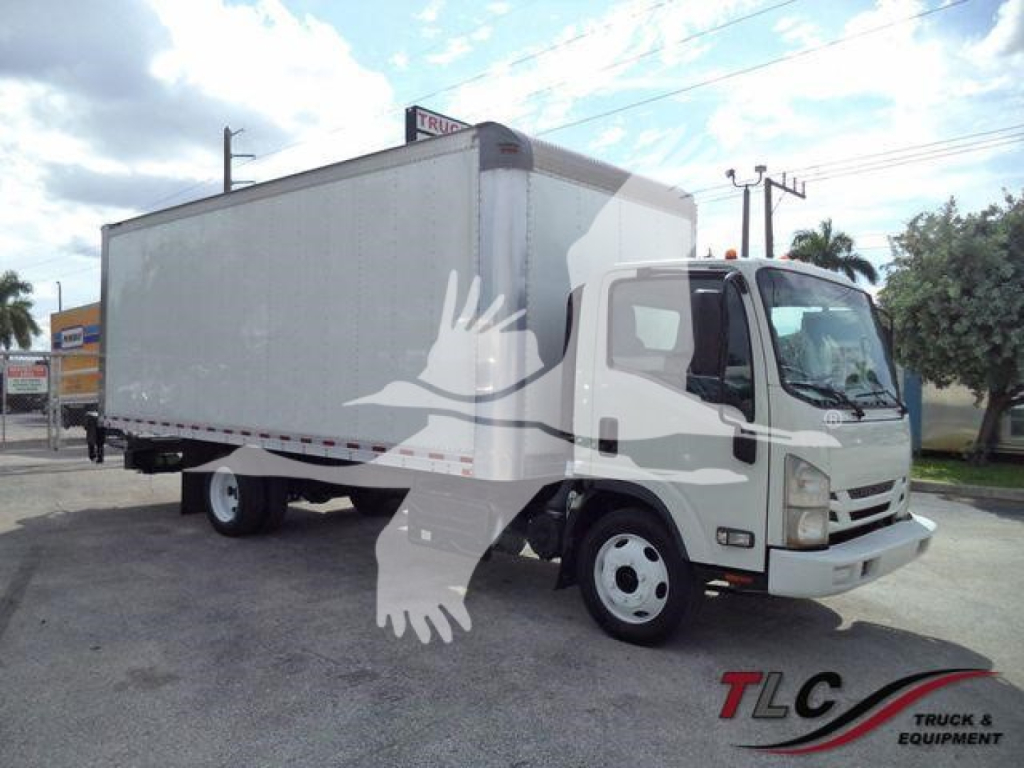
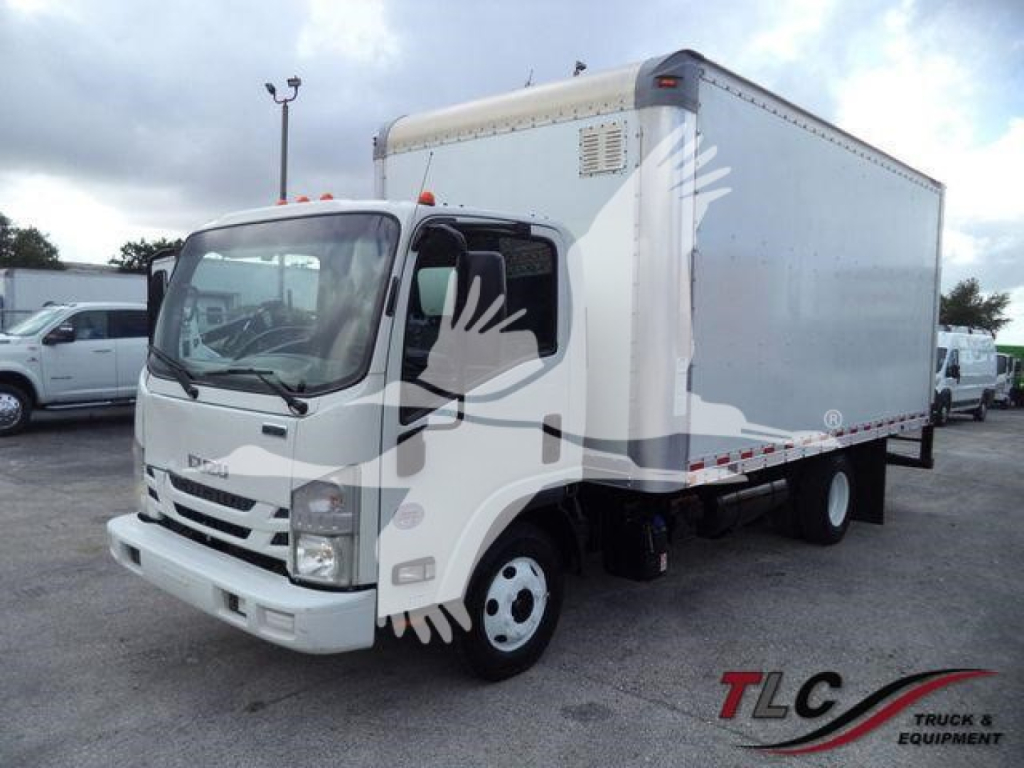
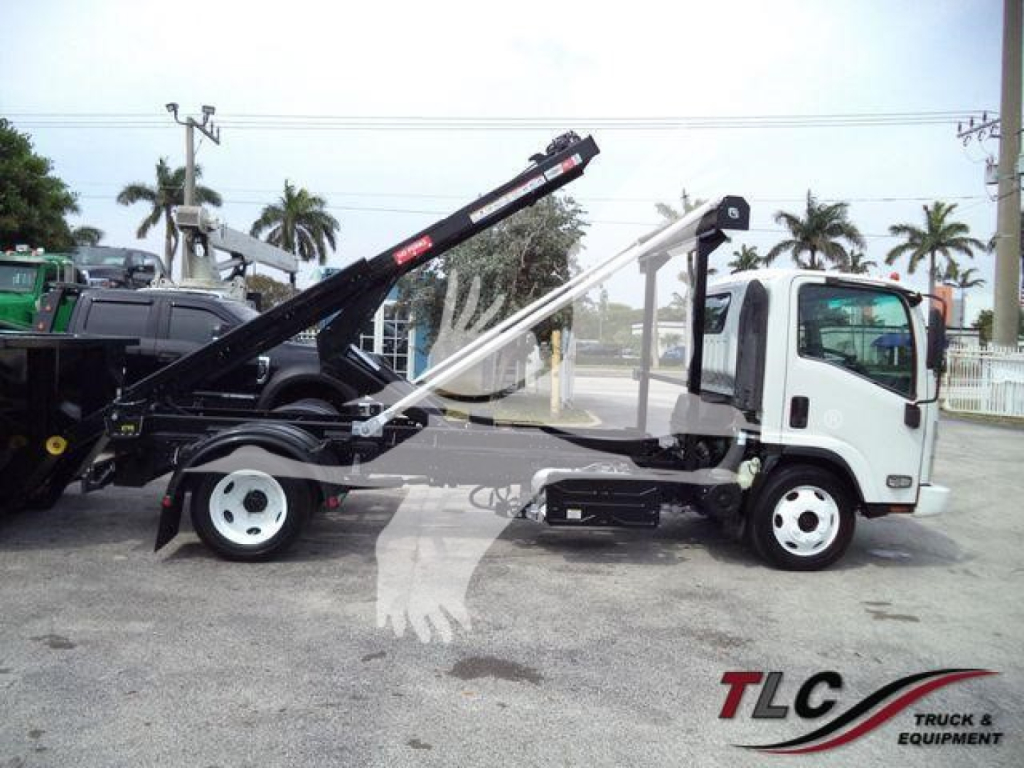
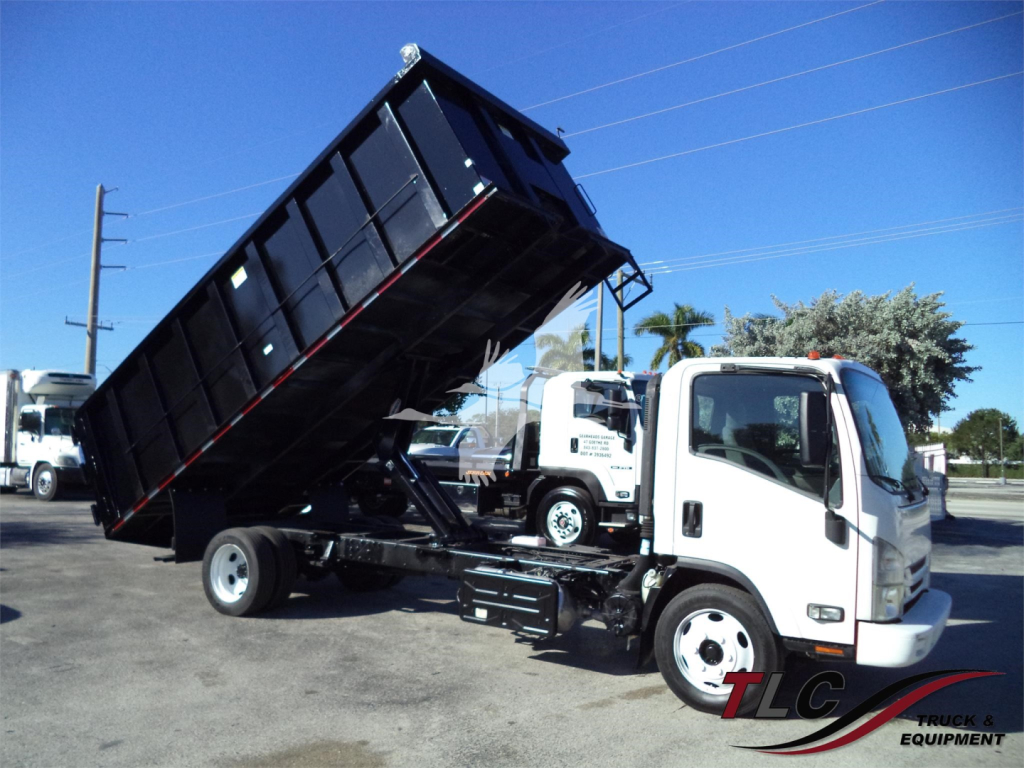
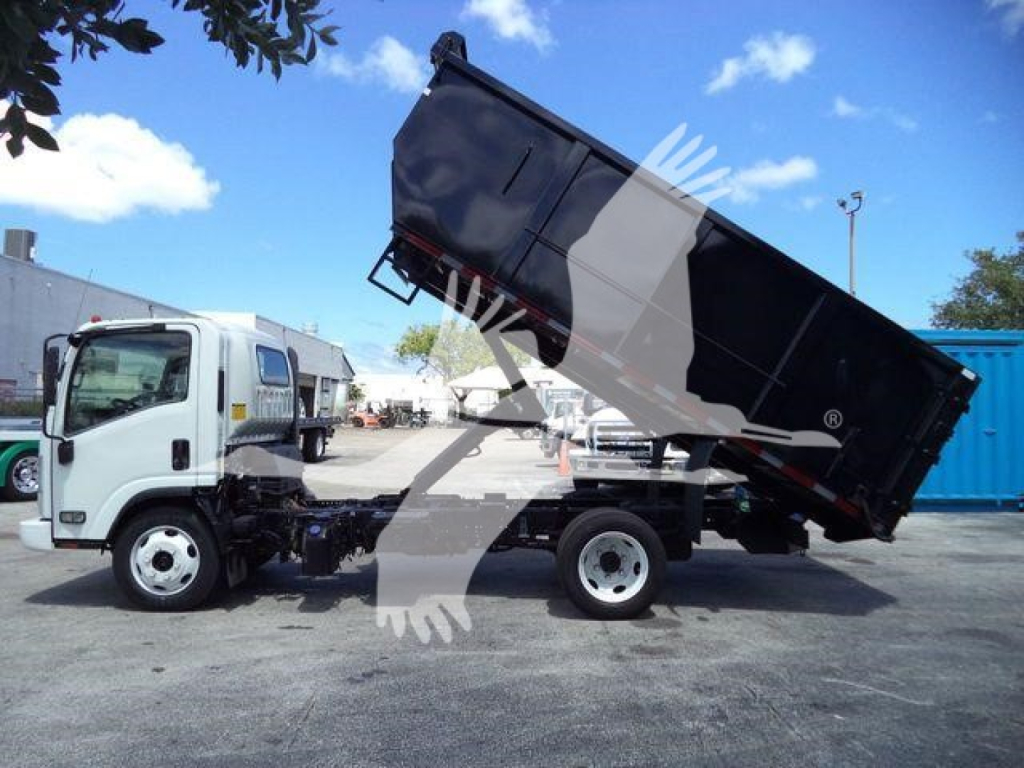
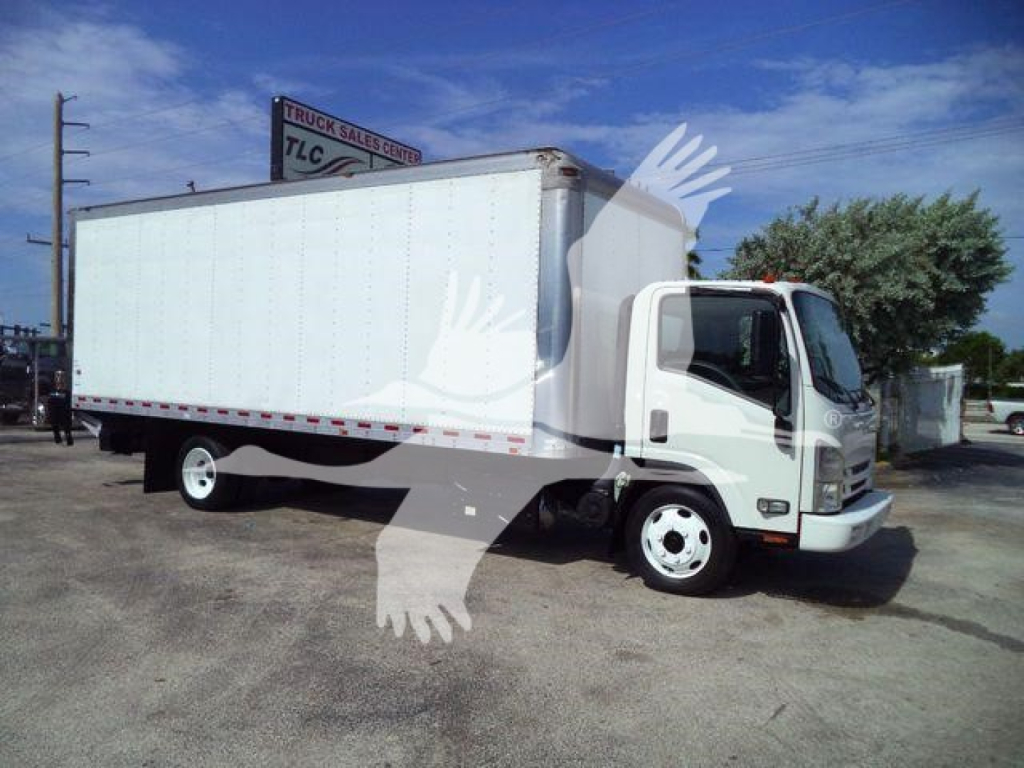
Body spec matters as much as chassis spec on a used Isuzu truck. Box trucks often appear with 16-foot cargo bodies, roll-up doors, E-track, and tuck-under liftgates for furniture, appliances, and route delivery. Landscape and trash dump configurations may have high side walls, barn doors, manual tarps, PTO hoists, and aluminum or steel construction depending on weight and duty cycle. Hooklift versions can be especially versatile because one chassis can swap between dump containers, flatbeds, and debris boxes. For Florida work, corrosion condition, hydraulic system health, and A/C performance deserve extra attention. A truck that lives in heat, rain, and coastal humidity needs careful inspection of frame condition, cab mounts, wiring, liftgate operation, and body hardware.
When comparing used Isuzu trucks for sale, focus on the complete working package rather than badge alone. Check wheelbase against intended body length, verify actual GVWR and payload capacity, and confirm whether the truck has the PTO, hitching, liftgate, or container handling setup your operation requires. Review service records for injector, emissions, cooling system, and transmission maintenance on diesel units, and look at engine-hour style wear from stop-and-go use on gas delivery trucks. Isuzu trucks have long been favored for local and regional commercial work because parts support is broad, driver familiarity is high, and the chassis accepts a wide range of vocational bodies from dry freight to dump, chipper, and roll-off applications.
Frequently Asked Questions about Used Isuzu Trucks in Florida
What are the most common used Isuzu truck models for commercial work?
The most common used Isuzu truck models are the NPR, NPR-HD, NRR, and FTR. The NPR and NPR-HD are widely used for box trucks, delivery bodies, and lighter vocational upfits. The NRR is a common step-up choice for dump and landscape applications with more GVWR capacity. The FTR is typically selected when a buyer needs Class 6 capacity, a larger body, or heavier-duty PTO and payload capability.
Are used Isuzu trucks better suited for city routes than conventional cab trucks?
In many applications, yes. Isuzu cab-over trucks are popular for city and suburban work because they offer a tight turning radius, strong forward visibility, and more body space on a shorter overall length. That makes them easier to position in alleys, parking lots, loading zones, and residential streets. They are especially common in route delivery, moving, landscaping, and service fleet use where maneuverability directly affects productivity.
What should I inspect first on a used Isuzu box truck or dump truck?
Start with the GVWR, wheelbase, and body specifications to make sure the truck actually matches the intended job. After that, inspect the condition of the body, hoist, liftgate, roll-up door, PTO equipment, and hydraulic components. On the chassis side, review maintenance history, transmission operation, cooling system condition, brake wear, tire condition, and any signs of rust or corrosion on the frame and body mounts. In Florida, A/C performance and moisture-related electrical issues should also be checked carefully.
Do used Isuzu trucks come with gas and diesel engine options?
Yes. Used Isuzu trucks can be found with both gas and diesel power depending on model year and chassis series. Many NPR-HD trucks are equipped with GM-based V8 gasoline engines, while NRR and FTR models are often found with Isuzu diesel engines such as the 4HK1 series. Gas trucks can be attractive for simpler local delivery use and lower upfront cost, while diesel trucks are often preferred for higher payloads, PTO applications, and longer service life in heavier duty cycles.
What jobs are used Isuzu trucks commonly built for?
Used Isuzu trucks are commonly configured for box truck delivery, moving service, dry freight, refrigerated service, dump work, landscape hauling, chipper bodies, hooklift service, and trash or debris handling. Their chassis design supports a wide range of upfits, which is one reason they remain a standard choice in commercial fleets. The right truck depends on body length, GVWR, axle rating, and whether the application needs a liftgate, PTO, tarp system, hitch, or interchangeable body system.