
Used 2019 Isuzu Trucks For Sale
Used 2019 Isuzu trucks, N-Series and FTR, with durable bodies, strong floors, low tare weight, and corrosion-minded design for payload and uptime.
Learn moreTop Categories
By State
19 Listings
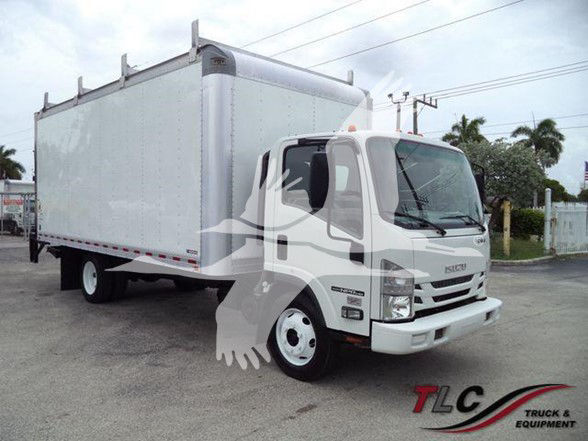
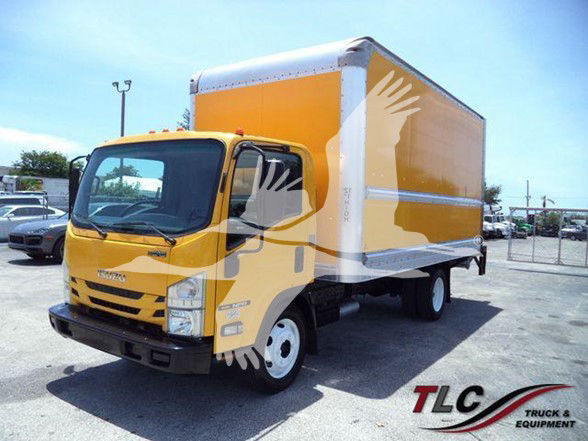
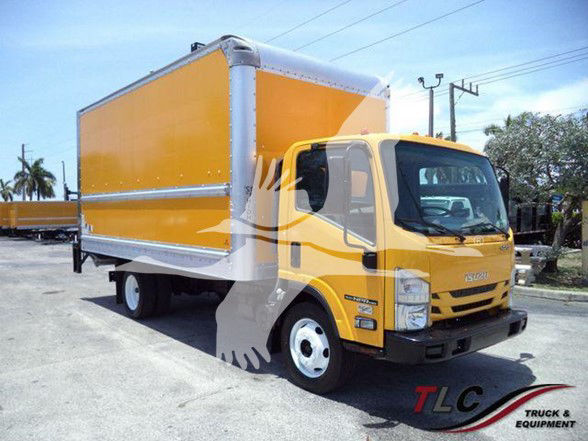
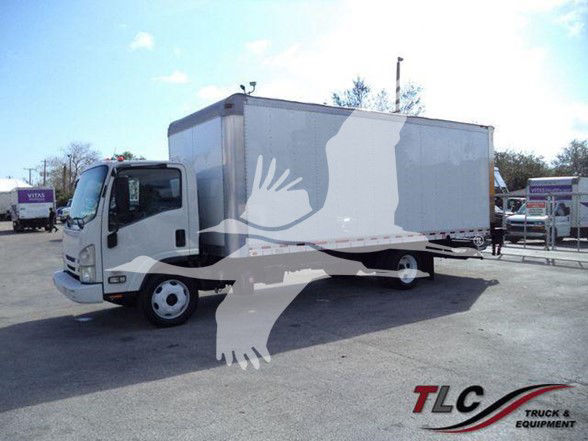
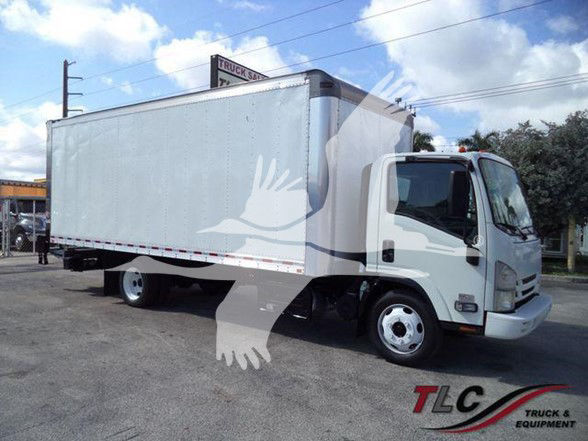
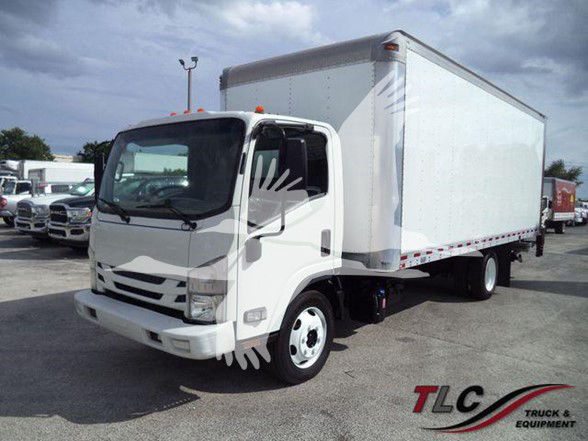
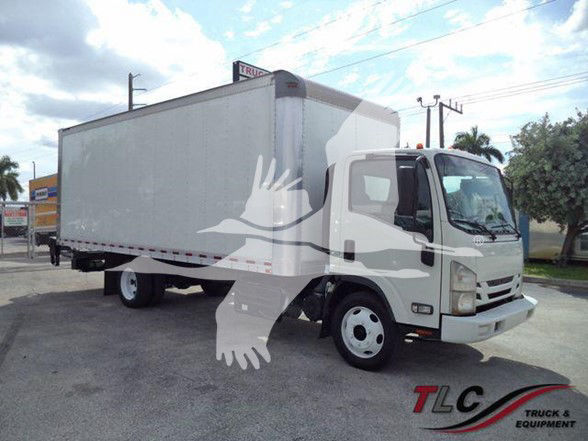
Showing 13 to 19 of 19 results
Have used 2019 isuzu truck to sell? List it here to reach thousands of buyers.
About Used 2019 Isuzu Trucks
Used 2019 Isuzu trucks, including NPR, NQR, NRR, and FTR, deliver tight turning, clear sightlines, and efficient packaging due to the low cab forward layout. GVWR coverage spans roughly 12,000 to 25,950 pounds with wheelbases to accept 12 to 26 foot bodies, so matching payload and route constraints is straightforward. The cabover design trims overall length for a given body, which helps curb weight and payload, and improves maneuverability at docks and in dense urban corridors.
Body construction is central to durability and payload. Dry van and reefer configurations often use hardwood or aluminum plank floors over steel crossmembers at about 12 to 16 inch spacing; fork rated floors and rear threshold protection prevent racking and soft spots. Aluminum scuff liners at 12 to 24 inches and logistics posts preserve wall integrity and give flexible tie down points. For refrigerated bodies, thermal integrity comes from foam in place insulation with sealed seams, tight rear door gaskets, thermal breaks at sills, and an intact drain channel; composite panels can lower tare weight but dent more easily, FRP sidewalls add impact resistance but increase weight. Stainless rear frames and galvanized hardware resist corrosion in spray zones and at the rear sill.
Powertrains in 2019 commonly include the 5.2L 4HK1 TC diesel paired with an Aisin 6 speed automatic in N Series, the Class 6 FTR generally uses an Allison automatic, and select N Series models carry a 6.0L gasoline V8. Diesel provides strong low speed torque and PTO friendliness for liftgates or hydraulics, but relies on DPF and DEF systems that need proper regen and periodic service. Gasoline trims acquisition cost and aftertreatment complexity, fuel consumption and available torque are higher and lower respectively. Verify axle ratio for your duty cycle, deeper gears suit stop and go, taller gears reduce highway rpm. N Series typically run hydraulic brakes, FTR uses air brakes; tire size and brake spec affect stopping distance, service intervals, and parts cost.
Corrosion resistance and tare weight drive lifecycle economics. Isuzu cabs use robust anti corrosion coatings, inspect frame rails, spring hangers, crossmembers, and the section behind the rear wheels for scale or pitting. On van bodies, check for floor deflection near the rear threshold, fastener pull through, and galvanic corrosion where aluminum meets steel. For reefers, confirm rapid pull down, door seal compression, and dry insulation, trapped moisture compromises R value and adds weight. Match body length to wheelbase and cab to axle, confirm dock height, liftgate capacity, rear overhang, and turning radius fit the route and customer sites. A documented service history on injectors, turbo, and DPF, straight alignment with even tire wear, and tight steering gear are strong indicators of a solid 2019 Isuzu that will carry payload efficiently while resisting rust and thermal loss.
Body construction is central to durability and payload. Dry van and reefer configurations often use hardwood or aluminum plank floors over steel crossmembers at about 12 to 16 inch spacing; fork rated floors and rear threshold protection prevent racking and soft spots. Aluminum scuff liners at 12 to 24 inches and logistics posts preserve wall integrity and give flexible tie down points. For refrigerated bodies, thermal integrity comes from foam in place insulation with sealed seams, tight rear door gaskets, thermal breaks at sills, and an intact drain channel; composite panels can lower tare weight but dent more easily, FRP sidewalls add impact resistance but increase weight. Stainless rear frames and galvanized hardware resist corrosion in spray zones and at the rear sill.
Powertrains in 2019 commonly include the 5.2L 4HK1 TC diesel paired with an Aisin 6 speed automatic in N Series, the Class 6 FTR generally uses an Allison automatic, and select N Series models carry a 6.0L gasoline V8. Diesel provides strong low speed torque and PTO friendliness for liftgates or hydraulics, but relies on DPF and DEF systems that need proper regen and periodic service. Gasoline trims acquisition cost and aftertreatment complexity, fuel consumption and available torque are higher and lower respectively. Verify axle ratio for your duty cycle, deeper gears suit stop and go, taller gears reduce highway rpm. N Series typically run hydraulic brakes, FTR uses air brakes; tire size and brake spec affect stopping distance, service intervals, and parts cost.
Corrosion resistance and tare weight drive lifecycle economics. Isuzu cabs use robust anti corrosion coatings, inspect frame rails, spring hangers, crossmembers, and the section behind the rear wheels for scale or pitting. On van bodies, check for floor deflection near the rear threshold, fastener pull through, and galvanic corrosion where aluminum meets steel. For reefers, confirm rapid pull down, door seal compression, and dry insulation, trapped moisture compromises R value and adds weight. Match body length to wheelbase and cab to axle, confirm dock height, liftgate capacity, rear overhang, and turning radius fit the route and customer sites. A documented service history on injectors, turbo, and DPF, straight alignment with even tire wear, and tight steering gear are strong indicators of a solid 2019 Isuzu that will carry payload efficiently while resisting rust and thermal loss.