
Used 2023 International Trucks For Sale
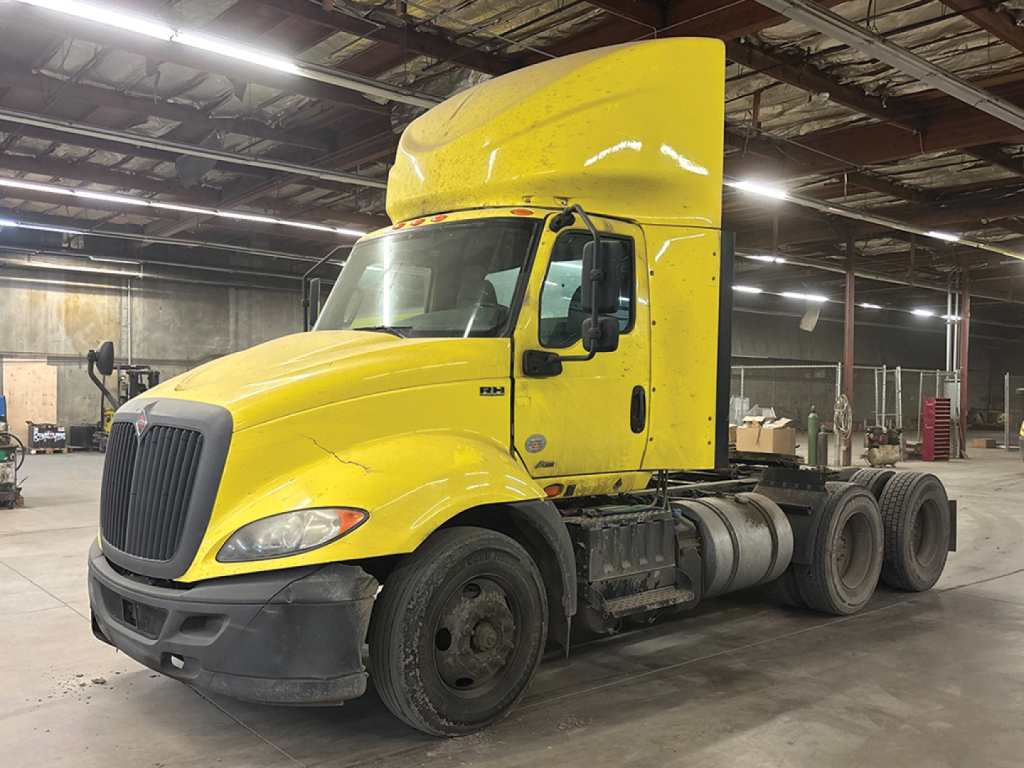
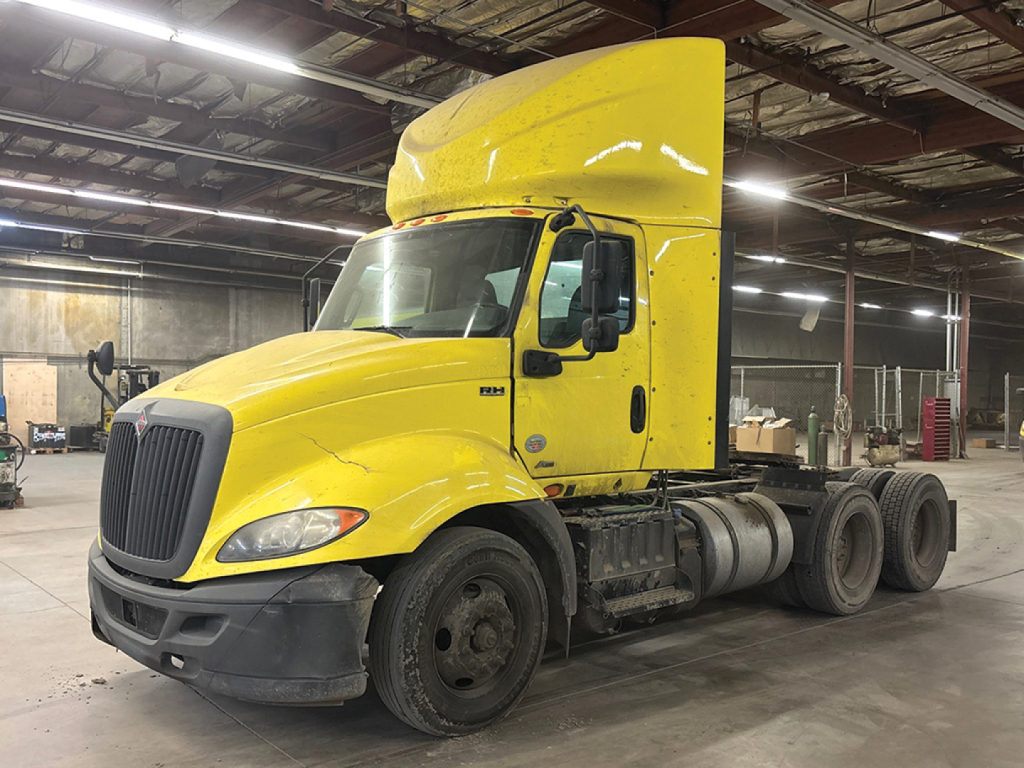
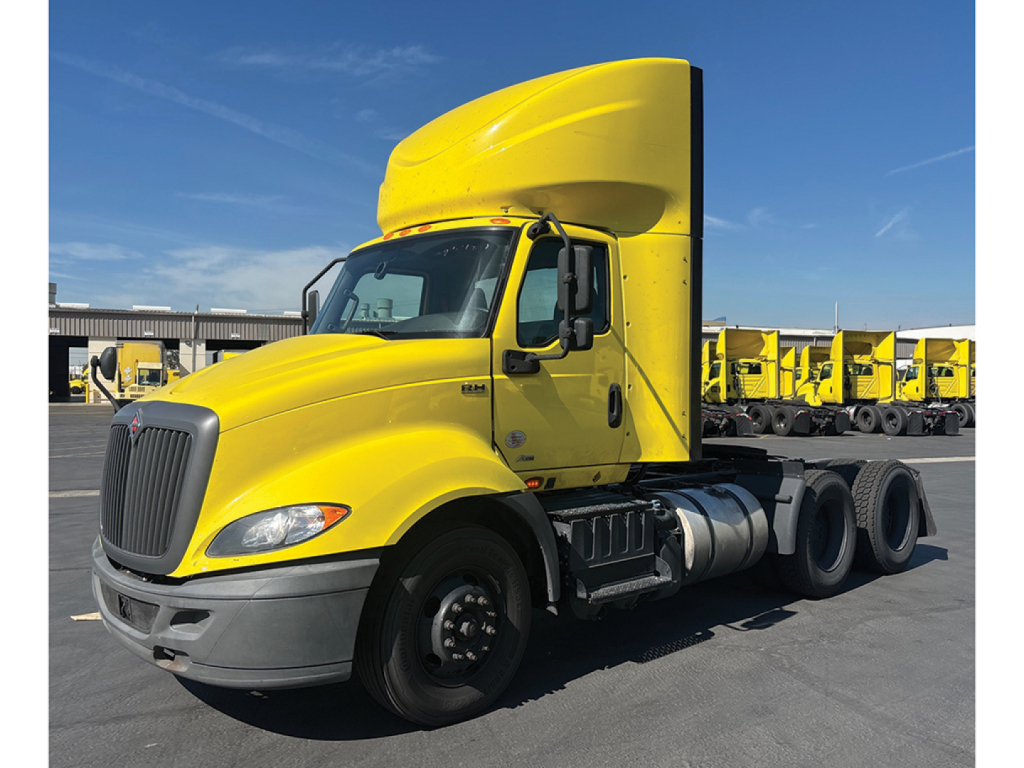
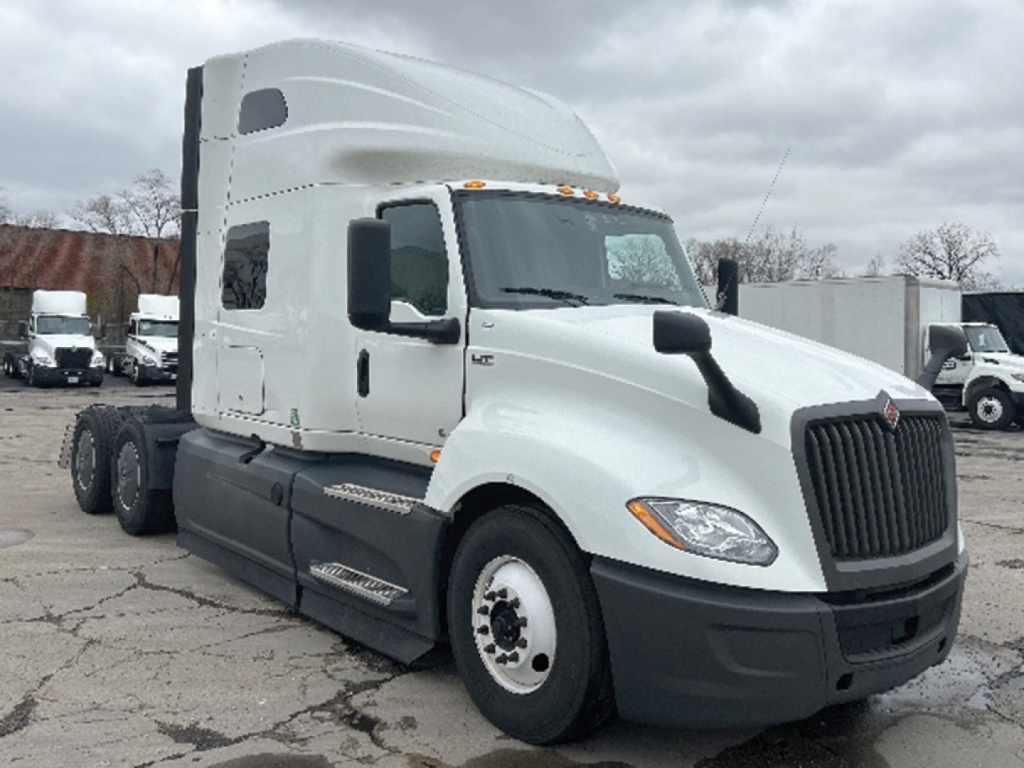
2023 International RH613
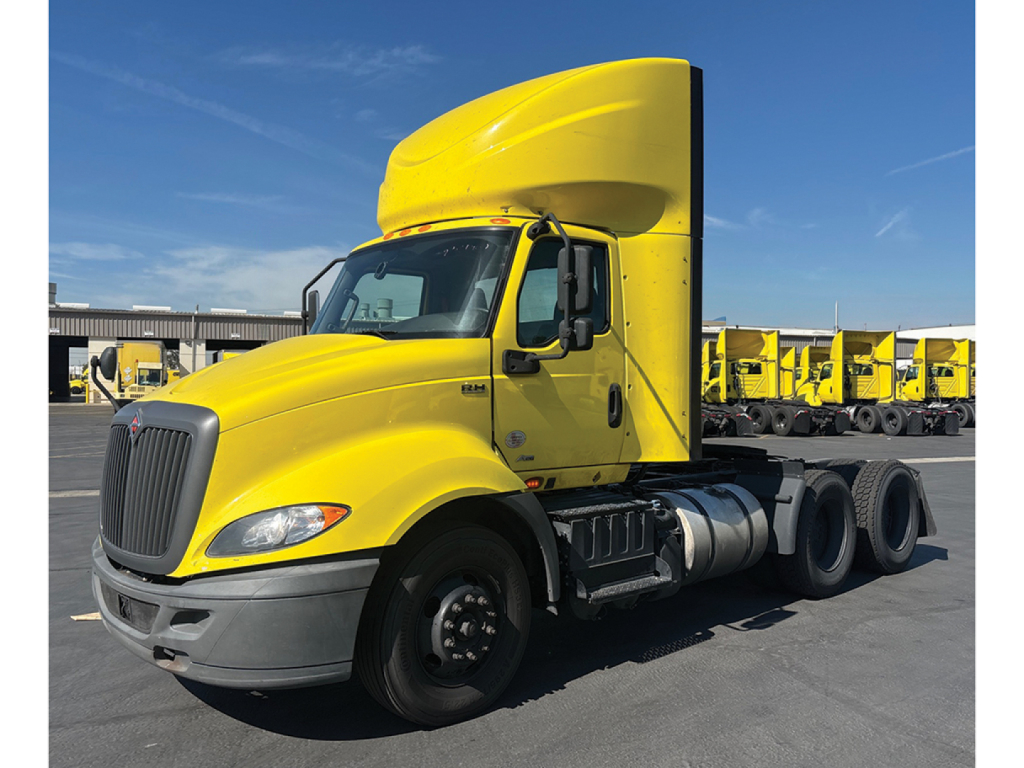
2023 International RH613
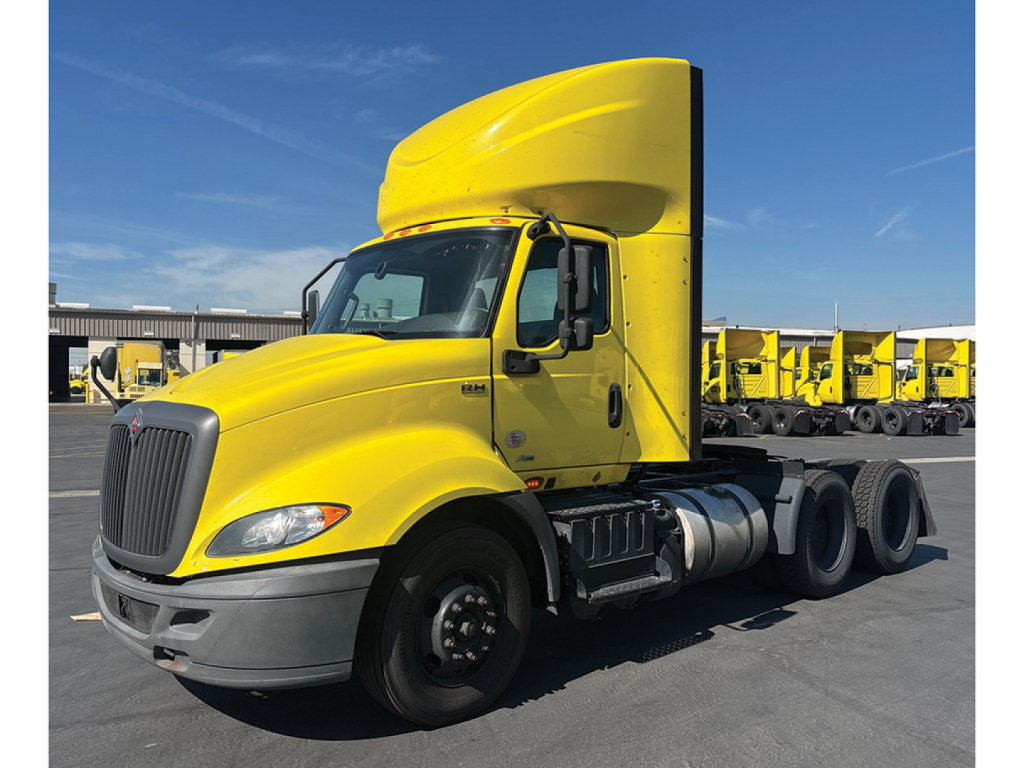
2023 International RH613
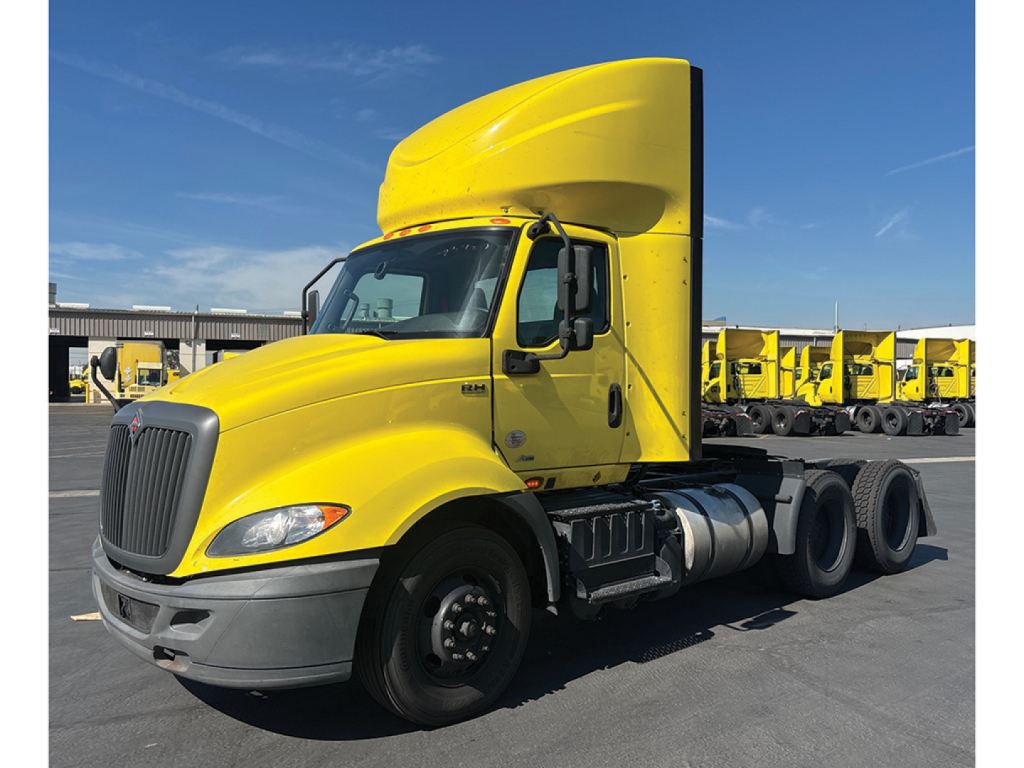
2023 International RH613
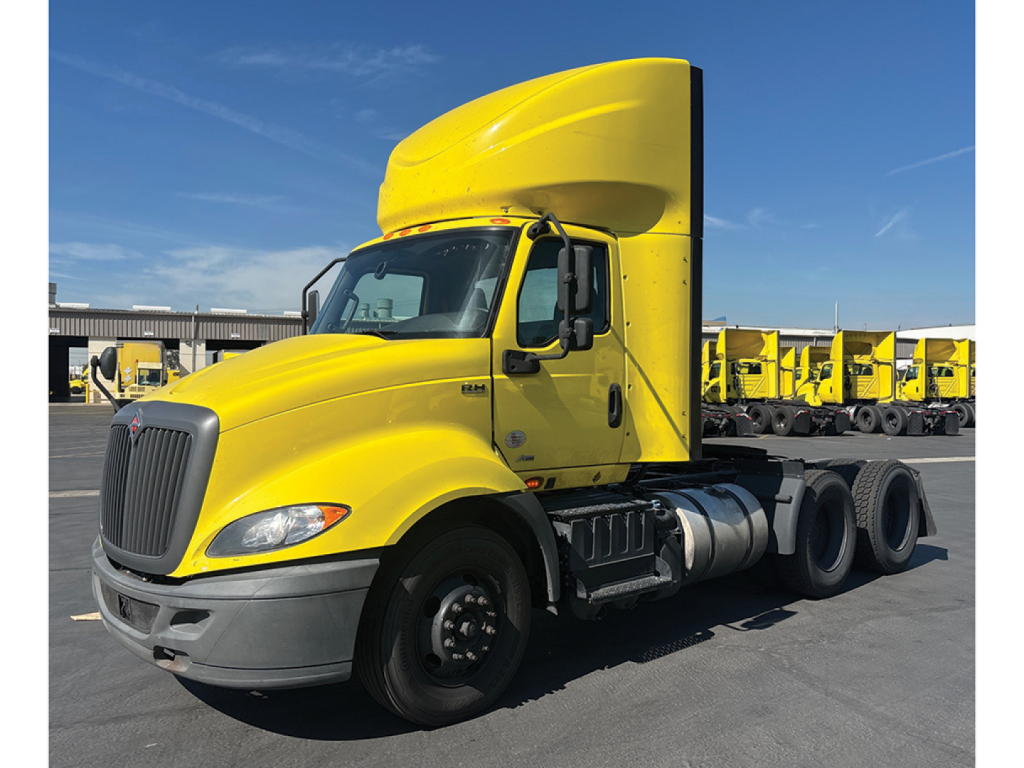
2023 International RH613
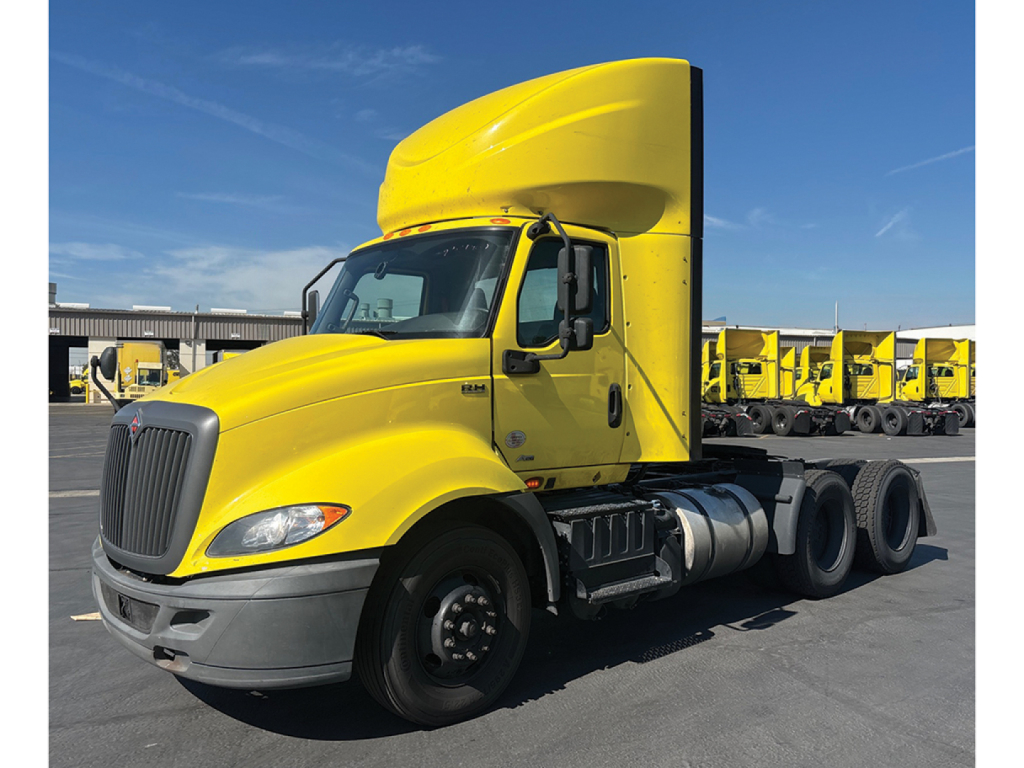
2023 International RH613
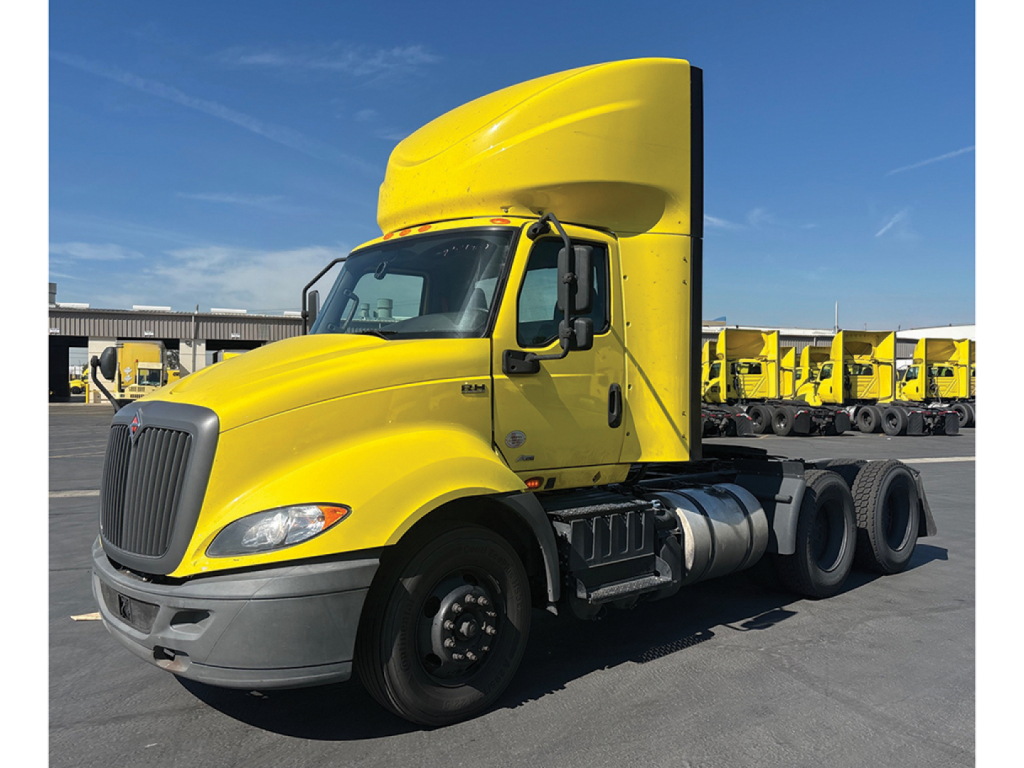
2023 International RH613
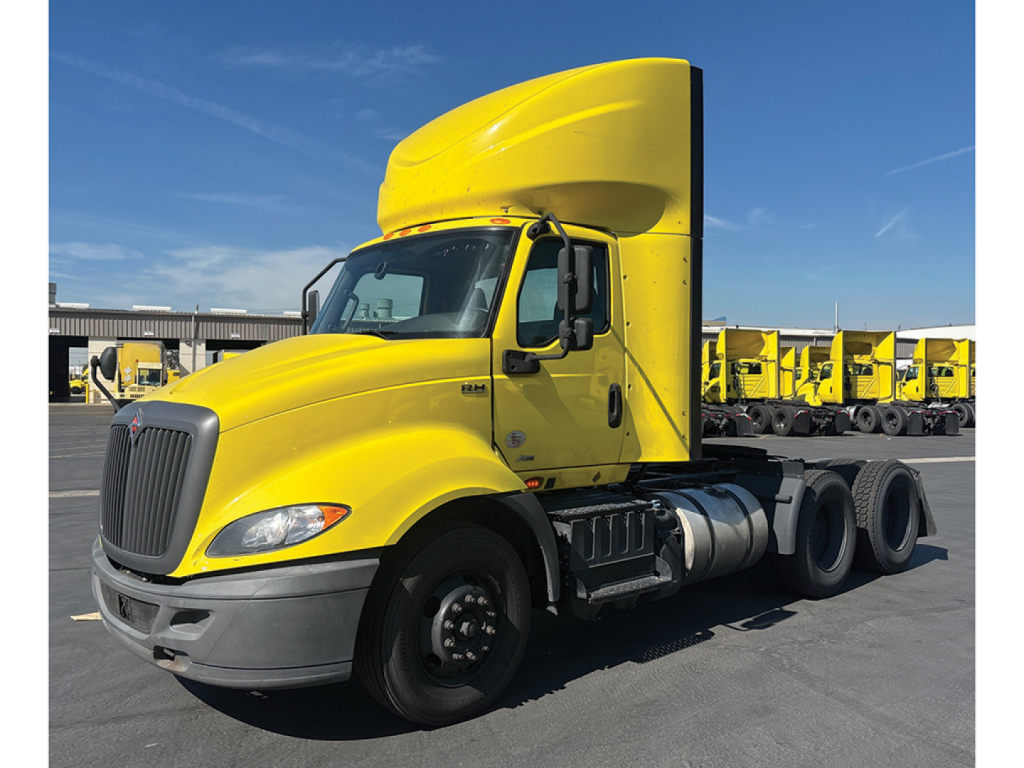
2023 International RH613
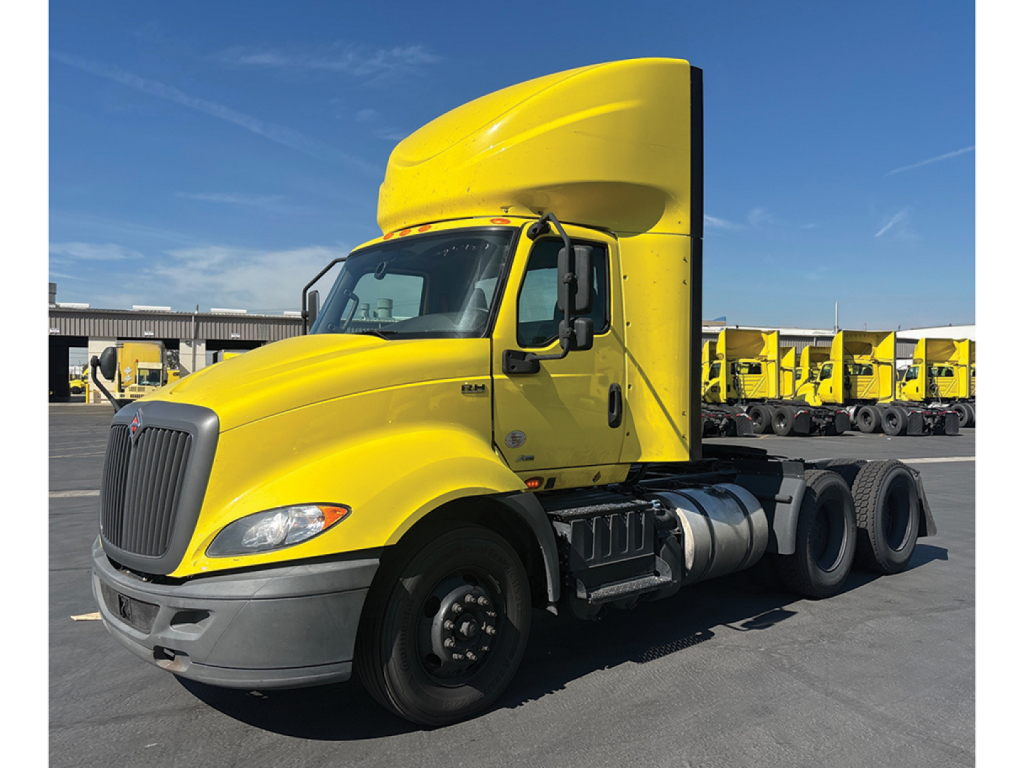
2023 International RH613
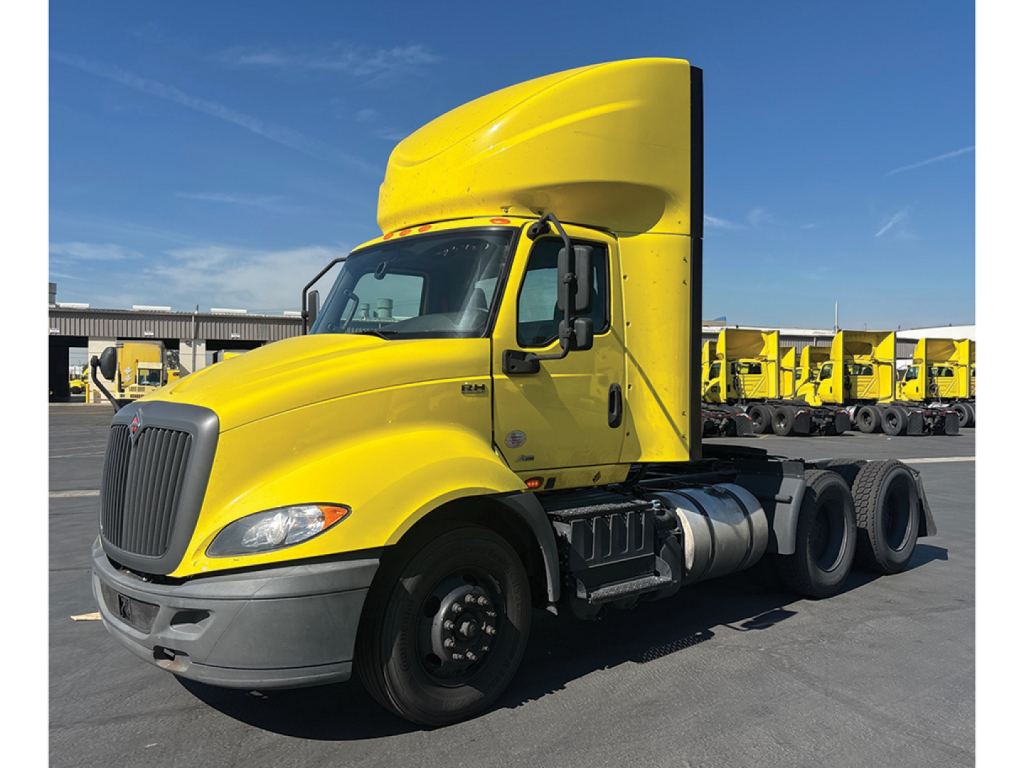
2023 International RH613
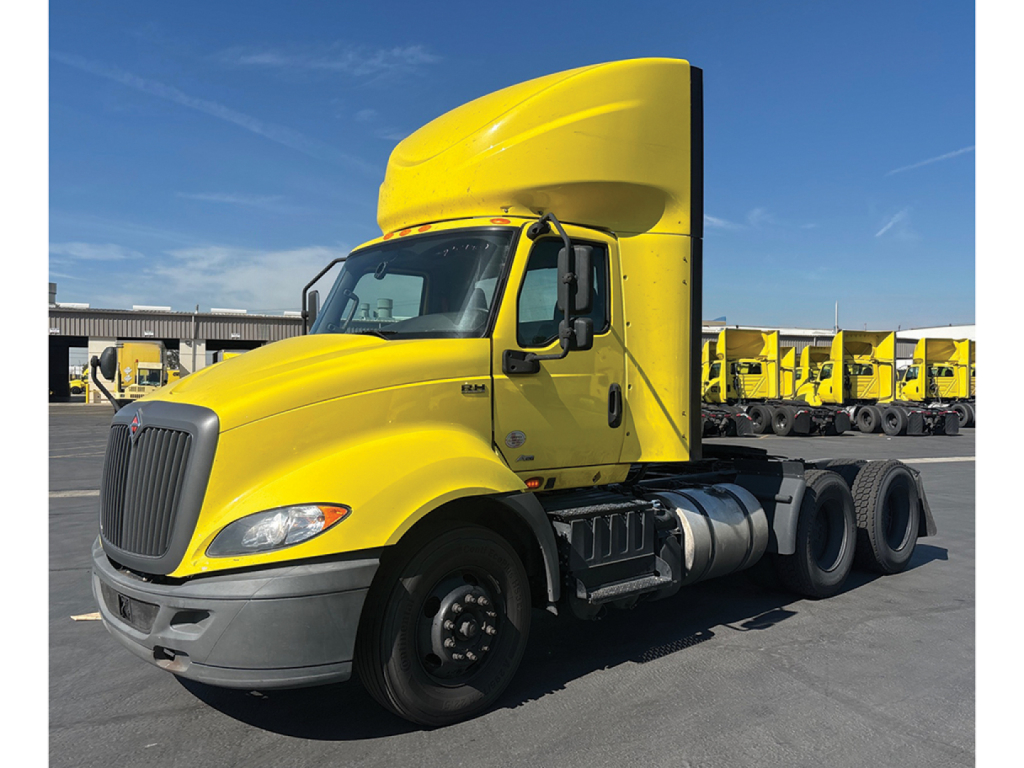
2023 International RH613
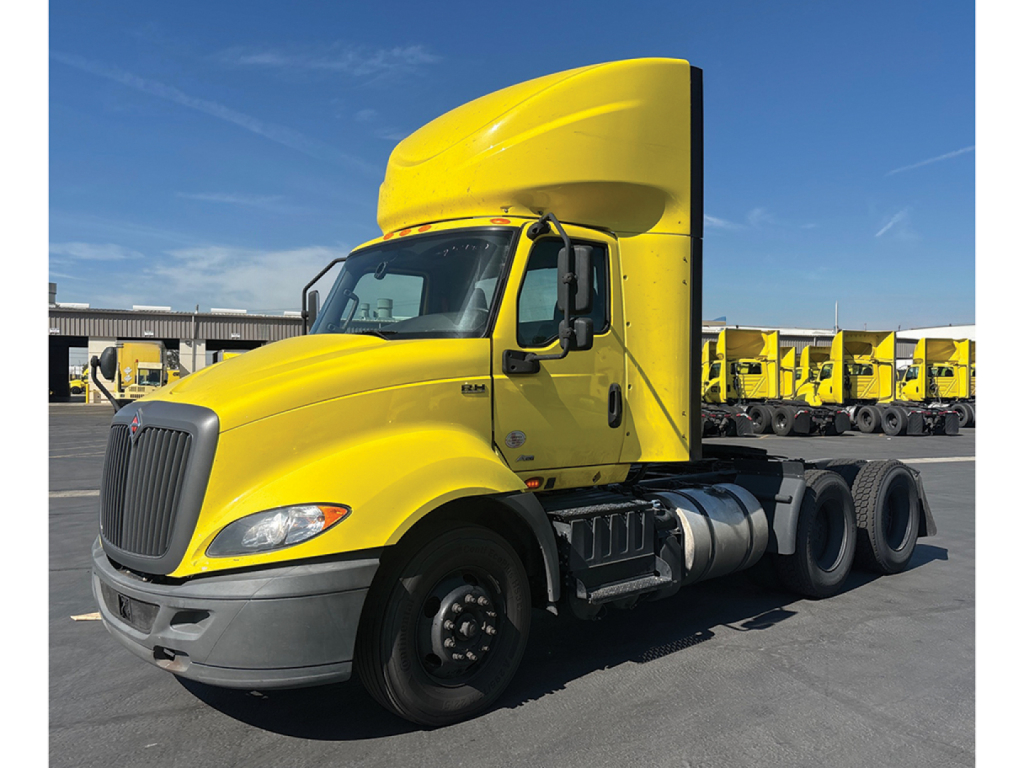
2023 International RH613
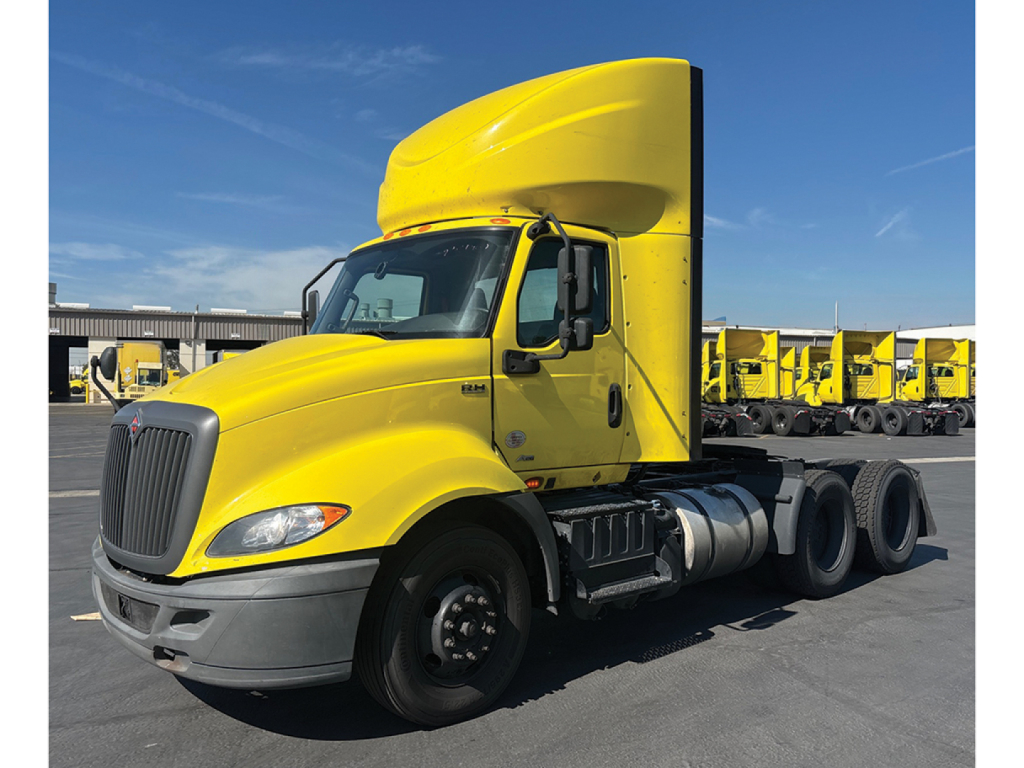
2023 International RH613
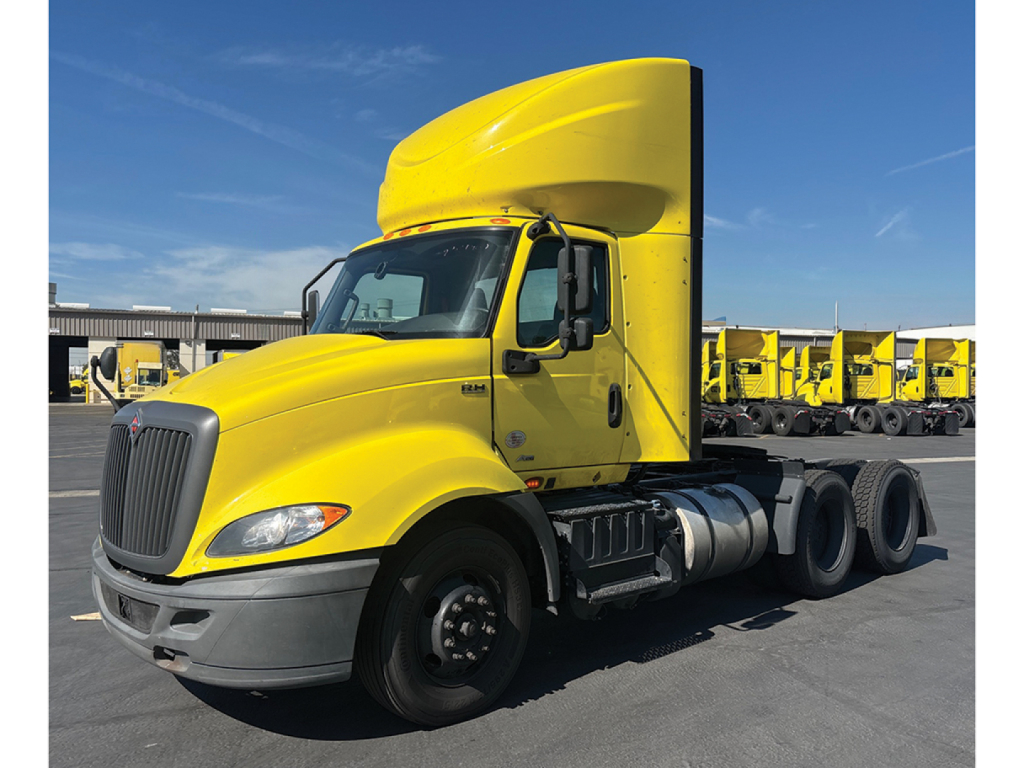

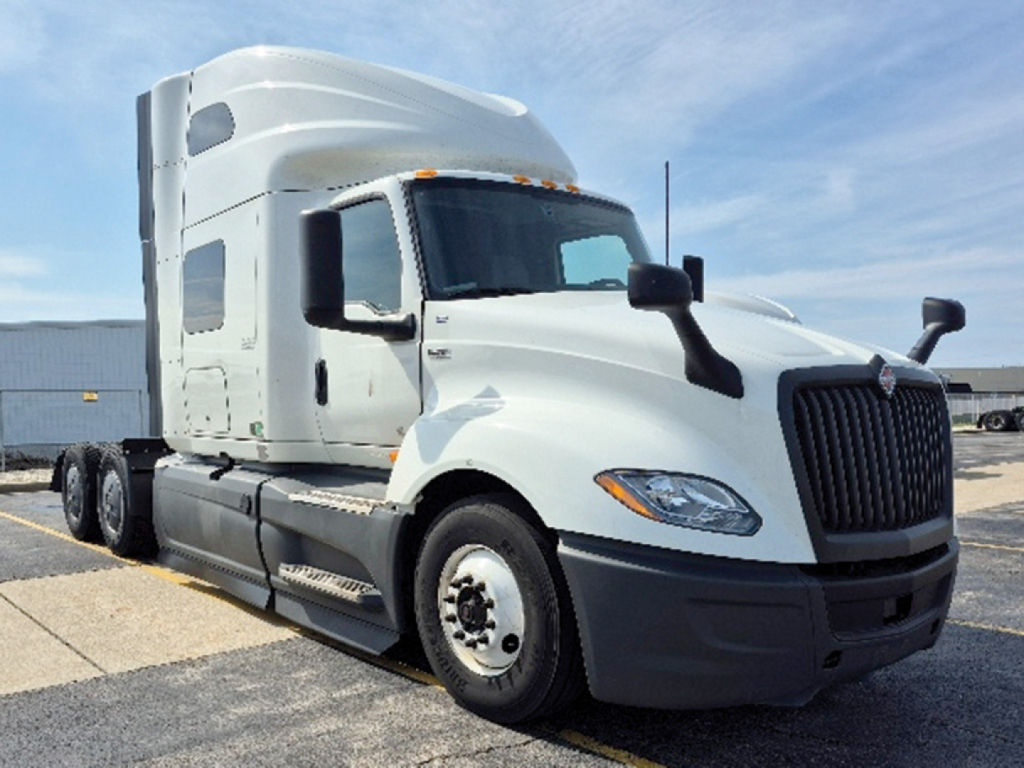
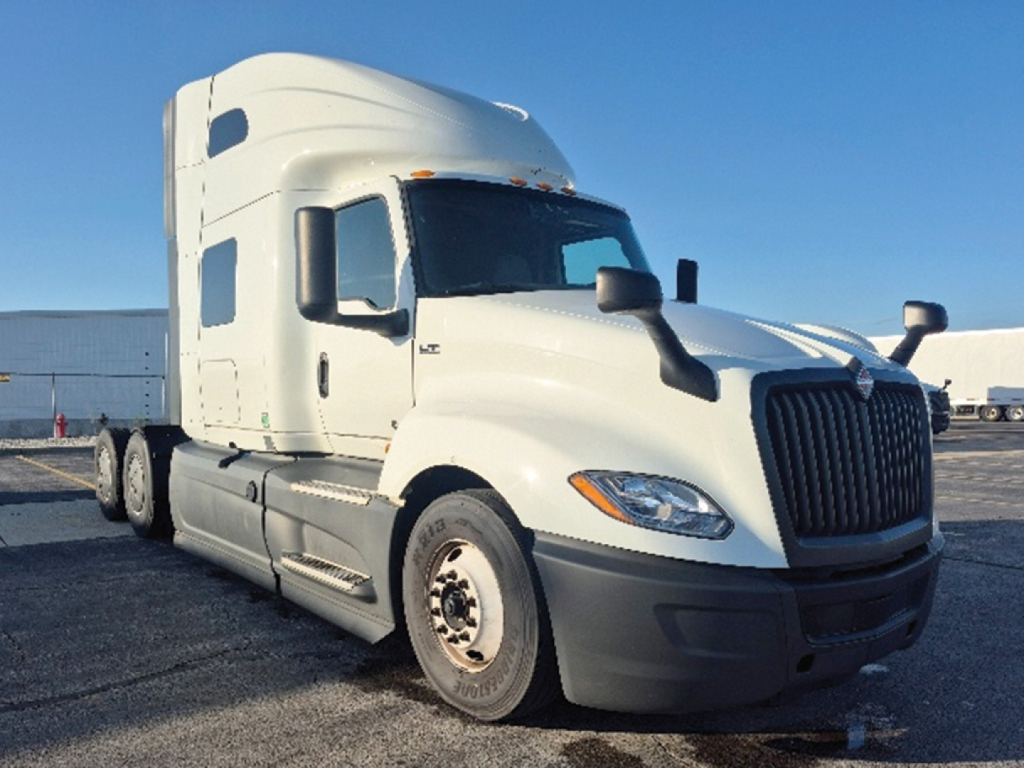
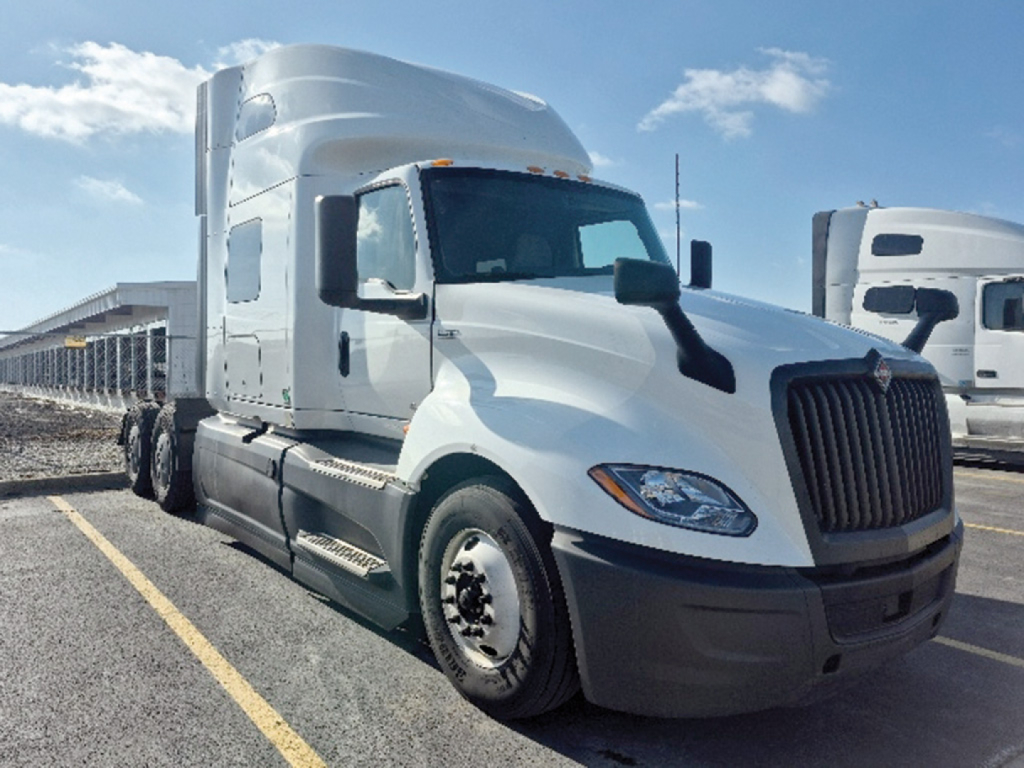
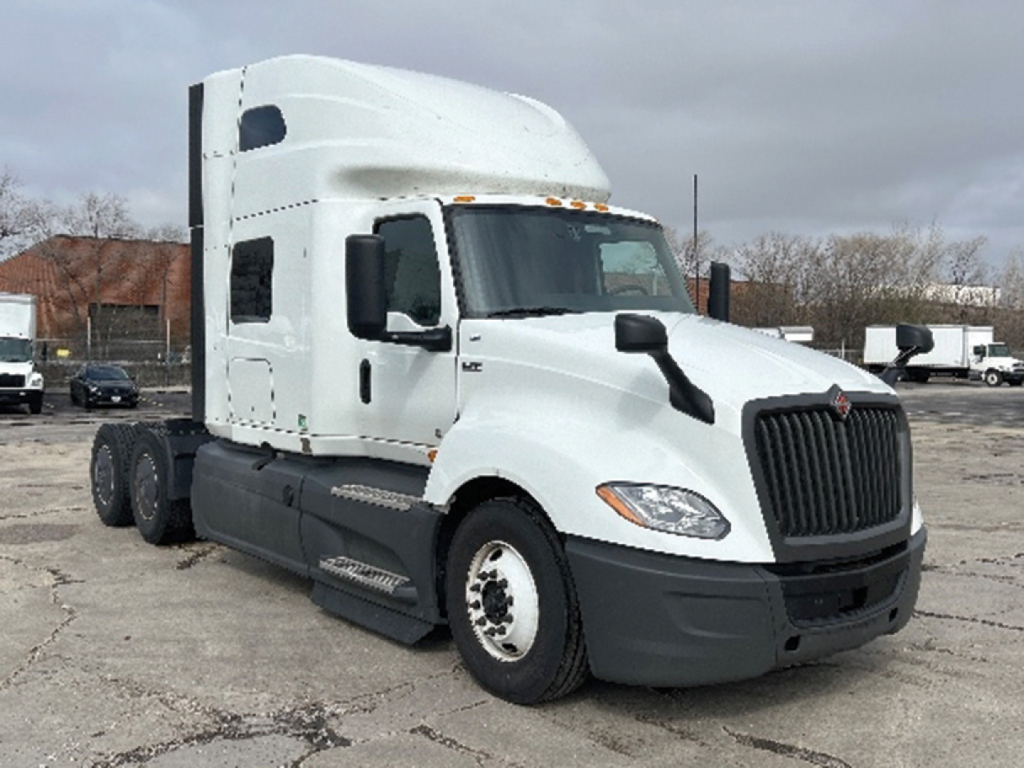
Have used 2023 international truck to sell? List it here to reach thousands of buyers.
Used 2023 International Trucks
The first buying decision is usually class and engine. In 2023 International medium-duty trucks commonly use Cummins B6.7 or L9 diesel engines paired with Allison automatic transmissions, while heavier regional and vocational units may carry the International A26 or Cummins X15 with automated manual or manual transmission options. Horsepower, torque curve, rear axle rating, and wheelbase matter more than badge alone. A van body or flatbed application needs the right cab-to-axle and frame length. A day cab tractor needs the correct fifth wheel setup, axle ratio, and suspension for the freight lane. On vocational trucks, buyers should pay close attention to PTO capability, front axle capacity, frame reinforcement, and whether the truck was ordered with locking differentials, severe-service suspension, or body-builder provisions.
International trucks from this model year are often chosen for straightforward serviceability and broad parts support. A buyer should still inspect telematics history, aftertreatment performance, idle hours, and maintenance records, especially on trucks that spent time in stop-and-go routes or municipal service. Check for DEF system repairs, DPF service intervals, brake type, tire size, and any signs of corrosion on frame rails, crossmembers, battery boxes, and cab mounts. If the truck carries an installed body, review body manufacturer specs along with chassis ratings so payload, liftgate capacity, tank size, or equipment weight do not push the truck outside its intended use. Interior condition, seat wear, steering wheel wear, and switchgear condition can also tell you a lot about real-world duty cycle beyond the odometer.
For many buyers, a used 2023 International truck makes the most sense when the spec matches the route. Urban pickup and delivery operations usually favor automatic transmissions, tighter wheelbases, and easier cab access. Regional tractor work leans toward aerodynamic day cabs, efficient rear ratios, and air ride suspensions. Construction and municipal buyers usually prioritize axle ratings, vocational frame specs, and PTO-ready setups over fuel economy alone. The best unit in this category is not simply the newest or lowest-mile truck. It is the truck with the right engine, wheelbase, axle configuration, body compatibility, and service history for the job.
Frequently Asked Questions about Used 2023 International Trucks
What are the most common 2023 International truck models buyers look for?
The most common used 2023 International trucks depend on duty class. Medium-duty buyers often look at MV Series chassis for van bodies, flatbeds, and service bodies. Heavy-duty regional buyers tend to focus on LT or RH day cab tractors, while vocational buyers often target HV or HX models for dump, utility, and severe-service applications. The right model is driven by payload, axle requirements, body installation needs, and the operating environment.
Which engines are common in used 2023 International trucks?
Common engine choices in 2023 International trucks include the Cummins B6.7 and L9 in medium-duty applications, and the International A26 or Cummins X15 in heavier on-highway and vocational units. Buyers should compare horsepower and torque ratings with transmission type, rear axle ratio, and expected payload. A truck with the correct powertrain spec for its route will usually perform better and cost less to operate than a higher-horsepower truck that is mismatched to the job.
What should I inspect on a used 2023 International truck before buying?
Key inspection points include engine hours, idle time, maintenance records, fault codes, and aftertreatment history. Check the DPF, DEF system, and any emissions-related repair records, since modern diesel performance depends heavily on those systems. Also inspect frame condition, suspension wear, brake life, tire wear pattern, steering play, and any body or upfit integration. On tractors, verify fifth wheel condition, sliding rail operation, and axle ratings. On straight trucks, confirm body mounts, floor condition, liftgate operation, and legal payload capacity.
Are 2023 International trucks good for vocational work?
Yes. Many 2023 International trucks are built specifically for vocational service, especially in the HV and HX lines. These trucks are commonly spec'd for dump bodies, utility equipment, snow and ice control, tank applications, and municipal work. Buyers should verify PTO provisions, front axle capacity, frame liner configuration, suspension type, and any factory body-builder wiring or switches. Those details matter more in vocational service than cosmetic condition alone.
Is a used 2023 International truck a good fleet purchase?
A used 2023 International truck can be a strong fleet choice when spec consistency and service records are in place. Late-model units often offer modern safety systems, improved cab ergonomics, and easier integration with fleet maintenance programs. For fleet buyers, the value is usually best when trucks share engine family, transmission type, wheel end spec, and tire size across the group. That helps reduce parts complexity, technician training issues, and downtime.