
New 2024 International Trucks For Sale
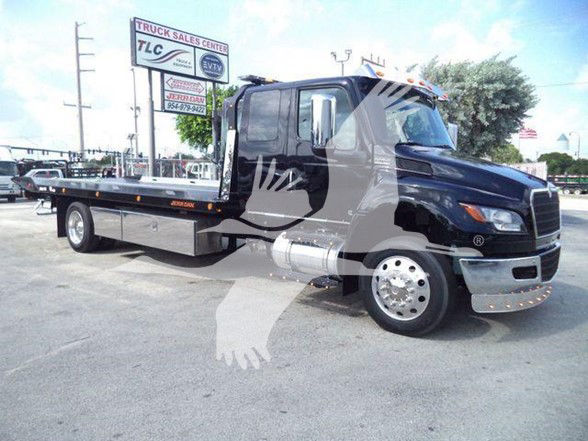
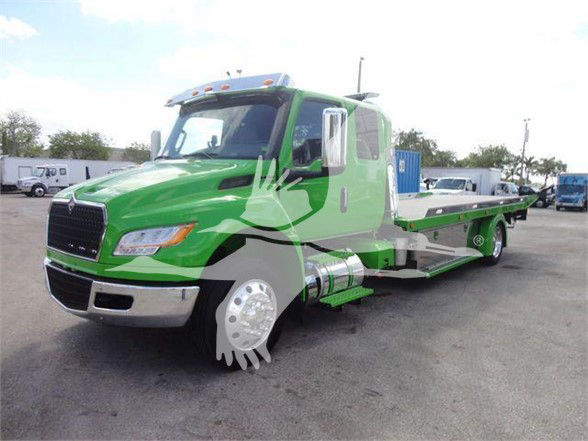
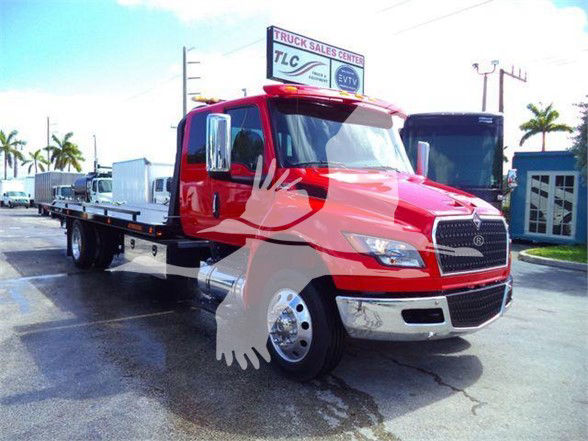
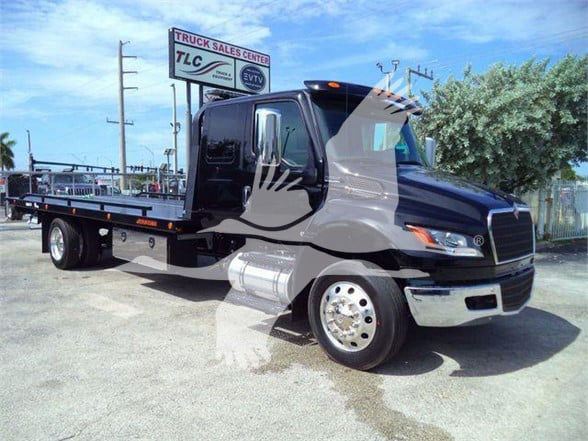
Have new 2024 international truck to sell? List it here to reach thousands of buyers.
New 2024 International Trucks
Powertrain and brake spec should match route density, payload, and operator mix. In this segment, buyers often compare diesel engines in the 260 to 300 horsepower range, paired with Allison automatic transmissions for ease of training and stop-and-go durability. Air brakes are common on heavier MV configurations, while hydraulic brake setups may appear on lighter-duty trucks depending on GVWR and application. Suspension choice also matters. Spring suspension can be simpler and cost-effective for many vocational uses, while air ride is often preferred where ride quality, body protection, or load stability is a priority. On body-ready chassis, pay close attention to wheelbase, cab-to-axle, front axle rating, rear axle ratio, and any frame reinforcement required for cranes, wreckers, or rollback decks.
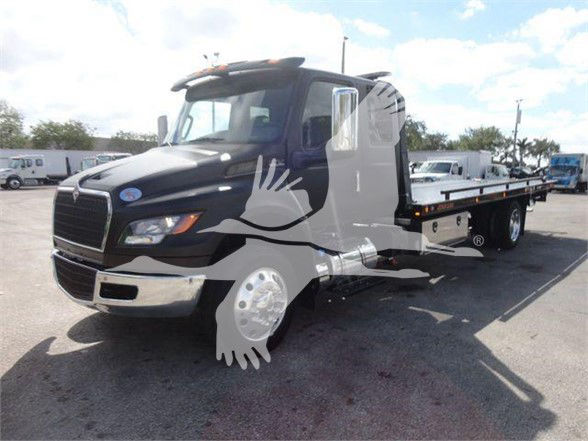
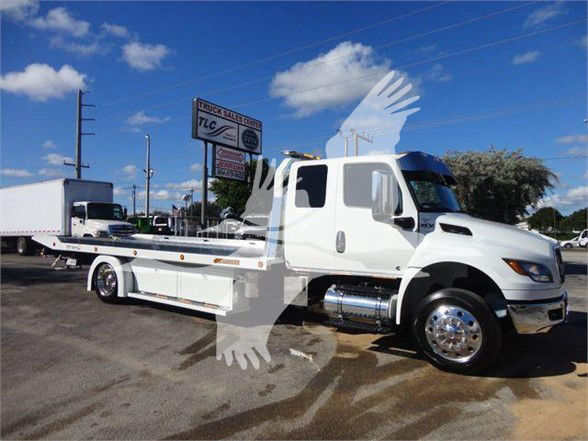
International trucks are popular with buyers who need straightforward serviceability and broad application coverage. The CV Series is often used where a more compact truck with diesel power, available 4x4 capability, and commercial-grade upfit potential is needed. The MV Series is typically the step up for buyers needing higher GVWR, longer wheelbases, air brakes, and more room for heavier vocational bodies. For towing and carrier work, bed length, low-profile deck design, wheel-lift rating, winch capacity, and weight distribution across the axle set are major factors. A longer cab-to-axle can improve body fit and legal axle loading, especially on rollback applications carrying heavier vehicles.
A careful buyer will also evaluate cab configuration, driver environment, and long-term operating cost. Regular cab, extended cab, and crew cab layouts each change storage, seating, and wheelbase. Features like power windows and locks, heated mirrors, air ride seats, aluminum wheels, and integrated lighting packages can make a daily-use truck more productive and easier to operate. On a new 2024 International truck, it is worth confirming emissions system coverage, warranty terms, telematics capability, and the exact body-builder interface provisions before purchase. The best spec is the one that matches the job every day, not just the highest GVWR or horsepower on paper.
Frequently Asked Questions about New 2024 International Trucks
What are the most common applications for a new 2024 International truck?
New 2024 International trucks are commonly used for towing, delivery, utility work, service bodies, contractor fleets, municipal service, and general cab and chassis upfits. The platform is especially well suited for buyers who need a body-ready medium-duty truck with predictable dimensions, commercial-grade frame rails, and vocational options such as PTO capability, air brakes, and higher GVWR ratings.
What is the difference between the International CV and MV Series?
The CV Series generally serves lighter medium-duty applications and is often chosen for tighter routes, pickup-and-delivery work, and 4x4 vocational use. The MV Series is typically selected for heavier Class 6 work, including rollback carriers, larger service bodies, and applications that benefit from air brakes, longer wheelbases, and higher-capacity chassis components. The right choice depends on body weight, payload, axle ratings, and operating environment.
What specs matter most when buying a new International cab and chassis?
The most important specs are GVWR, front and rear axle ratings, wheelbase, cab-to-axle length, engine horsepower and torque, transmission type, brake system, and suspension. Buyers should also confirm frame dimensions, fuel tank placement, PTO provisions, and any body-builder prep needed for the planned upfit. These details determine whether the truck will accept the body correctly and perform well under load.
Are Allison automatic transmissions common in 2024 International trucks?
Yes. Allison automatic transmissions are very common in medium-duty International trucks because they are well suited to stop-and-go routes, towing work, and mixed-driver fleets. Buyers often prefer them for smoother operation, reduced driver fatigue, and easier training compared with manual transmissions. In many vocational applications, the automatic transmission is the practical default choice.
How do I choose the right setup for a rollback or tow application?
For a rollback or tow truck, focus on GVWR, wheelbase, cab-to-axle, rear axle capacity, brake type, suspension, and engine-transmission pairing. Then match those chassis specs to the body requirements, including deck length and width, low-carrier geometry, wheel-lift rating, and winch capacity. Proper weight distribution is critical, so a longer wheelbase or specific cab-to-axle measurement may be necessary to keep the completed truck balanced and compliant.