
2020 International Trucks For Sale in North Carolina
Browse 2020 International trucks in North Carolina, including day cabs, medium-duty and vocational models with specs buyers compare most.
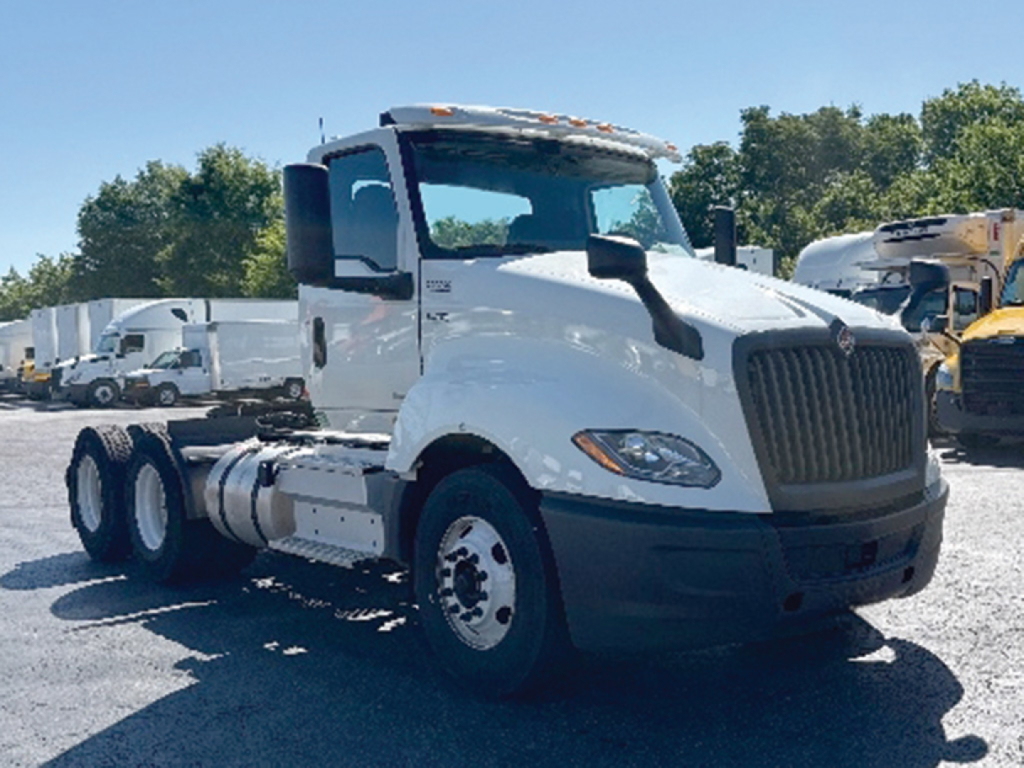
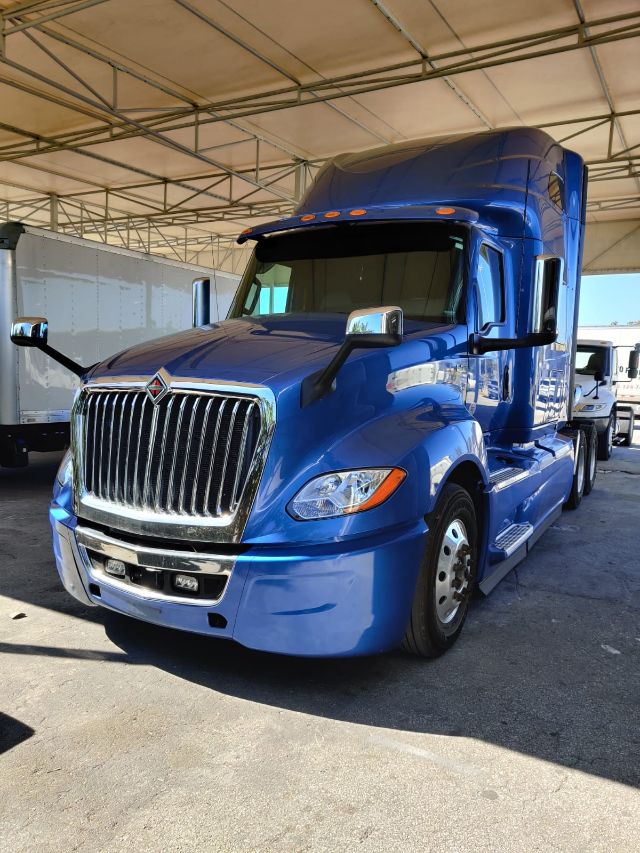

Selling a 2020 international truck? List your 2020 international truck for sale and reach thousands of commercial buyers.
2020 International Trucks in North Carolina
Powertrain choice is one of the first things to sort out on a 2020 International. Common engines include the International A26 in heavier highway tractors and the Cummins B6.7 or similar medium-duty diesel options in MV trucks. Horsepower ratings can range from the mid-200s in delivery applications up into the 400-plus HP range in road tractors. Automated transmissions are common in this year range, including Eaton and Allison options depending on the truck's job. Rear axle ratings, axle ratio, and wheelbase should match the intended route and payload. A single-axle day cab with a 3.42 ratio suits many regional lanes, while a medium-duty straight truck may carry a much shorter ratio to improve launch and low-speed performance with a box, reefer unit, or liftgate.
Buyers comparing 2020 International trucks should pay close attention to the cab and chassis details that affect uptime and operating cost. On highway units, look at 5th wheel type, air slide or fixed position, fuel capacity, fairings, collision mitigation systems, and brake spec. On medium-duty trucks, the body matters as much as the chassis. Reefer trucks should be checked for box condition, insulation, reefer hours, door seals, interior lining, and liftgate operation. Utility and service bodies should be evaluated for PTO setup, storage layout, crane or compressor integration, and frame condition around body mounts. Disc wheels, low-profile 22.5 tires, power windows, cruise control, and tilt-telescoping steering are common convenience specs in this era, but the right truck is still the one whose axle, suspension, and body configuration fits the work.
For North Carolina buyers, application and route density usually matter more than badge familiarity alone. Regional freight around Charlotte, Greensboro, Raleigh, and the I-85 corridor often favors aerodynamic day cabs with efficient engine and axle combinations. Local delivery, foodservice, and cold-chain operations may lean toward MV straight trucks with reefer bodies and tighter turning characteristics. A 2020 International truck is typically modern enough to offer current safety features and driver comfort upgrades, while still being familiar to fleets that already run International equipment and service networks. The smartest comparison is not just year and price, but engine family, transmission type, axle spec, body equipment, and maintenance history against the exact job the truck needs to perform.
Frequently Asked Questions about 2020 International Trucks in North Carolina
What are the most common 2020 International truck models buyers will see?
The most common 2020 International trucks on the used market include the LT and RH series for highway and regional tractor work, along with the MV series for medium-duty straight truck and vocational applications. The LT is generally the aerodynamic on-highway platform, the RH is often used in regional or urban tractor service, and the MV is built for body-upfit roles such as van bodies, refrigerated trucks, stake beds, and service trucks. The right model depends less on the nameplate and more on the truck's axle rating, wheelbase, engine, transmission, and body configuration.
Is a 2020 International good for regional day cab work?
Yes, many 2020 International tractors are well suited for regional day cab operation, especially when spec'd with a single axle or tandem axle setup, automated transmission, air ride suspension, and an efficient rear axle ratio. Buyers should verify horsepower, torque rating, wheelbase, 5th wheel adjustment, and fuel capacity against the trailer type and average route length. A well-matched regional spec can improve maneuverability, fuel economy, and driver comfort without carrying the extra weight and cost of a sleeper.
What should I check on a 2020 International reefer or straight truck?
On a 2020 International straight truck, the chassis and body need to be inspected as a package. Buyers should review engine hours, mileage, transmission operation, brake condition, suspension wear, and tire life, then move to the body and refrigeration equipment. On reefer units, focus on reefer hours, service records, evaporator and condenser condition, insulation integrity, floor wear, door seals, interior lining, and liftgate function if equipped. A clean truck with a neglected box or reefer unit can become expensive quickly, so both sides of the spec matter equally.
Which engine and transmission combinations are common in 2020 International trucks?
In 2020 International trucks, buyers will often find the International A26 in heavier on-highway tractors and Cummins medium-duty engines such as the B6.7 in MV chassis. Transmission choices commonly include Eaton automated manuals in highway tractors and Allison automatics in medium-duty delivery or vocational trucks. The best combination depends on start-stop duty cycle, payload, terrain, and driver familiarity. Regional tractors often benefit from an automated manual paired with a highway-friendly axle ratio, while city-route straight trucks frequently use an Allison automatic for smoother low-speed operation and easier body equipment integration.
What matters most when comparing 2020 International trucks in North Carolina?
For North Carolina operations, the most important comparison points are application fit, service support, and route profile. Trucks running regional lanes on I-40, I-77, or I-85 may need a different axle ratio, fuel setup, and aerodynamic package than trucks handling local P and D, refrigerated delivery, or municipal service in dense urban areas. Buyers should compare engine family, GVWR or GCWR, suspension type, body equipment, turning radius, and maintenance history before focusing on price alone. A truck that matches the terrain, traffic pattern, and payload profile usually delivers better uptime and lower operating cost over time.