
2020 International Trucks For Sale in Colorado
Browse 2020 International trucks in Colorado, including LT625 sleepers and vocational models with modern specs for regional and long-haul work.
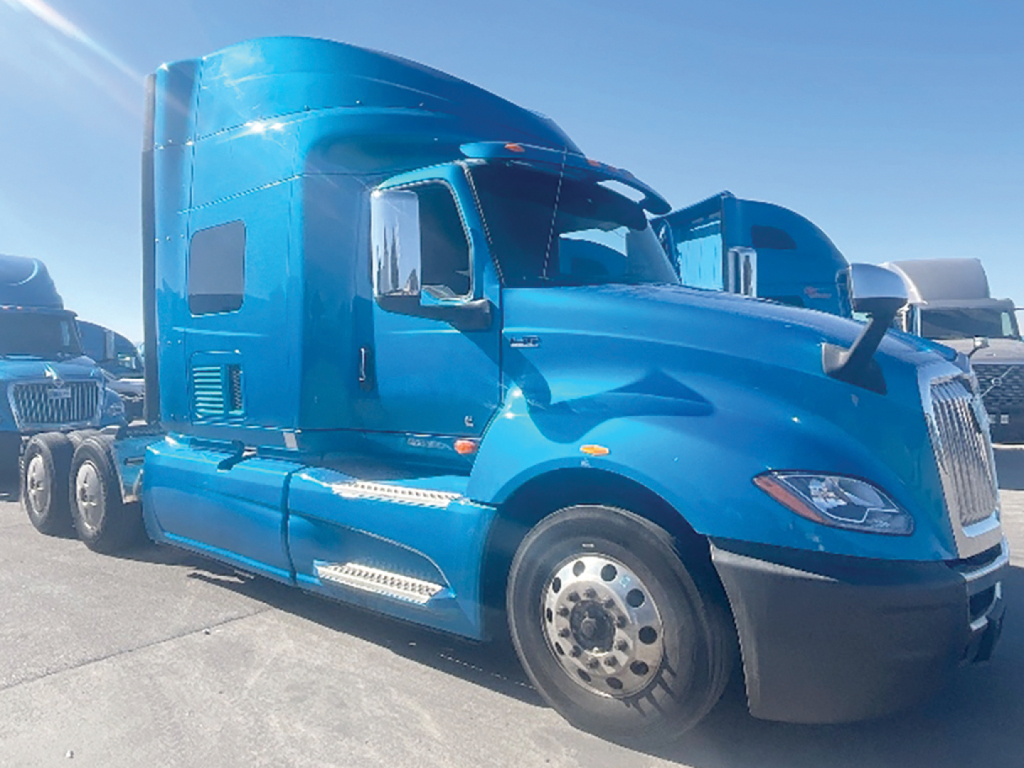
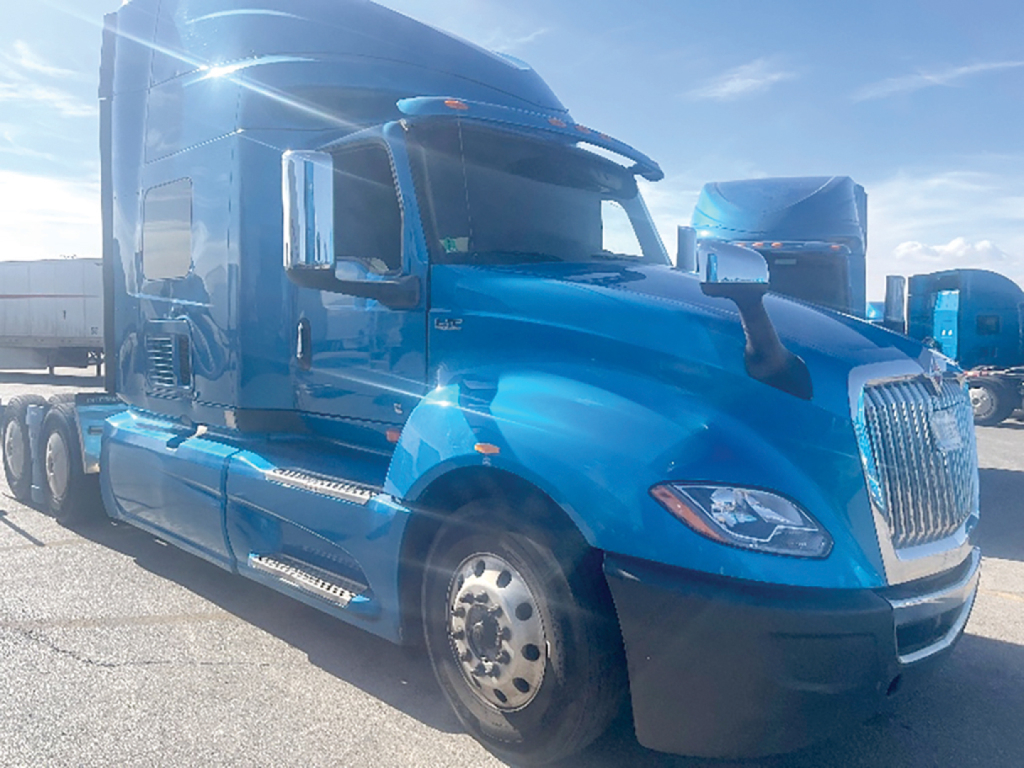
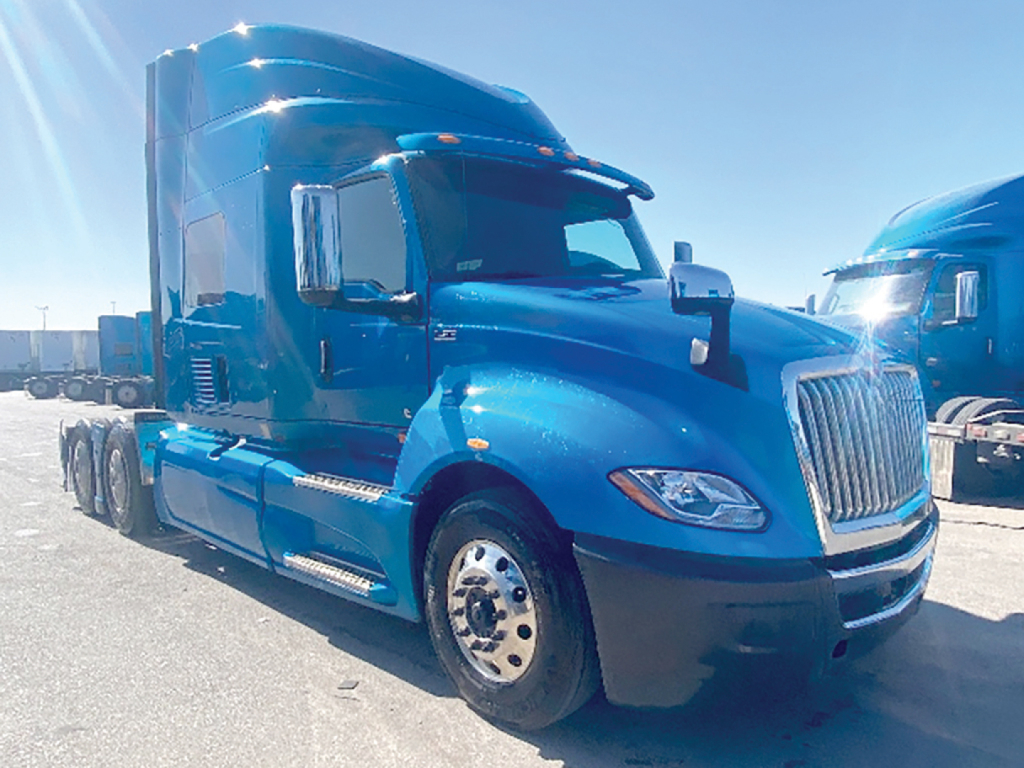
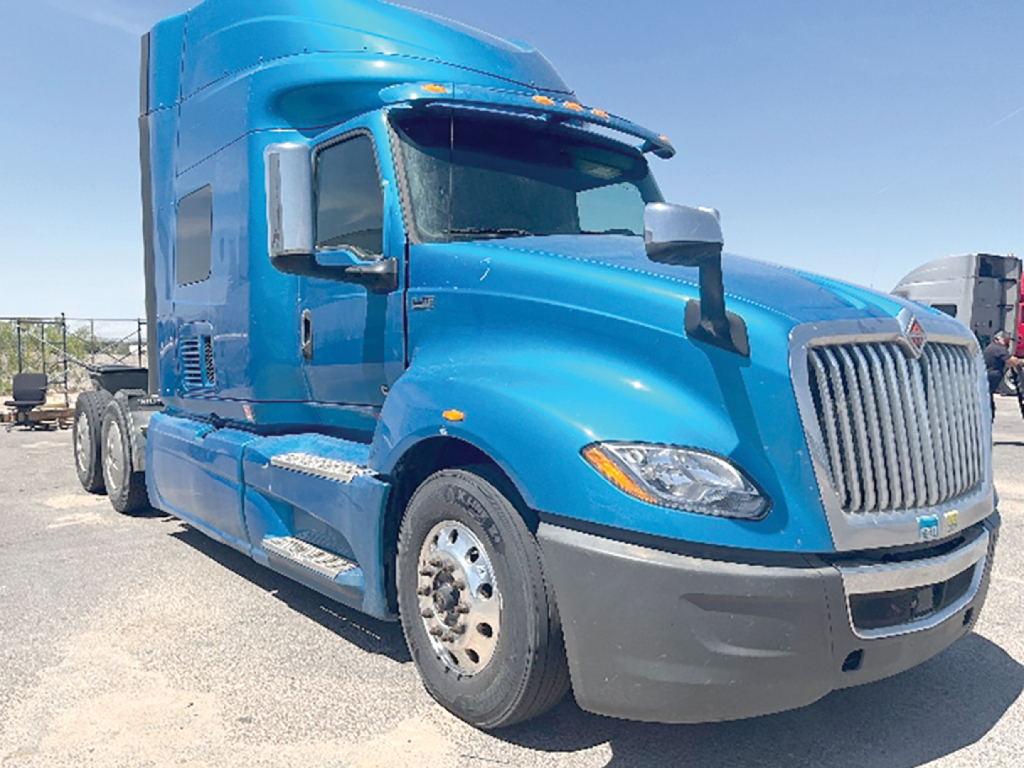
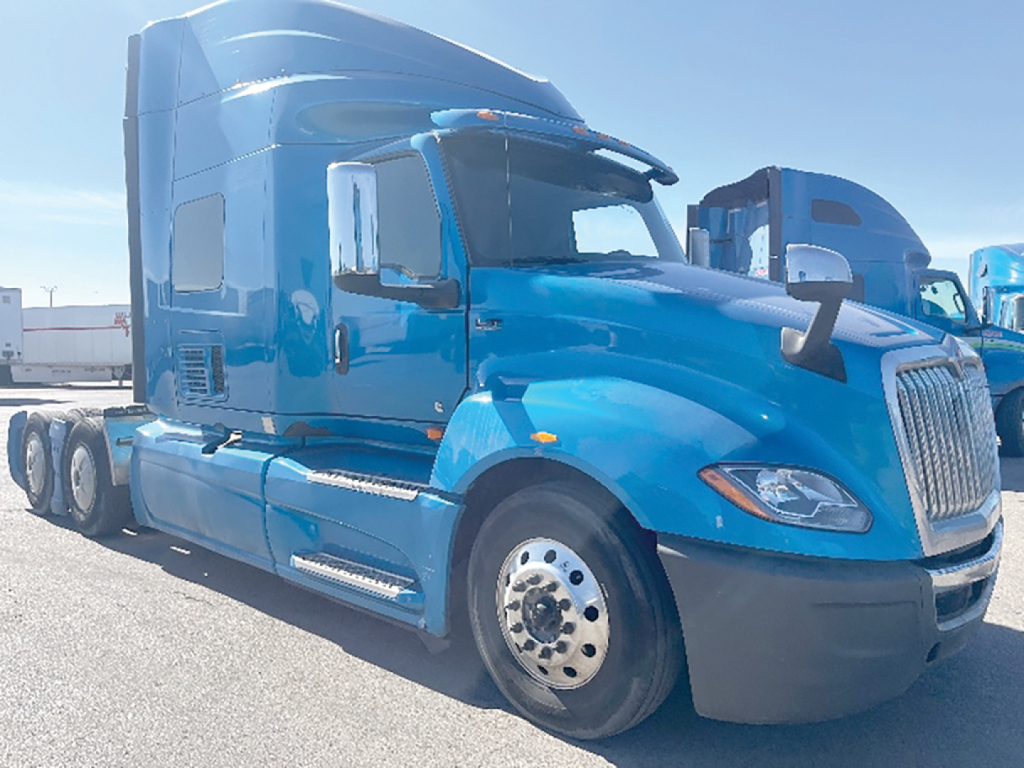
Have 2020 international truck to sell? List it here to reach thousands of buyers.
2020 International Trucks in Colorado
The most important buying decision on a 2020 International tractor is the spec match between drivetrain and lane. A 2.31 rear ratio, single drive axle with air tag, and low-profile 22.5 tires can be a strong setup for lighter van or reefer freight where fuel economy is the priority. Buyers pulling heavier loads or working more demanding terrain should look closely at horsepower, torque rating, axle capacity, suspension type, and fifth wheel adjustability. Wheelbase, fuel capacity, and brake spec also deserve attention. Disc brakes, aluminum wheels, and aerodynamic packages can improve performance and reduce maintenance or weight, but only if they fit the freight and route profile.
Cab and sleeper layout matter more than many buyers expect on a used 2020 model. International's LT series is known for a driver-focused dash, good sightlines, and practical serviceability. On sleeper units, common features include upper bunks, bunk heaters, power accessories, cruise control, tilt-telescoping steering, and integrated storage. Those features affect driver retention and downtime just as much as comfort. For Colorado buyers, cold-weather starts, cab heat performance, and idle management are especially relevant. A truck that spent its life in linehaul service may present differently than one used in regional or mixed-duty work, so service records, engine hours, and signs of emissions-system maintenance should be reviewed carefully.
International trucks from this model year also show up in vocational forms beyond highway sleepers, including severe-duty and utility chassis, so body type and application should always guide the purchase. For any 2020 International, pay close attention to engine family, aftertreatment history, transmission calibration, front and rear axle ratings, and suspension wear. If the truck is a sleeper tractor, inspect the fairings, interior bunk components, and fifth wheel operation. If it is a vocational chassis, verify PTO setup, frame condition, and body integration. The best 2020 International truck is not simply the cleanest one on the page. It is the one with the right spec, documented maintenance, and a duty cycle that matches the work you need it to do.
Frequently Asked Questions about 2020 International Trucks in Colorado
What are the most common 2020 International truck models buyers look for?
The most common 2020 International trucks in the used market are highway tractors such as the LT series, especially the LT625, along with some vocational platforms depending on region and fleet mix. The LT is the primary long-haul and regional sleeper tractor in this model year, often spec'd with Cummins power, automated transmissions, and aerodynamic packages. Buyers should separate highway tractors from vocational chassis immediately because axle ratings, gearing, frame setup, and intended use are very different.
Is a 2020 International LT625 a good fit for Colorado freight lanes?
A 2020 International LT625 can be a strong fit for Colorado operations if the drivetrain is spec'd for the terrain and freight. Trucks set up with fuel-economy gearing and lighter axle configurations work well for general van and reefer lanes, but mountain grades and heavier loads may call for more horsepower, higher torque, and a rear ratio better suited to pulling power. Buyers running through high elevation and winter conditions should also evaluate engine brake performance, tire spec, and idle reduction or bunk heat systems.
What specs matter most when comparing used 2020 International sleeper trucks?
The key specs are engine model and rating, transmission type, rear axle ratio, axle capacities, wheelbase, brake type, suspension, and sleeper size. A 400 HP Cummins X15 with an automated transmission is a common highway spec, but the right setup depends on payload, terrain, and average trip length. Buyers should also review fuel tank capacity, fifth wheel type and adjustment range, tire size, and aerodynamic equipment because these directly affect productivity, fuel burn, and trailer compatibility.
What should I inspect on a used 2020 International before buying?
Start with maintenance records, fault code history, engine hours, and any emissions-system repairs. Then inspect the aftertreatment components, transmission operation, suspension wear, steering play, brake condition, tires, and signs of uneven loading or alignment issues. On sleeper tractors, check bunk HVAC, interior wear, fairings, cab extenders, and fifth wheel movement. A clean appearance matters less than proof of consistent service and a spec that matches the truck's previous use.
Are 2020 International trucks mostly fleet-spec tractors?
Many 2020 International trucks on the secondary market are fleet-spec units, especially LT sleepers built for regional and long-haul service. Fleet specs usually emphasize fuel economy, standardized maintenance parts, and driver-friendly controls rather than premium custom trim. That can be an advantage for buyers who want straightforward serviceability and predictable operating costs, but it also means each truck should be checked for exact axle, gearing, and sleeper details rather than assuming all units are equipped the same way.