
1999 International Trucks For Sale in New York
Shop 1999 International trucks for sale in New York. Compare medium-duty and heavy-duty models, engines, specs, wheelbases, and applications.
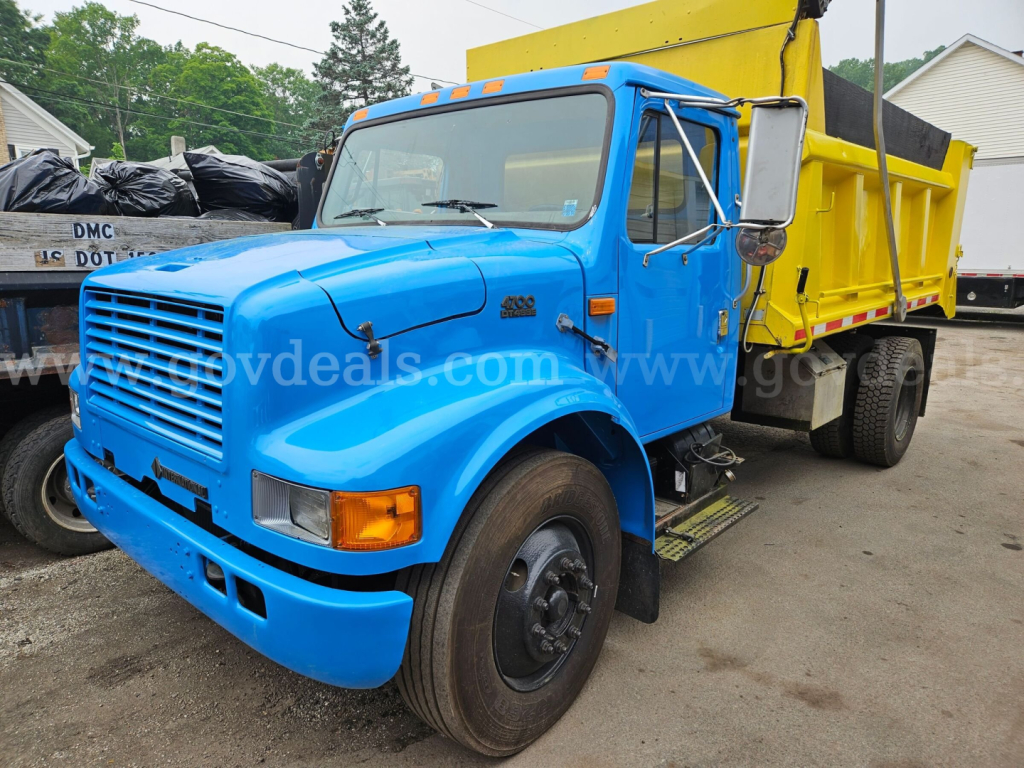
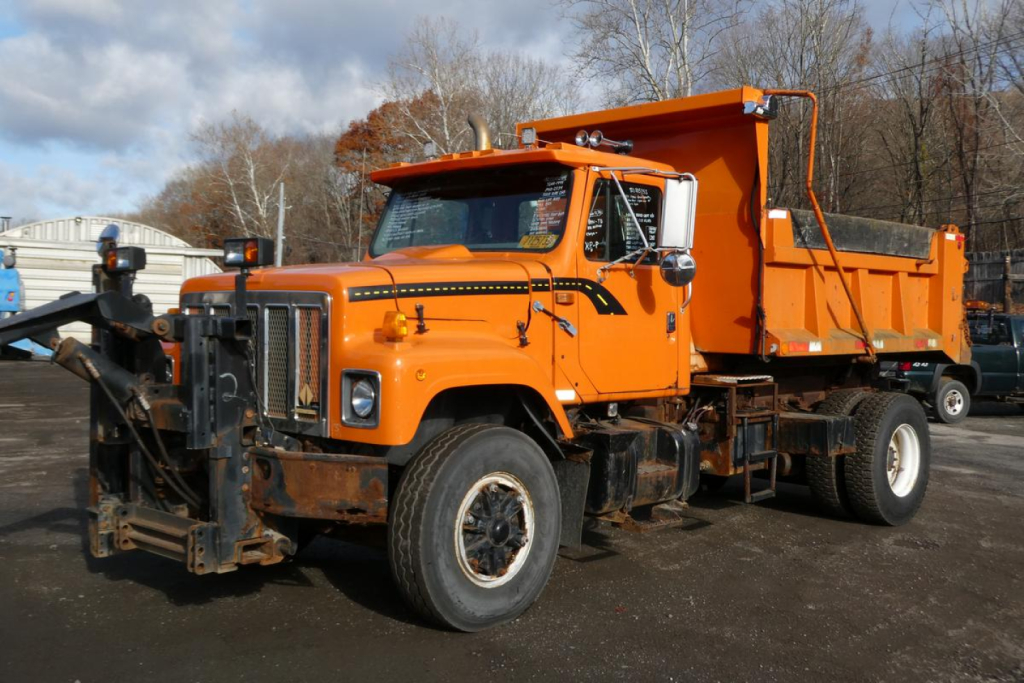
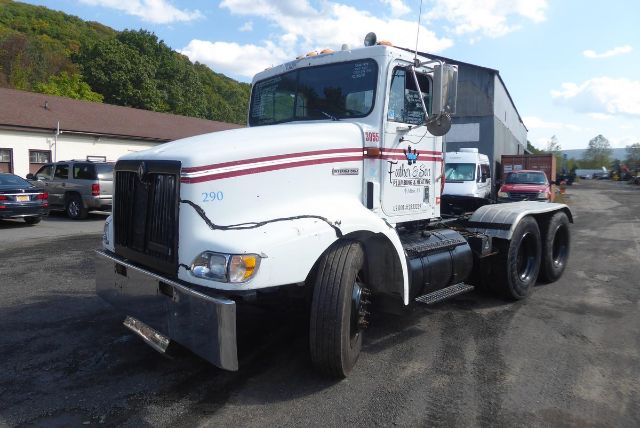
Have 1999 international truck to sell? List it here to reach thousands of buyers.
1999 International Trucks in New York
On medium-duty 1999 International trucks, common priorities include GVWR, cab-to-axle measurement, rear axle ratio, suspension type, and engine family. Many trucks from this era were spec'd for dump bodies, utility bodies, flatbeds, stake beds, or snow equipment, so frame rail condition, PTO provisions, front axle capacity, and hydraulic setup deserve close attention. Mechanical diesels and early electronic engines from this period appeal to buyers who prefer less emissions complexity, but condition is everything. Service records, cold-start behavior, blow-by, coolant and oil condition, transmission operation, and brake system health will usually tell you more than odometer miles on a 1999 unit.
For heavier 1999 International trucks, especially conventional day cabs and regional haul tractors, the key decisions are drivetrain and intended route profile. Buyers should verify engine make, horsepower, transmission type, tandem specs, suspension design, and rear ratio to see if the truck is suited for local hauling, farm work, equipment moves, or occasional highway use. A lower geared truck may be ideal for vocational work and short runs but less efficient at sustained road speed. Fifth wheel type, frame length, and any evidence of cutoff or stretch work also matter. On New York trucks, corrosion around cab mounts, crossmembers, spring hangers, and electrical connections is a major inspection point due to road salt exposure.
International trucks from the late 1990s remain relevant because they are straightforward, adaptable, and widely understood by independent operators, municipalities, and vocational fleets. A good 1999 International can still serve well in seasonal work, local delivery, construction support, or as a cab and chassis for a new body install. The smartest comparison is not just age or miles, but how the truck was spec'd, how it was maintained, and how closely its axle ratings, wheelbase, engine, and frame setup match the work you need it to do.
Frequently Asked Questions about 1999 International Trucks in New York
What should I inspect first on a 1999 International truck?
Start with frame condition, engine health, transmission operation, brake system type and function, and axle ratings. On a 1999 truck, structural condition is critical, especially in New York where rust can affect cab mounts, crossmembers, spring hangers, fuel tank straps, and wiring. After that, confirm the wheelbase, cab-to-axle, and PTO or hydraulic provisions match the body or trailer setup you need.
Are 1999 International trucks good for vocational work?
Yes, many 1999 International trucks are well suited for vocational use because they were commonly built as durable cab and chassis platforms. They are often found in flatbed, dump, plow, utility, and municipal applications. The main advantage is straightforward mechanical design and flexible upfit potential, but the truck still needs to be evaluated for frame integrity, front axle capacity, suspension condition, and any existing hydraulic or body mounting equipment.
What engines are common in older International trucks from this era?
Depending on the model and GVWR, buyers may see International diesel engines such as DT-series engines in medium-duty trucks, along with other engine options in heavier conventional models. The exact engine matters less than its current condition, maintenance history, and parts support in your area. Check for excessive blow-by, hard starting, coolant contamination, oil leaks, and any signs of injector, turbo, or fuel system issues before purchase.
How important are wheelbase and cab-to-axle on a 1999 International?
Wheelbase and cab-to-axle dimensions are essential because they determine body fit, load distribution, turning radius, and bridge law practicality. If the truck is a cab and chassis, these measurements tell you whether it can accept the dump body, service body, flatbed, or van body you have in mind. On tractors, wheelbase affects maneuverability and can influence how the truck fits regional, local, or jobsite work.
Is a 1999 International truck a good choice for buyers who want less emissions complexity?
For many buyers, yes. Trucks from 1999 predate the much more complex emissions systems found on newer diesel trucks, which can make them attractive for certain off-road, farm, municipal, or limited-use applications where regulations allow. That said, lower emissions complexity does not eliminate maintenance risk. An older truck still needs careful inspection for wear, age-related failures, and the availability of replacement parts for the specific engine and drivetrain.