
1998 International Trucks For Sale in New York
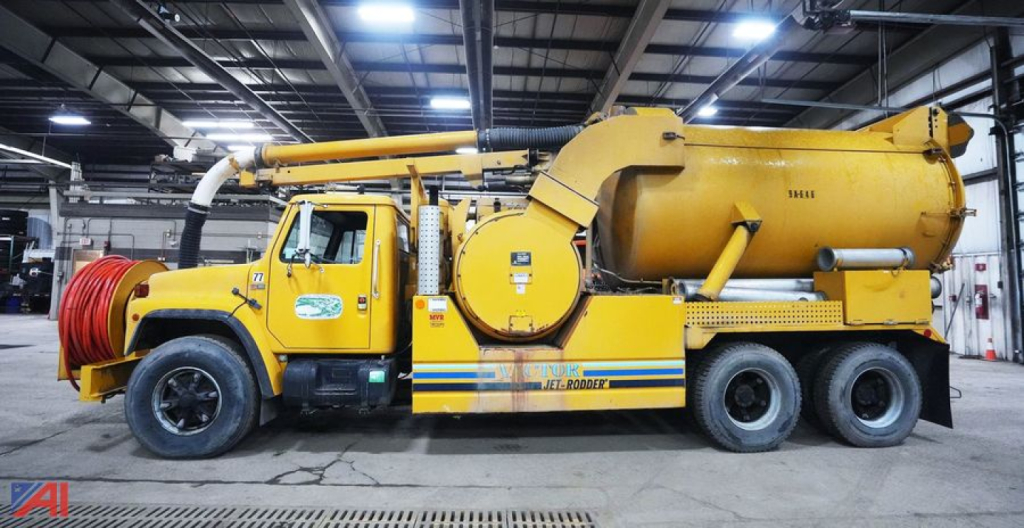
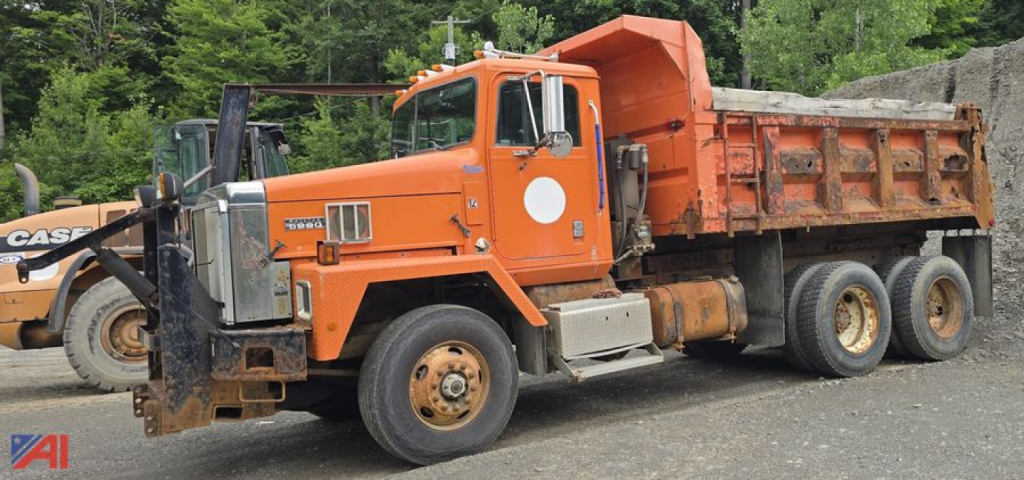
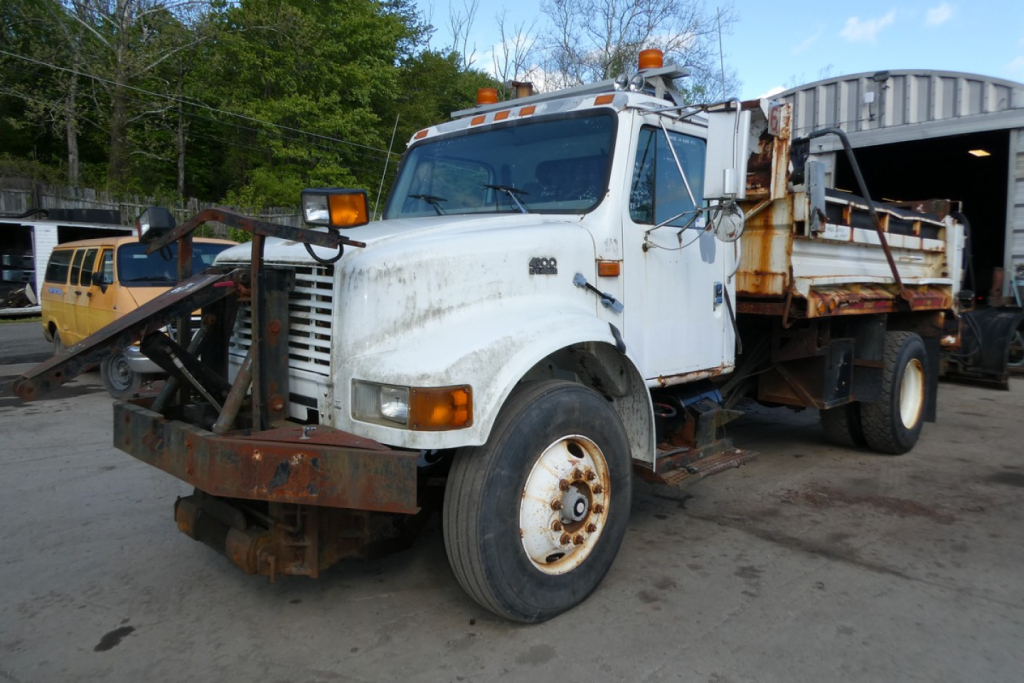
Have 1998 international truck to sell? List it here to reach thousands of buyers.
1998 International Trucks in New York
The first decision is usually duty class and chassis spec, not just price. Medium-duty 1998 International trucks are often found with DT-series engines and automatic or manual transmissions, while heavier conventionals may carry larger Cummins, Caterpillar, or International diesel options paired with Fuller manual gearboxes. Rear axle ratings, suspension type, and wheelbase matter more than the badge on the hood if the truck is going straight to work. A spring suspension and shorter wheelbase can suit dump or plow service, while air ride, a longer wheelbase, and a sliding fifth wheel make more sense for regional tractor work. On vocational trucks, confirm PTO provision, wetline setup, frame construction, cab-to-axle measurement, and whether the truck has a single frame, insert, or full double frame.
Because a 1998 model year truck is now an older asset, condition and specification discipline are critical. Buyers should pay close attention to engine family, horsepower, transmission model, brake type, rust exposure, and signs of municipal or winter service, especially in New York where frame corrosion, cab mounts, brake lines, crossmembers, and electrical connectors can be major ownership factors. A low-mile truck is not automatically the better truck if it has spent years in stop-start duty or seasonal plow work. Service history, cold-start behavior, blow-by, clutch condition, steering play, suspension wear, and tire matching will tell you more than odometer readings alone. If the truck carries a body, inspect hoists, hydraulics, floor condition, hinge points, apron wear, and any signs of frame modification around the body mounts.
A well-matched 1998 International can still be a practical buy for a farm, contractor, municipality, or fleet that values mechanical simplicity over newer electronics. These trucks are also known as International medium-duty and heavy-duty conventionals, and many remain attractive for buyers who want older diesel powertrains, simpler diagnostics, and a lower acquisition cost. The best purchase is usually the truck with the right axle ratings, wheelbase, transmission, and vocational equipment for the intended job, not the cheapest unit on the page. When comparing listings, focus on application fit, usable payload, drivetrain reputation, and evidence of consistent maintenance.
Frequently Asked Questions about 1998 International Trucks in New York
What should I look for first when buying a 1998 International truck?
Start with the truck’s intended application and confirm the chassis matches that job. Key items are GVWR or axle ratings, wheelbase, cab-to-axle dimension, suspension type, engine model, transmission, brake system, and frame configuration. On an older 1998 truck, these core specs matter more than cosmetic condition because they determine whether the truck can realistically handle a dump body, flatbed, plow, fifth wheel, tanker setup, or general freight duty without expensive modification.
Are 1998 International trucks good for vocational work?
Yes, many 1998 International trucks were built for vocational service and are still used in construction, municipal, utility, farm, and regional applications. Their appeal comes from simpler electrical architecture, common manual transmissions, and engine platforms that many independent shops still understand well. The main concern is not age alone but how the truck was previously used, since severe-duty applications like plowing, salt spreading, or repeated off-road hauling can accelerate wear on frames, suspensions, hydraulics, and cab structures.
Which engine and transmission combinations are common in 1998 International trucks?
The exact combination depends on the model and weight class, but buyers will commonly encounter International DT-series diesels in medium-duty trucks and larger diesel options from International, Cummins, or Caterpillar in heavier models. Manual Fuller transmissions are common in heavier and vocational chassis, while some medium-duty units use Allison automatics. A buyer should verify horsepower, torque, transmission model, rear axle ratio, and PTO compatibility because those details have a direct effect on startability, road speed, drivability, and body equipment operation.
Are rust and corrosion a major concern on 1998 International trucks in New York?
Yes, corrosion should be one of the top inspection points for any older truck located in New York. Road salt and winter service can affect frame rails, spring hangers, brake components, crossmembers, cab corners, floor structure, wiring, air tanks, and hydraulic lines. A sound older truck with honest surface rust can still be serviceable, but scaling, flaking, patched frame sections, and corroded brake or fuel systems can turn a low-cost truck into a high-cost project.
Is a 1998 International truck still practical for a small fleet or owner-operator?
It can be practical if the truck is purchased for the right duty cycle and inspected carefully before sale. Many buyers choose this age range because the acquisition cost is lower and the systems are often easier to diagnose than later emissions-era trucks. The tradeoff is that downtime risk increases with age, so the truck makes the most sense when the buyer has access to mechanical support, understands older diesel platforms, and needs a work truck for specialized or limited-mile applications rather than high-utilization over-the-road service.