
1995 International Trucks For Sale in New York
Have 1995 international truck to sell? List it here to reach thousands of buyers.
1995 International Trucks in New York
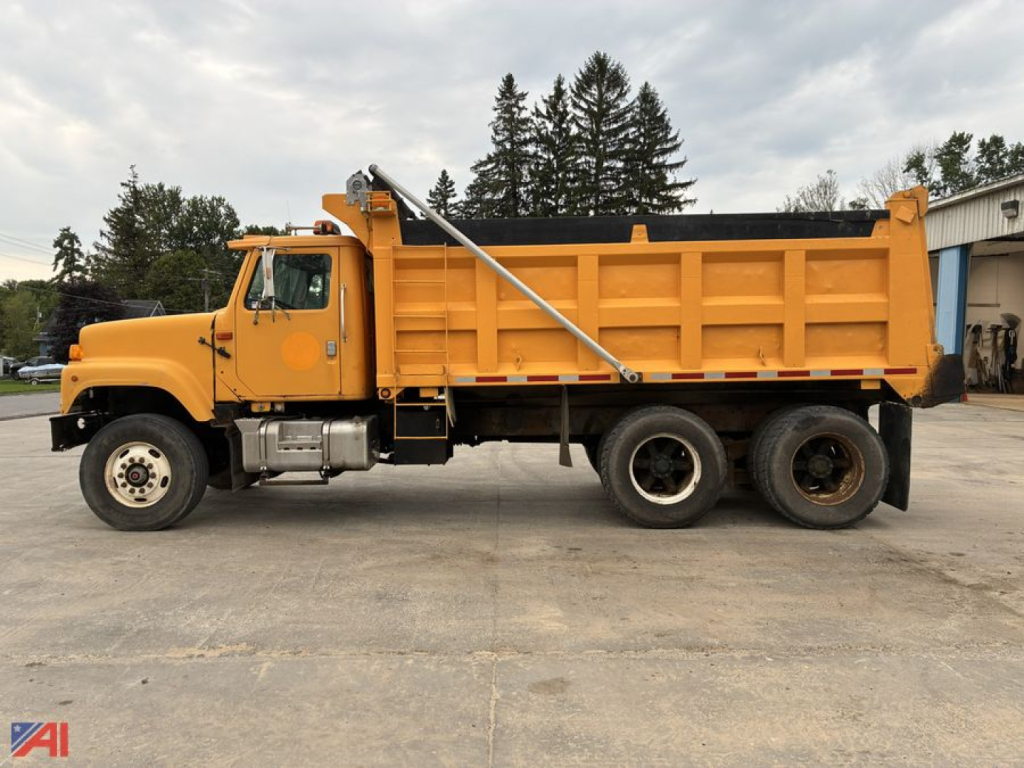
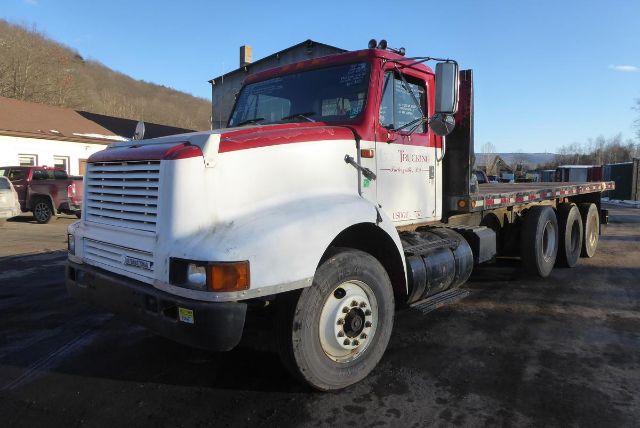
The most important buying decision is the chassis configuration. A 1995 International dump truck or plow truck usually needs close attention on frame condition, hoist operation, PTO function, front axle capacity, and suspension wear. For a road tractor or conventional day cab, look at wheelbase, fifth wheel setup, rear axle ratio, and whether the truck was spec'd for local work or sustained highway use. Engines from this era may include International mechanical diesels or electronically controlled options, along with common supplier engines in heavier models. Transmission choices are often manual, with some vocational applications using automatic or Allison setups. On any 1995 truck, brake type, spring versus air ride suspension, and parts support should be checked early because those items affect both operating cost and intended use.
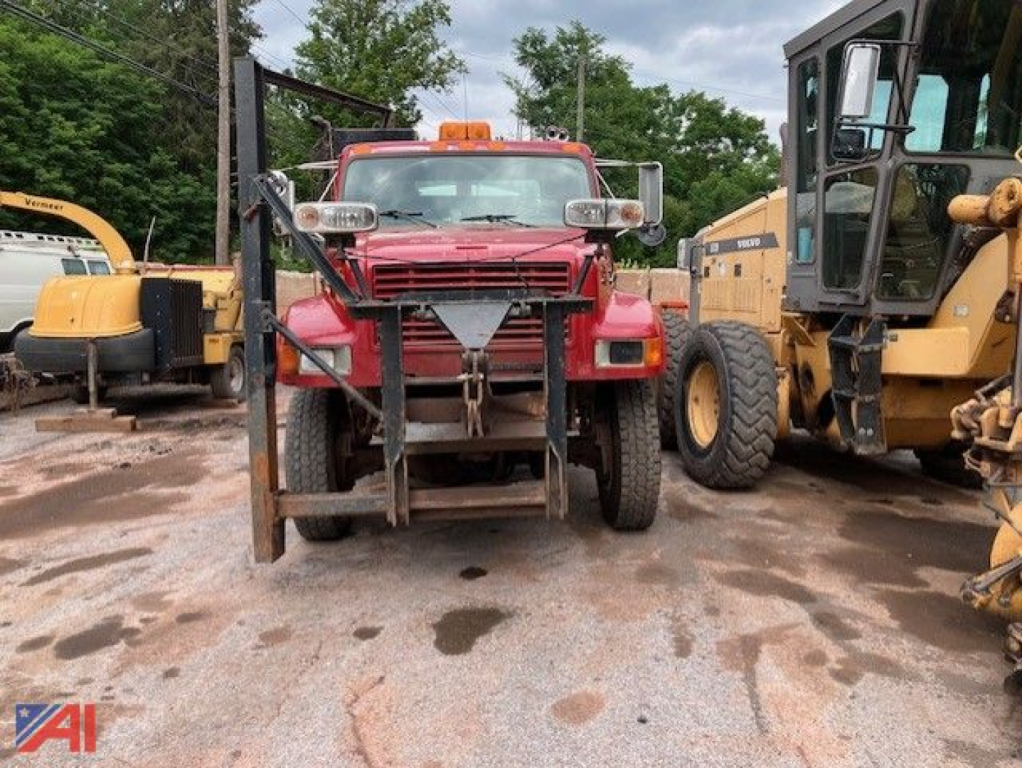
In New York, corrosion is a real purchase factor on any 1995 truck. Frame rails, cab mounts, spring hangers, brake lines, crossmembers, dump bodies, plow mounts, and electrical connections deserve a careful inspection. Municipal and snow-service trucks can offer strong vocational specs, but they also tend to see hard seasonal duty, idling, and exposure to salt. A buyer should verify title status, GVWR, axle ratings, and body integration, especially on older dump, utility, or specialty chassis where the truck and body may have been repaired or modified more than once.
A well-matched 1995 International still appeals to buyers who value simplicity, rebuild potential, and lower acquisition cost over late-model electronics and emissions systems. The best units are usually the ones with a clear service history, application-appropriate specs, and a solid structural foundation. If the truck will be worked immediately, prioritize driveline condition, brake system integrity, steering components, and tire budget. If it is being bought as a project or seasonal backup, parts interchange, engine family support, and body condition may matter just as much as mileage or hours.
Frequently Asked Questions about 1995 International Trucks in New York
What should I inspect first on a 1995 International truck?
Start with the frame, cab structure, and driveline because those are the most expensive problems to correct on an older truck. On New York trucks, rust around frame rails, crossmembers, spring hangers, cab mounts, floors, and brake or fuel system components is especially important. After structure, confirm engine condition, transmission operation, differential noise, steering play, brake performance, and whether the PTO or hydraulic system works correctly on vocational units.
Are 1995 International trucks good for dump or municipal work?
They can be, especially if the truck was originally spec'd as a vocational chassis with the right axle capacities, suspension, and frame reinforcement. A 1995 International dump truck or plow truck may still be useful for seasonal, farm, or local site work if the hoist, hydraulics, front axle, and brake system are in good shape. The main concern is not the age alone but how hard the truck was used, how much corrosion it has, and whether replacement parts remain practical for the exact engine and chassis.
What engines and transmissions are common in a 1995 International truck?
That depends on the truck class and application, but buyers will often encounter International diesel engines in medium-duty models and larger-displacement diesel options in heavier vocational or highway chassis. Manual transmissions are common, especially 5-speed, 6-speed, 9-speed, or 10-speed setups, while some route or municipal trucks use Allison automatics. The engine and transmission pairing matters because it affects parts sourcing, drivability, highway speed, PTO compatibility, and overall serviceability.
Is mileage the most important factor on a 1995 International?
No. On a truck of this age, condition and prior use usually matter more than odometer reading. A lower-mile municipal truck may still have heavy idle hours, corrosion, hydraulic wear, and repeated stop-and-go stress, while a higher-mile road truck may have better maintenance and less structural rust. Buyers should weigh service records, engine blow-by, fluid condition, frame health, and component function more heavily than mileage alone.
Why do buyers still consider older International trucks instead of newer models?
Many buyers want a simpler truck with fewer emissions-related systems, lower purchase cost, and a chassis that can serve as a farm truck, backup unit, yard truck, or vocational project. A 1995 International may also appeal to owners with in-house repair capability who prefer mechanical access and familiar components. The tradeoff is that inspection quality becomes critical, because age-related wear, corrosion, and prior modifications can have a bigger impact than the badge or model year.