
Hooklift Trucks For Sale in Washington
No exact matches found for your search
Showing Hooklift Trucks instead.
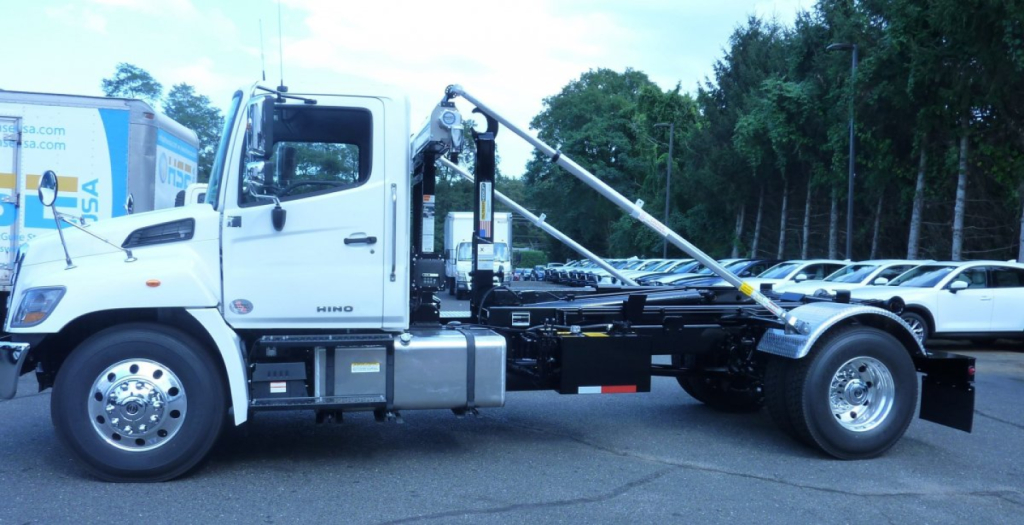

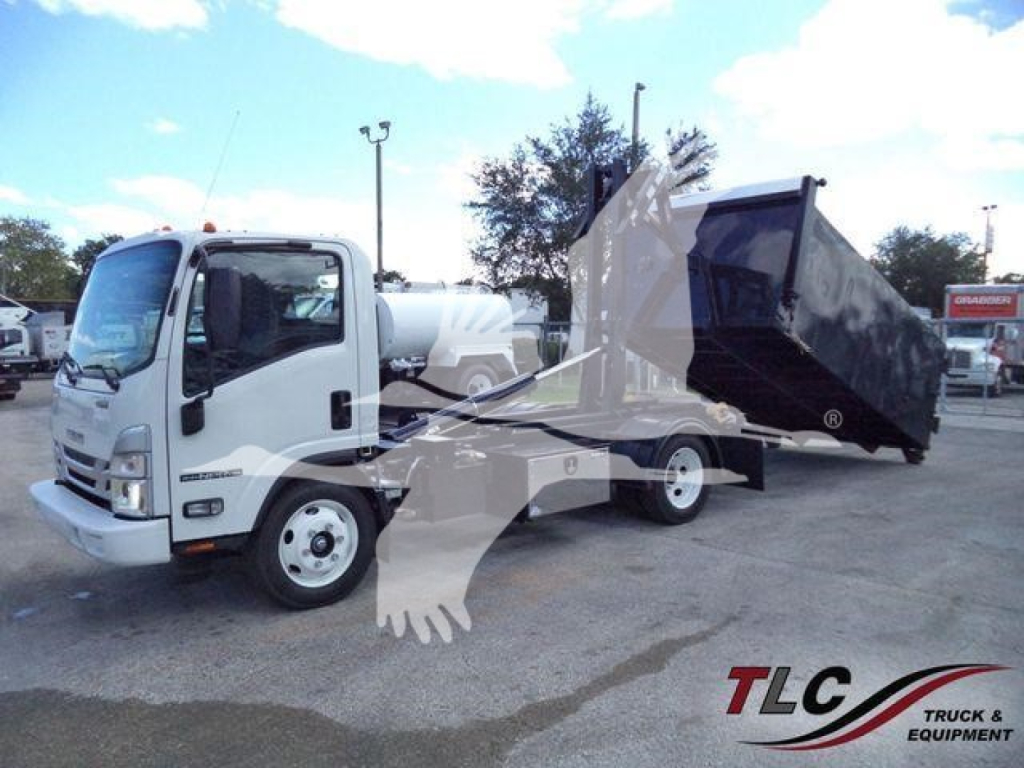
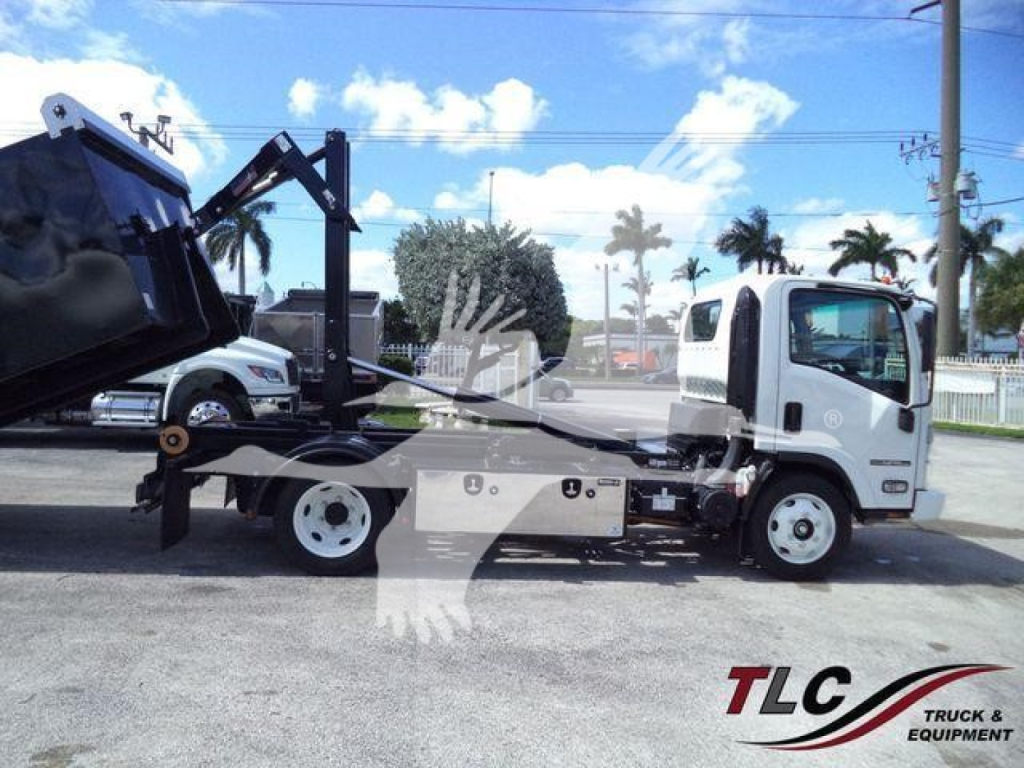
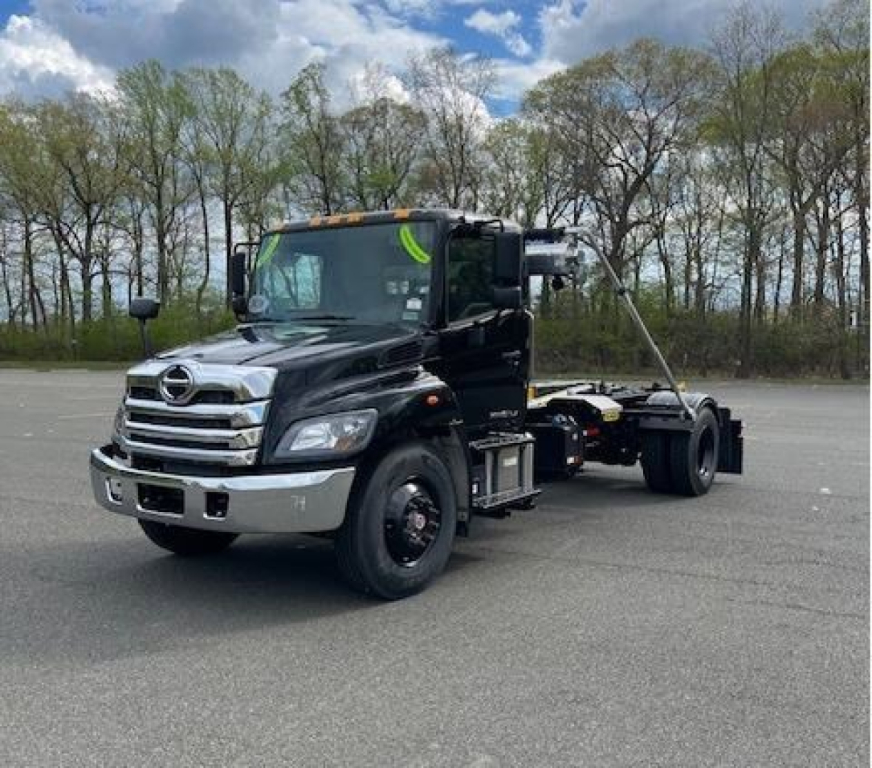
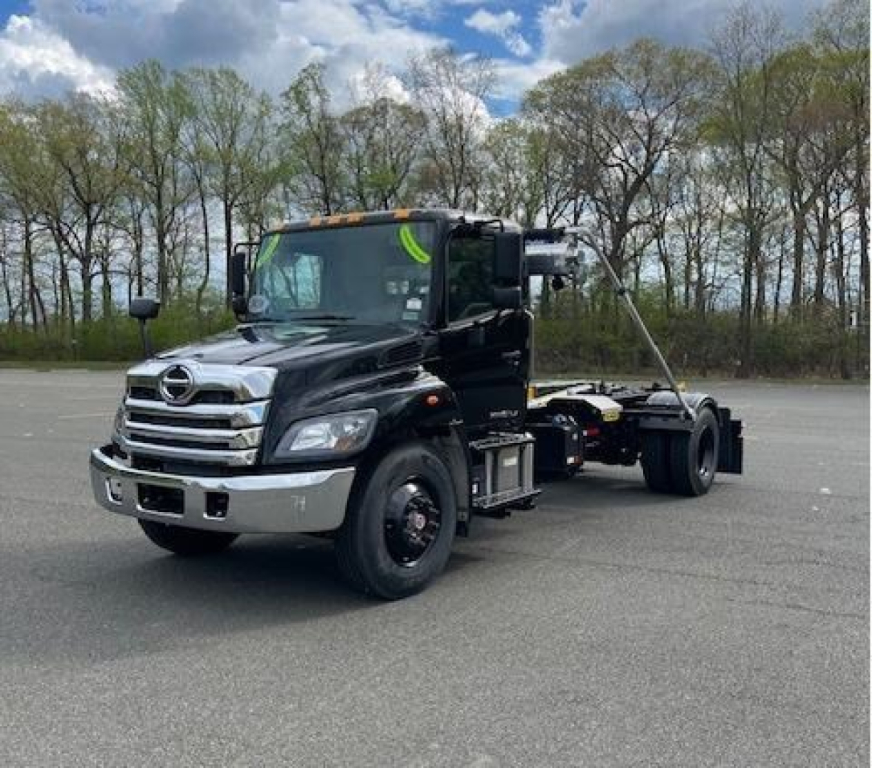
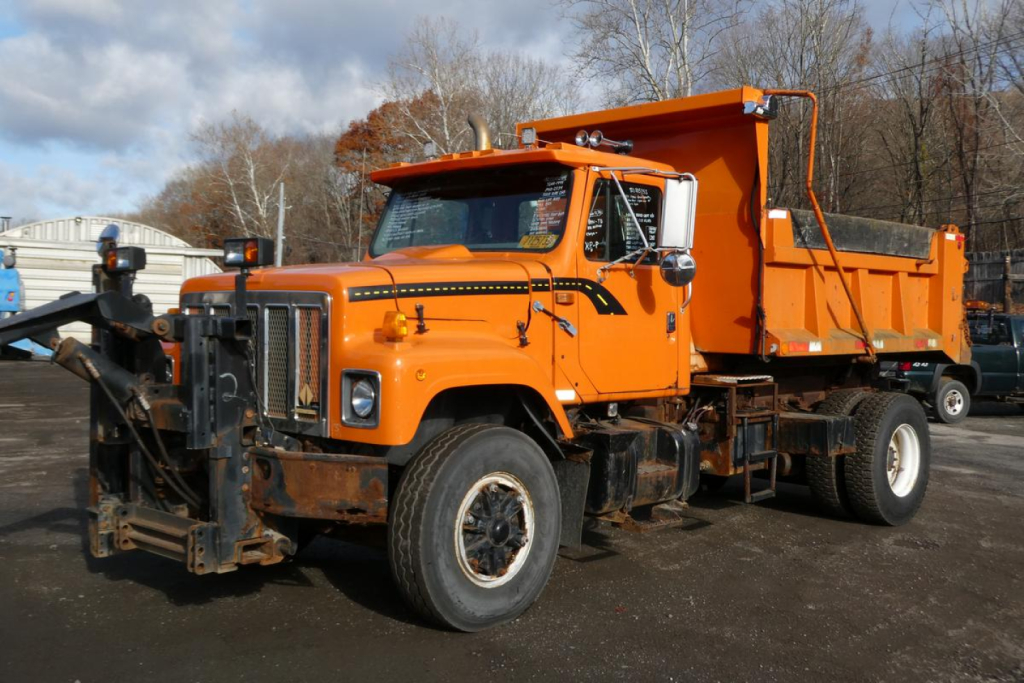
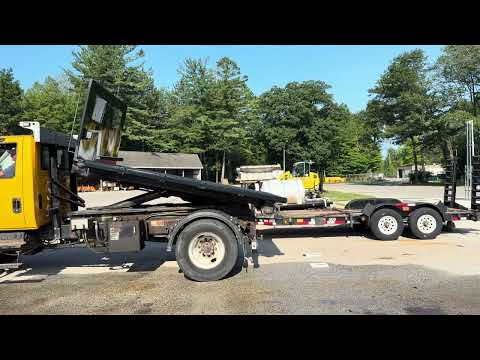
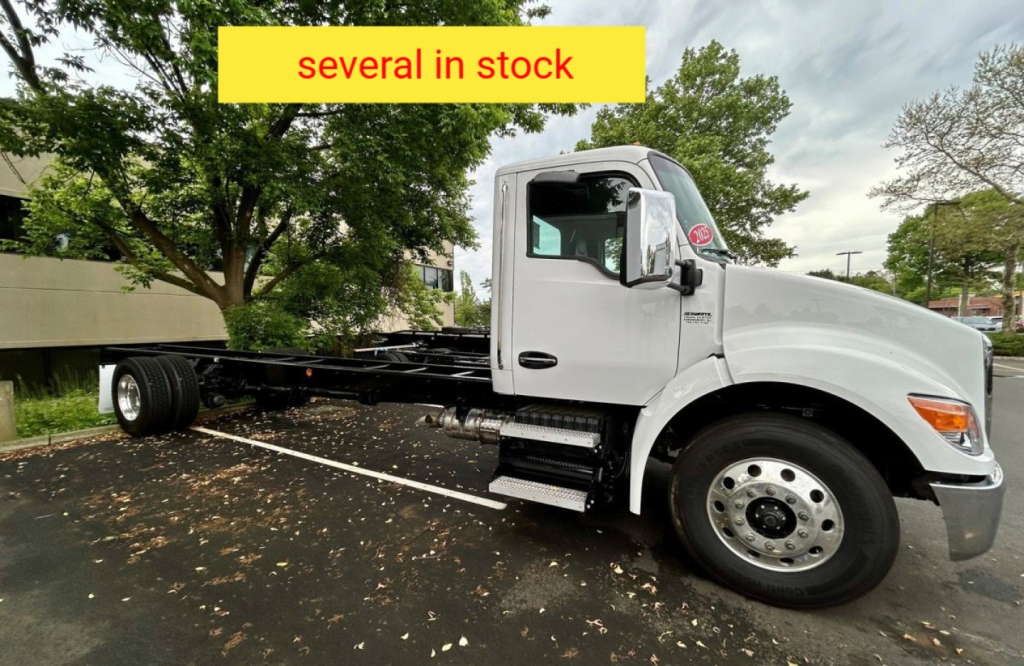
Showing 1 to 12 of 16 results
Have hooklift truck to sell? List it here to reach thousands of buyers.
Hooklift Trucks in Washington
Most medium-duty hooklift trucks in this class are spec'd on Class 6 or Class 7 chassis with GVWRs around 26,000 to 33,000 pounds, though heavier setups are common when payload demands increase. Common powertrains include diesel engines in the 6.7-liter range, often paired with automatic transmissions such as the Allison 3000 series for stop-and-go vocational work. Buyers should look closely at axle ratings, wheelbase, rear suspension, and rear ratio because those specs directly affect body compatibility, legal payload, and gradeability. A shorter wheelbase can improve maneuverability on tight urban routes and transfer sites, while a longer wheelbase may be needed for longer cans or specialty bodies.
The hooklift itself deserves as much attention as the chassis. Adjustable hook height can improve compatibility across different body manufacturers, and hoist models are typically rated by lifting capacity in the 20,000-pound range and up. Rail design, body lock system, hydraulic pressure, and dump angle all affect daily performance. Many trucks are also equipped with tarp systems for debris containment, fenders for jobsite protection, and camera systems for backing and container pickup, although camera coverage varies by spec. If the truck will spend time on uneven ground, pay attention to frame reinforcement, suspension stiffness, and how the body sits on the rails under load.
Washington operators should also think about route terrain, municipal compliance, and year-round operating conditions. Wet weather, steep grades, and mixed urban-rural service areas make braking performance, traction, corrosion resistance, and hydraulic reliability more important than they might be in flatter, drier markets. A well-matched hooklift truck can replace several single-purpose units, but only if the truck, hoist, and body lengths are aligned from the start. Buyers comparing listings should focus on hook capacity, inside and outside rail dimensions, cab-to-axle measurement, axle spread, PTO and hydraulic setup, and the actual body types the truck is intended to handle.
Frequently Asked Questions about Hooklift Trucks in Washington
What is the main advantage of a hooklift truck compared with a fixed dump body or dedicated roll-off truck?
A hooklift truck gives one chassis the ability to run multiple interchangeable bodies. That means the same truck can switch from a dump body to a container, flatbed, or equipment platform as needed. For many fleets, that improves utilization and reduces the need to own several single-purpose vocational trucks. The tradeoff is that body compatibility becomes critical, so the hoist rating, hook height, rail length, and chassis dimensions all need to match the bodies you plan to use.
How do I know what hooklift capacity I need?
Start with the heaviest loaded body the truck will regularly pick up, not the empty container weight. The hooklift's rated lifting capacity must be matched to the real operating load, while the truck's GVWR, axle ratings, and frame spec must support that load legally and safely. Buyers should also account for the weight of the hoist, tarp system, body locks, and any mounted accessories because those reduce available payload. In practical terms, capacity is a truck-and-hoist decision, not just a hoist decision.
What chassis specs matter most on a hooklift truck?
Wheelbase, cab-to-axle measurement, rear axle rating, front axle rating, suspension type, rear ratio, and transmission choice all matter. Wheelbase and cab-to-axle affect what body lengths the truck can handle and how well it balances loaded containers. Axle ratings and suspension determine payload support and stability. Rear ratio and transmission setup affect launch performance and gradeability, especially in stop-and-go or hilly service. Buyers in Washington should also weigh braking performance and traction for wet pavement and elevation changes.
Are automatic transmissions common in hooklift trucks?
Yes. Automatic transmissions are widely used in hooklift applications because they perform well in vocational duty cycles with frequent stops, backing, and jobsite maneuvering. They can reduce driver fatigue, simplify training, and improve low-speed control during container pickup and placement. Many buyers prefer an Allison automatic in medium-duty hooklift service because of its reputation in municipal, waste, and construction fleet use.
What should I check for body compatibility on a used or newly spec'd hooklift truck?
Check hook height, usable rail length, body lock style, inside and outside rail width, container roller setup, and the hoist's rated dump and pickup geometry. You should also confirm cab-to-axle measurement, rear overhang, and any manufacturer-specific body requirements. A hooklift truck can look properly spec'd on paper and still have compatibility issues if the body rails, hook bar location, or body length do not line up with the hoist design. Verifying exact container and body dimensions before purchase prevents expensive rework later.