
Peterbilt Heavy Haul Trucks For Sale
Browse Peterbilt heavy haul trucks built for high-GCW work, severe-duty specs, vocational upfit compatibility, and premium driver comfort.
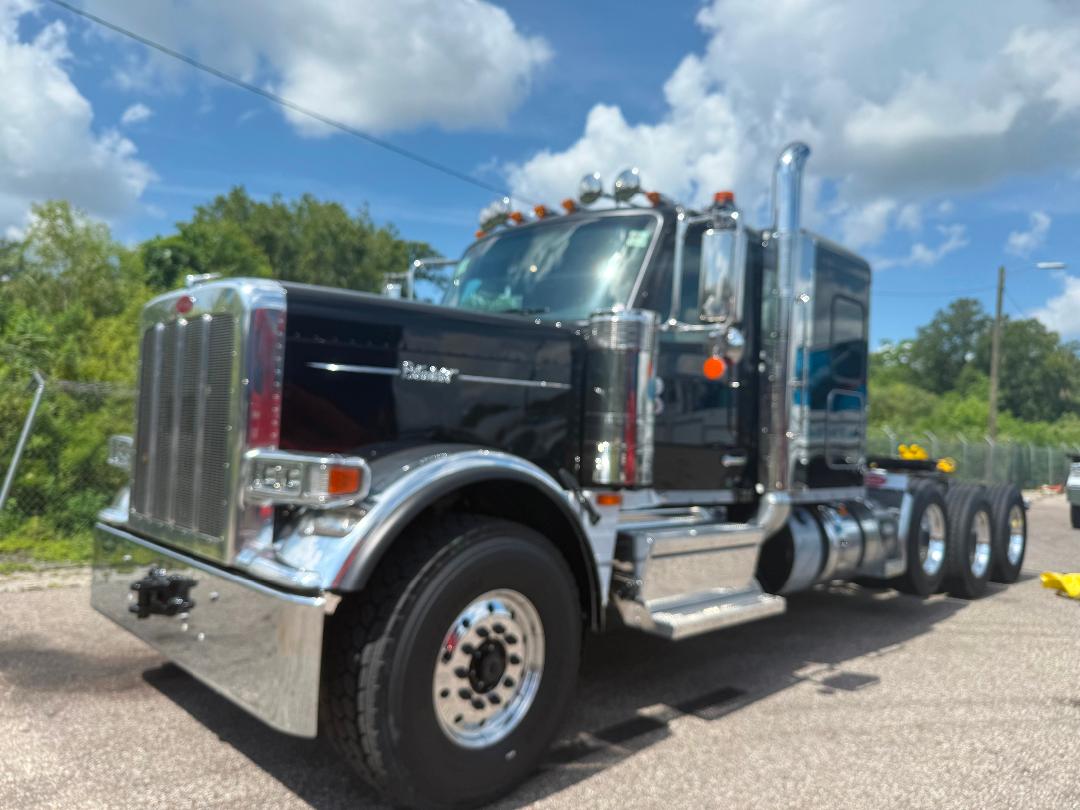
Selling a peterbilt heavy haul truck? List your peterbilt heavy haul truck for sale and reach thousands of commercial buyers.
Peterbilt Heavy Haul Trucks
A Peterbilt heavy haul spec often starts with the right chassis. Look closely at front axle capacity, rear suspension rating, frame rail section modulus, and whether the truck is set up as a tandem, tri-drive, or other multi-axle configuration. Double frame construction, heavy-duty crossmembers, planetary or heavy-reduction rears, full locking differentials, and pusher or tag axle provisions can all be important depending on permitted weight and route profile. Buyers should also evaluate wheelbase, bridge compliance, and headache rack or deck plate layout, especially if the truck will carry chain, blocking, outriggers, or hydraulic equipment.
Powertrain selection is critical in a Peterbilt heavy haul truck. These trucks are commonly spec'd with high-horsepower, high-torque diesel engines paired with automated manual or manual transmissions that offer deep reduction for launching extreme loads. Rear axle ratios should match the trailer type and operating terrain, not just highway cruise speed. A truck pulling concentrated weight through hills or jobsite access roads may benefit from lower gearing, larger cooling packages, and robust engine brake performance. PTO capability, wet kit readiness, and air and electrical routing also matter if the tractor will support specialized trailers, booster axles, or hydraulic detachable goosenecks.
Cab and serviceability still count because heavy haul work puts long hours and high stress on both truck and driver. Peterbilt is known for premium interior finish, driver-friendly ergonomics, and conventional hood access that simplifies daily checks and maintenance. For buyers comparing listings, the real value is in how the truck is spec'd for the intended permit loads, trailer setup, and operating region. A clean Peterbilt badge carries appeal, but the best heavy haul truck is the one with the right axle package, frame, gearing, cooling system, and brake spec for the work.
Frequently Asked Questions about Peterbilt Heavy Haul Trucks
What makes a Peterbilt heavy haul truck different from a standard highway tractor?
A Peterbilt heavy haul truck is typically built with stronger frame rails, higher axle ratings, heavier suspensions, lower drivetrain gearing, and severe-duty cooling and braking systems. It is designed to start, pull, and control extremely heavy loads at low speed, often in off-highway, steep-grade, or permit-required conditions. A standard highway tractor may look similar from a distance, but it usually lacks the structural and drivetrain components needed for consistent heavy haul service.
What specs should I check first on a Peterbilt heavy haul truck?
Start with front axle rating, rear axle capacity, suspension rating, frame configuration, and wheelbase. Then verify engine torque, transmission model, rear axle ratio, and whether the truck has full locking differentials, heavy-duty cooling, and the PTO or hydraulic provisions your trailer requires. These specs determine whether the truck can legally and practically handle your target loads far more than model year or appearance alone.
Is a Peterbilt 589 suitable for heavy haul applications?
A Peterbilt 589 can be configured for heavy haul work when it is ordered with the proper severe-duty chassis, axle, suspension, and drivetrain components. The model designation alone does not confirm heavy haul capability. Buyers need to review the actual build spec, including frame reinforcement, axle ratings, gearing, cooling package, and vocational equipment compatibility, to determine if a specific 589 is set up for oversize or overweight service.
Are manual or automated transmissions better for Peterbilt heavy haul trucks?
Both can work well when matched to the application. Manual transmissions remain popular in some heavy haul operations because they give experienced drivers direct control in low-speed and off-road conditions. Automated manual transmissions have become more common because they reduce driver fatigue, improve shift consistency, and can be very effective when paired with the correct software, gearing, and torque rating. The better choice depends on load profile, terrain, driver preference, and maintenance support.
Why do axle ratio and cooling capacity matter so much in heavy haul service?
Heavy haul trucks spend more time under extreme load at low road speed, which increases stress on the engine, driveline, and cooling system. A proper rear axle ratio helps the truck launch heavy loads, maintain control on grades, and keep the engine in its ideal torque range. Adequate cooling capacity is just as important because oversized loads, slow climbs, and hydraulic trailer work can generate sustained heat that a lighter highway spec may not handle well.