
Kenworth Heavy Haul Trucks For Sale
Shop Kenworth heavy haul trucks with specs built for oversized loads, high GCW ratings, strong drivetrains, and demanding permit work.
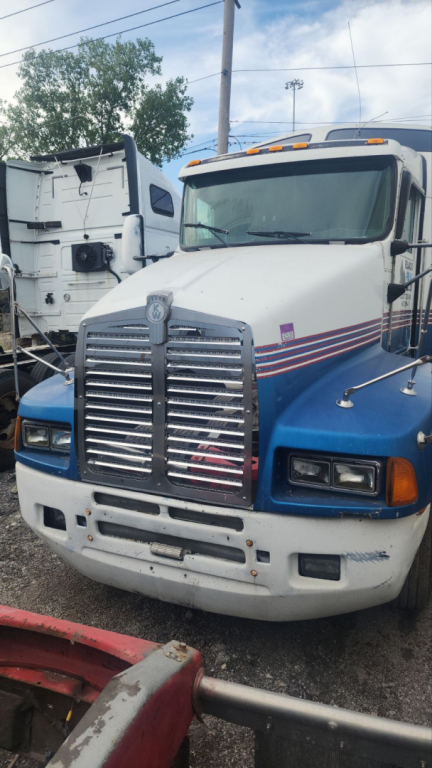
Selling a kenworth heavy haul truck? List your kenworth heavy haul truck for sale and reach thousands of commercial buyers.
Kenworth Heavy Haul Trucks
Powertrain matters more in heavy haul than in standard over-the-road service. Many buyers look for big-bore diesel platforms such as the Cummins X15 or ISX family paired with automated manual or manual transmissions that offer deep reduction gearing. For true heavy spec work, transmission model, rear axle ratio, and suspension rating are as important as horsepower. A truck that looks similar from the outside can perform very differently depending on whether it has 3.36 rears for faster highway running or a much deeper ratio intended for lowboy, multi-axle, or permit loads. Double-frame construction, heavier front axle ratings, locking differentials, and driveline protection are all worth confirming when the truck will spend time starting heavy loads on uneven ground or climbing in low gear.
Kenworth models seen in heavy haul applications can range from aerodynamic highway tractors adapted for lighter specialized service to purpose-built vocational platforms such as the W900, T800, or C500 family. The right choice depends on the work. A more highway-oriented tractor may fit regional machinery moves, construction support, or moderate oversize freight where fuel economy and driver comfort still matter. A dedicated heavy spec truck is better suited for lowboy work, oilfield support, transformer moves, and other jobs where front axle capacity, frame strength, and cooling reserve are non-negotiable. Buyers should also pay attention to PTO provisions, wet kit setup, sliding fifth wheel versus fixed plate, and the ability to match kingpin settings with the trailers they plan to pull.
Cab condition and service history still matter, but heavy haul buyers should inspect beyond normal fleet items. Look closely at frame modifications, evidence of overload stress, suspension bushing wear, brake spec, and tire condition across all positions. Cooling system service, clutch life if equipped, DPF and aftertreatment history, and signs of driveline vibration are especially important on used heavy haul trucks. A properly spec'd Kenworth can serve in both specialized over-dimensional freight and demanding everyday tractor work, but the best value comes from matching axle ratings, gearing, frame spec, and trailer requirements to the actual loads being moved.
Frequently Asked Questions about Kenworth Heavy Haul Trucks
What makes a Kenworth truck a heavy haul truck instead of a standard highway tractor?
A Kenworth heavy haul truck is typically defined by its chassis and drivetrain specification rather than just the badge on the hood. Key differences include higher axle ratings, stronger frame rails, heavier suspensions, deeper rear axle ratios, larger cooling systems, and driveline components selected for high gross combination weights. Many heavy haul trucks also include double-frame construction, locking differentials, PTO capability, and front axle capacities that support specialized trailers and permit loads.
Which Kenworth models are commonly used for heavy haul work?
Kenworth W900, T800, and C500 models are the most recognized heavy haul platforms because they are commonly spec'd for severe-duty applications and high front axle capacities. Some T680 tractors also appear in lighter heavy haul or specialized regional service when they are configured with the right drivetrain, frame, and axle ratings. The model matters, but the actual build sheet matters more because two trucks with the same model name can have very different capacities and operating ranges.
What specs should I check first on a used Kenworth heavy haul truck?
Start with front axle rating, rear axle rating, wheelbase, frame specification, transmission model, and rear axle ratio. Then confirm suspension rating, fifth wheel setup, PTO or wet kit provisions, and cooling package. These details determine how the truck will handle trailer pin weight, startup load, grade performance, and legal weight distribution. Service records for brakes, clutch, driveline, and aftertreatment are also important because heavy haul service puts more stress on these systems than standard linehaul work.
Is an automatic transmission suitable for heavy haul service?
An automatic or automated manual can work well in heavy haul service if it is paired with the correct engine torque rating, gearing, and transmission calibration. The important factor is not simply whether the truck shifts automatically, but whether the transmission is designed for high GCW operation and low-speed maneuvering under load. For specialized hauling, buyers should verify gear ratio spread, low-speed control, and manufacturer rating for the intended application.
How important are rear axle ratio and suspension rating in heavy haul applications?
They are critical because they directly affect pulling power, startability, driveline stress, and stability under load. A truck with highway gearing may run efficiently at speed but struggle with heavy lowboy work or repeated starts on grades. Suspension rating is equally important because it determines how much weight the chassis can support and how well it manages load transfer. In heavy haul, the wrong ratio or suspension can limit the truck long before horsepower becomes the issue.