
Trucks For Sale Near Hampton, Georgia
Browse trucks for sale in Hampton, Georgia, including day cabs, sleeper semis, and medium-duty work trucks for regional and over-the-road use.
Learn more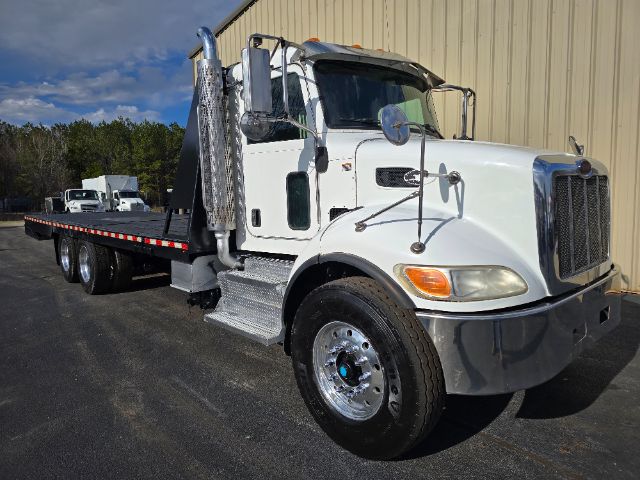
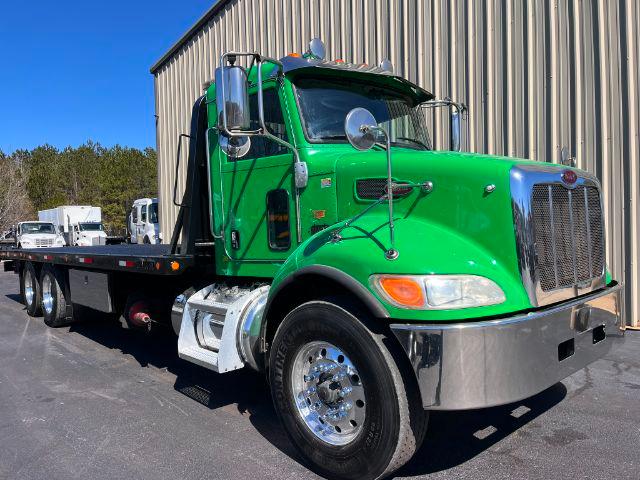
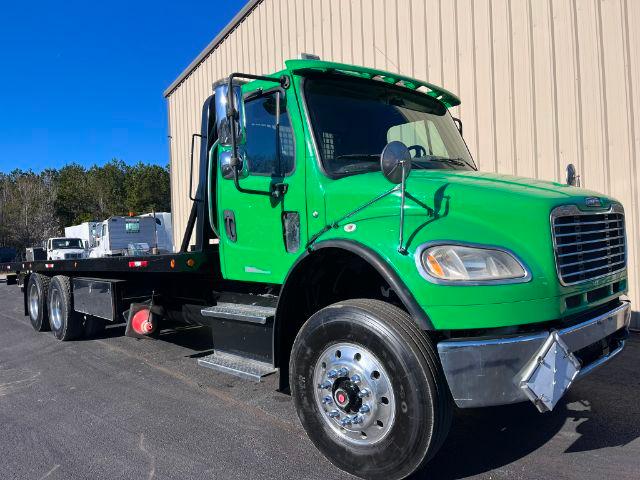
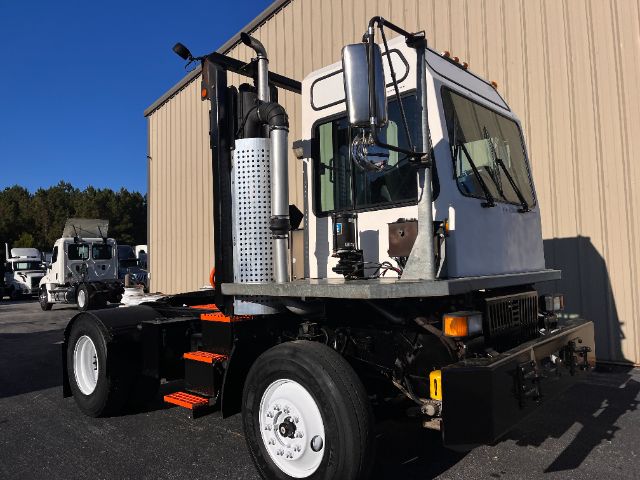
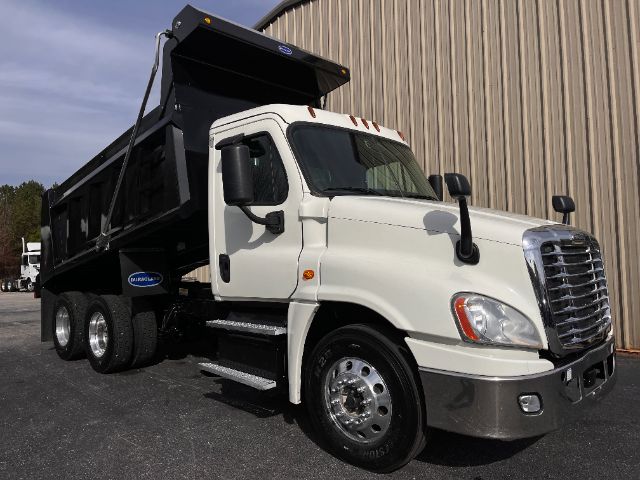
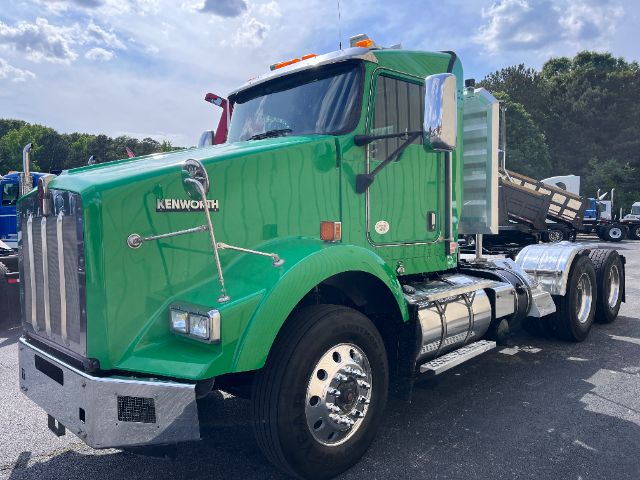
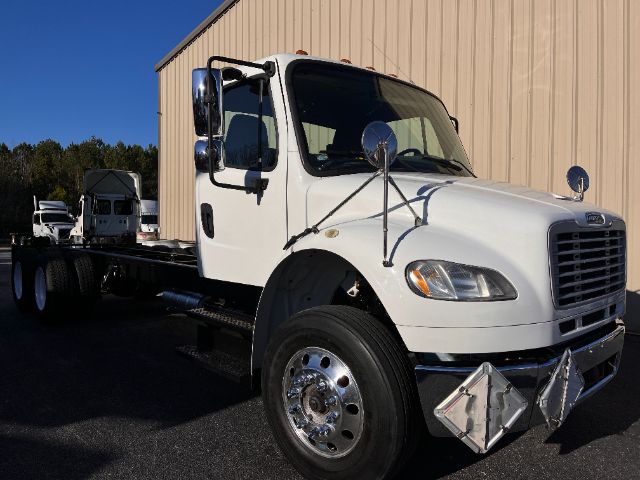
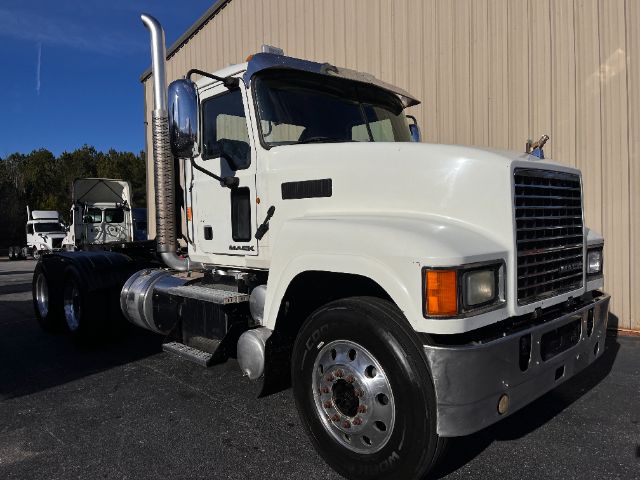
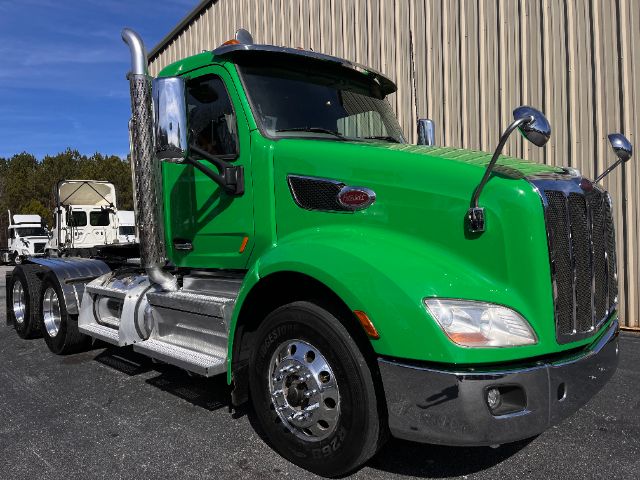
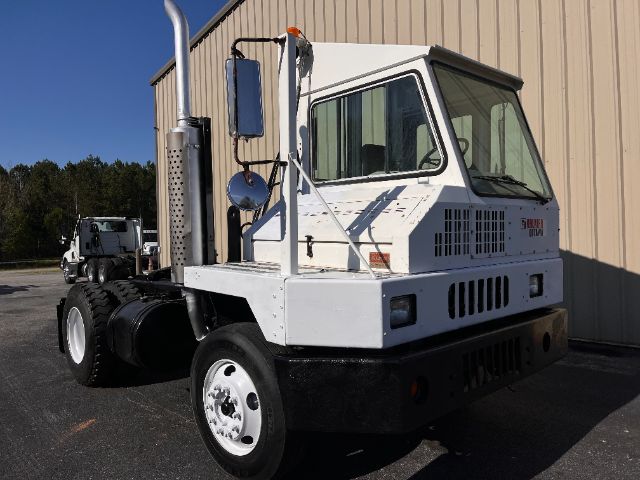
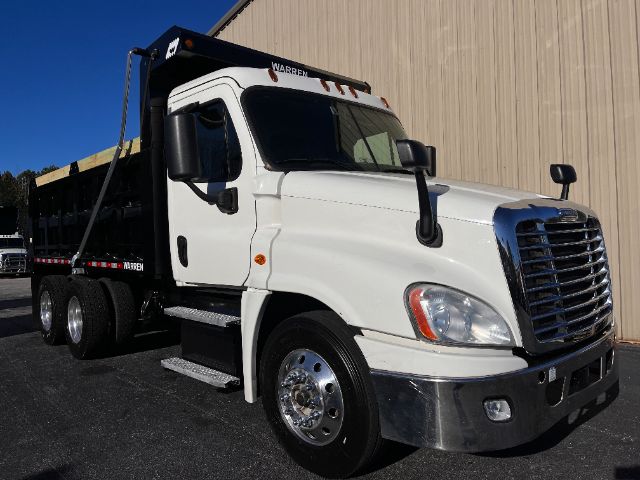
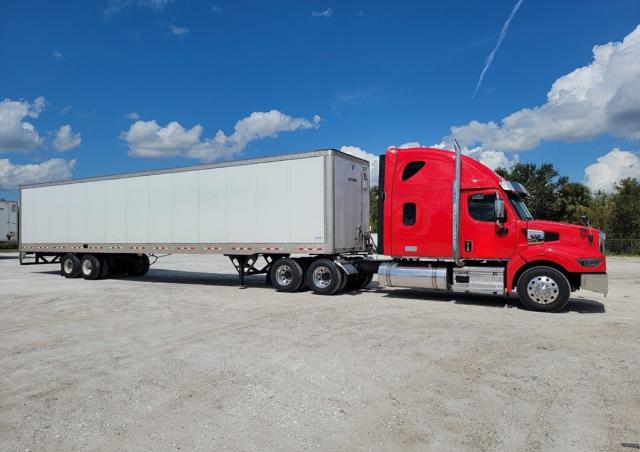
Showing 253 to 264 of 268 results
Have truck to sell? List it here to reach thousands of buyers.
About Trucks Near Hampton, Georgia
Sleeper tractors remain the core of many long-haul operations because they balance driver comfort, fuel capacity, and highway gearing. Popular specs in this segment often include 72-inch raised-roof sleepers, 450 to 505 horsepower ratings, 12-speed AMTs such as the DT12 or Endurant, and tandem rear axles rated around 40,000 pounds. Buyers comparing conventional sleeper trucks should pay attention to wheelbase, rear axle ratio, fuel capacity, and sleeper layout. A 2.41 or 2.85 ratio, for example, affects cruise RPM, gradeability, and fuel economy depending on freight weight and terrain. Double bunk setups, bunk heaters, inverters, sliding fifth wheels, engine brakes, and collision mitigation systems also matter if the truck will stay out for extended runs.
Day cab trucks are the right fit for dedicated routes, drayage, tanker work, regional distribution, and other applications where the truck returns regularly. A shorter wheelbase improves maneuverability in yards and urban delivery points, while still allowing a Class 8 tandem axle tractor to handle heavy trailers. Buyers should look closely at front axle rating, rear suspension type, brake system, tire size, and fifth wheel arrangement, especially if the truck will pull a mix of van, reefer, flatbed, or container chassis. For medium-duty trucks and hot shot units, the focus shifts toward cab configuration, single-axle capacity, 4x4 capability, hitch or stationary fifth wheel setup, and whether the truck is better suited for equipment hauling, expedited freight, or service body conversion.
In a market like Hampton, positioned near major freight corridors and Atlanta-area distribution activity, truck selection often comes down to duty cycle and total operating cost more than brand alone. Engine family, transmission type, mileage, and emissions system history are central review points on any used truck. It also helps to verify comfort and safety items such as heated mirrors, power accessories, air conditioning, aluminum wheels, differential lock, and tire condition, since those details affect uptime as much as headline specs do. A well-matched truck should fit the lane, trailer type, weight profile, and maintenance plan without forcing compromises in gearing, cab space, or axle capacity.
Frequently Asked Questions
What is the difference between a day cab truck and a sleeper truck?
A day cab truck is a highway tractor without a sleeping compartment, built mainly for local, regional, port, and dedicated route work where the driver returns regularly. A sleeper truck includes an integrated bunk area and is designed for over-the-road use, longer dispatch cycles, and better driver accommodation. The choice usually comes down to route length, time away from home, fuel capacity needs, and how much maneuverability you need in tighter operating environments.
What specs matter most when comparing used semi trucks for sale?
The most important specs are engine model, horsepower, transmission type, axle configuration, wheelbase, rear axle ratio, suspension, and mileage. Buyers should also review front and rear axle ratings, fuel capacity, brake type, fifth wheel setup, and emissions system service history. Those items affect pulling performance, fuel economy, maintenance cost, trailer compatibility, and how well the truck fits a specific lane or freight profile.
Is an automated manual transmission a good choice for a fleet truck?
An automated manual transmission is a strong choice for many fleets because it can improve driver consistency, reduce clutch-related wear, and make recruiting easier for operations that do not require manual-shift experience. Units such as the DT12 and Endurant are common in modern highway tractors. The best fit depends on terrain, gross combination weight, maintenance support, and whether the truck will run linehaul, regional, or vocational work.
What axle setup is most common for highway tractors?
The most common setup for Class 8 highway tractors is a tandem axle 6x4 configuration. It provides the traction, axle capacity, and durability needed for loaded van, reefer, flatbed, and general freight applications. Single-axle tractors still have a place in lighter regional work, but most buyers looking for broad trailer compatibility and higher weight capability start with a tandem axle truck.
Are medium-duty trucks and hot shot trucks considered part of the truck market?
Yes. Medium-duty trucks, expeditor trucks, and hot shot trucks are all part of the broader truck market, but they serve different roles than a Class 8 road tractor. These trucks are often used for smaller loads, expedited freight, equipment transport, service work, or applications where lower operating cost and greater flexibility matter more than maximum gross combination weight. Buyers should compare cab style, drivetrain, towing setup, payload limits, and intended route structure before choosing one over a full-size semi tractor.