
Used Western Star Grapple Trucks For Sale
Browse used Western Star grapple trucks with tandem axles, loader setups, and vocational specs suited for waste, scrap, and debris work.
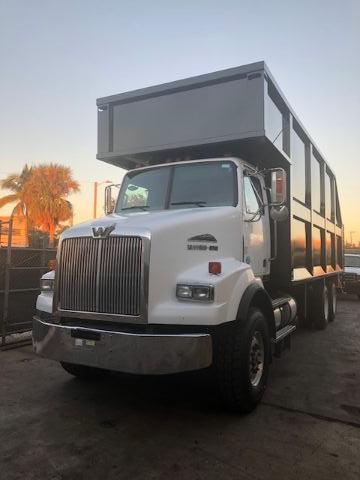
Selling a used western star grapple truck? List your used western star grapple truck for sale and reach thousands of commercial buyers.
Used Western Star Grapple Trucks
One of the first decisions is chassis and driveline spec. Many used Western Star grapple trucks are equipped with Detroit power, often in the 12 to 15 liter range, with horsepower commonly set to support both road speed and PTO-driven hydraulic work. Manual transmissions such as an 8LL are still common on older units because they give operators good low-speed control on jobsites and in tight pickup conditions, though automated manuals and full automatics also show up depending on the fleet. Tandem axle setups are common because grapple applications carry concentrated body, crane, and load weight, so buyers should pay close attention to rear axle ratings, suspension type, wheelbase, and how the body and loader placement affect bridge law compliance and turning radius.
The loader package matters as much as the truck. A used Western Star grapple truck may be fitted with a Rotobec, Petersen, Palfinger, or similar loader, paired with a waste grapple, scrap grapple, or brush grapple depending on prior use. Boom reach, rotator condition, outrigger design, hydraulic pump capacity, and control style all affect production. Body design is also important. High-side debris bodies, integrated tool storage, tarping systems, rear hitches, and cab guards can change how useful the truck is for tree service, municipal bulk pickup, or demolition cleanup. On used units, buyers should inspect pin and bushing wear, cylinder seepage, turntable play, frame cracking around crane mounts, hoist condition if equipped, and overall hydraulic hose routing.
A well-spec'd used Western Star grapple truck can be a strong fit for fleets that need roadable capacity and long service life without stepping into a new build. The best values usually come from trucks with clear PTO and hydraulic service history, predictable emissions maintenance, and a loader model with readily available parts support. If the truck will spend more time on residential routes, visibility, cab access, and maneuverability deserve extra weight. If it will run scrap, transfer, or storm debris, focus more on axle ratings, body volume, loader reach, and structural condition. In this class, uptime comes from matching the crane, body, and chassis to the actual material stream instead of buying on engine horsepower alone.
Frequently Asked Questions about Used Western Star Grapple Trucks
What should I inspect first on a used Western Star grapple truck?
Start with the hydraulic loader and the truck frame where the crane or material handler is mounted. Check for excessive play in pins and bushings, leaks at cylinders and valves, hose damage, outrigger wear, and cracking or repairs around the subframe and mounting points. After that, verify PTO engagement, hydraulic pump performance, rear suspension condition, axle ratings, and the service history for both the engine and emissions system.
Are tandem axle Western Star grapple trucks better for debris and waste work?
Tandem axle configurations are common because they handle the combined weight of the chassis, body, loader, and payload more effectively than lighter setups. They generally offer better axle capacity, improved stability during loading, and more flexibility for heavier debris, scrap, and storm cleanup applications. The tradeoff is added weight, a larger turning circle, and potentially higher maintenance cost, so the route and material type still need to match the spec.
What loader brands and configurations are common on used grapple trucks?
Used grapple trucks in this class are often equipped with loader brands such as Rotobec, Petersen, Palfinger, and other knuckleboom or material handler systems. Key differences include boom reach, lifting capacity, control type, outrigger layout, and grapple style. A brush and debris setup may differ significantly from a scrap configuration, so buyers should confirm that the grapple, body, and hydraulic system were designed for the material they plan to move.
Is a manual transmission like an 8LL a good choice for a grapple truck?
An 8LL manual can be a solid choice in vocational service because it gives the driver strong low-speed control for jobsites, alley pickups, and stop-and-go operation. It is especially useful where the truck needs to creep into position repeatedly while managing load placement. The downside is that driver familiarity matters, and some fleets prefer automatic or automated manual transmissions to reduce training time and improve consistency across operators.
How important is emissions history on a used Western Star grapple truck?
Emissions history is very important because grapple trucks often spend long periods idling or operating PTO equipment, which can affect aftertreatment performance. Buyers should review any records related to DPF cleaning, injector work, EGR repairs, DEF system service, and fault history. A truck with documented maintenance and normal regen behavior is usually a safer buy than one with limited records, even if both appear similar in mileage and appearance.