
Western Star Grapple Trucks For Sale
Shop Western Star grapple trucks built for waste, recycling, and debris work, with heavy-duty specs, loader options, and vocational durability.
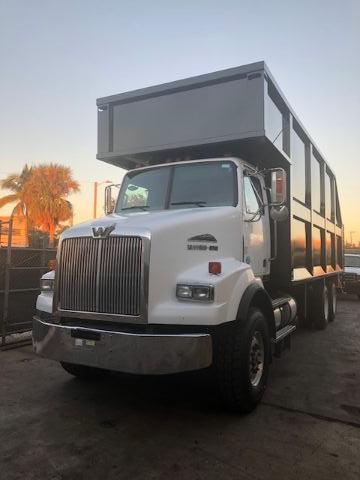
Selling a western star grapple truck? List your western star grapple truck for sale and reach thousands of commercial buyers.
Western Star Grapple Trucks
One of the first decisions is chassis and drivetrain spec. Many Western Star grapple trucks are equipped with Detroit power in the 400 to 500 horsepower range, often paired with manual, automated manual, or vocational automatic transmissions depending on driver preference and route type. Tandem axle configurations are common because they support heavier body and loader combinations while maintaining axle ratings that work for legal payload and stability. Buyers should pay close attention to wheelbase, frame reinforcement, suspension type, PTO setup, and how the loader subframe is integrated into the chassis. A well-matched spec affects not only lifting performance but also turning radius, bridge law compliance, and long-term frame life.
Loader and body details often matter more than model year alone. Grapple trucks in this class may carry brands such as Rotobec or other rear-mount material handlers with different boom reaches, continuous rotation capability, and lift capacities. Extended boom configurations can improve reach over high-sided containers or into storm debris piles, but they also change weight distribution and cycle feel. The body itself may be configured for trash, brush, logs, or mixed debris, with differences in side height, floor material, tailgate design, grapple style, and rear hitch equipment. On used units, inspect boom pins and bushings, turret wear, hydraulic leaks, cylinder condition, outriggers if equipped, and the condition of the grapple tines and rotator.
A Western Star grapple truck is usually bought for uptime, not just spec-sheet numbers. That means evaluating engine hours if available, PTO engagement quality, hydraulic pump output, cooling capacity for slow-speed vocational work, and the condition of the hoist and body mounts. Buyers running municipal solid waste, tree service, or storm response work should also consider cab visibility, control layout, and service access because these trucks spend a lot of time loading rather than simply traveling. When properly spec'd, Western Star grapple trucks offer the combination most operators want in this class: heavy-duty chassis durability, strong vocational driveline options, and the stability to support a productive grapple and body package.
Frequently Asked Questions about Western Star Grapple Trucks
What is a Western Star grapple truck typically used for?
A Western Star grapple truck is commonly used for brush pickup, storm debris removal, construction and demolition material, municipal waste, scrap, and log or wood waste handling. The truck combines a heavy-duty vocational chassis with a hydraulic loader and grapple body, allowing one operator to load bulky material without separate loading equipment. Application matters because body style, grapple type, and boom reach should match the material being handled.
Why do buyers choose a Western Star chassis for a grapple truck?
Buyers often choose Western Star because the chassis is designed for severe-duty vocational work and repeated high-stress loading cycles. Grapple service places constant strain on the frame, suspension, PTO system, and rear structure, so a truck with strong frame rails, vocational suspension options, and proven heavy-duty driveline components is a good fit. Western Star is especially popular where rough jobsite conditions and long service life are priorities.
What should I inspect on a used Western Star grapple truck?
Focus on both the truck and the loader system. On the chassis side, inspect frame condition, suspension wear, driveline components, PTO operation, transmission performance, cooling system condition, and signs of overload or cracking near body mounts. On the grapple side, inspect hydraulic hoses, cylinders, pump performance, boom structure, rotator, grapple tines, pins, bushings, and any signs of excessive play at pivot points. Loader wear can be expensive to correct, so functional testing under load is important.
Are tandem axle Western Star grapple trucks the most common setup?
Yes, tandem axle configurations are very common in grapple trucks because they better support the combined weight of the chassis, loader, body, and material being hauled. Tandem axles also help with stability during loading and can offer more favorable axle ratings for legal operation. Single axle grapple trucks exist for lighter-duty work, but tandem axle trucks are generally preferred for municipal, recycling, and heavy debris applications.
How important is the loader brand and boom reach on a grapple truck?
Loader brand and boom reach are critical because they directly affect cycle time, serviceability, and the type of work the truck can perform efficiently. A quality loader with the right reach can reduce repositioning and improve loading speed, especially when working around containers, piles, or roadside debris. Buyers should compare not just reach, but also lift capacity, hydraulic smoothness, parts support, and the overall condition of the boom and rotator.