
Used Grapple Trucks For Sale in Florida
Browse used grapple trucks for debris, waste, storm cleanup, and tree service work. Compare loaders, body sizes, axle setups, and reach.
Learn moreBrowse Grapple Trucks by Make
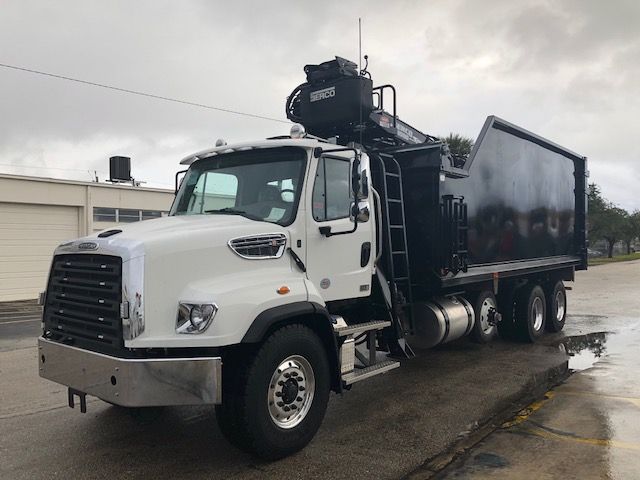
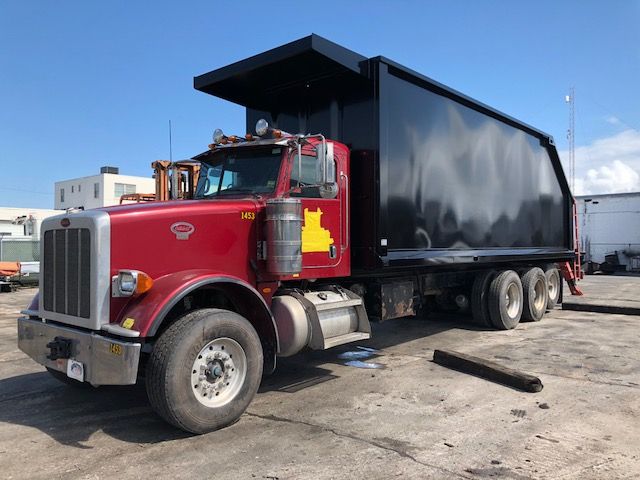

Showing 13 to 15 of 15 results
Have used grapple truck to sell? List it here to reach thousands of buyers.
About Used Grapple Trucks in Florida
Frequently Asked Questions
What should I look at first when buying a used grapple truck?
Start with the loader and the body, then evaluate the chassis. The crane or boom assembly does the revenue-producing work, so check the make and model, boom reach, lift capacity at various distances, turret condition, pins and bushings, hydraulic cylinders, hoses, pump performance, and whether the grapple is matched to the material you handle. Common loader brands in this segment include Rotobec and Serco. After that, look closely at the debris body size, floor condition, hoist, tailgate, and any rear hitch or towing setup. Then confirm the engine, transmission, axle ratings, suspension, and brake system are appropriate for the body and the weight of the loads you expect to carry.
What body size is common on a grapple truck?
Body size varies widely based on the application, but many used grapple trucks are equipped with debris bodies in the 18-foot range and capacities around 21 yards, 50 yards, or even larger high-volume bodies for lighter vegetative debris. Larger 50 to 67 yard bodies are common in tree, storm, and bulky waste service where volume matters more than dense payload. The right choice depends on the material. Brush and storm debris favor higher-volume bodies, while heavier demolition or mixed waste may require a more conservative body size to stay within axle and bridge limits.
Is a tandem axle enough, or do I need a tri-axle grapple truck?
A tandem axle grapple truck is often a solid fit for general debris, municipal, and tree service work, especially where maneuverability matters. A tri-axle setup adds carrying capacity and can make sense for larger bodies, longer routes, or operations handling high-volume storm debris. The tradeoff is added complexity, potentially tighter turning considerations, and more components to maintain. In Florida, the decision often comes down to route type, disposal site distance, local weight rules, and whether the truck needs to operate in tighter residential areas or on larger open cleanup jobs.
How important is boom reach and grapple capacity?
Boom reach and lifting ability directly affect cycle time and job versatility. A longer boom can reduce repositioning and help load from ditches, over fences, or across wider work areas, but maximum lift drops as reach increases. Buyers should compare rated capacity at mid-reach and full extension, not just the headline number. A truck used for brush and vegetative debris may prioritize reach and grapple opening, while one handling heavier logs or demolition material may need stronger lift performance and a grapple designed for denser loads. Matching the boom and grapple to the material stream is one of the most important buying decisions in this category.
What are common drivetrain and spec choices on used grapple trucks?
Most used grapple trucks are built on severe-duty chassis from brands like Western Star, International, Peterbilt, and Kenworth. Engines in this class often range from mid-400 hp to 550 hp on larger tandem and tri-axle units, while lighter single-axle municipal-style builds may use smaller power ratings. Manual 8LL transmissions are common on older vocational trucks because they offer good control off-road and on uneven terrain, but automatic transmissions are also popular for stop-and-go municipal routes and easier driver training. Buyers should also confirm PTO compatibility, axle ratio, suspension type, tire size, and front axle capacity, since loader weight and debris body design can put significant demands on the chassis.