
Mack Grapple Trucks For Sale in Texas
Browse Mack grapple trucks for sale in Texas. Built for brush, debris, scrap, and storm cleanup with durable chassis and vocational-ready specs.
Learn more
Have mack grapple truck to sell? List it here to reach thousands of buyers.
About Mack Grapple Trucks in Texas
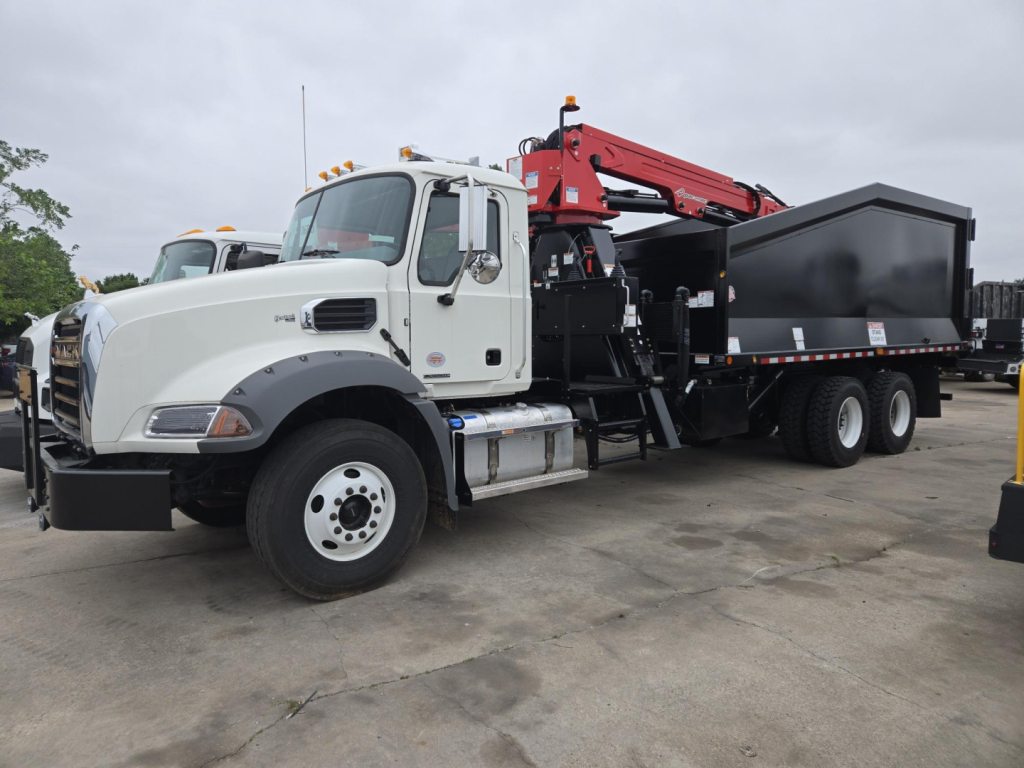
A common decision point is body style and crane placement. Rear-mount grapples are popular for debris and refuse applications because they keep loading operations behind the cab and can pair well with high-sided dump or packer-style bodies. Knuckleboom or material-handler style grapples may be spec'd for brush, logs, construction debris, or scrap, with lift capacity and horizontal reach varying by application. On a Mack chassis, look closely at GVWR, suspension type, wheelbase, and bridge compliance if the truck will run legally loaded on Texas roads. Engines are often chosen for low-end torque and PTO compatibility rather than peak horsepower alone, and buyers should pay attention to transmission choice, rear axle ratio, and cooling capacity for stop-and-go work in high heat.
Hydraulics and durability are what separate a productive grapple truck from an expensive downtime issue. The key areas to inspect are pump output, reservoir sizing, hose routing, valve response, crane subframe integration, and body floor and sidewall construction. A heavier-duty setup with proper frame liners, stable outriggers if equipped, and well-matched hydraulic controls will generally hold up better in repeated loading cycles. For used Mack grapple trucks, service history matters. Check for boom pin and bushing wear, cylinder leakage, turntable play, frame cracking around body mounts, PTO engagement issues, and evidence of overload stress. Cab condition also matters in municipal and tree-service fleets where frequent entry and exit, dust, and idle time accelerate wear.
Mack has a strong reputation in vocational trucking because the chassis are typically spec'd for demanding jobs instead of general freight compromise. That makes a Mack grapple truck a practical choice for fleets that need durability, predictable parts support, and a platform that can handle a purpose-built body. If the truck will spend most of its time in urban cleanup routes, maneuverability and visibility may matter more than maximum body length. If it will cover rural Texas territory, fuel capacity, ride stability, and legal payload become more important. The best Mack grapple truck is the one with a crane, body, axle package, and hydraulic system matched closely to the material being handled every day.
Frequently Asked Questions
What are Mack grapple trucks commonly used for?
Mack grapple trucks are commonly used for brush hauling, storm cleanup, tree service debris, municipal refuse, construction debris, and some scrap applications. The exact use depends on the body design and grapple configuration. High-sided debris bodies are common for bulky light material, while heavier body and crane combinations are better suited for dense loads and tougher loading cycles.
What should I look at first when comparing Mack grapple trucks?
Start with GVWR, front and rear axle ratings, wheelbase, body capacity, and crane reach and lift rating. After that, review the PTO and hydraulic system, because the truck's productivity depends on hydraulic speed and reliability as much as chassis strength. Buyers in Texas should also confirm bridge law compliance, cooling performance, and whether the truck is spec'd for the load density and travel distances expected.
Are rear-mount or behind-cab grapples better on a Mack truck?
It depends on the job. Rear-mount grapples are common on debris trucks because they keep loading operations at the back and often work well for brush and municipal cleanup. Behind-cab crane setups can improve weight distribution in some applications and may suit certain body layouts better. The better choice comes down to reach, loading pattern, body style, and how often the truck operates in tight spaces.
How important is the hydraulic system on a grapple truck?
The hydraulic system is critical because it directly affects cycle times, lifting control, and long-term reliability. A well-matched pump, reservoir, valve bank, and hose layout can make the truck faster and easier to operate while reducing heat-related wear. Poor hydraulic design or neglected maintenance often leads to slow operation, leaks, overheating, and premature crane component failure.
Why do buyers choose Mack for grapple truck applications?
Buyers choose Mack for grapple truck applications because the brand has a long-standing reputation in severe-duty and vocational service. Mack chassis are often spec'd with strong frames, suitable axle packages, and drivetrain options that work well in stop-and-go, load-intensive conditions. That makes them a solid fit for fleets that prioritize durability, serviceability, and performance under demanding daily use.