
International Gasoline - Fuel Trucks For Sale
International gasoline and fuel trucks with common tank sizes, chassis specs, pumping equipment, and buying tips for fuel delivery work.
Selling a international gasoline - fuel truck? List your international gasoline - fuel truck for sale and reach thousands of commercial buyers.
International Gasoline - Fuel Trucks
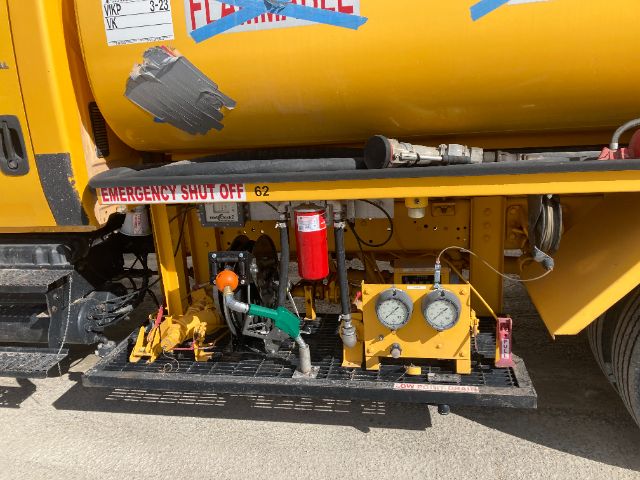
The tank and meter package usually determines how useful the truck will be in day-to-day service. Common features include aluminum or steel cargo tanks, single or multi-compartment layouts, PTO-driven pumps, hose reels, meters, filters, and nozzles sized for the intended flow rate. A smaller fuel truck may be configured for mobile service with a reel and dispensing nozzle, while larger units may be set up for route delivery with metered compartments and more formal loading and unloading equipment. Buyers should confirm compartment count, gallon capacity, baffle design, meter brand, pump output, hose diameter, reel length, and whether the truck is set up for gasoline, diesel, avgas, or jet fuel applications. If the truck has been used in airport or aviation fueling, inspection records, filter equipment, bonding provisions, and product-specific hardware deserve close attention.
On the chassis side, International fuel trucks are typically selected for predictable handling under load and a wide range of vocational body compatibility. Key checks include GVWR, front and rear axle ratings, suspension type, brake system, transmission, and engine model. Wheelbase and frame dimensions affect tank fit and weight distribution, especially when a buyer needs legal payload without overloading an axle. Many used International fuel trucks are diesel-powered even when the body is configured to carry gasoline or other fuels, so it is important to distinguish truck fuel type from cargo type. Mileage matters, but maintenance history, PTO operation, pump condition, tank certification, and evidence of corrosion or prior repairs are usually more important on a fuel truck than odometer reading alone.
Compliance is not a secondary issue in this category. A buyer should verify DOT cargo tank inspections, HM-183 documentation where applicable, placarding provisions, emergency shutoff equipment, grounding and bonding hardware, and any state or local requirements tied to hazmat operation. Tank age, testing intervals, valve condition, and overall integrity of the piping system can directly affect how soon the truck can go to work. A well-matched International fuel truck can be a strong fit for operators who need a dependable service chassis paired with a practical fueling package, but the right choice comes down to capacity, product compatibility, legal compliance, and how the dispensing system matches the job.
Frequently Asked Questions about International Gasoline - Fuel Trucks
What should I check first when buying an International gasoline or fuel truck?
Start with the tank specification and compliance status before looking at cosmetic condition. Confirm total gallon capacity, compartment layout, intended fuel type, pump and meter setup, and the latest cargo tank inspection records. After that, review chassis ratings, wheelbase, PTO operation, and service history. On a fuel truck, the tank package and paperwork often determine real value more than paint, trim, or even mileage.
Are International fuel trucks used only for gasoline delivery?
No. This category can include trucks configured for gasoline, diesel, mixed fuels, aviation fuel, or mobile fleet refueling depending on the tank, seals, filters, hose equipment, and placarding. The chassis make does not define the product being hauled. Always verify what fuel the tank and dispensing components are approved to handle, especially if the truck has been used in airport, municipal, or private fleet service.
What tank size is common on an International medium-duty fuel truck?
Common capacities on medium-duty International fuel trucks range from smaller service-body style tanks up to around 2,000 to 3,000 gallons, depending on chassis class, axle ratings, and local weight laws. A truck around the 2,000-gallon range is often used for mobile fueling and equipment service because it balances capacity with maneuverability. Larger route-delivery applications may require a heavier chassis and a more complex compartment and metering setup.
Is low mileage the most important factor on a used fuel truck?
Not usually. Low mileage can be a plus, but fuel trucks are vocational assets where use hours, idle time, pump wear, PTO condition, and tank certification often matter more. A truck with moderate mileage and complete inspection records may be a better buy than a very low-mile unit with outdated testing, questionable corrosion, or neglected dispensing equipment. Focus on the condition of the tank system and compliance documents first, then evaluate the chassis.
What is important if the truck was previously used for airport or aviation fueling?
Airport and aviation fueling trucks can be attractive because they sometimes have low road miles, but buyers should inspect them carefully for product-specific equipment and maintenance requirements. Check filter assemblies, hose and nozzle type, bonding and grounding equipment, meter accuracy, and records tied to aviation service. Also confirm that the truck can be legally and practically repurposed for your intended fuel product and delivery environment without costly modifications.