
Freightliner Gasoline - Fuel Trucks For Sale
Browse Freightliner gasoline-fuel trucks for sale. Compare tank size, pump setup, PTO, axle ratings, and service applications.
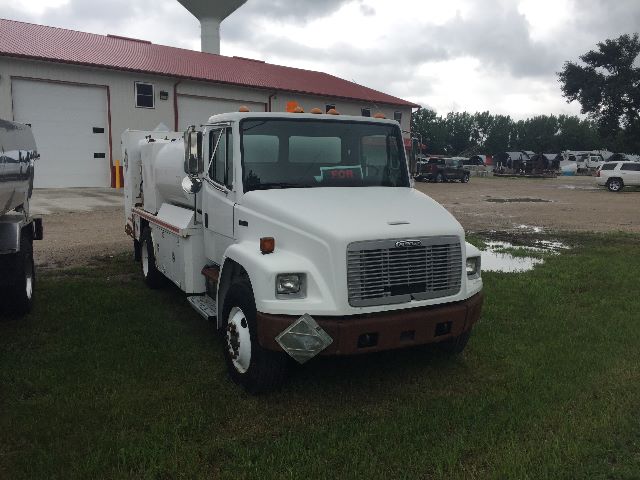
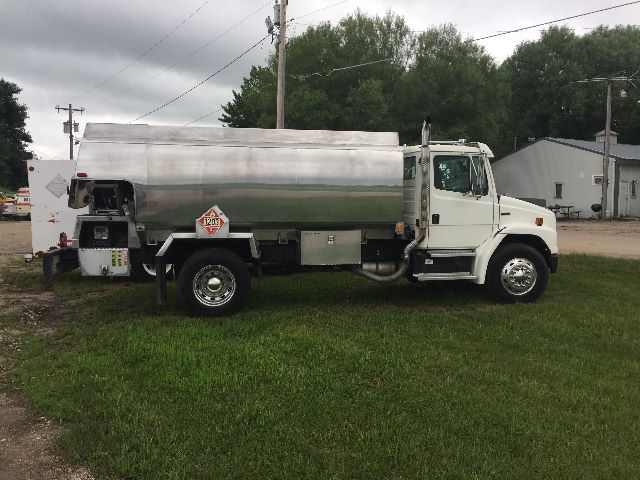
Selling a freightliner gasoline - fuel truck? List your freightliner gasoline - fuel truck for sale and reach thousands of commercial buyers.
Freightliner Gasoline - Fuel Trucks
Tank configuration matters as much as the truck itself. Gasoline-fuel trucks may be set up as single-product or multi-compartment units, and the right choice depends on whether the truck will handle regular gasoline, diesel, DEF support equipment, lubricants, or mixed fleet service. Look closely at tank capacity, compartment sizing, baffling, meter and reel arrangement, hose length, nozzle type, and whether the body includes a full lube service package. On older service trucks, condition of the tank, plumbing, seals, pump, and meter is critical. Buyers should also verify the PTO operation, product pump performance, emergency shutoff controls, grounding provisions, and the overall condition of the cabinet structure and reel assemblies.
Freightliner fuel trucks are often chosen because the chassis can be serviced through a large support network, and many operators are already familiar with their drivability and cab layouts. Engine and transmission combinations vary by year, but medium-duty Freightliner models commonly use durable diesel powertrains paired with automatic or manual transmissions to support stop-and-go route work. For a gasoline-fuel application, pay attention to axle ratings, turning radius, frame condition, and how the body installation was integrated with the chassis. A clean mount, properly routed plumbing, and accessible service points usually indicate a truck that will be easier to maintain over time.
Compliance is a major part of the purchase decision in this category. A buyer should confirm the tank certification status, placarding setup, bonding and grounding equipment, fire extinguisher placement, lighting, and any local or state requirements tied to hauling and dispensing fuel. If the truck will be used for retail-style delivery, on-site fleet fueling, or combined fuel-and-lube service, the meter calibration and documentation become especially important. The best Freightliner gasoline-fuel truck for sale is not just the one with the right tank size. It is the one with a chassis and body spec that match the route, the product mix, the regulatory environment, and the service demands of the operation.
Frequently Asked Questions about Freightliner Gasoline - Fuel Trucks
What should I check first on a used Freightliner gasoline-fuel truck?
Start with the chassis rating, tank capacity, and the condition of the complete fuel system. Verify the PTO engages properly, the pump builds and maintains flow, the meter functions correctly, and the hoses, reels, valves, and nozzles are in serviceable condition. On a used unit, tank integrity, compartment condition, plumbing leaks, frame corrosion, and documentation for tank testing or certification can matter as much as engine mileage.
Are Freightliner FL-series trucks a common choice for fuel service bodies?
Yes. Freightliner FL-series medium-duty chassis, including the FL-70, have been widely used for service and vocational applications because they offer good maneuverability, practical cab layouts, and generally strong parts availability. They are often a good fit for smaller to mid-size fuel and lube bodies where operators need enough payload for mobile service without moving into a full heavy-duty tandem platform.
How do I choose the right tank setup for a gasoline-fuel truck?
Choose the tank setup based on the products you plan to carry and the way the truck will be dispatched. A single-compartment tank can work for dedicated fueling, while a multi-compartment body is better for mixed product delivery or fleet service with both gasoline and diesel. Buyers should compare total capacity, compartment split, baffling, pump rate, reel placement, meter type, and storage for related service equipment before deciding.
What regulations matter when buying a gasoline-fuel truck?
Fuel trucks are subject to multiple equipment and operating requirements that can include DOT rules, hazardous materials requirements, tank testing standards, placarding, bonding and grounding provisions, and state or local fire code rules. The exact requirements depend on truck size, product carried, and how the unit is used. A buyer should confirm current compliance status and make sure the truck's equipment matches the intended operation before purchase.
Is mileage the most important factor on a used fuel truck?
No. Mileage matters, but fuel trucks should be evaluated as both a chassis and a dispensing system. A lower-mileage truck can still require expensive work if the tank, pump, meter, PTO, valves, or reels are worn or out of compliance. Buyers usually get the best value by weighing engine and transmission condition alongside tank certification status, body condition, and the serviceability of the fueling equipment.