
Used Garbage Trucks For Sale in North Carolina
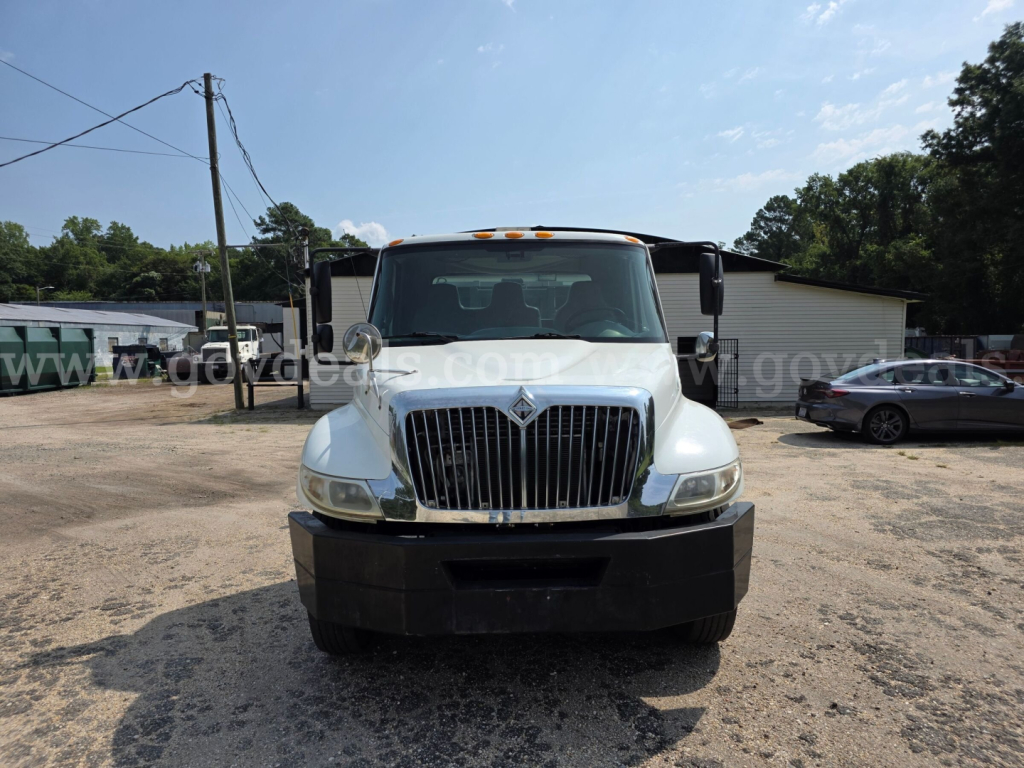
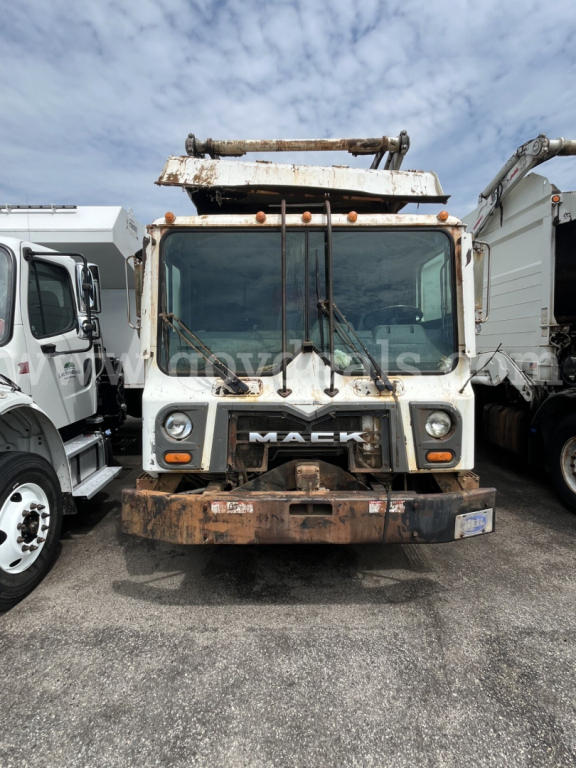
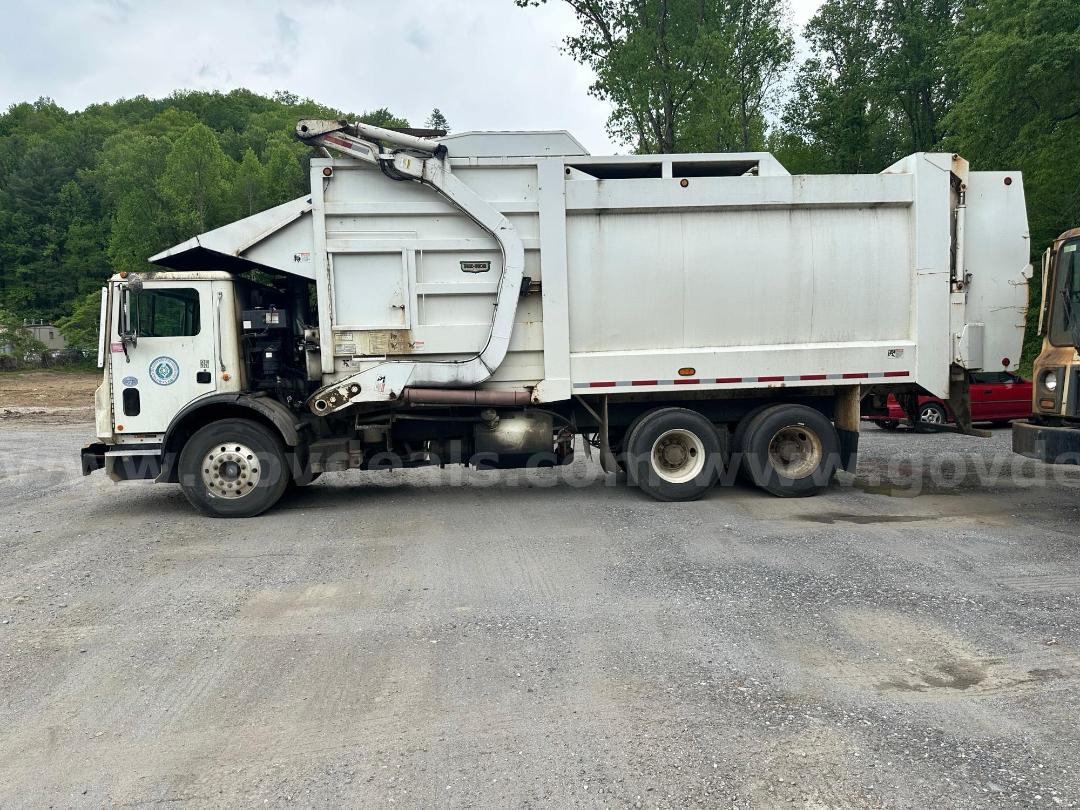

Have used garbage truck to sell? List it here to reach thousands of buyers.
Used Garbage Trucks in North Carolina
The body and packer matter as much as the engine. On a used refuse truck, buyers should look closely at packer panel wear, body floor condition, tailgate seals, hopper cracks, ejector operation, and cylinder leakage. Side load units deserve extra attention at the arm assembly, grabber hydraulics, and control response times. Front loaders should be checked for fork wear, arm pin play, crossmember cracking, and frame stress near the body mounts. Rear loaders often show wear at the hopper, sill, and tailgate hinge points. Refuse bodies from builders such as New Way, Heil, McNeilus, Leach, and EZ Pack are common, with capacities often ranging from about 20 to 40 cubic yards depending on application.
North Carolina buyers should also factor in route terrain, transfer station distance, and corrosion exposure. Coastal operation can accelerate rust on body floors, subframes, electrical connections, and hydraulic fittings, while Piedmont and metro routes tend to put more stress on brakes, steering, and suspension from repeated stops and tight maneuvering. Diesel emissions equipment is a major checkpoint on newer used units, especially DEF systems, EGR components, and active fault history. Many refuse trucks are spec'd with Allison automatics, dual steer options, stand-up or low-entry cabs, and severe-duty suspensions because uptime depends on easy entry, visibility, and durability more than highway speed.
A good used garbage truck is one that matches the route, not just the budget. GVWR, body capacity, lift rating, axle spread, turning radius, and cab layout all affect daily productivity. Maintenance records carry real weight in this category because refuse service is hard on hydraulics, electrical systems, brakes, and chassis components. Buyers should verify PTO engagement, pack cycle speed, hour-to-mile relationship, frame condition, and the availability of replacement parts for both the chassis and the refuse body. When the spec is right, a used garbage truck can still deliver strong service life in municipal, waste-hauling, recycling, and commercial sanitation work.
Frequently Asked Questions about Used Garbage Trucks in North Carolina
What types of garbage trucks are most common on the used market?
The most common used garbage trucks are rear loaders, front loaders, and automated side loaders. Rear loaders are widely used for residential routes and crews that manually load bags or carts. Front loaders are preferred for commercial waste service with dumpsters and higher-volume accounts. Automated side loaders are designed for cart-based residential collection and allow one operator to handle the route. The right choice depends on route density, labor model, and the type of containers being serviced.
What should I inspect first on a used garbage truck?
Start with the refuse body, hydraulic system, and structural wear points. Check the packer, hopper, tailgate, ejector, cylinders, hoses, and PTO operation under load if possible. Then inspect the chassis for frame corrosion, suspension wear, steering play, brake condition, and transmission performance. On newer diesel units, review engine fault codes and emissions repairs, including DEF, DPF, and EGR history. A refuse truck may run and drive fine while still hiding expensive body or hydraulic issues.
How important are engine hours versus miles on a garbage truck?
Engine hours are extremely important because garbage trucks spend much of their life idling, operating PTO equipment, and running stop-and-go routes at low speed. A truck with moderate miles can still have heavy wear if it has high engine hours and extensive hydraulic cycle use. Buyers should compare miles, hours, maintenance records, and overall body condition together rather than relying on odometer readings alone. The hours-to-miles relationship often tells more about actual duty cycle than mileage by itself.
Are low-entry and cabover garbage trucks better for city routes?
Low-entry and cabover garbage trucks are often a strong fit for urban and suburban collection because they improve visibility, reduce driver step height, and tighten turning radius. That matters on residential streets, alleys, and commercial areas with frequent stops. Models such as the Mack MRU and Autocar ACX are common in refuse work for exactly these reasons. Conventional chassis can still be effective, but cab layout should match route conditions and operator entry frequency.
What GVWR and body size should I look for in a used garbage truck?
That depends on the material being collected, route length, and legal axle loading. Many used garbage trucks fall in the severe-duty range with GVWRs around 50,000 to 66,000 pounds, and body capacities commonly run from roughly 20 to 40 cubic yards. Residential cart routes may favor automated side loaders in the low-30-yard range, while commercial front loaders and larger rear loaders may be spec'd differently based on payload and container size. Buyers should confirm axle ratings, lift capacity, and local weight compliance before focusing only on body volume.