
Used 2020 Garbage Trucks For Sale
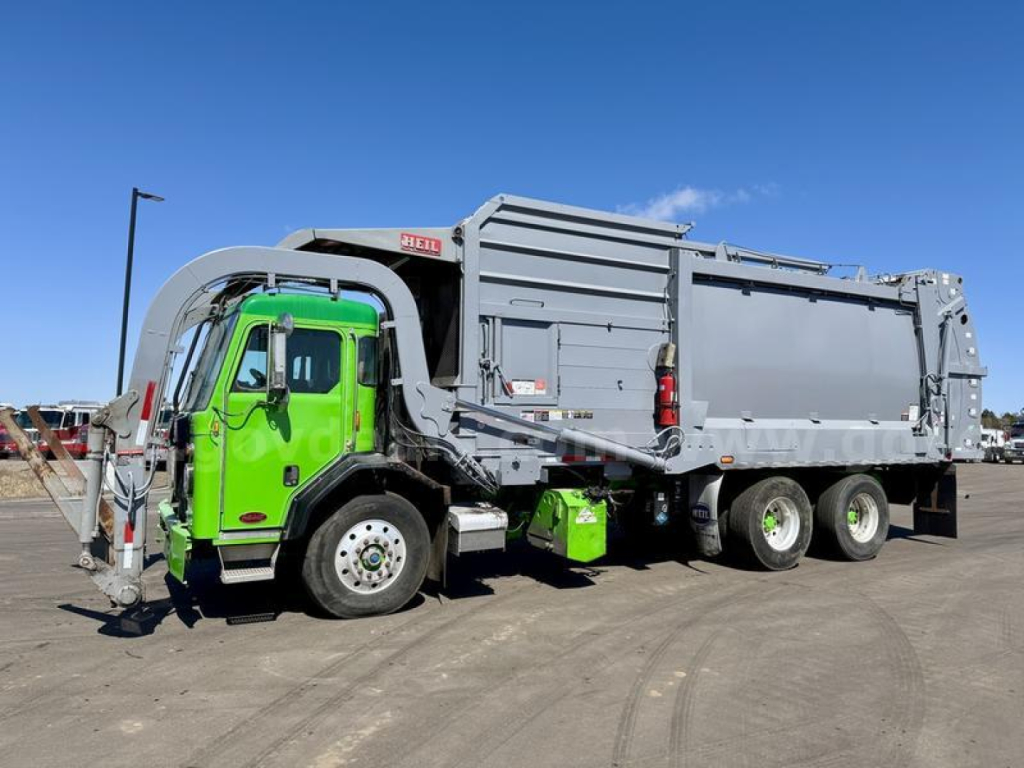

Have used 2020 garbage truck to sell? List it here to reach thousands of buyers.
Used 2020 Garbage Trucks
A 2020 refuse truck typically carries a diesel engine in the 260 to 380 horsepower range, paired with an Allison automatic and air brakes. Front axle and suspension ratings matter because route work puts a lot of repetitive stress on steering, suspension, and frame components. Common body capacities run from about 11 yards on smaller residential units up to 25 yards or more on larger tandem axle packers. Automated side loaders are popular for one-person residential routes, while rear loaders remain common where crews handle manual cans or rear cart tippers. Front loaders are still the standard for commercial dumpsters and dense urban container service. On any used refuse truck, pay close attention to packer cycle count, hopper floor wear, body sidewall condition, cylinder leaks, tailgate seal integrity, ejector operation, and PTO or hydraulic pump performance.
Condition matters more on garbage trucks than on many other truck categories because the truck chassis and the refuse body both live hard lives. A clean-looking 2020 unit can still have expensive wear in the arms, slides, trunnions, cart tipper, tailgate hinges, body mounts, and hydraulic plumbing. Buyers should inspect frame rail corrosion, crossmember condition, wiring repairs, DEF and aftertreatment history, transmission service records, and signs of body cracking around high-stress points. If the truck came out of municipal service, maintenance intervals may be documented well, but idle hours, stop-start duty, and PTO time can be substantial even when mileage looks low. On automated units, camera systems, in-cab controls, joystick response, and arm alignment should be checked carefully because productivity drops fast when automation is inconsistent.
The best used 2020 garbage truck is the one matched to the route, transfer distance, and labor model. Tight residential streets favor low-entry cab designs, short wheelbases, and automated side load bodies with stable arm geometry. Commercial routes usually need more body volume, higher legal payload, and durable forks or front loader arms. Transfer and landfill work may justify tandem axles, heavier suspensions, and larger packer bodies. Buyers comparing listings should look beyond year and miles and focus on body manufacturer, route type, axle configuration, hydraulic condition, and service history, because those factors usually determine the real cost per route day.
Frequently Asked Questions about Used 2020 Garbage Trucks
What should I check first on a used 2020 garbage truck?
Start with the refuse body, not just the chassis. Inspect the packer, hopper, cylinders, slides, tailgate seals, arm assemblies, hydraulic lines, and PTO operation because body repairs can be expensive and downtime-sensitive. Then review engine hours, idle time, aftertreatment service history, transmission condition, frame integrity, suspension wear, and brake condition. On route trucks, low mileage does not always mean low wear.
What body style is best for residential garbage routes?
Automated side loaders are often the best fit for residential cart routes because they support one-person operation and fast curbside pickup. Rear loaders still make sense where crews handle bags, cans, or mixed manual collection. The right choice depends on cart standardization, street width, labor model, and how important route speed is compared with body simplicity and lower repair complexity.
Are 2020 garbage trucks affected by emissions-related maintenance costs?
Yes. Most 2020 refuse trucks use modern diesel emissions systems that include DEF, DPF, and SCR components. Refuse service is heavy on idling, stop-start operation, and PTO use, which can stress aftertreatment systems if maintenance has been inconsistent. Buyers should review fault history, regeneration patterns, sensor replacements, and any recent emissions repairs before purchase.
Is mileage or engine hours more important on a refuse truck?
Engine hours are often just as important as mileage, and in many cases more important. Garbage trucks spend much of their life in low-speed collection work with frequent stops, PTO engagement, and extended idle time. A truck with modest miles can still have significant drivetrain, hydraulic, and body wear if it ran dense daily routes. Comparing miles, hours, and maintenance records together gives a clearer picture.
What are common axle and capacity considerations on used garbage trucks?
Single axle garbage trucks are common for residential and lighter commercial work, especially where maneuverability matters. Tandem axle units are used when routes require more body capacity, heavier legal payload, or longer transfer distances. Body capacity can range from compact 11-yard setups to 25-yard or larger packers, so buyers should match axle ratings, suspension capacity, and local weight limits to the intended route.