
Used Peterbilt Garbage Trucks For Sale in North Dakota
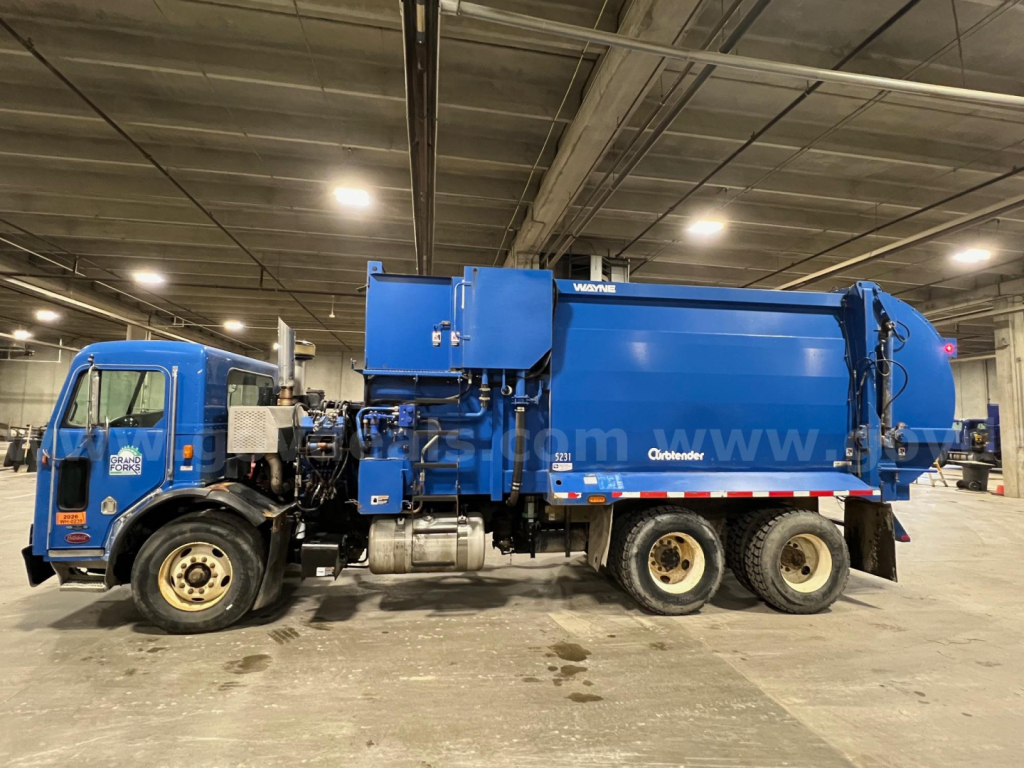
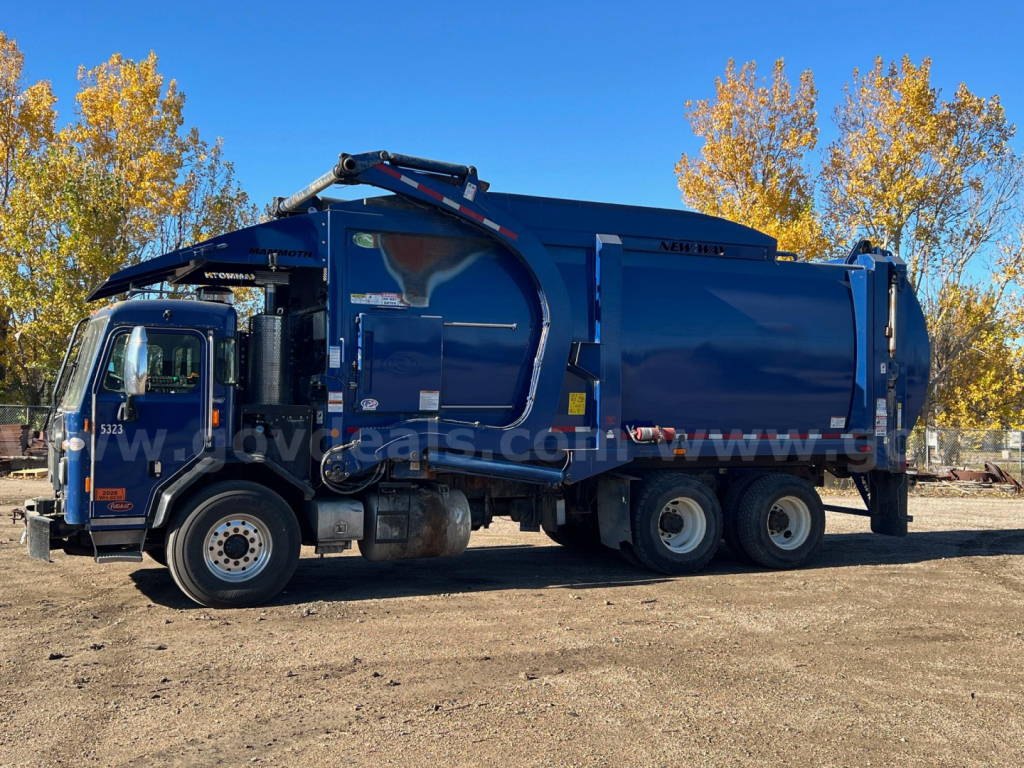
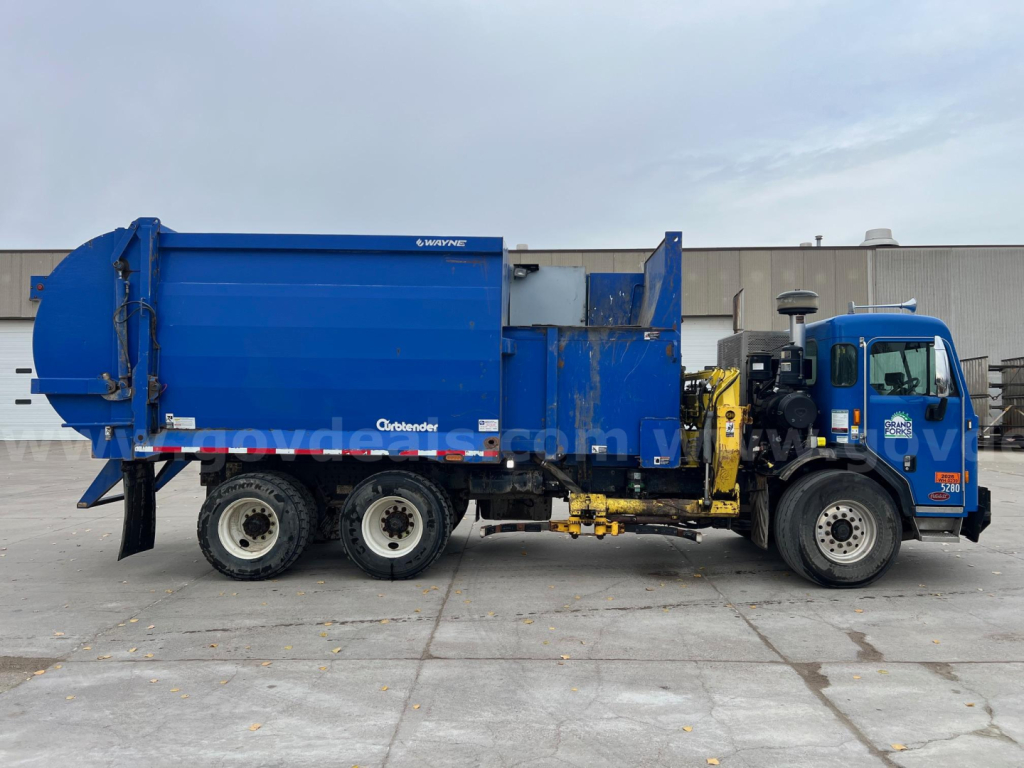
Shop used Peterbilt garbage trucks, including 320 and 520 refuse models with front loader or side loader bodies for municipal and private fleet work.
Learn more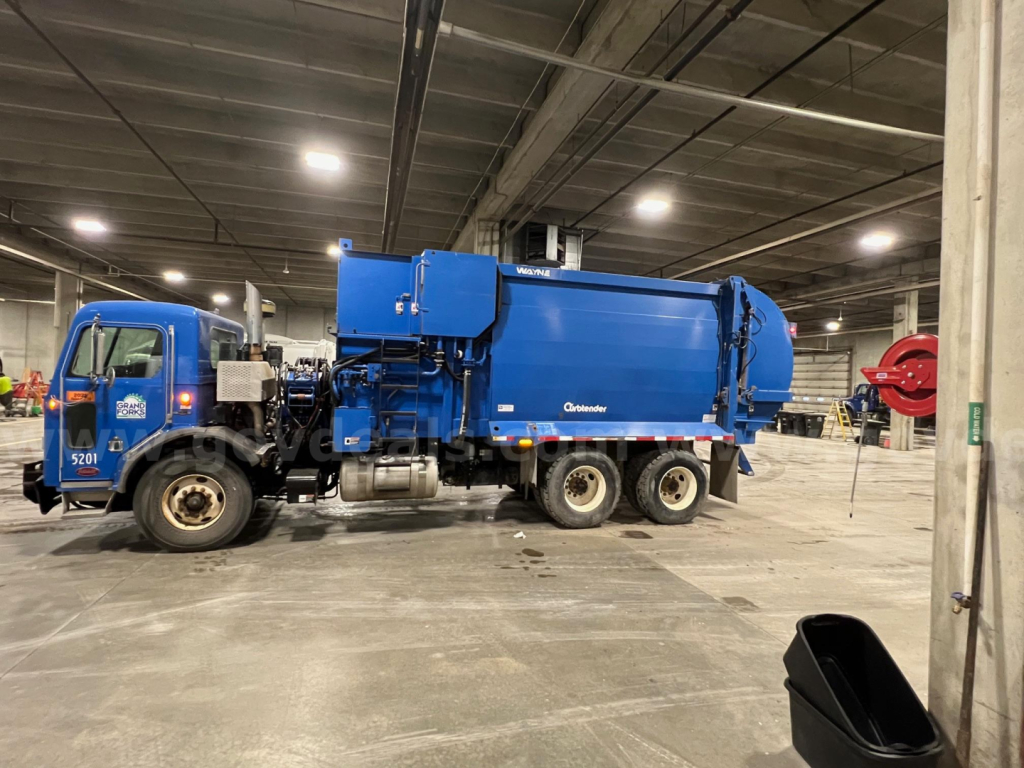
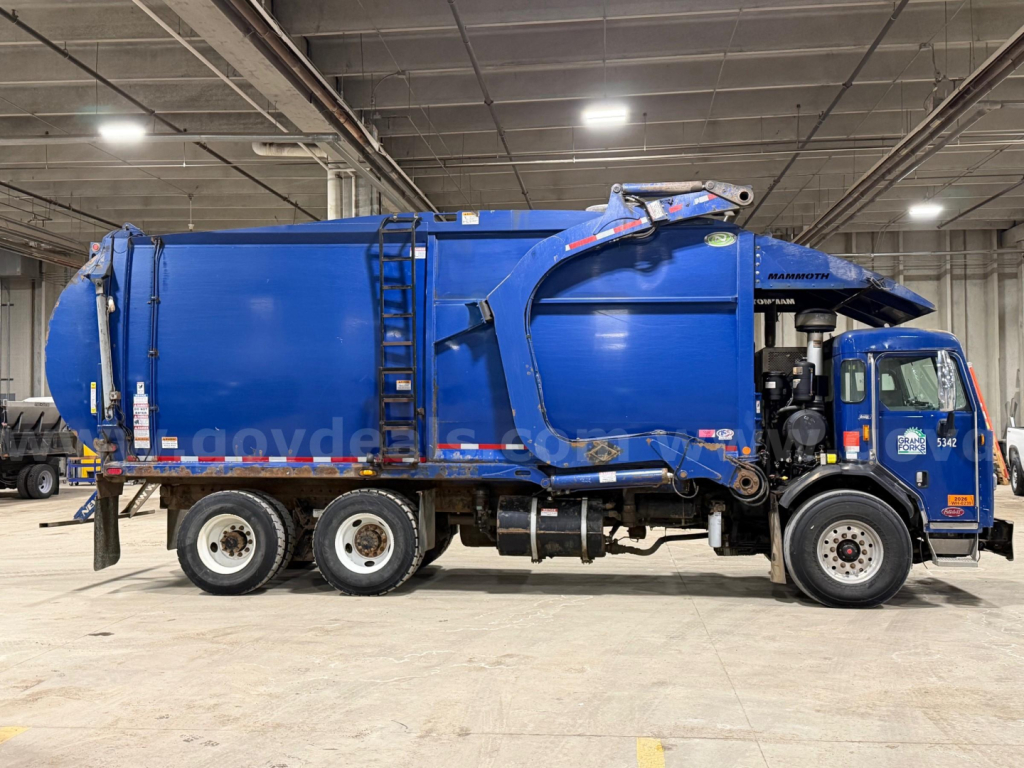
Have used peterbilt garbage truck to sell? List it here to reach thousands of buyers.
About Used Peterbilt Garbage Trucks in North Dakota
The first buying decision is usually loader style. A front load garbage truck is built for commercial dumpsters and high-volume container pickup, typically using larger bodies in the 30 to 40 yard range. A side loader or automated side loader is aimed more at residential collection, where route density, reach arm performance, and hopper cycle speed matter more than sheer container lift capacity. On used Peterbilt refuse trucks, body size, arm condition, packer operation, and hydraulic response are often more important than cosmetic appearance. Watch for wear at pivot points, hopper floors, packer blades, forks, and arm assemblies. If the truck has cameras, cart tipper systems, or cart lift automation, confirm they are functional because refuse productivity depends heavily on those systems working every shift.
Most used Peterbilt garbage trucks in this class are diesel powered and set up for severe-duty service, often with automatic transmissions to handle constant starts, reverses, and PTO-driven hydraulic operation. Engine hours and idle hours matter as much as mileage on refuse equipment because these trucks spend much of their life compacting, loading, and working at low road speed. In North Dakota, buyers should pay extra attention to cold-weather starting, hydraulic performance in low temperatures, corrosion on body seams and frame components, and the condition of wiring, battery systems, heaters, and seals. A sound refuse truck for northern service should show consistent maintenance on the hydraulic system, PTO, cooling system, and braking components, especially on older fleet units that have seen year-round municipal duty.
A good used Peterbilt garbage truck is usually defined by route fit and maintenance history more than model year alone. Check axle ratings, legal payload capacity, turning radius, wheelbase, and cab entry height against the type of work you plan to run. Review service records for hydraulic hose replacement, pump work, cylinder leaks, steering and suspension wear, and body structural repairs. Peterbilt’s refuse chassis reputation is strongest when matched with a body that has been maintained on schedule and inspected for cracks, leaks, and packer wear. For buyers sorting through multiple listings, the best unit is typically the one with the right loader type, documented fleet service, working cameras and controls, and a body-chassis combination that matches the route from day one.
Frequently Asked Questions
What are the most common Peterbilt garbage truck models on the used market?
The Peterbilt 320 is one of the most common used refuse chassis, especially in side loader and front loader applications. The Peterbilt 520 is the newer successor and is also widely used in municipal and private waste fleets. Both are purpose-built for refuse work, with low-cab-forward visibility, easy entry and exit, and compatibility with major body manufacturers such as New Way and Curbtender.
What should I inspect first on a used Peterbilt garbage truck?
Start with the body and hydraulic system before focusing on cosmetics. Check hopper condition, packer blade wear, arm or fork operation, cylinder leaks, hose condition, PTO engagement, and cycle speed. Then review engine hours, idle hours, transmission behavior, front axle wear, brakes, steering play, and frame condition. On refuse trucks, body condition and hydraulic performance often determine repair costs faster than mileage alone.
Is mileage or engine hours more important on a used refuse truck?
Engine hours are usually more important than mileage on garbage trucks because refuse routes involve long periods of idling, PTO operation, compaction cycles, and low-speed driving. A truck with moderate mileage but very high engine or idle hours may have more wear than a higher-mileage truck that spent more time on transfer or support work. The best evaluation uses mileage, engine hours, idle hours, and maintenance records together.
Are Peterbilt front loader and side loader garbage trucks used for different jobs?
Yes. A front load garbage truck is generally better for commercial container service, including dumpsters at businesses, apartments, and industrial sites. A side loader or automated side loader is usually a better fit for residential routes where cart pickup speed, reach, and one-person operation matter more. The right choice depends on route density, container type, alley access, and daily tonnage requirements.
What matters most when buying a used garbage truck for North Dakota service?
Cold-weather reliability and corrosion condition should be near the top of the list. Inspect hydraulic systems for cold-weather performance, look for rust on body seams and frame areas, and verify the truck starts well in low temperatures. Battery strength, block heater operation, cab heat, electrical reliability, and sealing around cameras and controls all matter in North Dakota, where winter conditions can expose weak maintenance quickly.