
Garbage Trucks For Sale in Oklahoma

Have garbage truck to sell? List it here to reach thousands of buyers.
Garbage Trucks in Oklahoma
Common chassis in this category include low-cab-forward and set-back axle platforms from Mack, Kenworth, Peterbilt, Autocar, and Freightliner. Buyers should pay close attention to axle ratings, wheelbase, and drivetrain match. A typical refuse spec may include a 20,000-lb front axle, 46,000-lb rears, and an Allison automatic such as a 4500 RDS paired with a diesel in the 330 to 380 horsepower range. Rear axle ratio matters more than many first-time buyers expect because start-stop route work rewards low-speed durability and launch performance over highway speed. In Oklahoma, where routes can vary from dense city streets to longer suburban deadhead miles, the right gearing can affect both fuel burn and driver satisfaction.
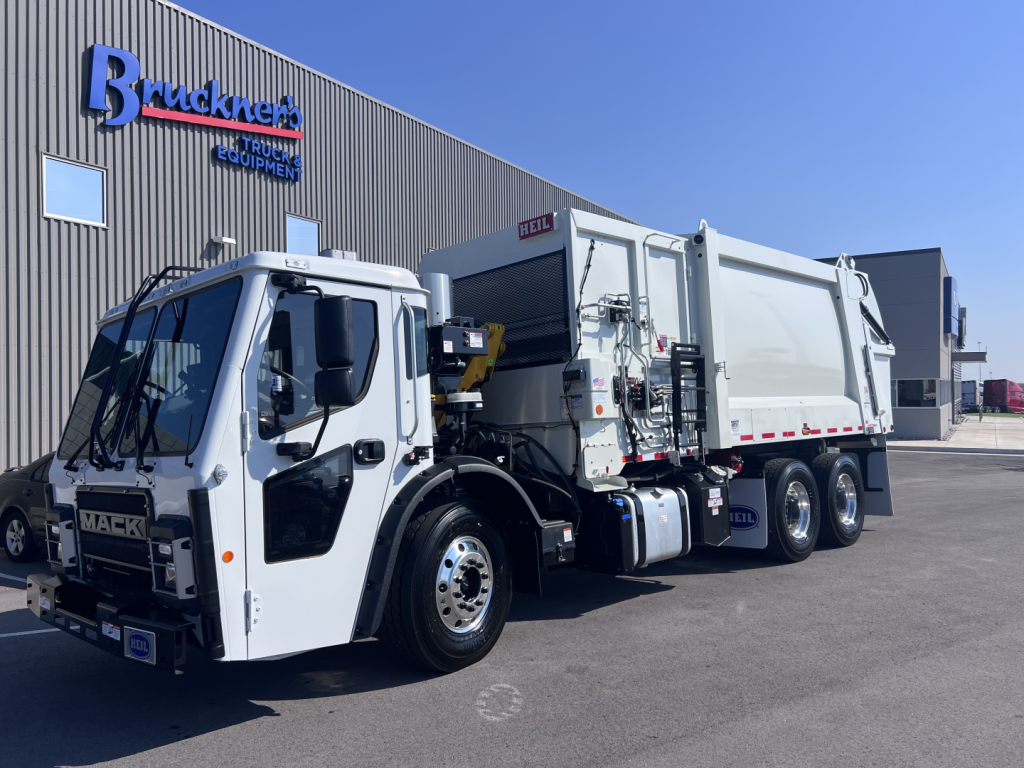
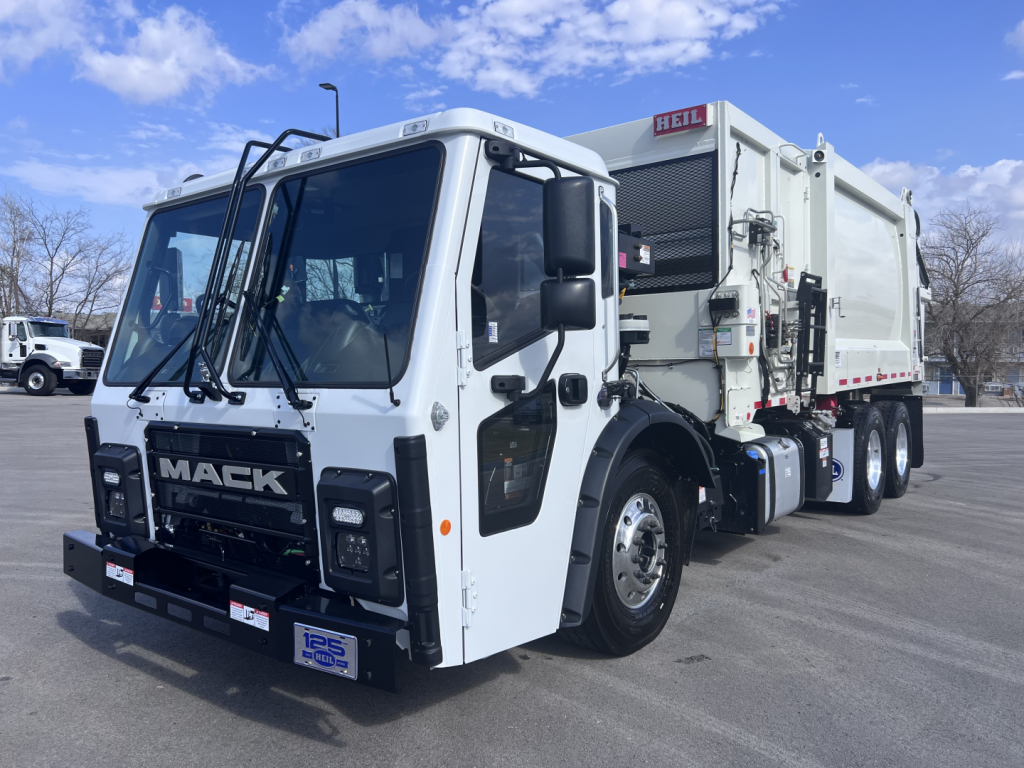
The body and hydraulic package usually determines long-term operating cost more than the badge on the hood. Look for established body builders such as Heil, McNeilus, New Way, EZ Pack, Pak-Mor, and Amrep, and inspect the specifics of the packer, arms, cylinders, pump setup, and controls. Full eject bodies can speed dumps and reduce manual cleanout. Features like operate-in-gear-at-idle hydraulics, hopper work lights, integrated warning lamps, scuff areas, and multi-camera systems are practical route upgrades, not cosmetic extras. On automated side loaders, confirm compatibility with the cart sizes you run, especially 60-gallon and 90-gallon containers, and inspect grabber arm wear, pivot slop, and cycle consistency.
For used garbage trucks, engine hours, idle hours, PTO engagement history, and body maintenance records are as important as odometer miles. Refuse trucks live in severe-duty service with constant braking, tight turns, curb impacts, and hydraulic cycling, so frame condition, suspension wear, steering components, tailgate seal condition, and packer floor integrity deserve a close look. Buyers in Oklahoma should also consider local parts and service support for both the chassis and the refuse body, since downtime on a route truck gets expensive fast. A well-matched garbage truck should fit your container type, route density, transfer distance, and maintenance capability before it ever comes down to paint color or model year.
Frequently Asked Questions about Garbage Trucks in Oklahoma
What is the difference between a front loader and an automated side loader garbage truck?
A front loader is designed mainly for commercial refuse service using dumpsters that are lifted over the cab and emptied into the body. An automated side loader is designed mainly for residential route work, using a hydraulic arm to grab and dump curbside carts from the side of the truck. Front loaders usually favor heavier commercial stops and bulk pickup, while side loaders favor fast, repeatable residential collection with fewer manual touches.
What specs matter most when buying a garbage truck?
The most important specs are body type, capacity, front and rear axle ratings, wheelbase, engine horsepower, transmission, rear axle ratio, and hydraulic setup. Refuse trucks need a drivetrain built for stop-and-go duty, so an Allison automatic, proper gearing, and adequate axle capacity are often more important than top-end road speed. Buyers should also verify camera systems, cart compatibility, ejector style, and PTO or pump configuration because those details affect route performance every day.
How many yards is a typical residential side loader garbage truck?
A common residential automated side loader is around 28 yards, though capacities vary by body builder and municipality spec. That size is popular because it balances payload, route density, and maneuverability well on neighborhood streets. Capacity alone does not tell the full story, so buyers should also compare hopper design, legal weight distribution, and how the truck performs with their specific waste stream.
Are miles or hours more important on a used garbage truck?
Hours are often just as important as miles, and in many cases more revealing. A refuse truck can show modest mileage while still accumulating heavy wear from PTO use, hydraulic cycling, extended idle time, and constant stop-start operation. Buyers should review engine hours, idle hours, service records, packer maintenance, and evidence of body or tailgate repairs to get a more accurate picture of real use.
What should Oklahoma buyers look for in a garbage truck?
Oklahoma buyers should match the truck to route density, transfer distance, and local service support. Urban and suburban routes often benefit from low-cab-forward side loaders or front loaders with strong visibility and tight turning ability, while longer transfer runs may put more value on gearing and driver comfort. It also helps to choose a chassis and body combination with dependable local parts availability, since route downtime can disrupt an entire collection schedule.