
Garbage Trucks For Sale in North Carolina
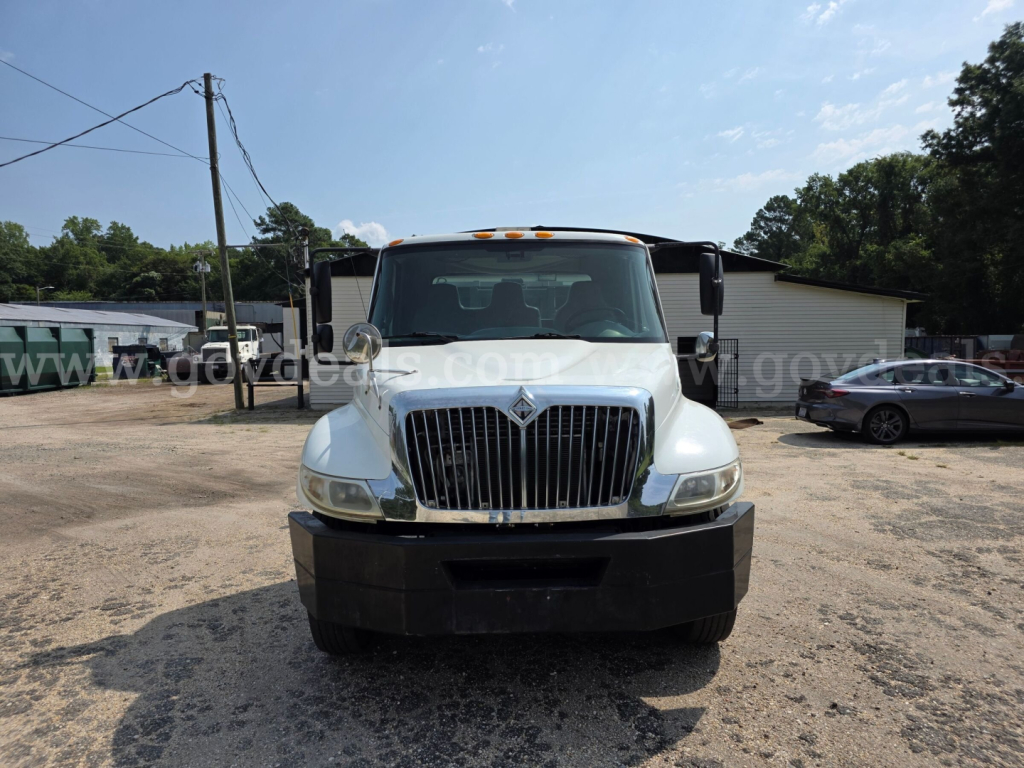
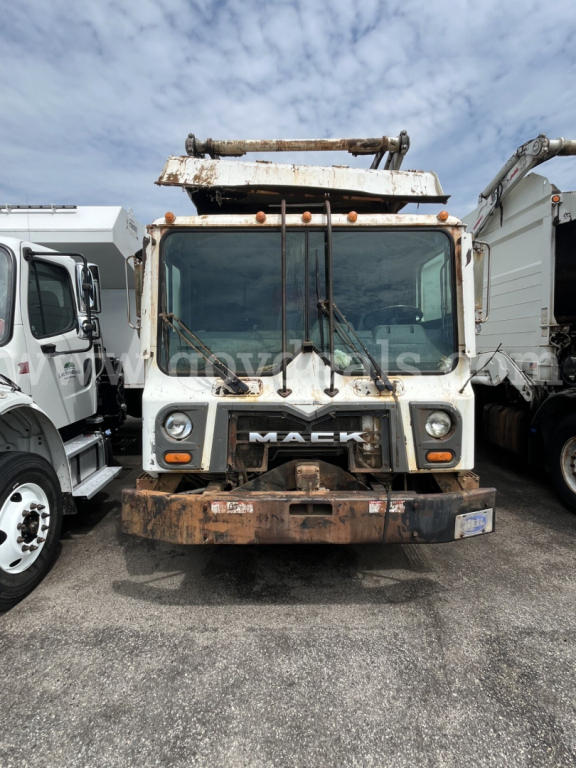
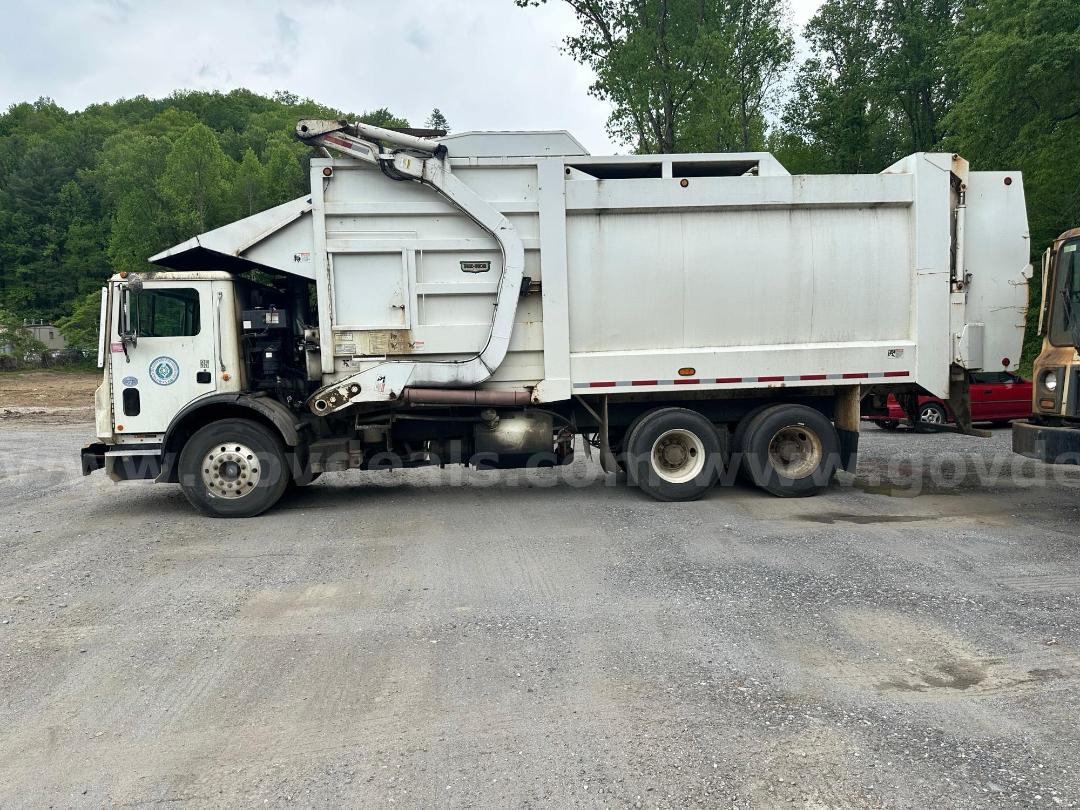

Have garbage truck to sell? List it here to reach thousands of buyers.
Garbage Trucks in North Carolina
Body style and capacity matter as much as the truck itself. Many refuse units fall in the 20 to 32 yard range, with popular packer bodies from manufacturers such as Labrie, New Way, Heil, McNeilus, and Amrep. Key specs include hopper size, packer cycle time, arm reach on automated units, compaction ratio, tailgate seal condition, and PTO or hydraulic system performance. Buyers should also pay close attention to axle ratings, wheelbase, dual steer configurations, and GVWR, since these directly affect legal payload, turning radius, and route suitability in dense neighborhoods or tight urban streets.
Most used garbage trucks are powered by diesel engines paired with automatic transmissions, often Allison units, because refuse work requires consistent low-speed control and repeated shifting under load. A strong used-truck evaluation should include engine idle hours versus road miles, transmission engagement quality, hydraulic leaks, body floor wear, packer blade condition, arm pins and bushings, and corrosion in the hopper, tailgate, and subframe areas. On older municipal units, it is smart to inspect DEF, EGR, and emissions service history along with interlock systems, backup cameras, warning lights, and cab electrical controls. Glass routes and demolition debris can accelerate body wear, so liner condition and evidence of floor patching deserve extra attention.
A well-matched garbage truck can lower route time, reduce labor, and improve uptime more than small differences in purchase price. North Carolina buyers often compare municipal surplus trucks, contractor fleet disposals, and dedicated sanitation fleet units, so maintenance records and out-of-service dates are especially important. The best choice usually comes down to matching body type, turning characteristics, and hydraulic condition to the specific collection environment rather than simply choosing the newest model year.
Frequently Asked Questions about Garbage Trucks in North Carolina
What types of garbage trucks are most common on the used market?
The most common garbage trucks are rear loaders, automated side loaders, and front loaders. Rear loaders are widely used for manual pickup and mixed residential or commercial routes. Automated side loaders are common in municipal cart service because one operator can service standardized containers with a hydraulic arm. Front loaders are typically used for commercial dumpsters and industrial waste accounts. Low-entry refuse chassis are also common because they are designed specifically for frequent stops, tight turns, and repeated cab entry.
What should I inspect first on a used garbage truck?
Start with the body and hydraulic system before focusing only on engine miles. Inspect the hopper, floor, packer blade, tailgate, cylinders, hoses, and subframe for wear, leaks, cracking, rust, or poor repairs. Then verify transmission operation, PTO engagement, steering play, brake condition, and axle ratings. On automated units, check arm operation, reach, cycle speed, and pin and bushing wear. Service records for emissions components, hydraulic repairs, and out-of-service date can tell you as much as the odometer.
Is a low-entry cab better than a conventional cab for refuse work?
A low-entry cab is often the better choice for residential refuse routes because it improves visibility, reduces driver fatigue during repeated stops, and makes entry and exit faster and safer. It also typically offers tighter maneuverability in neighborhoods and alleys. A conventional cab can still make sense for some commercial or mixed-use applications, especially when parts availability, technician familiarity, or chassis commonality with the rest of a fleet are priorities.
How do I choose the right garbage truck body size?
Body size should match route density, waste stream, axle capacity, and disposal turnaround time. A larger body can reduce trips to the landfill or transfer station, but it also adds weight and can limit maneuverability on tighter routes. Many buyers look at 20 to 32 yard bodies, then compare compaction ratio, hopper volume, and legal payload. The right choice depends on how much material is being collected, how compactable that material is, and whether the route involves residential carts, commercial bins, or heavier waste like glass.
Why are automatic transmissions so common in garbage trucks?
Automatic transmissions are standard in refuse applications because collection routes involve constant stopping, starting, reversing, and low-speed maneuvering. An Allison automatic is common because it delivers smooth engagement, protects driveline components, and helps maintain productivity in heavy stop-and-go service. For a buyer, transmission condition matters because refuse duty is hard on shift quality, cooling systems, and PTO-driven body operations.