
Kenworth Garbage Trucks For Sale
Browse Kenworth garbage trucks for sale with specs, body options, axle setups, and refuse fleet details for residential and commercial hauling.
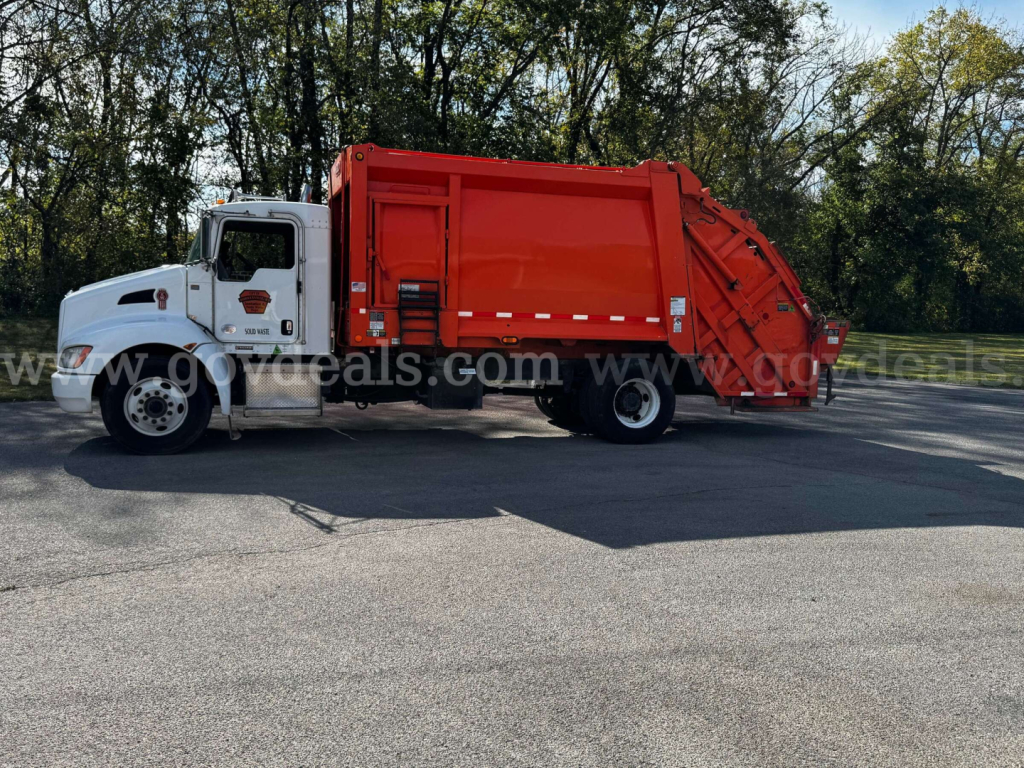
Looking for the easiest place to sell your kenworth garbage truck? List it here to reach thousands of buyers.
Kenworth Garbage Trucks
A garbage truck lives in one of the harshest duty cycles in trucking. Tight turns, hundreds of stops per shift, curbside loading, idling, packer operation, and constant hydraulic demand all accelerate wear. That makes frame strength, front axle capacity, transmission choice, and cooling performance more important than they might be on a standard straight truck. Many buyers look for automatic transmissions, driver-friendly cab layouts, and strong visibility around the windshield and mirrors to improve route safety. Suspension setup also matters. Refuse applications may use spring or air ride configurations depending on route conditions, legal payload targets, and how sensitive the body equipment is to shock loading.
Body spec is where a lot of value is won or lost. A Kenworth garbage truck may be fitted with a Heil, McNeilus, New Way, Pac-Mac, or other refuse body, and the body condition can be just as important as the chassis. Check hopper and packer wear, cylinder leaks, tailgate seal condition, control function, and any cracking around body mounts. Front loaders need strong axle and frame support for commercial containers. Rear loaders are common in residential and municipal fleets because they are versatile and easier to staff with helpers. Automated side loaders improve labor efficiency, but buyers should pay close attention to arm condition, hydraulic response, and body balance. If the truck is intended for dense neighborhoods or alley service, turning radius and overall body length deserve extra attention.
Kenworth has a strong reputation in vocational truck applications, and that matters in refuse because uptime depends on both chassis serviceability and body support. A smart buyer will look past paint and focus on engine hours, idle time, PTO operation, brake life, steering wear, frame condition, and the quality of any municipal fleet maintenance records. Emissions equipment history is also worth reviewing on newer diesel units that spend long periods at low speed and idle. The best Kenworth garbage truck for sale is the one whose chassis, axle ratings, and body configuration are correctly matched to the route, container type, and daily tonnage target.
Frequently Asked Questions about Kenworth Garbage Trucks
What should I look for first when buying a used Kenworth garbage truck?
Start with the chassis and body match. Verify the GVWR, axle ratings, wheelbase, and PTO setup are correct for the refuse body installed. Then inspect the body structure, packer mechanism, hydraulic cylinders, hopper floor, tailgate seals, and body mounts. On the chassis side, focus on engine hours, idle hours, steering wear, brake condition, suspension wear, and any signs of frame stress or corrosion. Refuse trucks can look acceptable cosmetically while hiding heavy-duty wear in the hydraulics and body structure.
Which Kenworth models are common in garbage truck applications?
The Kenworth T370 is one of the more common models seen in medium-duty and severe-service municipal and private refuse applications, but the exact model depends on body size, route density, and legal weight requirements. Buyers should pay closer attention to axle configuration, wheelbase, and body compatibility than model name alone. A properly spec'd vocational chassis is more important than simply choosing the newest truck or the highest horsepower rating.
What is the difference between front loader, rear loader, and side loader garbage trucks?
Front loaders are typically used for commercial container pickup and need a strong front axle and frame to handle repeated lifting. Rear loaders are versatile and common in residential service, especially where manual or semi-automated collection is used. Side loaders, including automated side loaders, are designed for curbside residential routes and can reduce labor costs, but they depend heavily on arm condition, hydraulic performance, and route consistency. The right choice depends on container style, staffing model, street width, and daily stop count.
Are engine hours important on a garbage truck?
Yes. Engine hours can be just as important as mileage because refuse trucks spend much of their life idling, running PTO equipment, and operating in low-speed stop-and-go service. A truck with moderate mileage may still have very high engine and hydraulic system use. Buyers should compare odometer readings with engine hours, maintenance records, and PTO service history to get a more accurate picture of actual wear.
Why does wheelbase matter on a Kenworth garbage truck?
Wheelbase affects body fit, turning radius, bridge law compliance, and weight distribution across the axles. In refuse work, a wheelbase that is too long can make urban routes harder to run, while one that is too short may limit body choice or create poor load balance. It also affects how well the truck handles full payloads and repeated stops. Matching wheelbase to body design and route layout is one of the most important spec decisions in this category.