
2020 Garbage Trucks For Sale
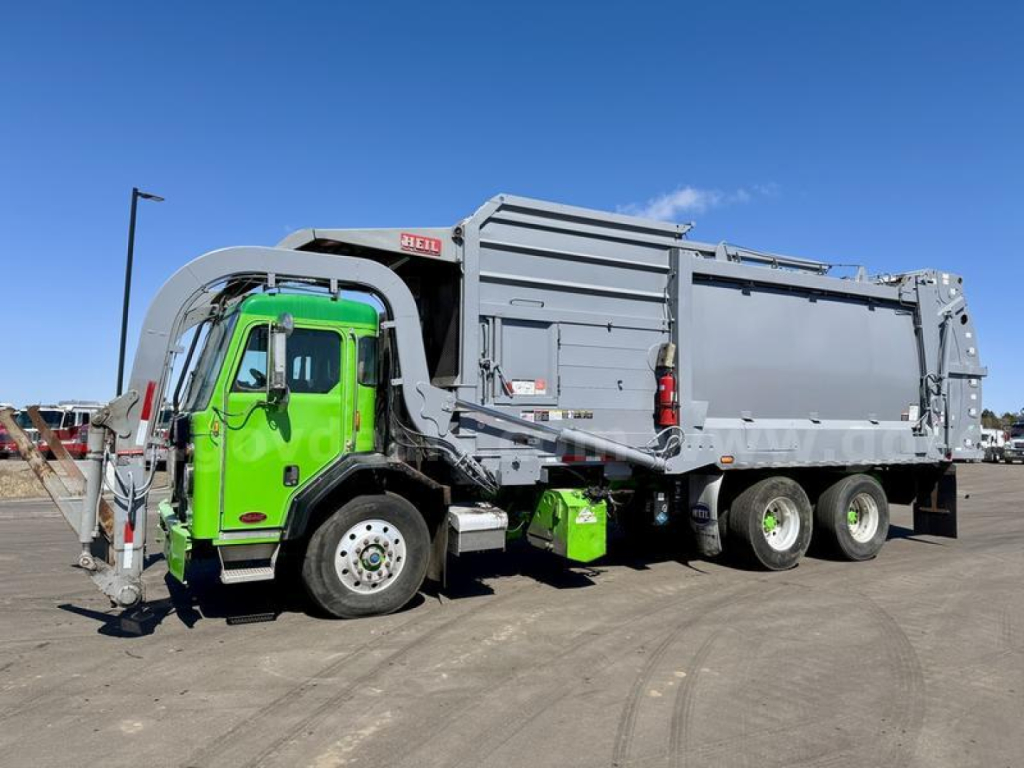

Have 2020 garbage truck to sell? List it here to reach thousands of buyers.
2020 Garbage Trucks
Rear load garbage trucks are common for residential hand-pickup and mixed waste routes where flexibility matters more than speed. Automated side loaders are built for cart-based residential collection and usually offer the best route efficiency with one operator. Front loaders are the standard choice for commercial dumpsters and repetitive container service. On 2020 models, buyers should look closely at body capacity, packer cycle times, hopper design, lift rating, and whether the body uses a conventional hydraulic setup or a more specialized control system. Typical body sizes can range from around 20 to 40 cubic yards depending on application, with axle ratings and legal payload varying widely based on chassis spec and local weight laws.
Cab and chassis details matter just as much as the refuse body. Many 2020 garbage trucks use low-entry or cab-forward configurations for visibility and frequent stop-and-go work, while conventional cabs still appear in some front load and rear load applications. Diesel engines remain common, though some fleets in this period moved into compressed natural gas for emissions compliance and fuel strategy. Check engine hours along with mileage, because refuse trucks can accumulate heavy PTO and idle time that does not show up on the odometer. Transmission choice is usually automatic or automated, and buyers should inspect PTO engagement, hydraulic pump condition, frame condition around body mounts, suspension wear, steering play, and brake life. In a refuse application, body condition, cylinder health, and packer function often tell you more than paint or cab cosmetics.
A 2020 model can also be a smart fit for fleets trying to standardize around newer driver-assist features and better serviceability without stepping into the newest pricing tier. Pay attention to axle configuration, wheelbase, turning radius, and right-side visibility if the truck will run dense residential routes. For commercial work, focus more on lift geometry, container compatibility, fork wear, and front axle capacity. Buyers in emissions-regulated states should verify engine family, aftertreatment service history, and any municipality-specific requirements. The right 2020 garbage truck is the one whose route profile, body design, and maintenance record line up cleanly with your collection demands.
Frequently Asked Questions about 2020 Garbage Trucks
What types of 2020 garbage trucks are most common on the used market?
The most common 2020 garbage trucks are rear loaders, automated side loaders, and front loaders. Rear loaders are popular for manual residential and mixed-route collection. Automated side loaders are widely used for cart-based residential programs because they improve route efficiency and reduce labor requirements. Front loaders are typically used for commercial dumpster service. Low-entry refuse chassis are also common in this year range because they improve driver access, visibility, and stop-and-go productivity.
How many miles is too many on a 2020 garbage truck?
Mileage alone is not the best measurement on a garbage truck. Refuse trucks often spend long periods idling, cycling hydraulics, and operating PTO-driven systems, so engine hours and body hours can matter as much as odometer reading. A 2020 truck with moderate miles but heavy packer use may have more wear than a higher-mile truck with lighter duty. Buyers should compare mileage, idle time, PTO use, hydraulic condition, maintenance records, and the condition of the body structure, hoist, and lift components before judging value.
What should I inspect first on a used 2020 garbage truck?
Start with the refuse body and hydraulic system, because these components are expensive and central to the truck's productivity. Check packer operation, cylinder seals, hoses, control functions, lift arms, forks, hopper floor condition, body cracks, and tailgate sealing surfaces. After that, inspect PTO engagement, transmission operation, frame rails, suspension, brakes, steering components, and front axle wear. Engine and aftertreatment service history is also critical, especially on stop-and-go routes where regeneration and idle-related issues can develop.
Are 2020 garbage trucks mostly diesel or natural gas?
Most 2020 garbage trucks on the market are still diesel, but natural gas units are also common in municipal and larger private fleets. Compressed natural gas became popular in refuse work because of centralized fueling and emissions strategy. Diesel trucks can offer easier fueling flexibility and broader service support in some regions, while CNG trucks may align better with municipal sustainability goals or existing alternative fuel infrastructure. The best choice depends on route length, maintenance support, fueling access, and local emissions requirements.
Is a 2020 garbage truck a good fit for municipal fleet replacement?
A 2020 garbage truck can be a strong municipal replacement choice when buyers want modern specifications without paying for a current-model truck. This model year often includes updated cab safety features, improved visibility, and newer emissions technology compared with older fleet units. It is still important to match the truck to the route. Municipal buyers should verify body type, legal payload, turning radius, right-hand visibility, lift compatibility, and maintenance documentation to make sure the truck meets collection needs and public fleet standards.