
Fuso Trucks For Sale
Shop Mitsubishi Fuso cabover trucks. Compare FE, FG and Canter specs, GVWR, powertrains and body lengths to match urban delivery or vocational work.
Learn moreNo exact matches found for your search
Showing Trucks instead.
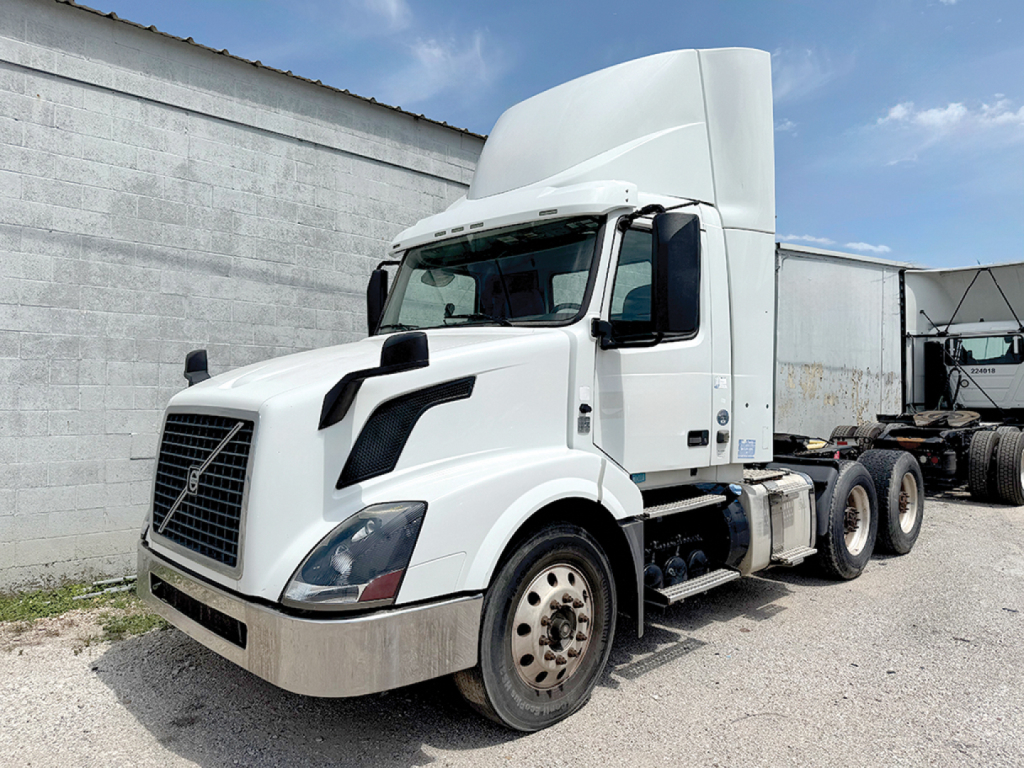
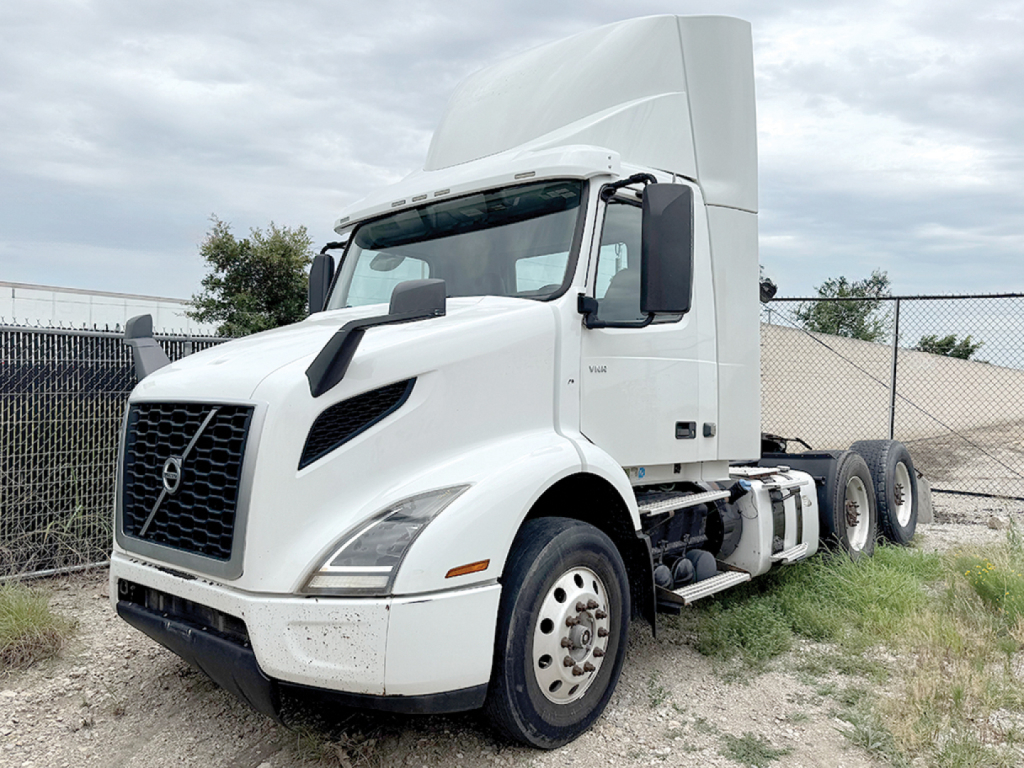
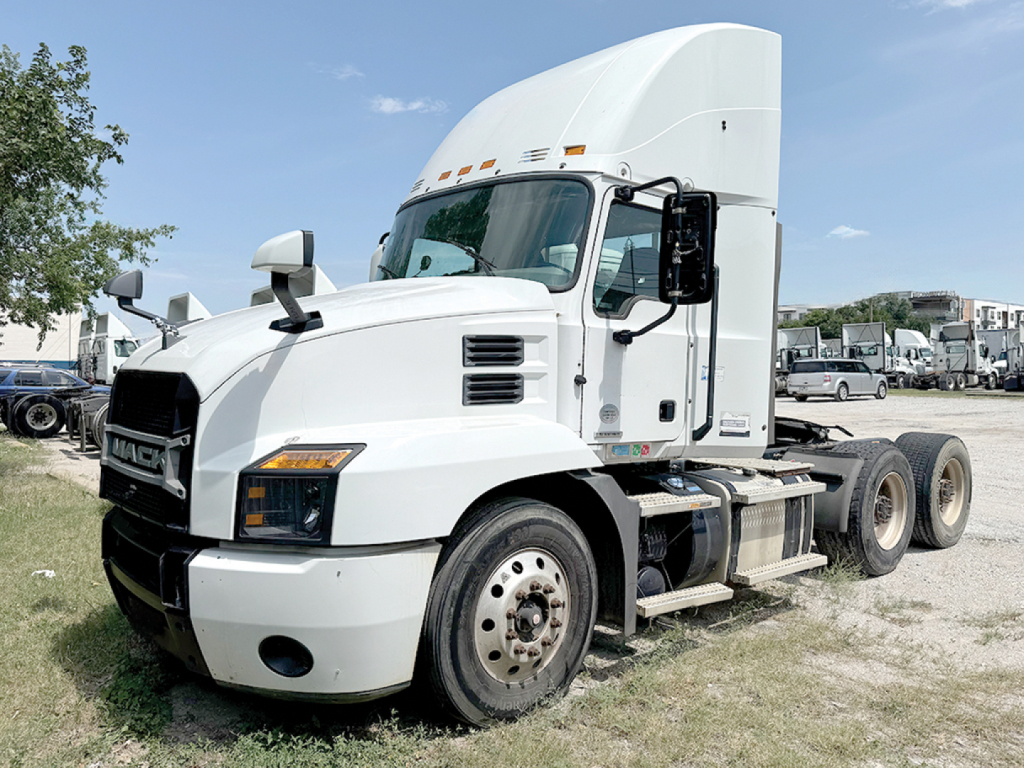
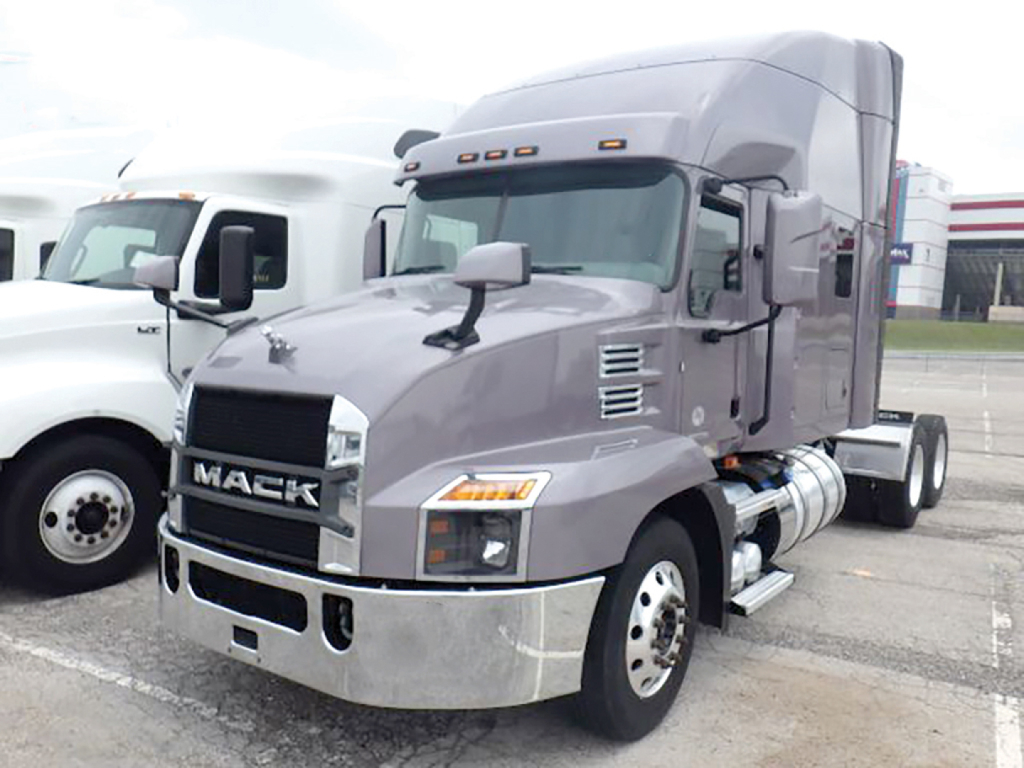
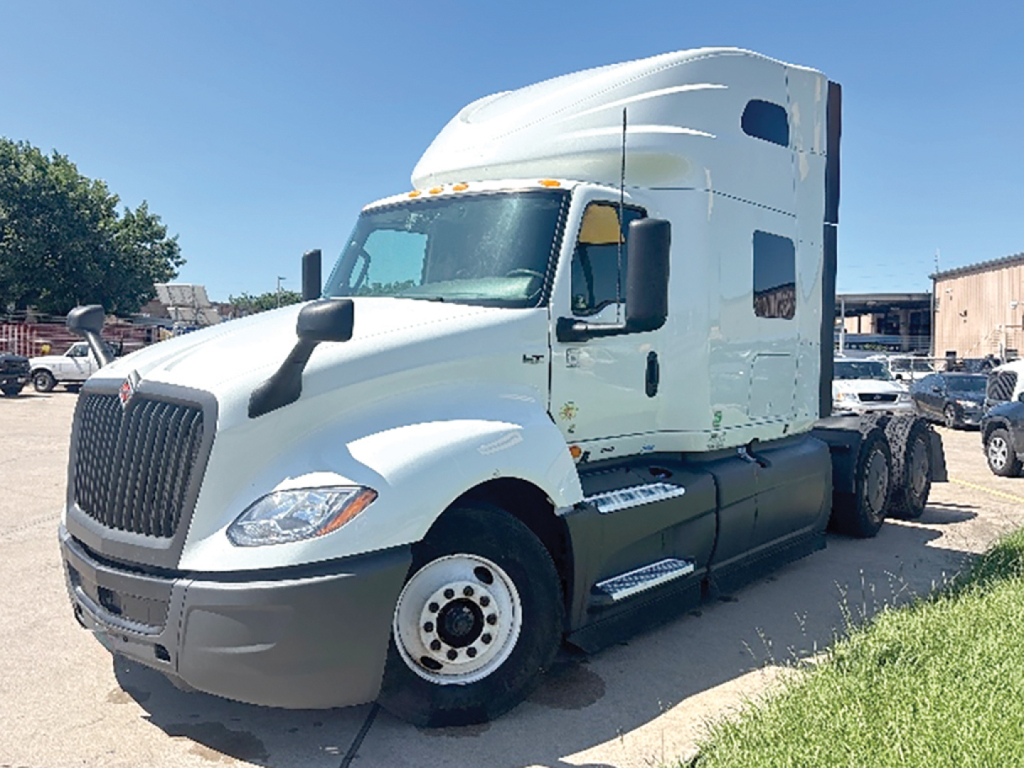

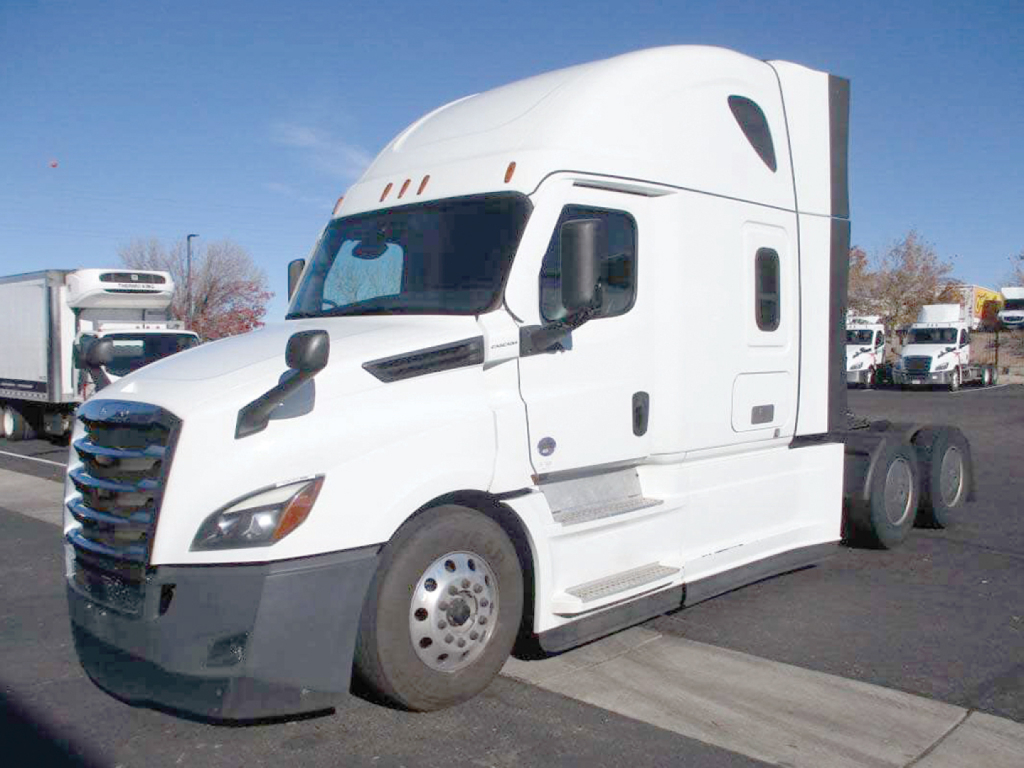
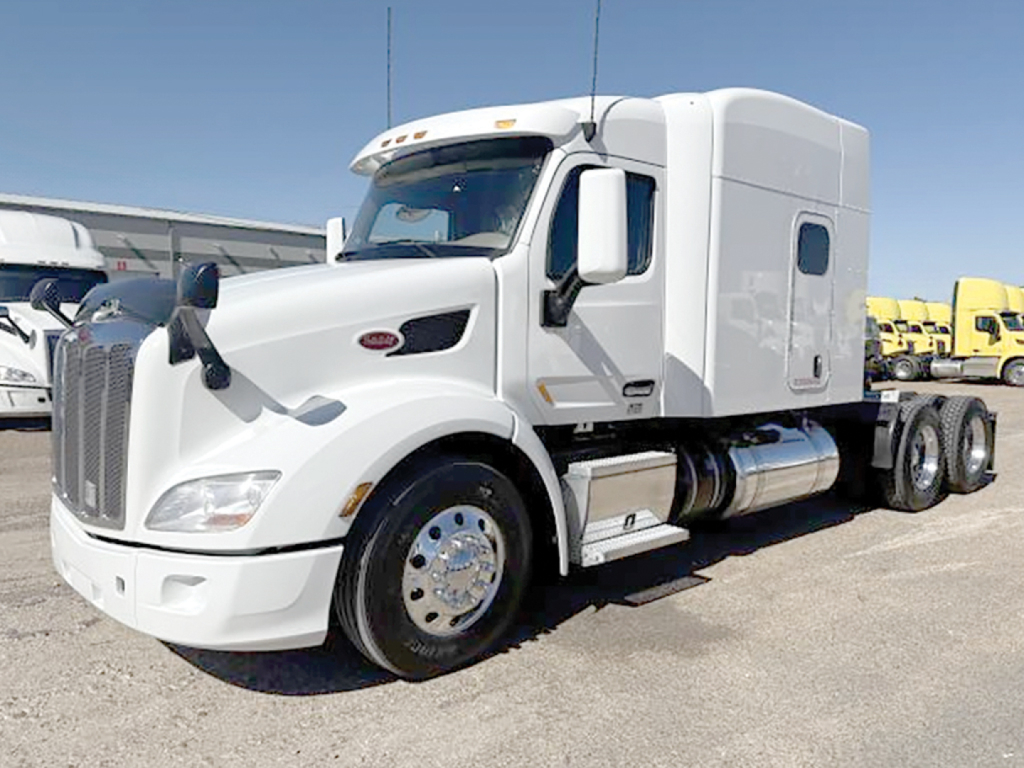
Showing 97 to 108 of 3,384 results
Have fuso truck to sell? List it here to reach thousands of buyers.
About Fuso Trucks
Powertrain choices vary by year. Earlier FE and FG units often carry the 4.9L 4M50 diesel with a conventional automatic, while later Canter FE models use the 3.0L 4P10 diesel paired with the Duonic 6 speed automated manual. Fuso also offered gasoline Class 4 and 5 FE models with a 6.0L V8 and an Allison 1000 series automatic, plus limited eCanter electric trucks for short urban routes. Diesel trucks deliver strong low speed torque and better fuel economy, but they come with DPF and DEF systems that require heat and clean duty cycles. Gas trucks eliminate aftertreatment complexity and can be simpler to maintain, trading some fuel economy for lower emissions equipment costs and easy cold start performance. The Duonic shifts quickly and is efficient, yet buyers should confirm smooth clutch engagement under load. Allison automatics are widely supported and PTO friendly for vocational gear.
Typical GVWR spans Class 3 to 5. Expect approximately 12,500 to 17,995 pounds on FE series models and about 14,000 on the FG 4x4. Many trucks ride on 4 wheel disc brakes with ABS, and later models add stability control and driver assist features. Axle ratios, tire spec and wheelbase determine startability on hills and highway rpm. Bodies are commonly insulated for temperature control, fitted with scuff liners and e track for freight, or equipped with steel or aluminum dumps, liftgates and side steps. The tilt cab gives excellent access for servicing belts, aftertreatment and valve gear, which helps reduce downtime when paired with disciplined PM intervals and proper regen practices.
Match the chassis to the route and payload. Pair shorter wheelbases with urban multi stop routes and heavier rear axle ratios for frequent starts. For 18 to 20 foot bodies, select longer wheelbases and confirm rear axle GAWR and spring packs align with the body and cargo density. Inspect for cab rust at drip rails and step wells, frame scale near rear crossmembers, and any heat related aftertreatment repairs. Review telematics or ECM data for idle percentage and regen history. A road test should verify straight tracking, smooth Duonic takeoff without shudder, crisp Allison shifts, proper brake bite, and no excessive vibration at typical cruise speeds.
Frequently Asked Questions
What models and GVWR classes are most common for Fuso in North America?
Most listings fall under the FE series in Class 3 to 5 with GVWRs from about 12,500 to 17,995 pounds. The FG 4x4 sits near 14,000 GVWR. Body lengths usually range from 12 to 20 feet depending on wheelbase.
How do the diesel, gas and electric Fuso options compare for cost and uptime?
Diesel units generally return better fuel economy and strong low speed torque, but they require DPF and DEF maintenance and clean, hot duty cycles to avoid soot loading. Gasoline units avoid aftertreatment and can be simpler to maintain, though fuel spend is typically higher. The eCanter suits short, predictable city routes with limited range and near silent operation, but charging and route planning are critical.
What should I know about the Duonic 6 speed versus an Allison automatic?
The Duonic is an automated manual that shifts quickly and efficiently with a creep function for low speed control. It can feel different than a torque converter automatic and benefits from proper clutch calibration and driving technique. Allison 1000 series automatics offer very smooth launches, broad service support and PTO options for vocational equipment.
Which wheelbase should I choose for a 16 foot or 18 foot van body?
A mid range FE wheelbase typically accommodates a 16 foot body with proper axle spacing and swing clearance. An 18 foot body often needs a longer wheelbase near the top of the factory range. Always verify kingpin to rear axle distance, recommended body length charts and liftgate requirements before committing.
Are parts and service support available for older Fuso trucks?
Yes. Authorized Fuso dealers and independent medium duty shops support these chassis, and many components such as brakes, filters, sensors and transmissions are sourced from well known suppliers with strong aftermarket availability. Confirm your local service network and parts lead times before purchase.