
Freightliner Trucks For Sale in Vermont
Browse Freightliner trucks for sale in Vermont, including medium and heavy-duty models built for regional haul, vocational work, and fleet use.
Learn more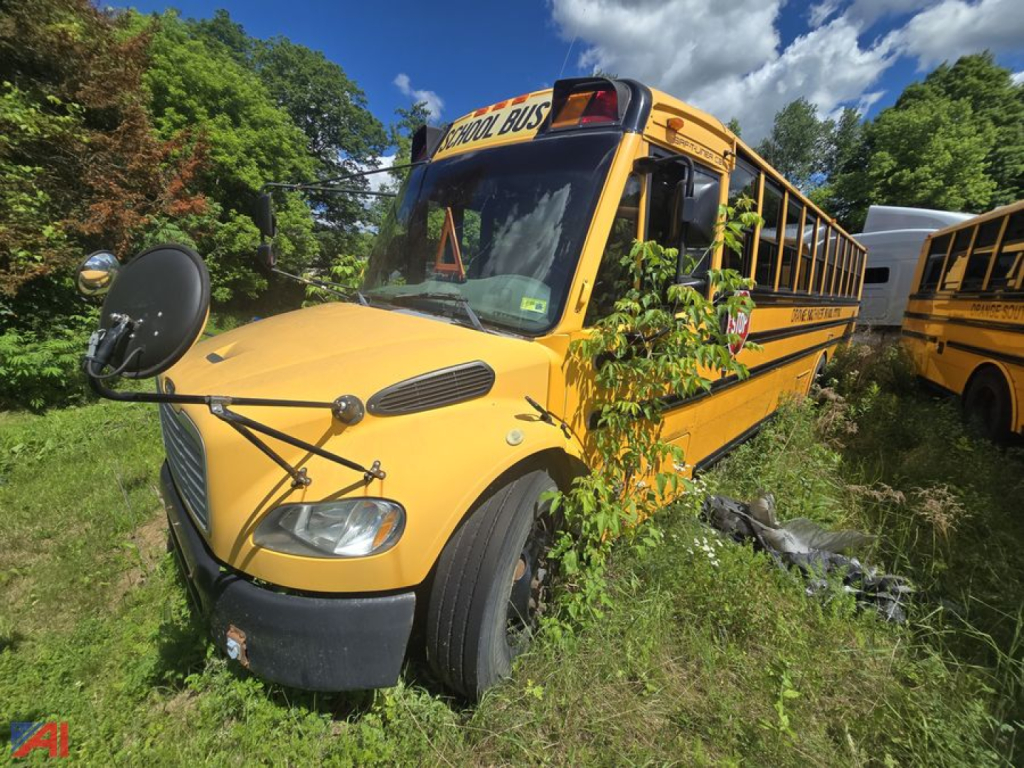
Have freightliner truck to sell? List it here to reach thousands of buyers.
About Freightliner Trucks in Vermont
On the medium-duty side, Freightliner models such as the M2 platform are widely used for box trucks, dump bodies, utility bodies, buses, and specialized municipal applications. Common decision points include GVWR, front axle capacity, air versus hydraulic brakes, and whether the truck is spec'd with a Cummins diesel and an Allison automatic. For local and vocational work, buyers should pay attention to suspension type, PTO readiness, frame rail condition, body upfit compatibility, and cab-to-axle measurements. If the truck will spend time on treated winter roads, corrosion around crossmembers, cab mounts, brake components, and electrical connections deserves a close look.
For heavy-duty Freightliner trucks, the conversation usually centers on application fit and drivetrain efficiency. Cascadia day cabs and sleepers are popular for regional and long-haul use, while vocational configurations may be set up for dumps, mixers, or severe-service work. Key specs include horsepower, torque, transmission type, rear axle ratio, wheelbase, and tandem versus single-axle configuration. Buyers comparing used units should also review emissions system history, idle hours, suspension wear, tire condition, fifth wheel setup, and maintenance records. In colder states like Vermont, cold-start performance, block heater use, DEF system condition, and traction-related specs such as differential lock can be especially relevant.
Freightliner trucks also hold appeal because the brand is easy to spec around a job. That includes straight trucks, tractors, bus chassis, and other commercial configurations built on familiar platforms. A good purchase decision usually comes down to matching the truck’s duty cycle to its axle ratings, body or trailer requirements, and service history instead of focusing only on model year or odometer. For buyers sorting through Freightliner trucks for sale in Vermont, the best value is often the truck with the clearest maintenance background, the right chassis for the application, and a spec package that fits local operating conditions without expensive rework.
Frequently Asked Questions
What are the most important specs to compare on a used Freightliner truck?
The most important specs are the truck’s intended application, GVWR or GCWR, axle ratings, wheelbase, engine and transmission combination, brake type, and suspension setup. For tractors, rear axle ratio, fifth wheel position, and sleeper or day cab layout matter as well. For straight trucks and vocational units, cab-to-axle measurement, PTO capability, frame condition, and body compatibility are often just as important as mileage. A lower-mile truck can still be the wrong choice if the chassis spec does not match the work.
Are Freightliner trucks a good fit for Vermont operating conditions?
Freightliner trucks are commonly used in northern climates and can be a strong fit for Vermont if the spec matches the terrain and weather. Buyers should prioritize cold-weather starting performance, tire condition, traction equipment, heater and defroster function, and the condition of the DEF and aftertreatment systems. Rust and corrosion inspection is especially important on trucks that have spent years on salted roads. Attention to frame rails, brake lines, wiring, battery boxes, and cab mounts can prevent expensive surprises.
What is the difference between a Freightliner medium-duty truck and a heavy-duty Freightliner tractor?
A medium-duty Freightliner is typically designed for local delivery, service bodies, utility work, municipal use, or bus applications, with lower GVWRs and more emphasis on maneuverability and upfit flexibility. A heavy-duty Freightliner tractor is built for pulling trailers and handling higher combined weights over regional or long-haul routes. The heavy-duty platform usually offers larger engines, tandem drive axles, air ride suspensions, and sleeper options, while medium-duty trucks are more likely to be configured as straight trucks with specialized bodies.
What should buyers inspect on a used Freightliner school bus or bus chassis?
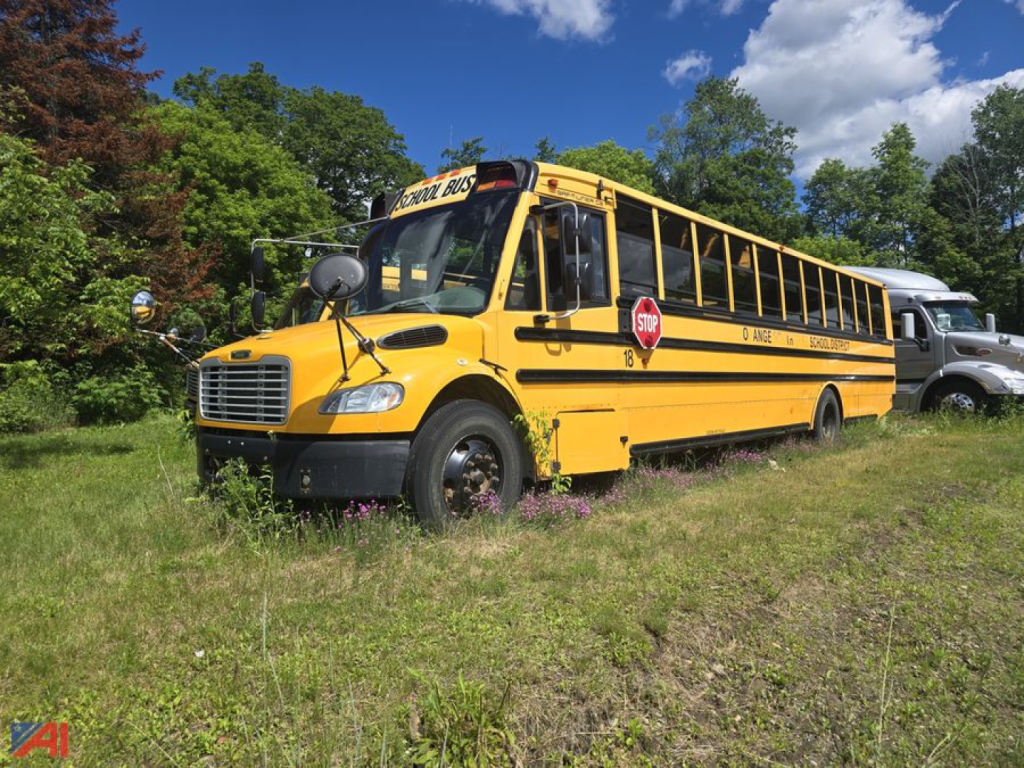
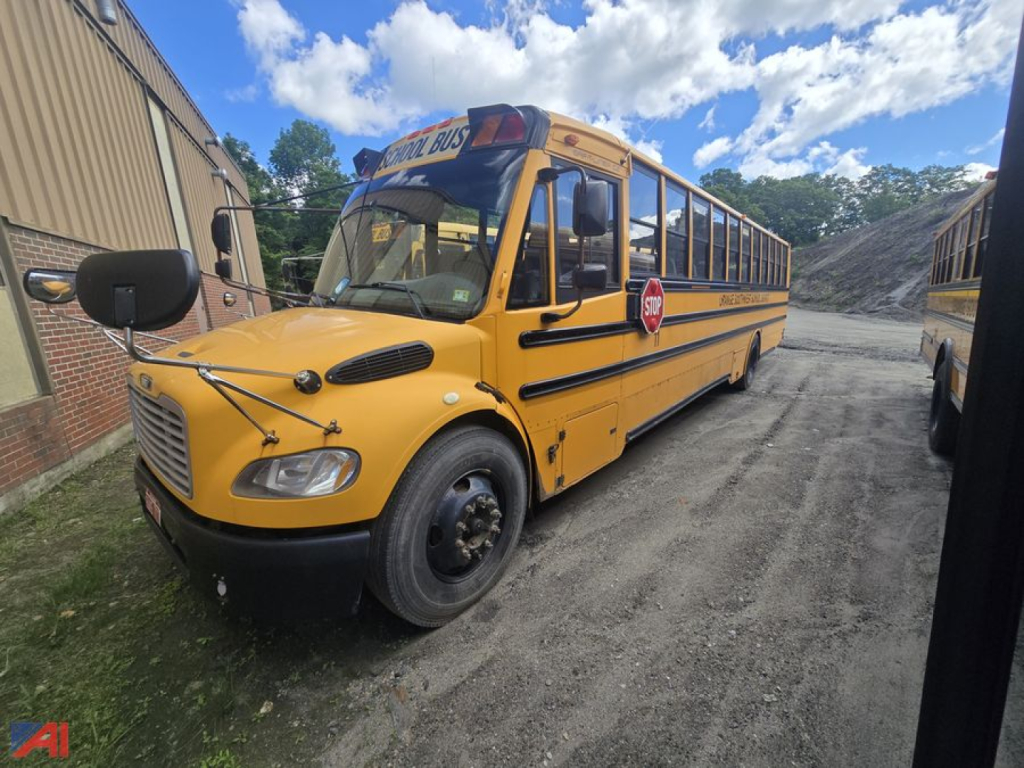
On a used Freightliner bus or bus chassis, buyers should inspect engine hours, transmission operation, brake condition, steering play, suspension wear, and the full electrical system. Door function, warning systems, seat and floor condition, and body corrosion are also important on buses. If the unit will be repurposed, confirm the chassis rating, wheelbase, and service history before focusing on cosmetic condition. The value of a bus platform depends heavily on mechanical integrity and the cost of bringing safety-related systems up to standard.