
Used 2019 Freightliner Trucks For Sale in New York
Browse used 2019 Freightliner trucks in New York. Compare Cascadia specs, DD13 and DD15 power, axle ratings, wheelbase, and sleeper options.

Have used 2019 freightliner truck to sell? List it here to reach thousands of buyers.
Used 2019 Freightliner Trucks in New York
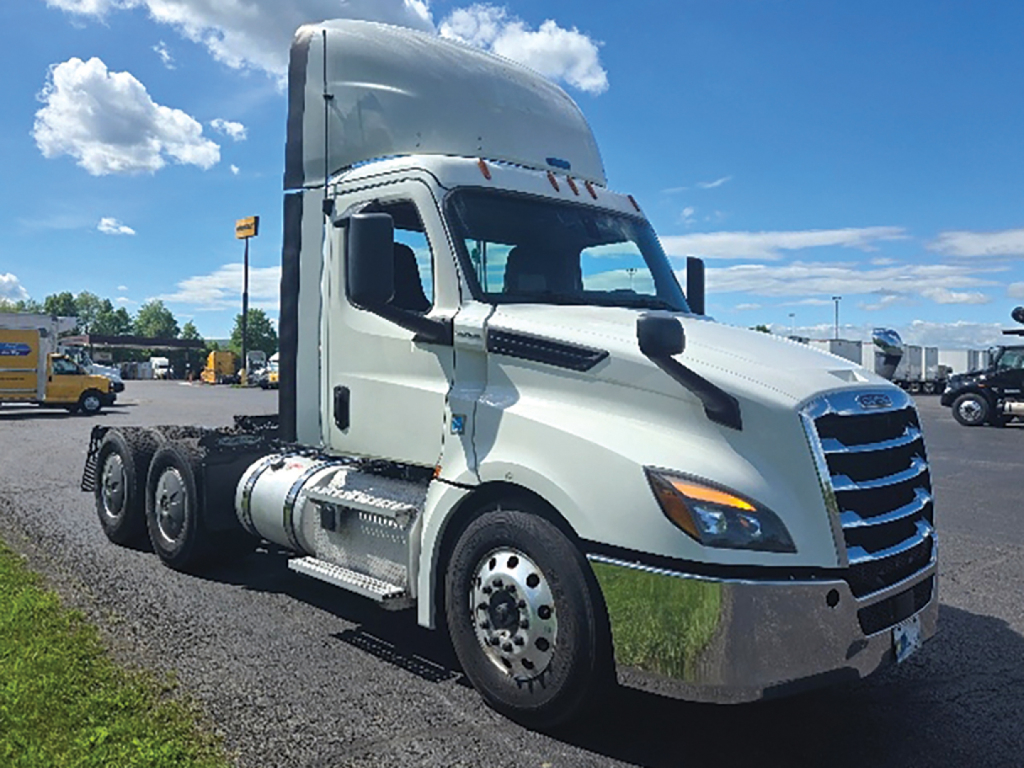
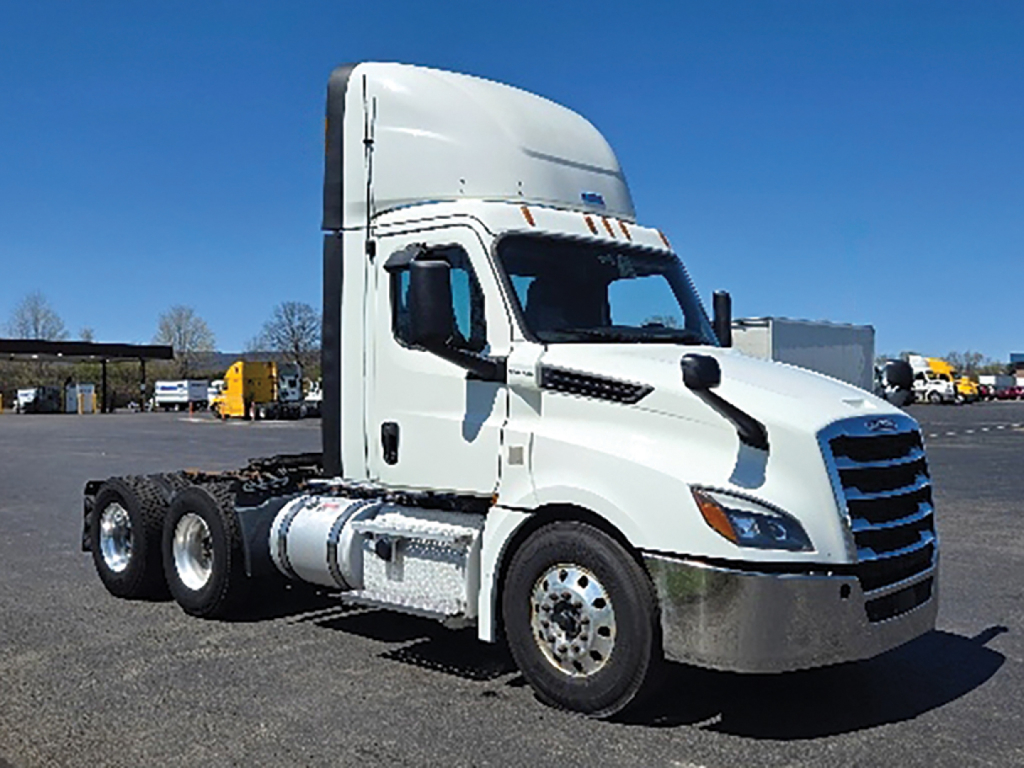
The first buying decision is usually cab style and axle spec. A 2019 Freightliner day cab is typically the better fit for short-haul, container, terminal, and dedicated route work where lower weight, tighter wheelbase, and easier maneuverability matter. Sleeper configurations make more sense for longer runs and teams, especially when higher fuel capacity, more storage, and a larger wheelbase help support extended mileage. Common specs in this class include Detroit DD13 or DD15 engines, manual or Detroit DT12 automated manual transmissions, 12,000 to 13,200 lb front axles, and 40,000 lb tandem rears on AirLiner suspension. Buyers should match rear axle ratio, wheelbase, and fifth wheel setup to the trailer length, terrain, and cruise speed the truck will actually see in service.
For New York operations, maneuverability, emissions compliance, and vocational fit deserve extra attention. Urban and metro routes around the boroughs, Long Island, Westchester, or upstate distribution corridors often favor shorter wheelbases, day cab layouts, and predictable bumper-to-back-of-cab dimensions. Trucks working heavier lanes or mixed interstate service may benefit from a DD15, taller gearing balance, and a sleeper or larger fuel setup. Air disc brakes, full fairings, engine brakes, and automated transmissions are all valuable on used Freightliner trucks because they can improve drivability, reduce driver fatigue, and help with stop-and-go duty cycles. On a used 2019 unit, review mileage against engine hours, confirm aftertreatment health, and inspect the DPF, DEF system, transmission calibration history, suspension wear, and any signs of repeated fault-code chasing.
Freightliner remains popular because it is easy to spec around a job. A buyer comparing used 2019 Freightliner trucks should look closely at wheelbase, cab-to-axle, suspension type, rear ratio, brake type, and whether the truck has a sliding or stationary fifth wheel. Service records matter as much as the badge on the hood, especially on trucks that have spent time in regional fleet duty. A well-maintained 2019 Freightliner can still deliver solid value for carrier expansion, owner-operator replacement cycles, or fleet standardization, particularly when the spec matches the freight and the operating region.
Frequently Asked Questions about Used 2019 Freightliner Trucks in New York
What engines are common in used 2019 Freightliner trucks?
Used 2019 Freightliner trucks commonly come with Detroit DD13 or DD15 diesel engines, depending on the truck’s intended application. The DD13 is a common choice in regional haul and day cab service because it balances power, fuel economy, and lower curb weight. The DD15 is more common in heavier highway and sleeper applications where sustained pulling power and long-distance efficiency are priorities. Buyers should verify horsepower, torque rating, emissions service history, and engine hours alongside the odometer.
Is a 2019 Freightliner day cab or sleeper better for New York operations?
That depends on route length, customer dwell time, and where the truck will spend most of its life. A day cab is usually the better choice for New York City, port work, warehouse shuttles, and regional lanes where maneuverability and lower operating weight matter. A sleeper is the better fit for interstate freight, overnight lanes, or operations that need more fuel, storage, and driver comfort. Wheelbase and turning radius are especially important in tighter urban markets.
What should I inspect on a used 2019 Freightliner before buying?
Focus on the items that affect uptime and expensive repairs. Check the aftertreatment system, including DPF and DEF components, for fault history and recent repairs. Review transmission performance, especially on DT12 automated manuals, and inspect clutch data if applicable. Look at suspension bushings, airbags, brake type and wear, steering components, frame condition, and tire wear patterns. It is also smart to compare ECM miles to dash miles and review maintenance records for coolant, overhead, and emissions-related service.
Are used 2019 Freightliner trucks good for fleet use?
Yes, they are a common fleet choice because Freightliner has wide dealer coverage, strong parts availability, and broad technician familiarity. The Cascadia platform in particular is easy to integrate into mixed or standardized fleets because many carriers already know the service intervals, diagnostic patterns, and driver controls. For a fleet buyer, consistency in engine, transmission, axle ratio, and brake specification can make training, maintenance planning, and parts stocking much simpler.
What specs matter most when comparing used 2019 Freightliner trucks?
The most important specs are the ones tied directly to your freight and operating profile. Engine model and rating, transmission type, rear axle ratio, front and rear axle capacity, suspension, wheelbase, and fifth wheel configuration all affect performance and trailer compatibility. A truck set up for local day cab work may not be ideal for high-mileage highway service, even if the price looks attractive. The best value usually comes from a truck whose original spec already fits the job instead of one that needs major changes after purchase.