
Used 2016 Freightliner Trucks For Sale in New York
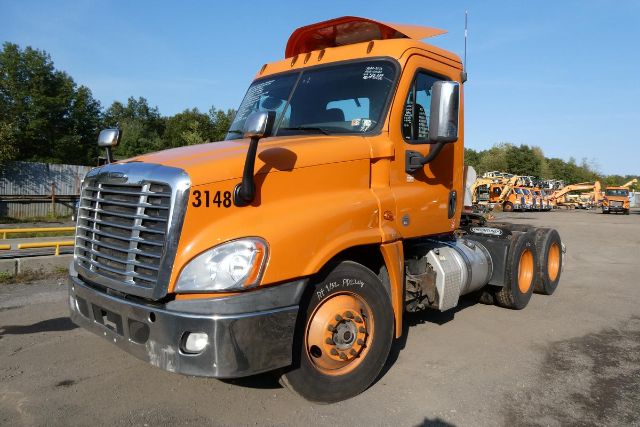
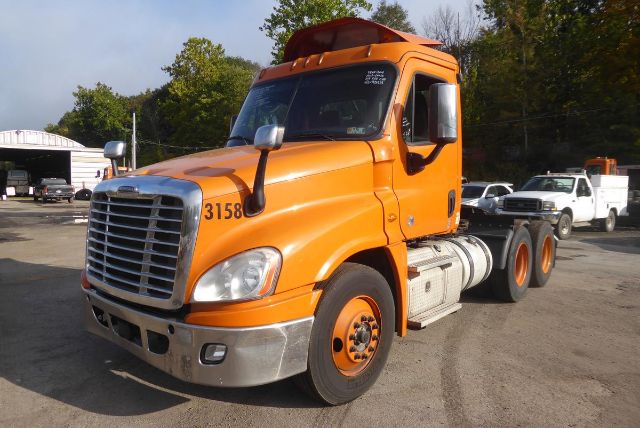
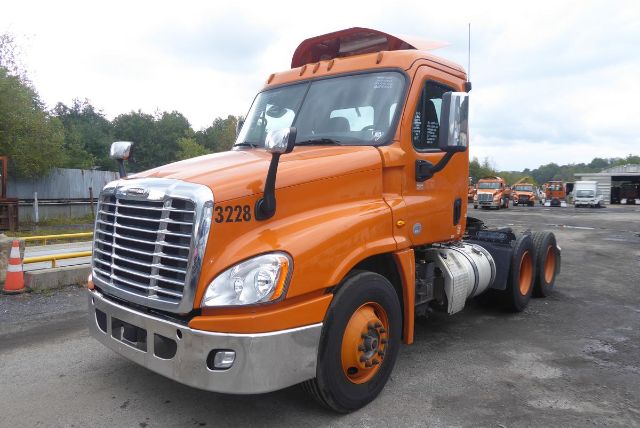
Shop used 2016 Freightliner trucks in New York. Compare Cascadia, M2, 114SD and other popular specs for highway, vocational, and fleet use.
Learn more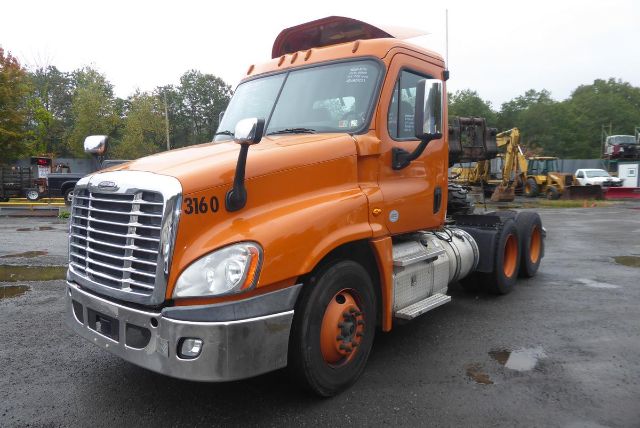
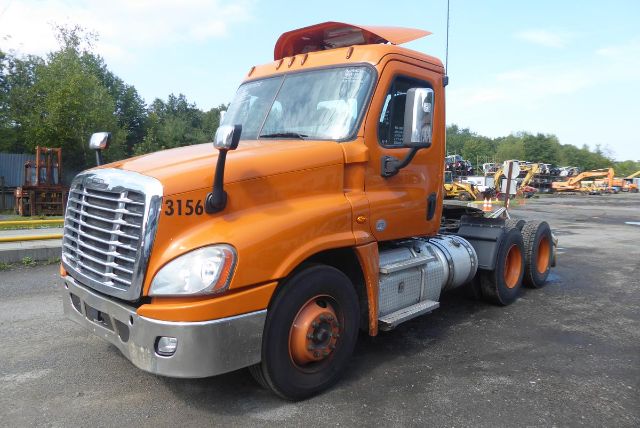
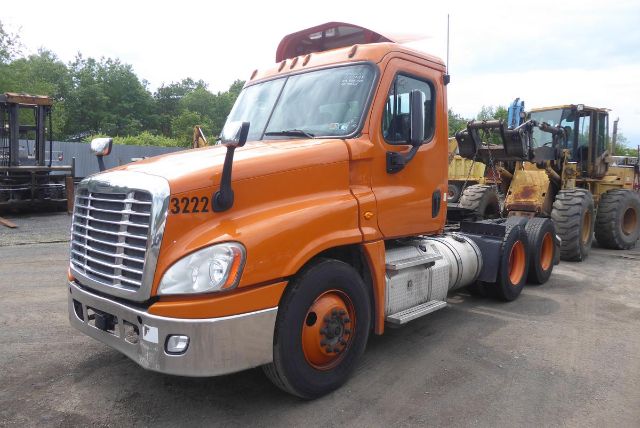
Showing 13 to 18 of 18 results
Have used 2016 freightliner truck to sell? List it here to reach thousands of buyers.
About Used 2016 Freightliner Trucks in New York
The first decision is usually platform. On-highway buyers often focus on Cascadia tractors with Detroit powertrains, especially DD13 and DD15 engines paired with DT12 automated manuals or Fuller 10-speed and 13-speed transmissions. These trucks are common in fleet service, which helps with parts availability and service familiarity. Medium-duty buyers often look at M2 106 and M2 112 configurations for box trucks, flatbeds, hooklifts, dumps, utility bodies, and reefer applications. Vocational buyers may lean toward the 108SD or 114SD for heavier front axles, set-back axle configurations, PTO use, and more durable suspension options. Typical checkpoints include wheelbase, axle ratings, rear ratio, suspension type, PTO provisions, and whether the truck has the frame and body specs needed for the intended upfit.
A 2016 Freightliner should also be evaluated with emissions and duty cycle in mind. Most trucks from this year will have DEF systems, diesel particulate filters, and electronic engine controls that need to match the work profile. Stop-and-go city service in places like New York City, Long Island, or dense upstate routes can affect regen frequency and aftertreatment health differently than linehaul miles on the Thruway. Buyers should pay close attention to maintenance history for the DPF, DEF components, sensors, EGR system, and software updates, along with idle hours versus road miles. For tractors, look at sleeper or day cab configuration, fairings, fifth wheel setup, and fuel capacity. For straight trucks, confirm cab-to-axle, cab-to-end, frame height, body condition, and hydraulic or PTO operation if the truck is equipped for vocational work.
Freightliner remains a strong used-truck choice because the brand is deeply represented in fleets, dealer networks, and the aftermarket. That usually translates into easier sourcing for body parts, drivetrain components, and service information. A good 2016 truck is less about the badge alone and more about the exact spec: engine family, transmission, axle package, suspension, brake type, and the truck's prior application. Buyers comparing multiple listings should focus on the intended job first, then match the truck to payload, bridge law considerations, maneuverability, and maintenance record. A properly spec'd used 2016 Freightliner can still be a cost-effective truck for regional freight, local route work, construction support, utility service, and private fleet replacement.
Frequently Asked Questions
What are the most common 2016 Freightliner truck models buyers look for?
The most common 2016 Freightliner models depend on the job. Cascadia tractors are a leading choice for highway and regional freight because they are widely available and commonly equipped with Detroit engines and fleet-friendly drivetrains. M2 106 and M2 112 models are popular in medium-duty applications such as box trucks, flatbeds, reefers, and service bodies. For vocational work, many buyers target 108SD and 114SD trucks because they are better suited to dump, mixer, roll-off, and severe-service body setups.
Are 2016 Freightliner trucks good for New York regional and urban service?
Yes, many 2016 Freightliner trucks are well suited for New York applications, but the right spec matters. Day cabs and medium-duty M2 models are practical for urban delivery, municipal work, and shorter regional runs where turning radius, wheelbase, and visibility are important. Cascadia tractors are common for regional freight corridors across New York and the Northeast. Buyers should consider emissions system condition, corrosion exposure from winter road treatment, and whether axle ratings and wheelbase fit local route and bridge requirements.
What should I check on a used 2016 Freightliner before buying?
Focus on maintenance history, engine hours, aftertreatment service records, and the exact chassis spec. On 2016 models, DEF and DPF health are important because these systems directly affect uptime and repair cost. Review fault codes, regen history, cooling system condition, transmission operation, suspension wear, brake type, and tire wear patterns. On straight trucks or vocational units, verify PTO function, hydraulic operation, frame condition, and body mounting. The best value usually comes from a truck whose prior duty cycle matches the work you plan to do.
Which engines are common in 2016 Freightliner trucks?
Detroit engines are very common in 2016 Freightliner trucks, especially the DD13 and DD15 in on-highway applications. Medium-duty and vocational models may also be found with Cummins power depending on the chassis and original spec. The engine choice affects fuel economy, service familiarity, power rating, and emissions maintenance costs. Buyers should compare horsepower, torque, transmission pairing, and service history rather than choosing by engine badge alone.
Is a used 2016 Freightliner better suited for fleet buyers or owner-operators?
A used 2016 Freightliner can work for both, depending on spec and condition. Fleet buyers often like them because Freightliner has broad parts support, consistent platform design, and familiarity across service networks. Owner-operators may favor them for lower acquisition cost versus newer models and for the availability of replacement components in the used and aftermarket channels. The deciding factor is usually not buyer size but how well the truck's wheelbase, axle package, engine, and transmission match the intended workload.