
Used 2016 Freightliner Trucks For Sale in California
Browse used 2016 Freightliner trucks in California, including Cascadia, M2, and Columbia models for regional, local, and over-the-road work.

Selling a used 2016 freightliner truck? List your used 2016 freightliner truck for sale and reach thousands of commercial buyers.
Used 2016 Freightliner Trucks in California
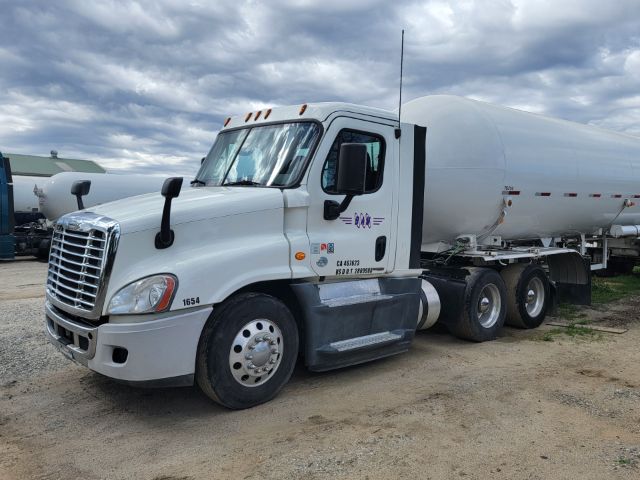
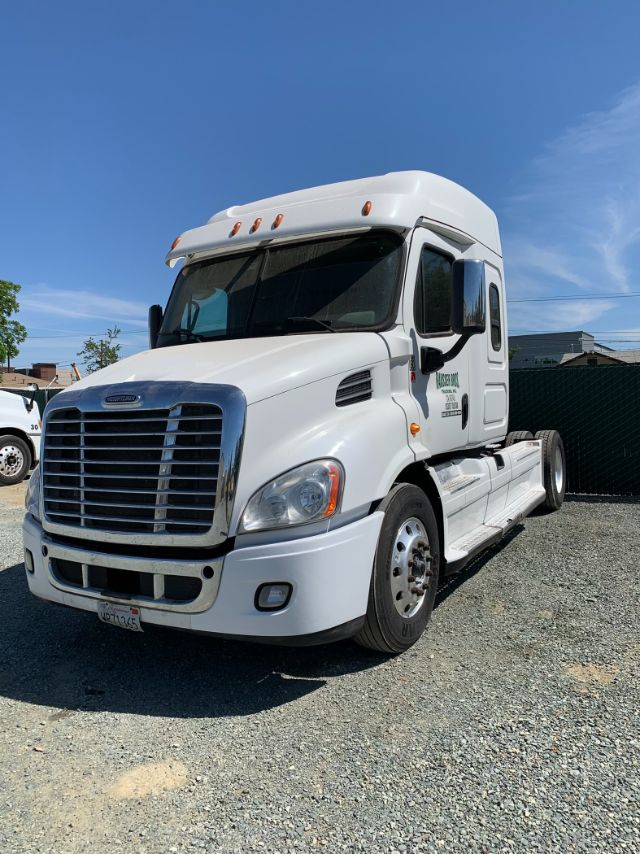
For highway use, the 2016 Freightliner Cascadia remains one of the most common choices on the road. Buyers typically compare sleeper and day cab configurations, wheelbase, fuel capacity, fairing setup, and drivetrain combinations built around Detroit engines such as the DD13 or DD15, often paired with Detroit automated manuals or Eaton Fuller manual transmissions. A 2016 Cascadia can fit regional freight, dedicated lanes, port work, or long-haul service depending on rear axle ratio, suspension, and mileage history. If the truck will stay in California, it is smart to verify emissions equipment condition, aftertreatment service records, and any state-specific compliance requirements before focusing on cosmetic details.
In medium-duty and straight truck applications, 2016 Freightliner M2 models are common in box truck, reefer, flatbed, dump, rollback, and utility body configurations. Here, buyers should look closely at body length, liftgate rating, PTO setup, front axle capacity, and cab-to-axle measurement because those details determine how useful the truck will be in daily operation. For chassis-oriented work, a 2016 Freightliner can also appear as a cab and chassis ready for upfit or as a vocational platform with air brakes, spring or air-ride suspension, and diesel engines sized for local or regional routes. Service access and parts availability remain strong points for Freightliner, which matters for fleets trying to limit downtime and owner-operators managing maintenance costs carefully.
The best used 2016 Freightliner truck is the one with a spec that matches the work, not just the lowest price or newest paint. A buyer should check maintenance records, ECM data, idle hours, tire wear patterns, brake condition, suspension wear, and signs of aftertreatment neglect. On tractors, pay attention to fifth wheel condition, frame modifications, and kingpin setting compatibility with the trailers being pulled. On straight trucks, confirm door opening dimensions, floor condition, and body integrity along with the chassis specs. Freightliner remains a common choice because the platform is familiar, widely supported, and available in configurations that cover everything from local delivery to heavy highway freight.
Frequently Asked Questions about Used 2016 Freightliner Trucks in California
What are the most common 2016 Freightliner truck models buyers look for?
The most common 2016 Freightliner trucks on the used market are typically the Cascadia for highway tractor work and the M2 for medium-duty and straight truck applications. Buyers may also see Columbia or vocational chassis in specialized service. The right model depends on the job, since a Cascadia is usually chosen for regional or long-haul freight while an M2 is more common for box trucks, service bodies, flatbeds, and local delivery work.
What should I check first on a used 2016 Freightliner in California?
Start with emissions compliance, engine and aftertreatment service history, and the truck’s original operating role. In California, DPF, DEF, and related emissions components need to be in proper working order, and repair records can tell you a lot about how the truck was maintained. After that, review mileage, engine hours, transmission type, axle ratings, and any signs of hard vocational use, especially on trucks that may have spent time in port, stop-and-go, or construction service.
Is a 2016 Freightliner Cascadia a good fit for regional or long-haul work?
A 2016 Freightliner Cascadia can be a strong fit for both regional and long-haul applications if the spec matches the route and payload. Buyers should compare sleeper size, fuel tank capacity, wheelbase, rear axle ratio, and engine rating to the freight being hauled. A regional truck may prioritize maneuverability and shorter wheelbase, while a long-haul spec usually benefits from larger sleepers, higher fuel capacity, and drivetrain settings designed for highway efficiency.
What matters most when buying a used 2016 Freightliner M2 or straight truck?
The most important factors are body configuration, GVWR, cab-to-axle dimension, axle ratings, and any equipment tied directly to the intended job, such as a liftgate, PTO, reefer unit, or tool body. Buyers should also inspect the box or upfit as carefully as the chassis, since floor wear, water intrusion, rear frame condition, and door hardware can affect operating cost just as much as engine or transmission issues. On a working straight truck, body condition is part of the truck’s value, not an afterthought.
Are parts and service still easy to find for a 2016 Freightliner truck?
Yes. One reason Freightliner remains a popular used truck brand is the broad service network and strong parts support across highway and medium-duty platforms. That matters for both fleets and independent operators because common models like the Cascadia and M2 are familiar to most diesel shops. Easy access to maintenance items, drivetrain parts, and diagnostic support can help reduce downtime and make a used 2016 Freightliner more practical to keep on the road.