
Freightliner Trucks For Sale in Massachusetts
Find Freightliner trucks for sale in Massachusetts, from Cascadia sleepers and day cabs to M2 box and 114SD dumps. Compare specs, engines, and axles.
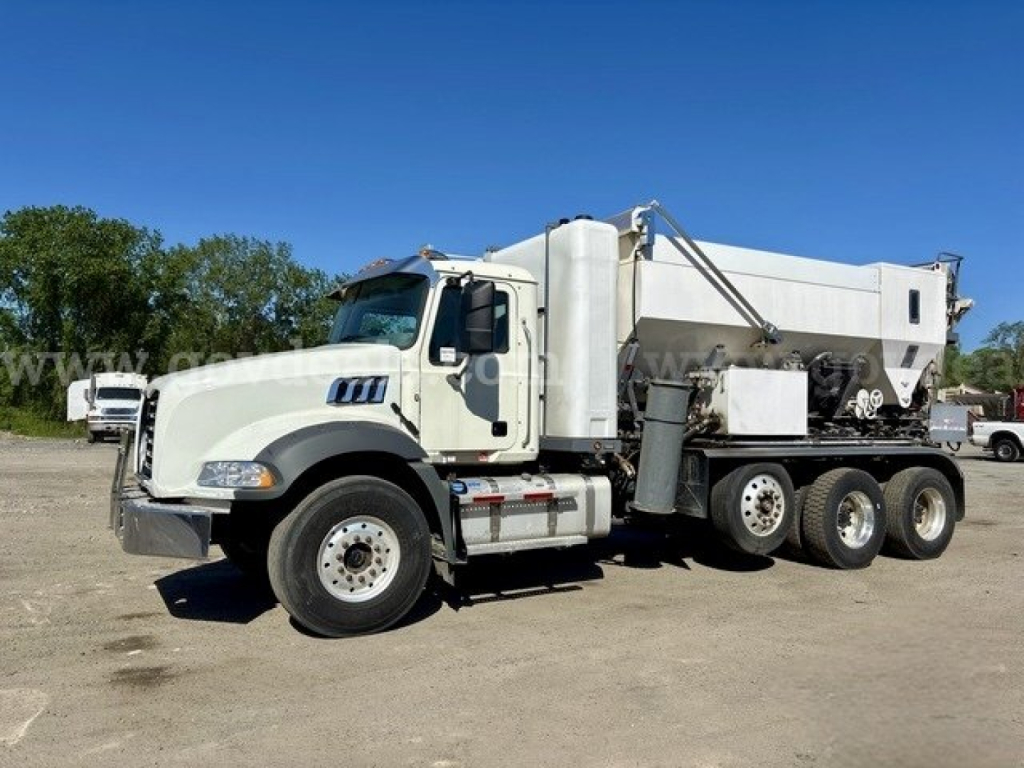
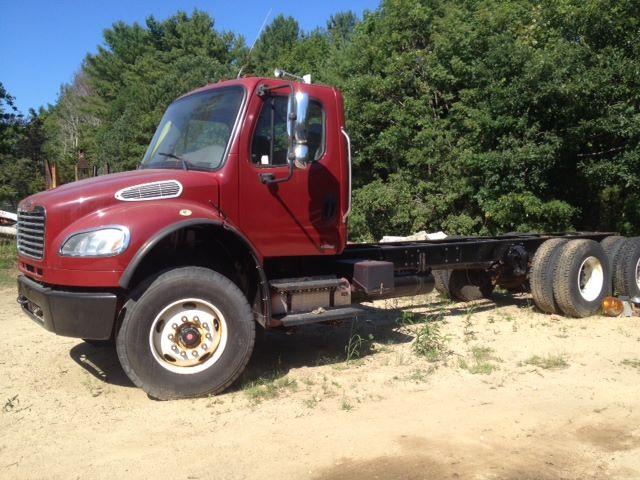

Have freightliner truck to sell? List it here to reach thousands of buyers.
Freightliner Trucks in Massachusetts
For local delivery and municipal work, the Business Class M2 106 and M2 112 offer tight turning, easy cab entry, and straightforward body integration. Common specs include 26-foot dry van or reefer bodies with rail or tuck-under liftgates, curbside doors, and aluminum roof/bulkhead options to save weight. Allison 2000/3000 automatics handle stop-and-go Boston routes better than a manual, and non-CDL 25,999 GVWR builds help expand the driver pool. Verify body inside height and overall height for low-clearance routes in older New England neighborhoods.
Construction and waste haulers typically lean toward the 108SD, 114SD, or legacy 122SD. Set-forward or set-back steer axles change maneuverability and bridge compliance, while double-frame inserts, 20-23k steer axles, and 40k-46k rears with locking differentials are common on dumps and roll-offs. AirLiner or Neway air suspensions ride well on the highway, while Hendrickson Haulmaax or Chalmers excels off-road. Look for front frame extensions, high-capacity front PTO provisions, and heated heated mirrors if the truck plows or runs PTO-driven bodies in winter.
Massachusetts conditions reward corrosion-resistant specs. Check for aluminum cabs and wheels, stainless fasteners, sealed wiring, and intact undercoating to fight road salt. Block heaters, heated fuel filters, and strong HVAC keep uptime through cold snaps in the Berkshires. For any late-model unit, review aftertreatment history—DPF cleanings, SCR dosing faults, and DEF pump replacements—since Massachusetts diesel inspections will flag issues. Confirm tire sizes (11R22.5 or 295/75R22.5), remaining tread, and match axle ratios to your cruise speed and terrain. In urban applications, a shorter wheelbase, good mirror package, side object detection, and a 50-degree wheel cut make a noticeable difference in Boston traffic.
Frequently Asked Questions about Freightliner Trucks in Massachusetts
Which Freightliner model is best for long-haul or regional routes in Massachusetts?
The Cascadia is the go-to Class 8 tractor for the Mass Pike and Northeast lanes. A DD15 with a DT12 automated manual and 2.28-2.64 axle ratios delivers strong fuel economy at 65-70 mph while keeping gradeability for the Berkshires. Day cabs suit regional and port drayage, while 60-72 inch mid-roof sleepers fit overnight runs without excess height for older docks.
What should I inspect on a used Freightliner that has run in New England winters?
Look closely at frame rails, crossmembers, spring hangers, air tanks, and brake lines for rust. Inspect cab mounts, radiator support, and battery boxes for corrosion. Verify block heater function, check heater cores and door seals, and confirm heated mirror operation. Pull aftertreatment records for DPF cleanings and NOx sensor history, and scan the ECM for active or history fault codes. An oil sample and a charge-air cooler pressure test help catch hidden issues.
How should I spec a Freightliner dump or roll-off for Massachusetts weight and bridge rules?
Balance axle capacities and spacing to meet the bridge formula and your target payload. Many MA dumps use 18-20k steer axles with 40k-46k rears and may add a steerable lift to increase legal gross while protecting turning radius. Choose an appropriate wheelbase and bridge-friendly axle spreads, and confirm body length, hoist rating, and pintle setup if you plan to pull a tag trailer. Always verify local and route-specific limits before finalizing the spec.
Which engines and transmissions are common in Freightliner trucks, and how do they compare?
Detroit DD13 and DD15 dominate late-model Freightliners for their integration with the DT12 AMT and Detroit Assurance safety suite. DD13 is lighter and well-suited to regional and vocational roles, while DD15 provides more torque for highway work. Cummins X12 and X15 are also common, often paired with Eaton Endurant or UltraShift. Allison automatics are favored on M2 and SD models in stop-start, PTO, or plow service for durability and ease of use.
What features help with urban routes around Boston and older New England towns?
Shorter wheelbases, set-back steer axles, and a 50-degree wheel cut improve maneuverability on tight streets. Low overall height and careful body spec help avoid low-clearance routes, while heated mirrors, good LED lighting, and side object detection enhance safety. Automated manuals or Allisons reduce driver workload in congestion, and forward collision mitigation shortens stopping distance in stop-and-go traffic.