
Freightliner Conventional Daycab Trucks For Sale in Massachusetts
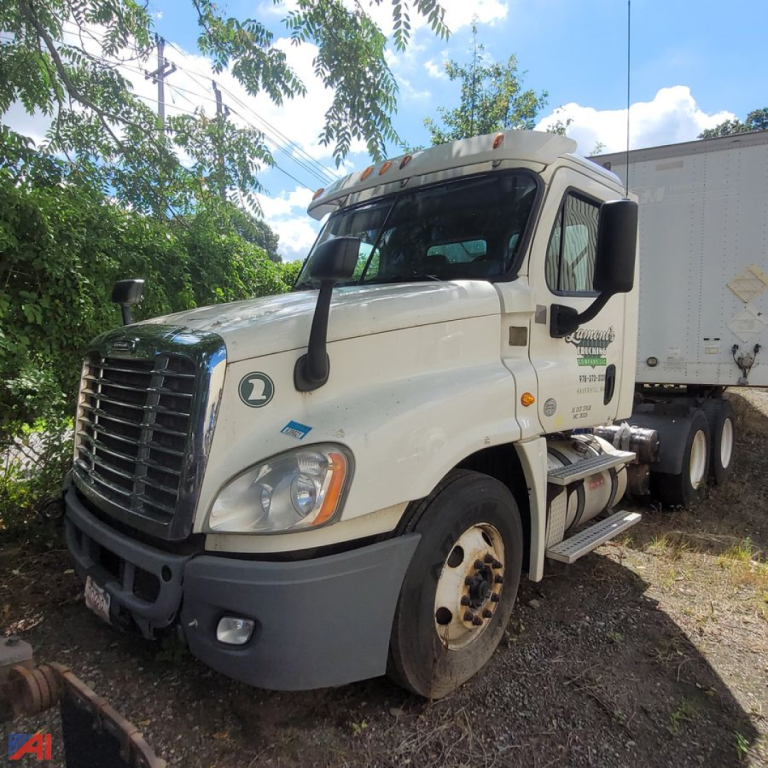
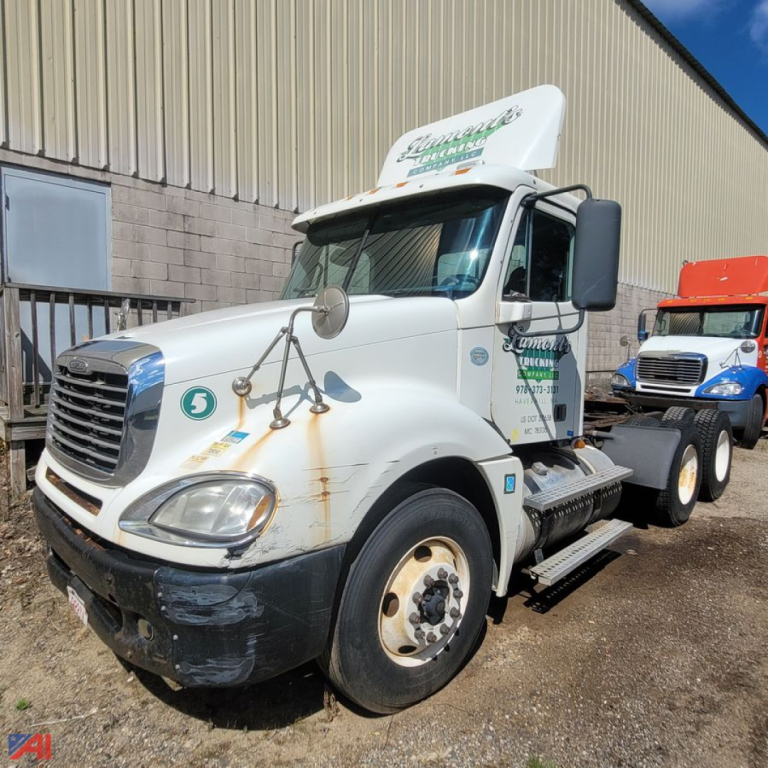
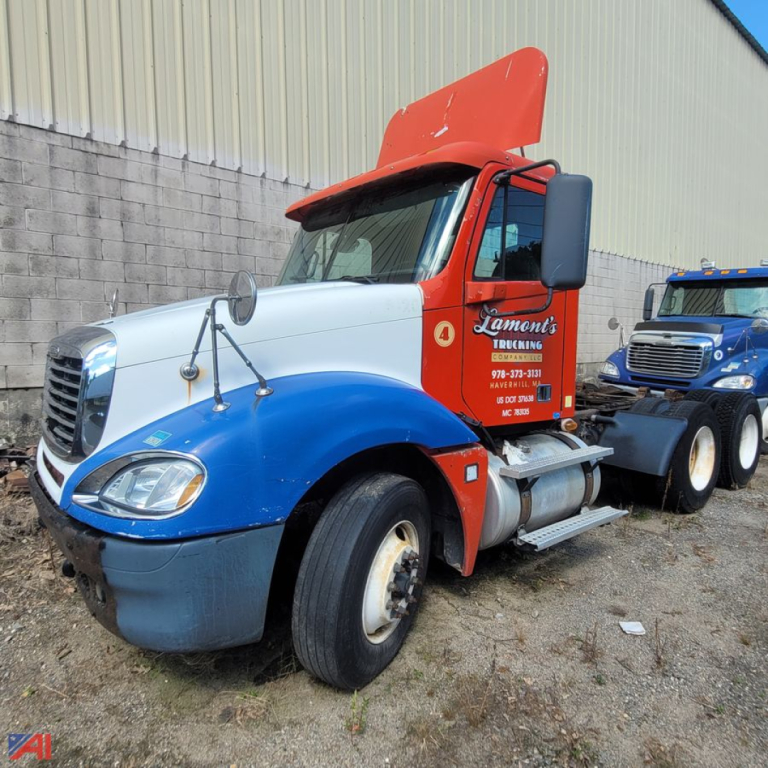
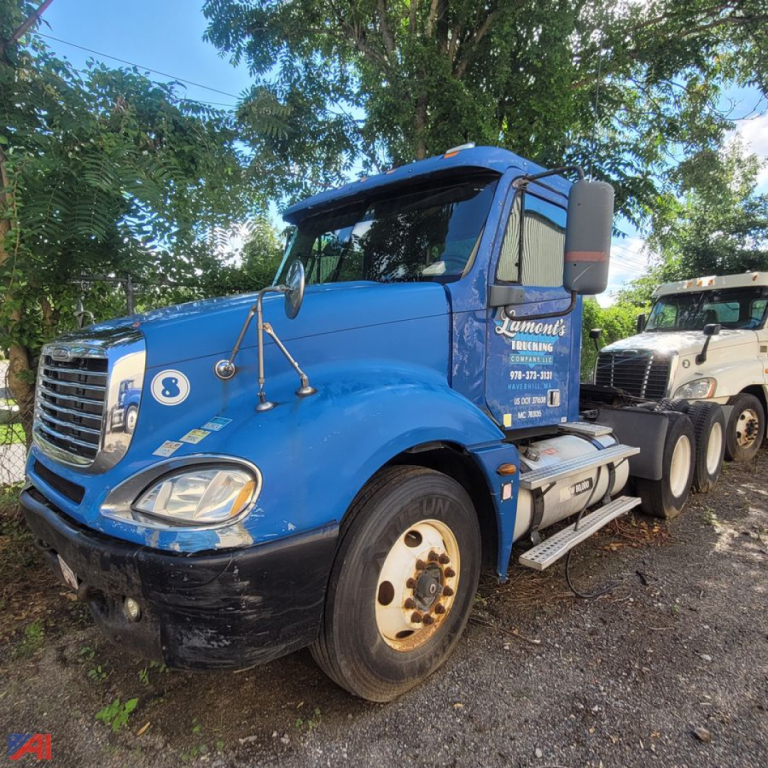
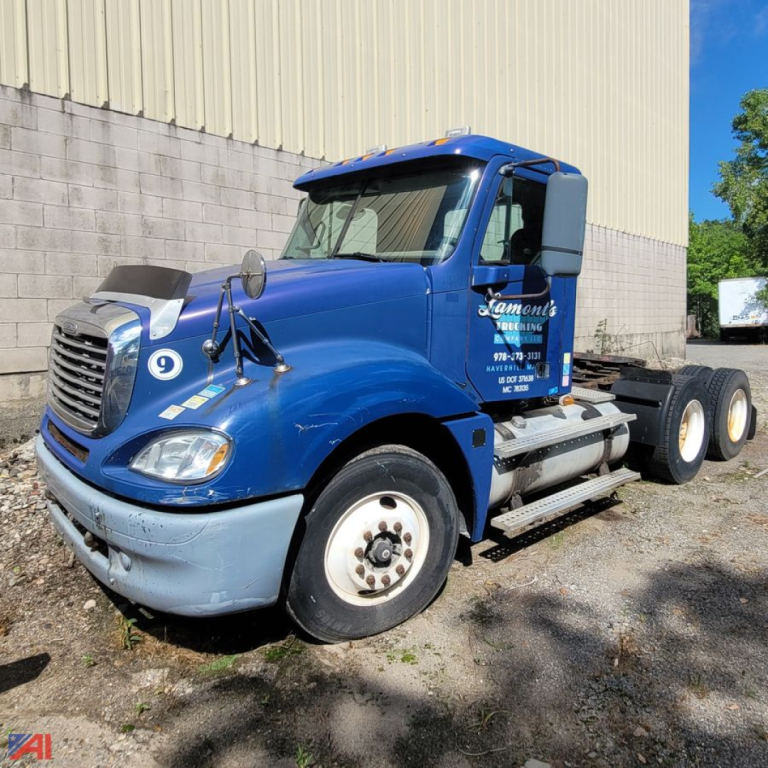
Have freightliner conventional daycab truck to sell? List it here to reach thousands of buyers.
Freightliner Conventional Daycab Trucks in Massachusetts
Two of the most common Freightliner platforms in this category are the Columbia and the Cascadia. Older Columbia daycabs are known for straightforward mechanical layouts and broad parts support, which matters to fleets that handle repairs in-house. Cascadia daycabs typically bring a more aerodynamic hood, updated electrical architecture, and better fuel-efficiency potential on regional lanes. Depending on year and spec, buyers will commonly see Detroit Diesel power, often paired with Eaton Fuller manual or automated manual transmissions, along with tandem rear axles in popular ratings such as 40,000 pounds. Front axle ratings, suspension type, fifth wheel setup, and PTO provisions should all be checked against the intended trailer and duty cycle.
A good buying decision starts with the actual job. For container drayage or city turns, shorter wheelbases and tighter setback axle configurations can improve maneuverability. For heavier trailer work, look closely at GCWR, frame rail section, locking differential specs, and the condition of the suspension, driveline, and brakes. If the truck will see regular Northeast winter service, corrosion on the frame, cab mounts, crossmembers, wiring, and air system components deserves extra attention. Tire wear patterns, steer axle alignment, DPF and emissions service history, and engine idle hours can reveal more than odometer mileage alone on a used daycab.
Freightliner remains a practical choice in the conventional daycab segment because service knowledge, replacement parts availability, and familiar component spec combinations are widespread. Buyers comparing listings should focus less on badge alone and more on how the truck is configured: daycab interior layout, fuel tank capacity, fairings, suspension, wheelbase, brake type, and fifth wheel position all affect real-world productivity. A properly matched Freightliner daycab can be a cost-effective tractor for short-haul freight, terminal work, and vocational pull applications where uptime and operating simplicity matter most.
Frequently Asked Questions about Freightliner Conventional Daycab Trucks in Massachusetts
What is a Freightliner conventional daycab truck best suited for?
A Freightliner conventional daycab is best suited for regional and local operations that do not require overnight accommodations. Common uses include short-haul freight, container drayage, dump trailer work, municipal hauling, and yard-to-terminal runs. The daycab design reduces empty weight and overall length compared with a sleeper tractor, which helps with maneuverability, payload efficiency, and driver access during frequent stop-and-go work.
What Freightliner models are common in the conventional daycab category?
The Freightliner Columbia and Freightliner Cascadia are two of the most common conventional daycab platforms on the used market. Columbia models are often valued for their simpler design and established parts network, while Cascadia models are known for improved aerodynamics, newer cab layouts, and stronger fuel-economy potential in regional service. Exact value depends on engine, transmission, rear axle ratio, suspension, emissions system condition, and how the truck was originally spec'd.
What should I inspect first on a used Freightliner daycab in Massachusetts?
Start with frame and corrosion condition, especially on trucks that have spent years in Northeast road salt. Check crossmembers, cab mounts, battery box supports, air tanks, brake lines, and electrical connections for rust or deterioration. Then review engine hours, emissions system service records, tire wear, suspension condition, and signs of drivetrain stress. A truck with average mileage but poor maintenance history can cost more than a higher-mile unit with documented repairs and clean structural condition.
Which specs matter most when choosing a conventional daycab?
The most important specs are wheelbase, axle ratings, engine horsepower and torque, transmission type, rear axle ratio, suspension, and fifth wheel setup. Those items determine how the truck performs with your trailer type, load weight, and route profile. Buyers should also verify fuel capacity, PTO capability if vocational equipment is involved, and whether the truck has drum or disc brakes. The right spec package matters more than model name because it directly affects turning radius, legal payload, fuel burn, and maintenance cost.
Is a Freightliner daycab a good choice for fleet standardization?
A Freightliner daycab is often a strong fleet standardization choice because component availability, service familiarity, and technician knowledge are widespread. Many units share common Detroit engines, Eaton transmissions, and standard tractor components that simplify stocking and repairs. For fleets running local or regional routes, that can reduce downtime and make it easier to keep drivers and maintenance teams on a consistent platform.