
2015 Freightliner Trucks For Sale
Explore 2015 Freightliner trucks by model and spec. Engines, transmissions, and key trade-offs for Cascadia, M2, and SD vocational trucks.
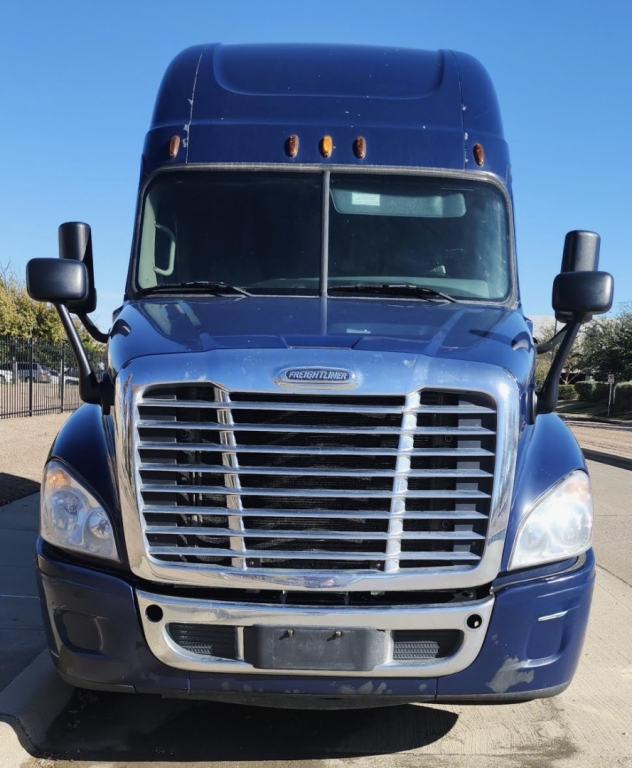
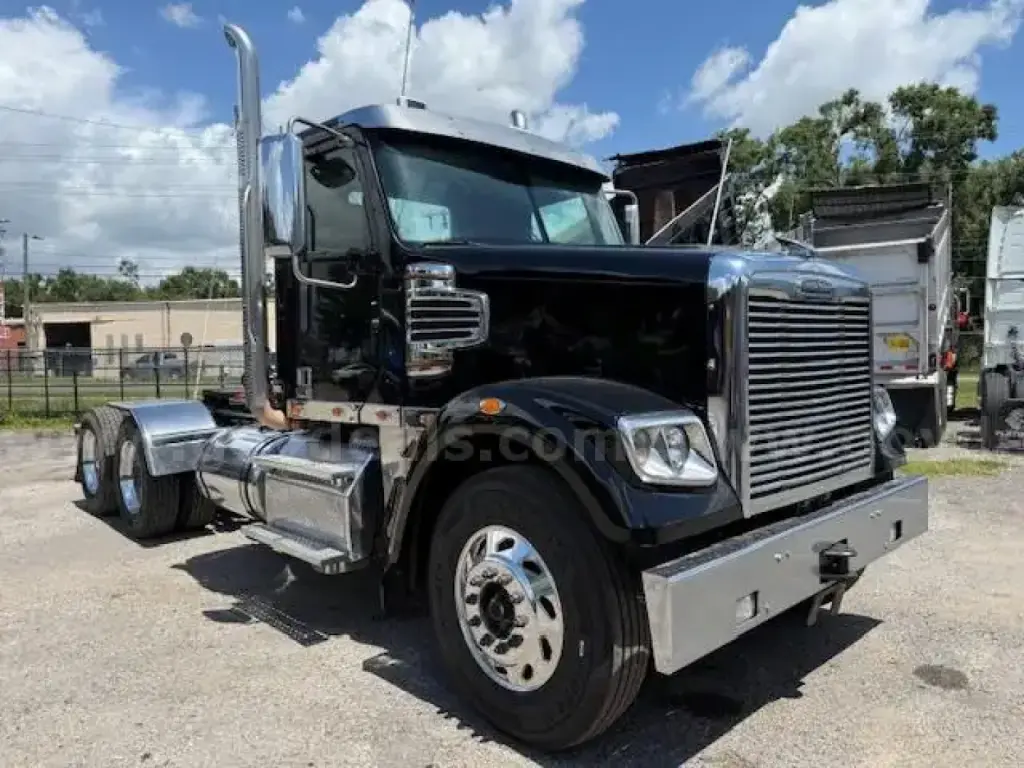
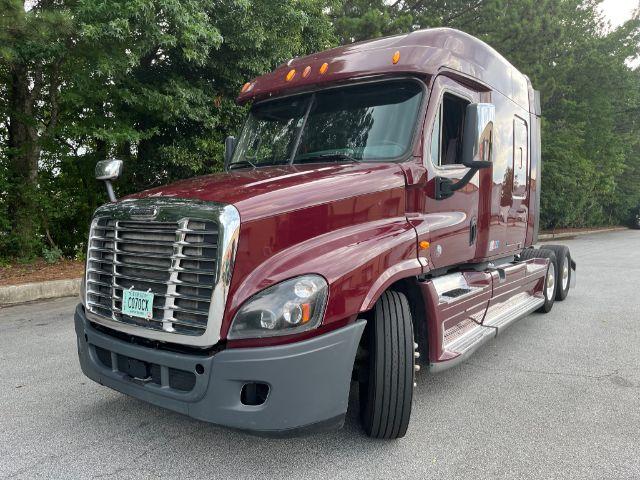
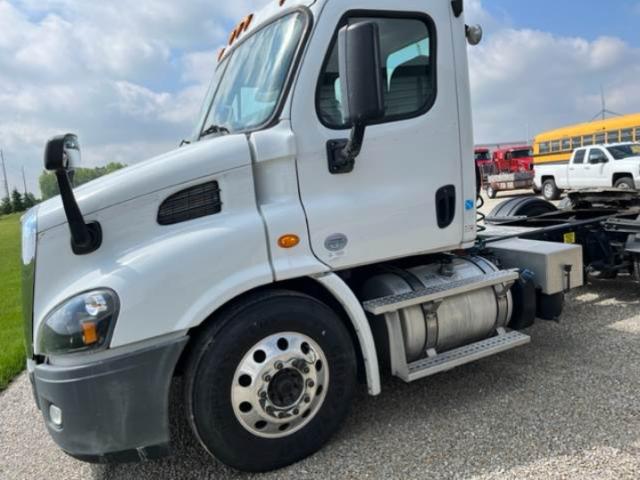
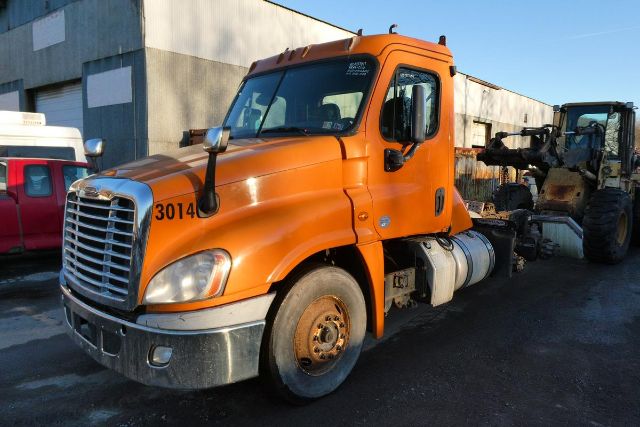
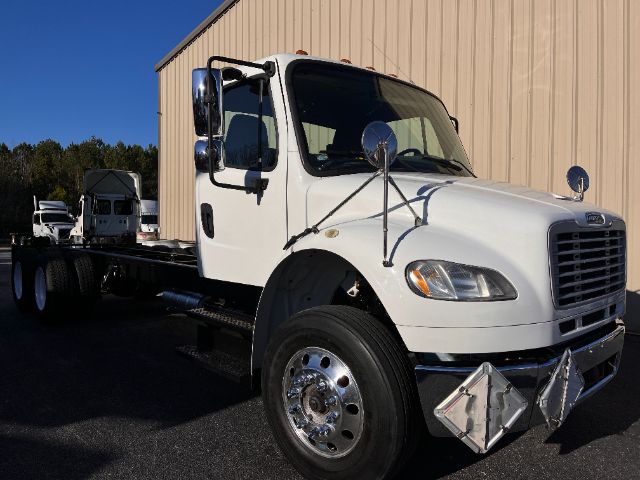
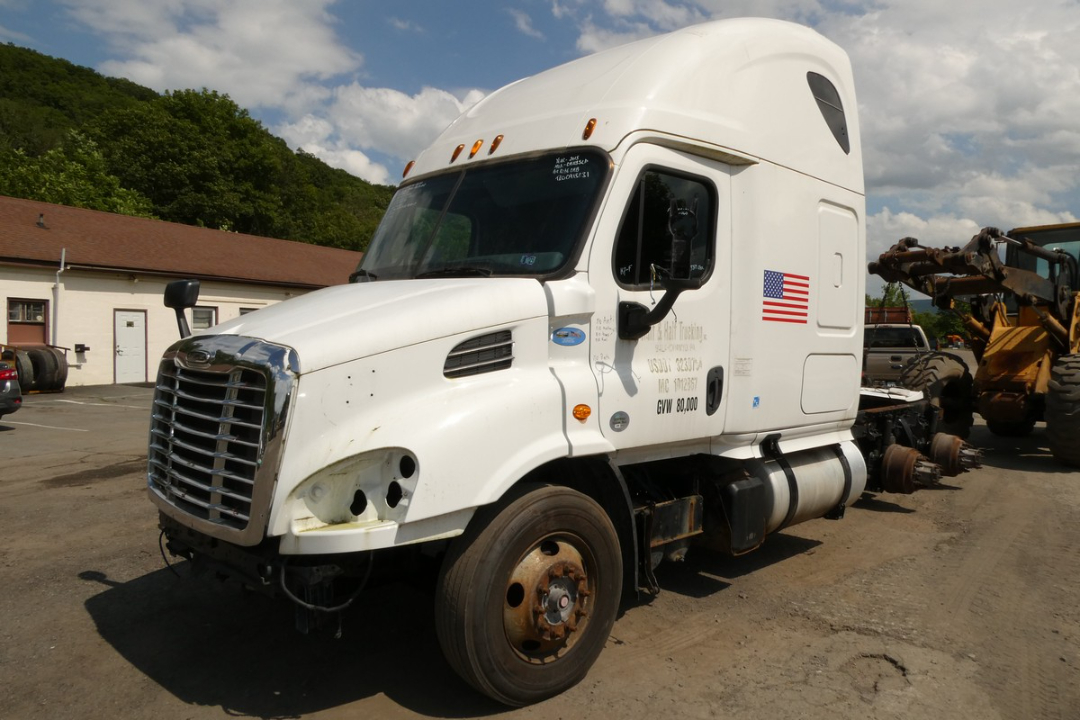
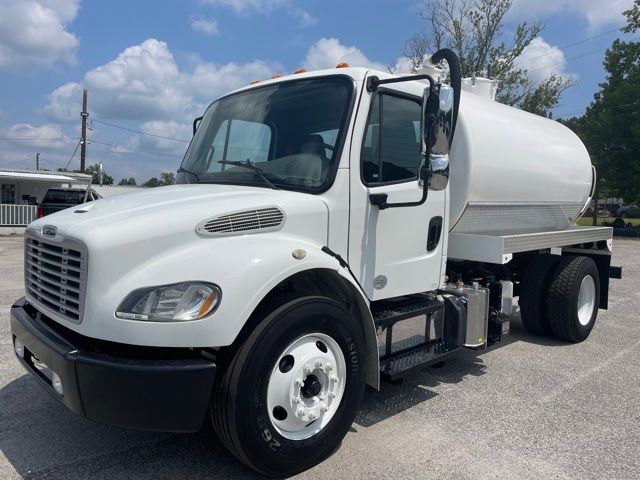

Selling a 2015 freightliner truck? List your 2015 freightliner truck for sale and reach thousands of commercial buyers.
2015 Freightliner Trucks
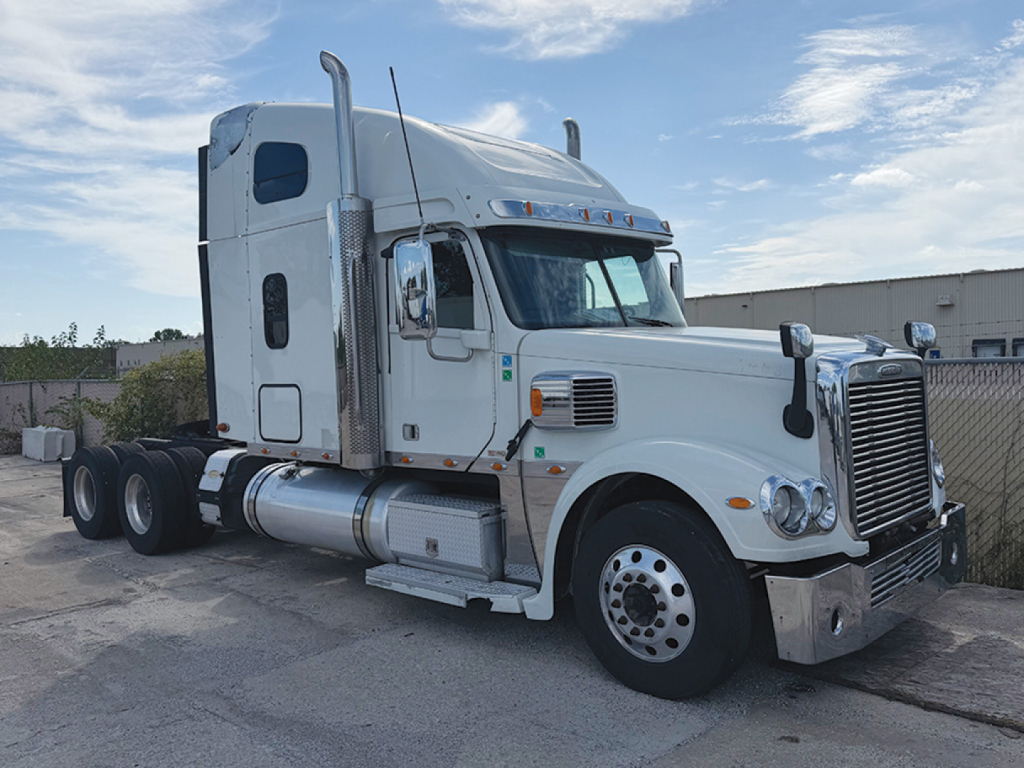
On highway tractors, the Cascadia and Cascadia Evolution dominated 2015. Common builds include DD13 410-450 hp or DD15 455-505 hp with 1550-1750 lb-ft, mated to DT12 or Eaton Fuller 10- to 18-speed manuals or UltraShift Plus. Downsped axle ratios from roughly 2.47-2.85 appear on many Evolutions, typically with 22.5 low-profile tires, aiming to keep cruise rpm low. That setup favors long-haul and light to moderate grades, but it is sensitive to driver shifting strategy and terrain. Traditional 3.21-3.55 ratios remain a good regional choice. You will see 6x4 tandems with Meritor or Detroit rears and AirLiner suspension as the norm; 6x2 tag or pusher configurations show up for weight and fuel savings, trading some traction margin on slick surfaces. Safety and comfort options vary widely in this year: Bendix or Meritor WABCO collision mitigation, lane departure, air disc brakes on steer or all positions, APUs or bunk heaters, 60- and 72-inch sleepers, or day cabs with 170-180 inch wheelbases. Fifth wheel height and slider travel are worth confirming if your trailer fleet mixes van, reefer, and flatbed.
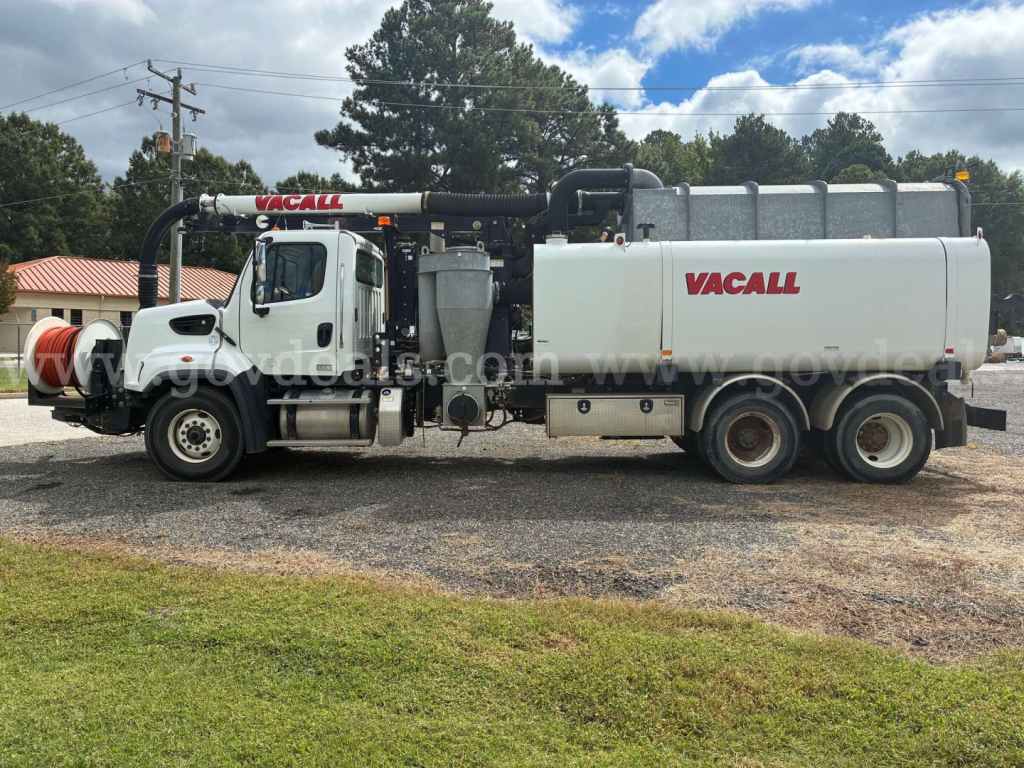
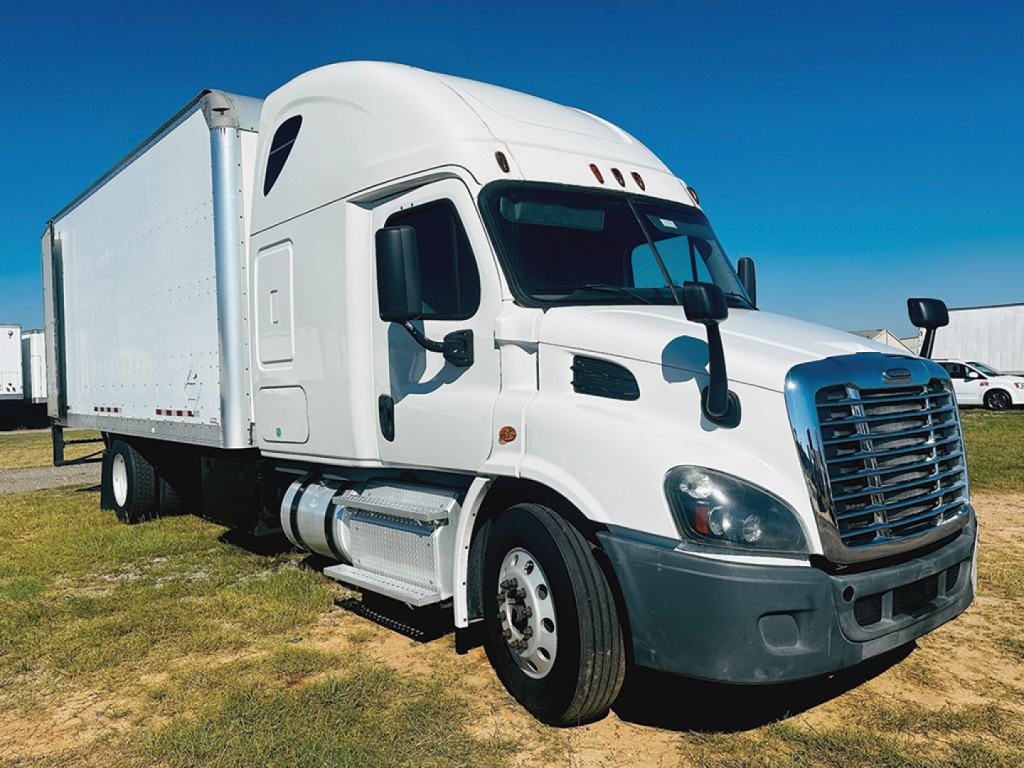
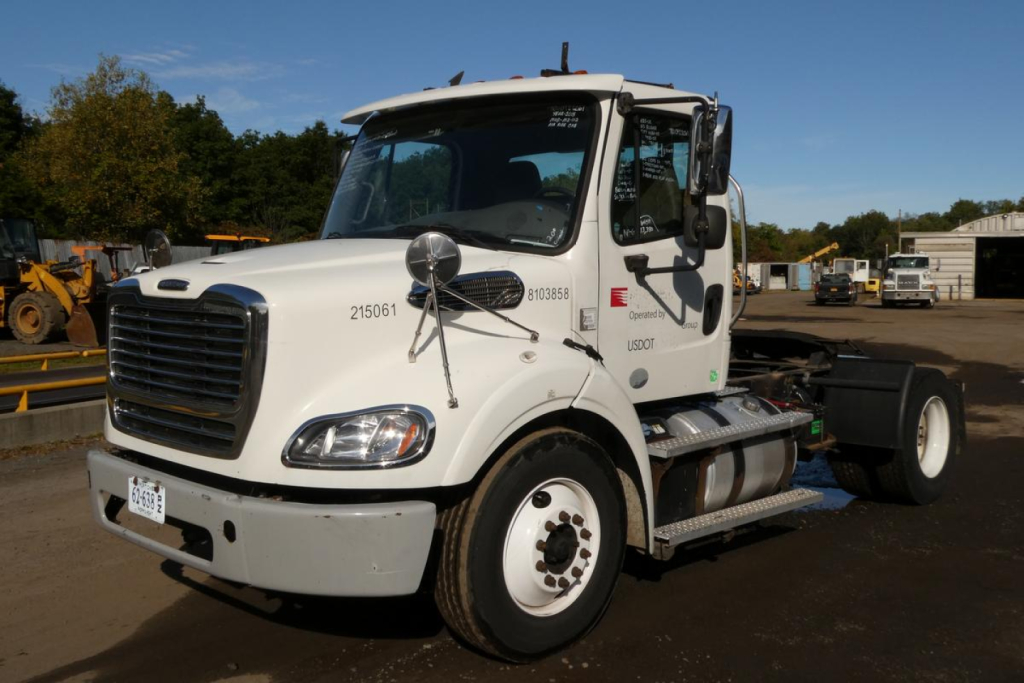
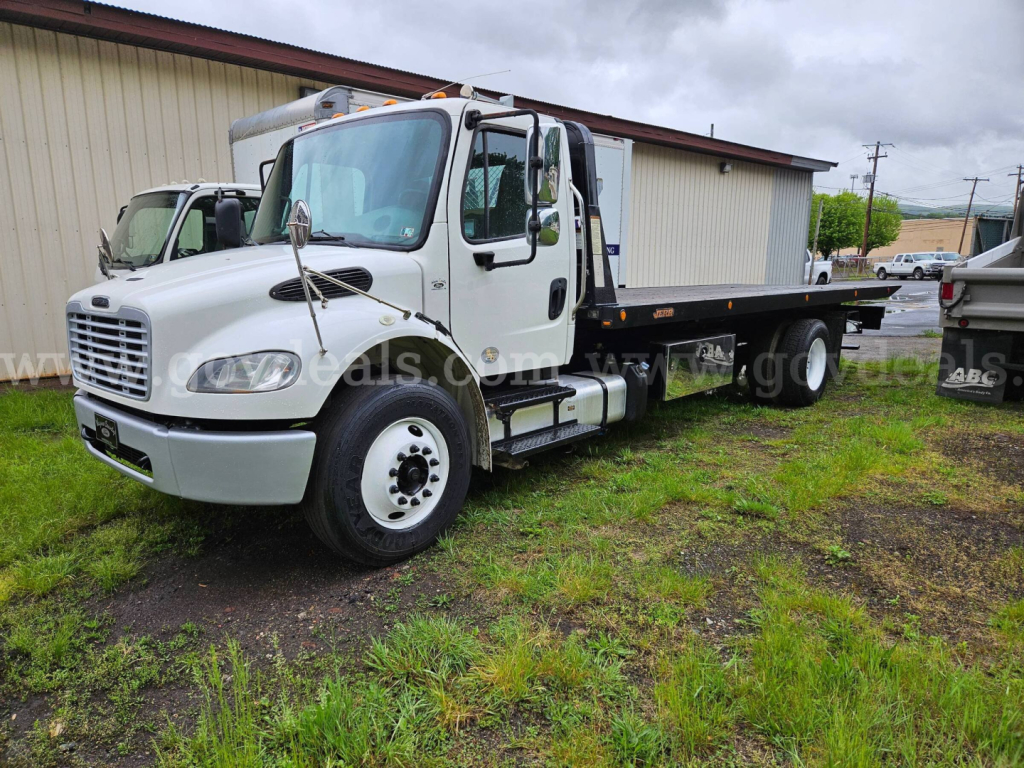
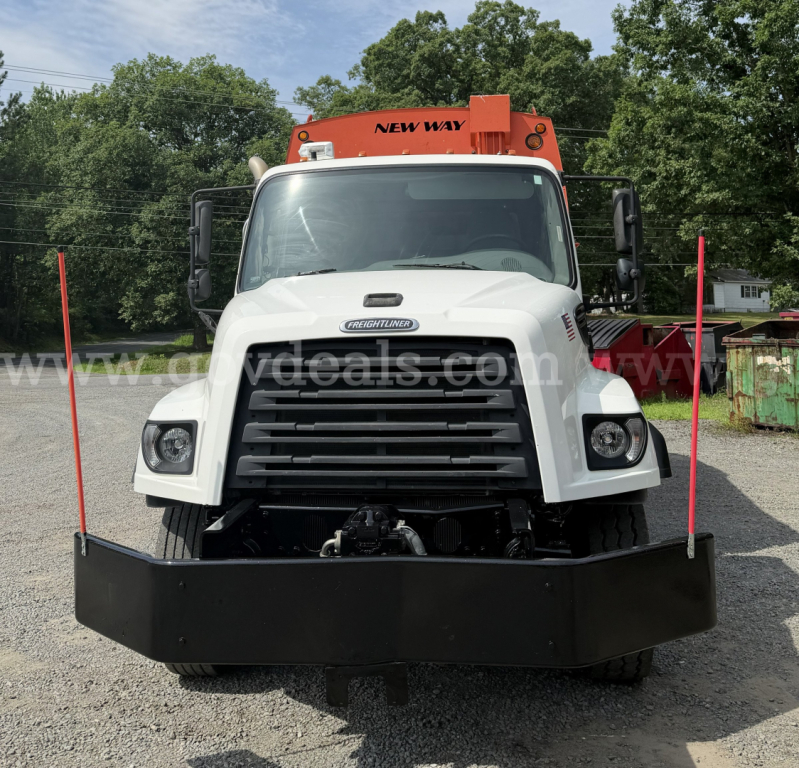
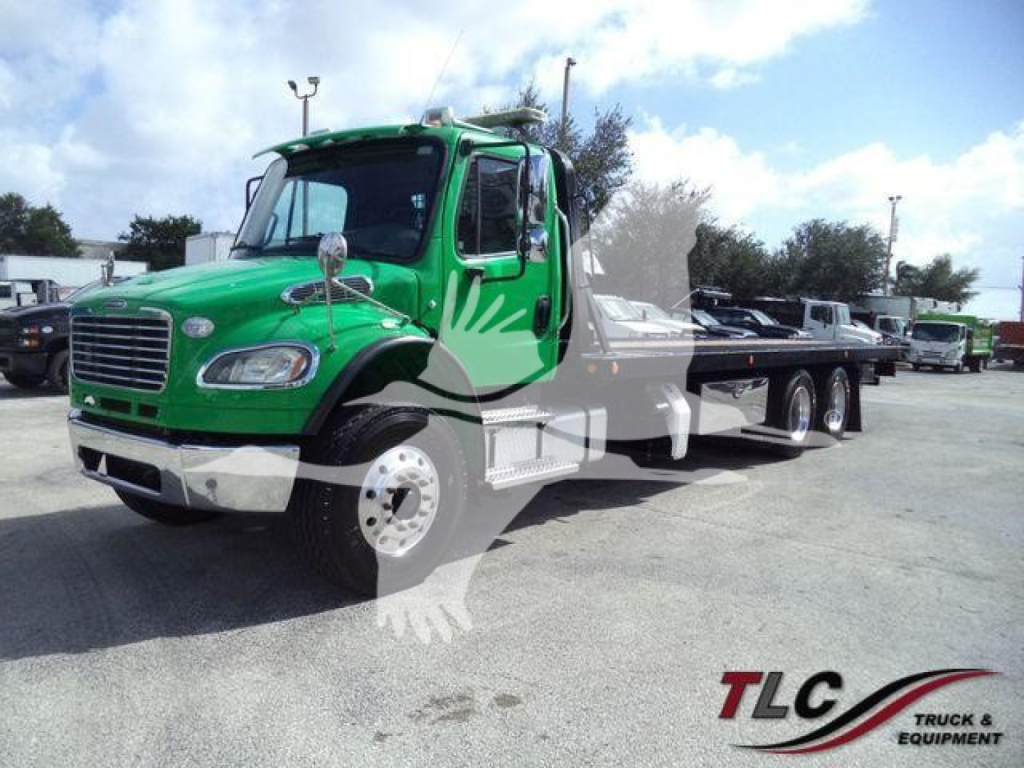
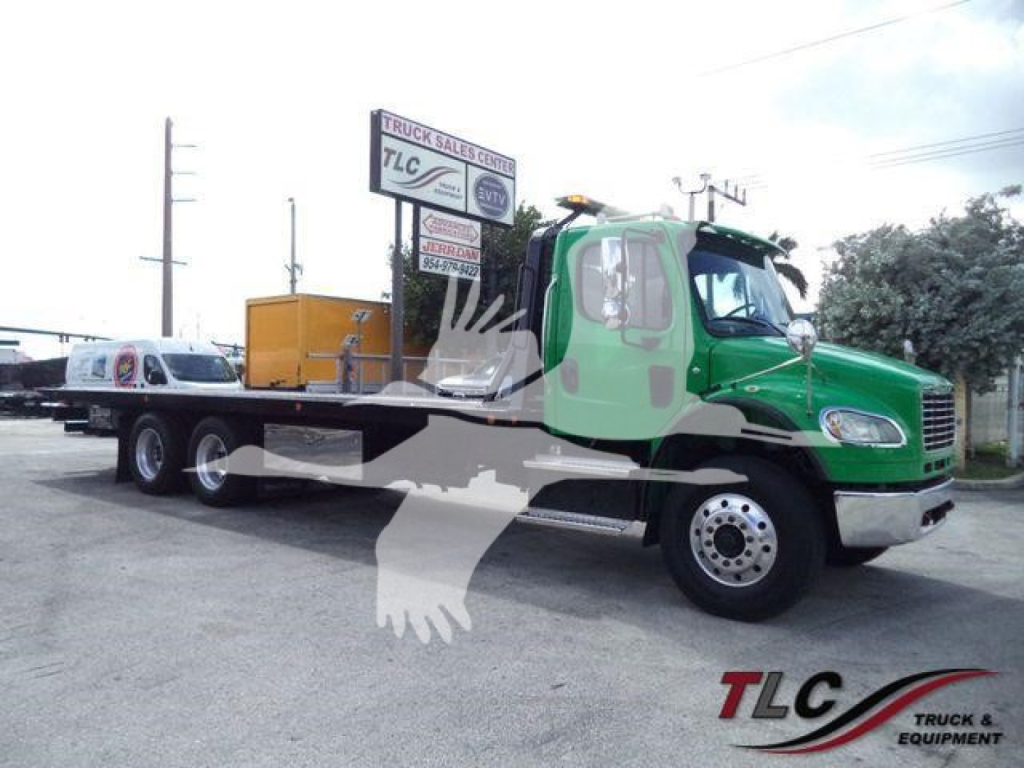
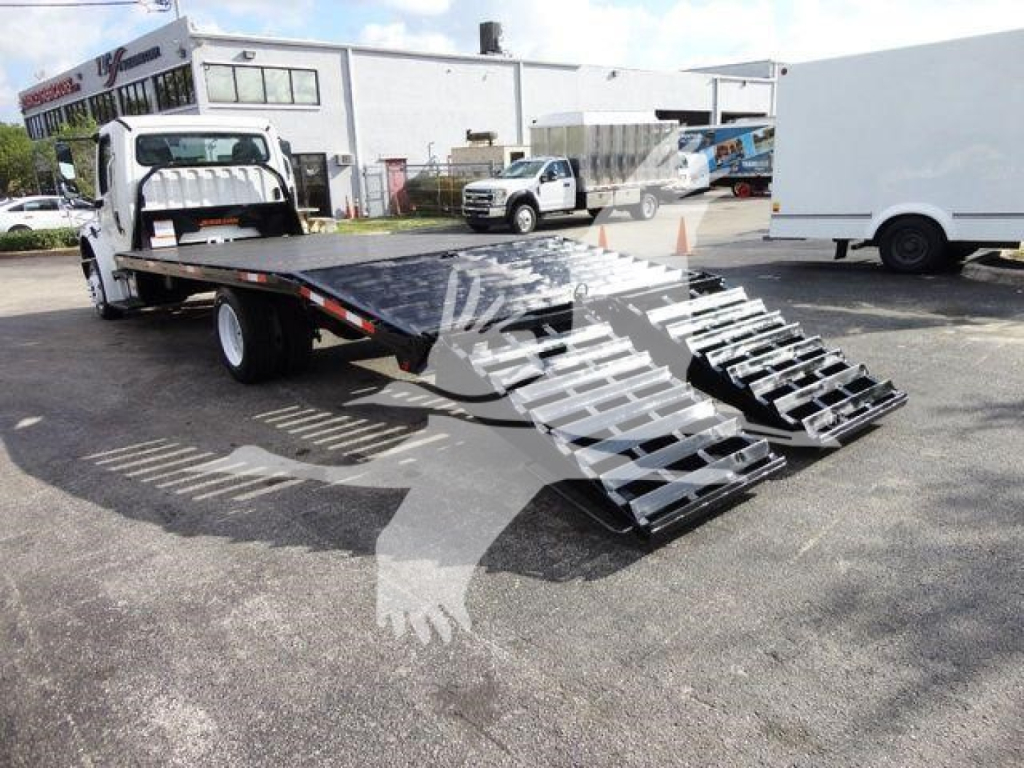
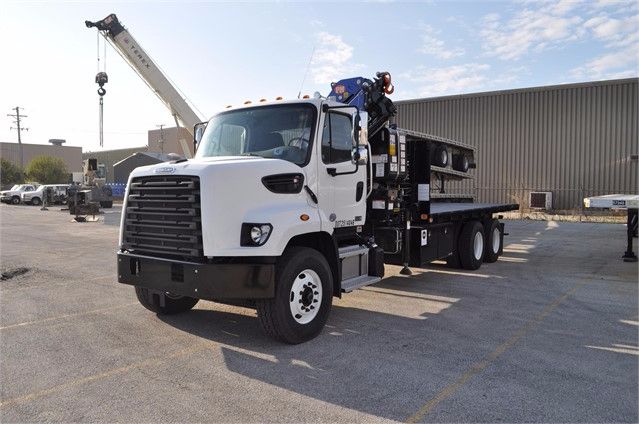
In the medium-duty and vocational space, Business Class M2 106 and 112 trucks cover straight truck work also known as box trucks, reefers, dumps, tankers, and service bodies. Expect wheelbases matched to body lengths from 20-28 feet, Allison 2200/2500/3000 automatics, and GVWRs from non-CDL 26,000 up to 33,000 with air brakes. The 108SD and 114SD, along with the heavy-duty 122SD, are common in mixers, roll-offs, and severe-service dumps with DD13 or Cummins ISL9 and ISX12, double-frame options, full-locking rears, PTO provisions, and Allison 4000 series. Set-forward or set-back steer axles, 12k-20k FAWR steer options, and 40k-46k tandems define turning radius, axle load split, and bridge compliance. For a city box route, hydraulic brakes, 19.5-inch rubber, and a 6.7L Cummins keep operating costs low; for heavier regional freight, air brakes, 22.5 tires, and a 9L or DD13 provide better durability and thermal capacity.
On used 2015 units, maintenance history is the differentiator. Review DOC/DPF service intervals and ash load, check for frequent parked regens, and scan SCR efficiency, NOx sensors, and DEF quality sensor faults. For DT12 and UltraShift Plus, verify clutch life remaining, current software, and smooth low-speed creep. Inspect AirLiner bushings, torque rods, brake lining life, and drum or rotor condition. Look for corrosion on frame rails and crossmembers on rust-belt trucks, and confirm any liftgate, PTO, or reefer components operate to spec. California and CARB Truck and Bus rules accept 2010 and newer engines, but verify labels and any glider-kit history before planning interstate routes. Finalize spec fit to your duty cycle: long-haul sleepers with downsped gearing for sustained interstate speeds, regional day cabs with moderate ratios for stop-and-go, and M2 or SD vocational builds with the right GVWR, brake system, and PTO configuration for the body you plan to run.
Frequently Asked Questions about 2015 Freightliner Trucks
Which engines are most common in 2015 Freightliner highway tractors and how do they compare?
Detroit DD13 and DD15 are most common, with DD13 favoring lighter weight and regional work at 350-450 hp and up to 1650 lb-ft, and DD15 aimed at long-haul with 455-505 hp and up to 1750 lb-ft. Many Cascadias also shipped with Cummins ISX15 in similar power ranges. DD15 pairs well with the DT12 for integrated fuel economy and cruise control strategies, while ISX15 appeals if you want broader independent service coverage or specific PTO and gearing preferences.
Is the DT12 automated transmission a good choice in a 2015 Cascadia?
Yes. By 2015, DT12 calibrations and shift logic were mature, enabling stable downspeeding and efficient cruise at low rpm. It reduces clutch wear compared to a manual and integrates with engine braking and predictive cruise. Inspect for smooth launch and creep, check clutch life and input shaft seal areas, confirm recent software updates, and service the fluid and filters on schedule.
What should I check on the aftertreatment system before buying a 2015 truck?
Pull a scan for active and inactive codes, SCR conversion efficiency, and NOx sensor behavior. Review DPF ash load and cleaning history, inspect the DEF doser and lines for crystallization, and check the one-box or separate components for leaks or heat damage. Excessive idle time or short-haul cycles can accelerate soot loading, so maintenance records and regen frequency matter.
How do 6x2 axles compare to 6x4 tandems on 2015 Freightliner tractors?
A 6x2 saves weight and can improve fuel economy, especially with low-rolling-resistance tires, but it trades some traction margin on ice, snow, or jobsite approaches. Look for load-shifting or liftable axle features that help traction and tire wear. If you routinely run in winter or on unimproved surfaces, a 6x4 with driver-controlled locks is often the safer choice and can aid resale in certain regions.
Are 2015 Freightliner M2 box trucks typically non-CDL, and what are the trade-offs?
Many M2 106 box trucks are rated at 26,000 GVWR for non-CDL operation with hydraulic brakes, which keeps licensing and maintenance simpler. Stepping up to 33,000 GVWR with air brakes increases payload, brake durability, and component life but requires a CDL and may mean higher insurance and inspection requirements. Choose based on your typical cargo density, route terrain, and stop frequency.