
Trucks For Sale Near Forest Park, Georgia
Showing 25 to 48 of 92 results
Have truck to sell? List it here to reach thousands of buyers.
Trucks Near Forest Park, Georgia
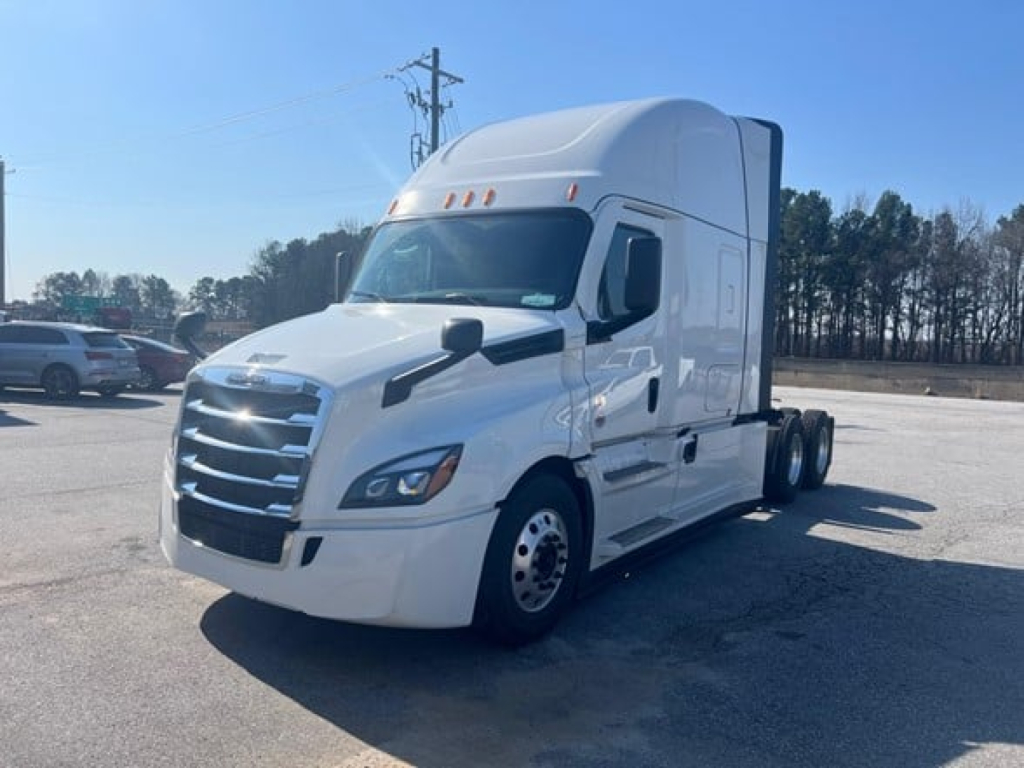
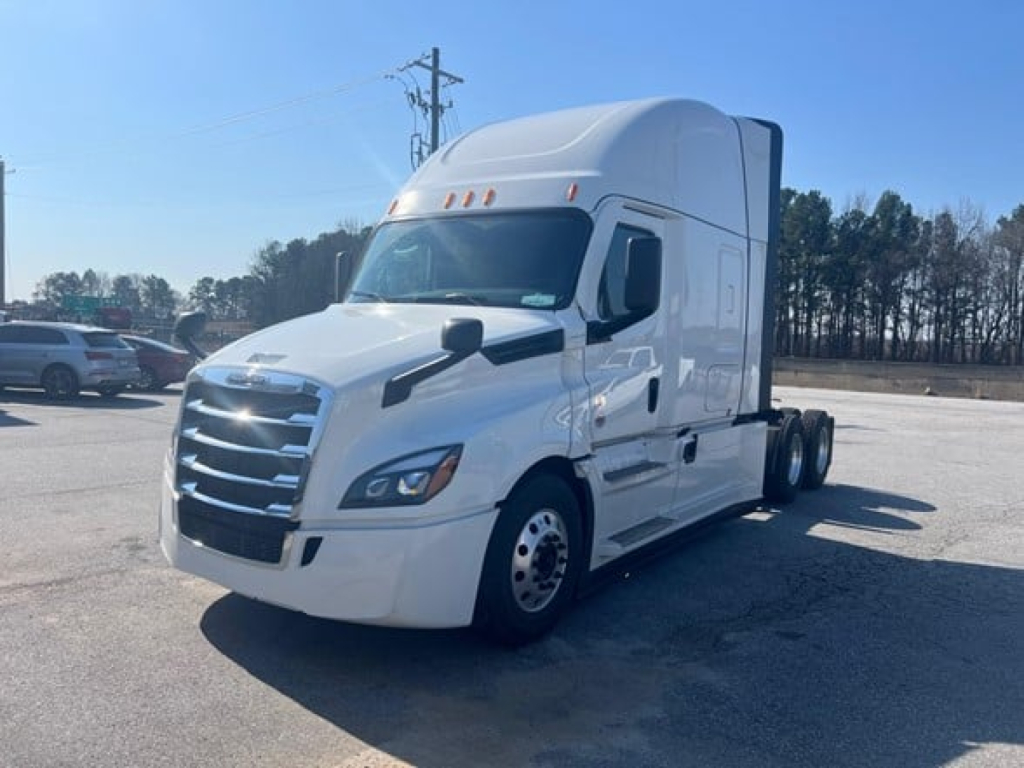
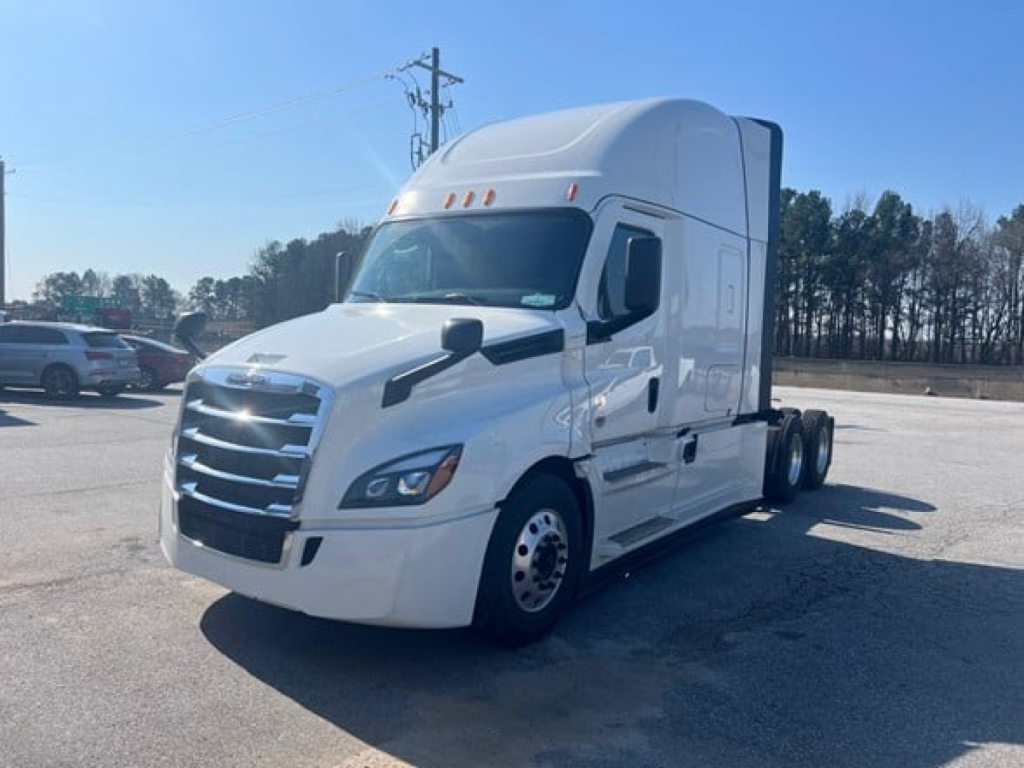
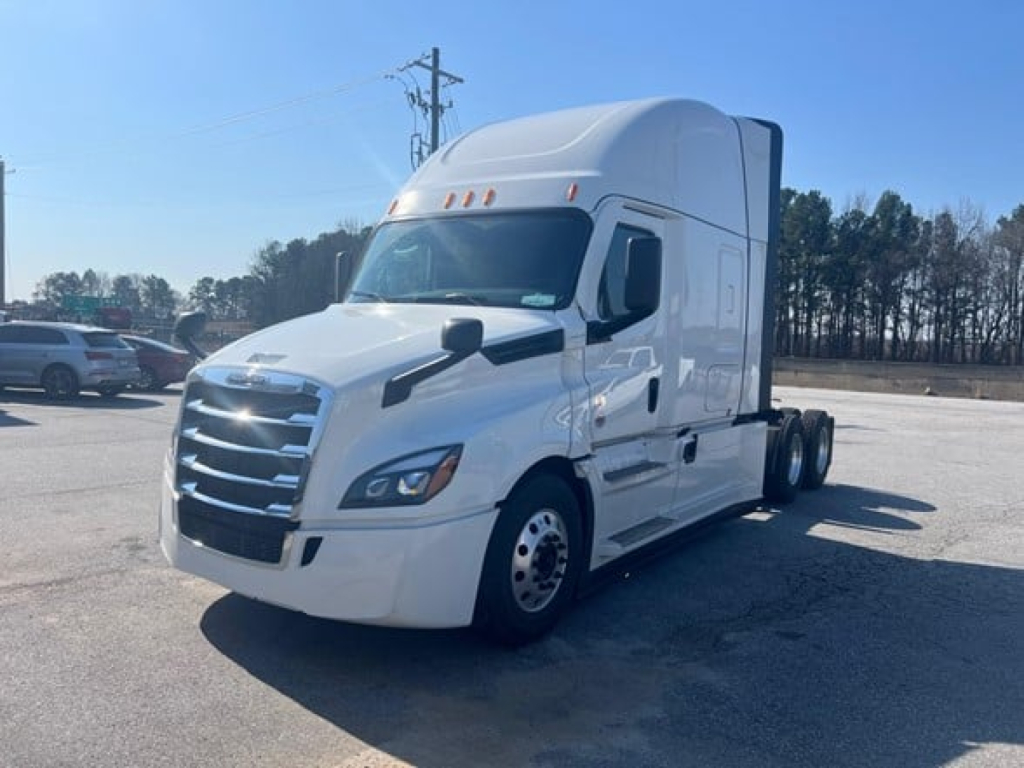
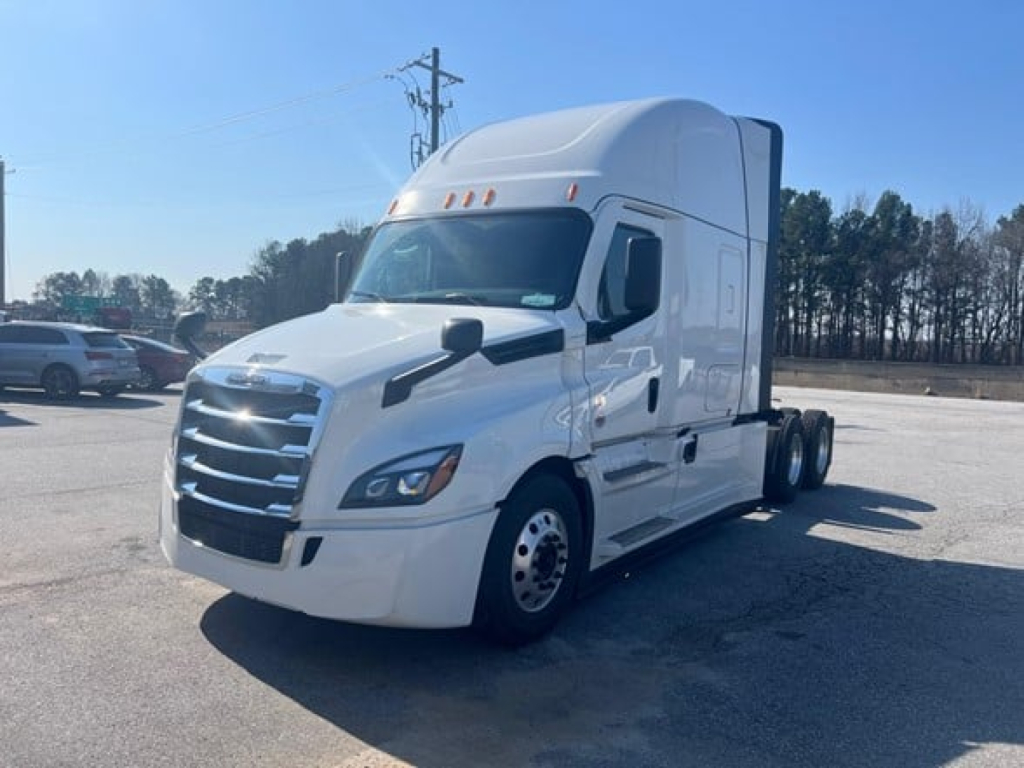
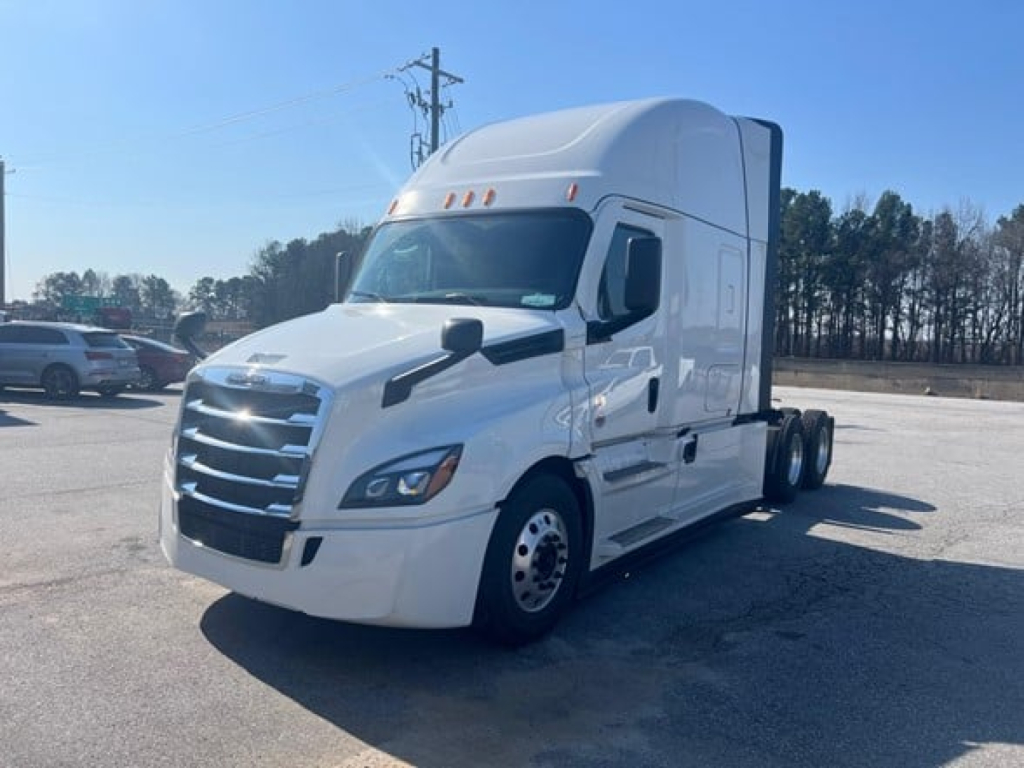
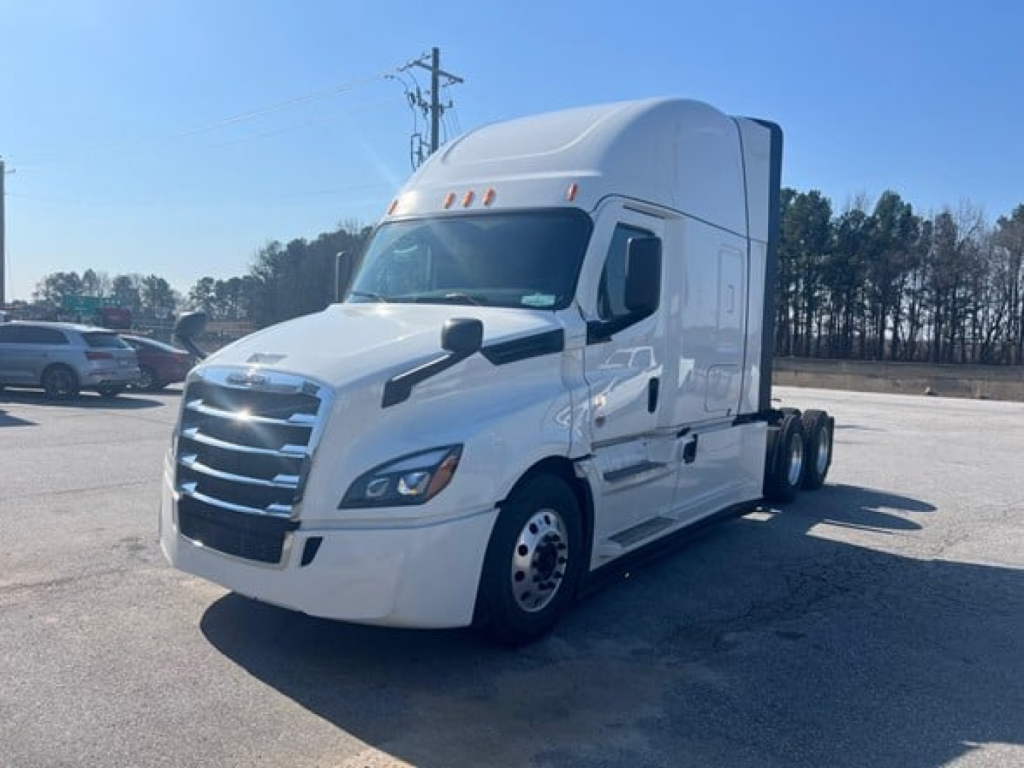
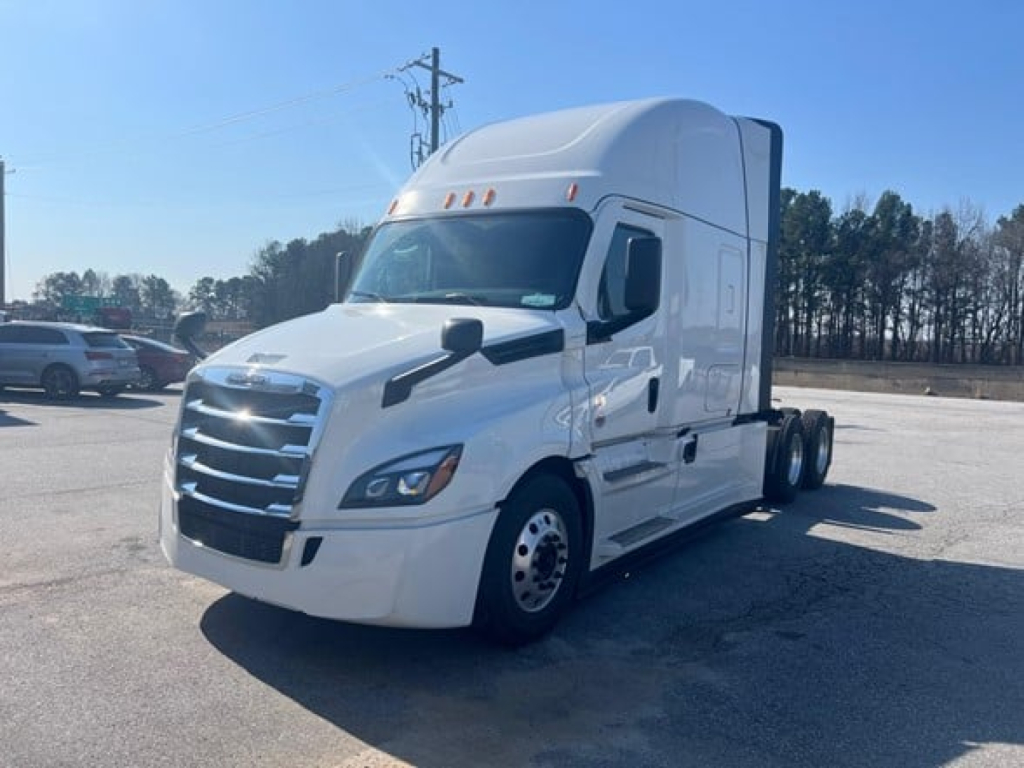
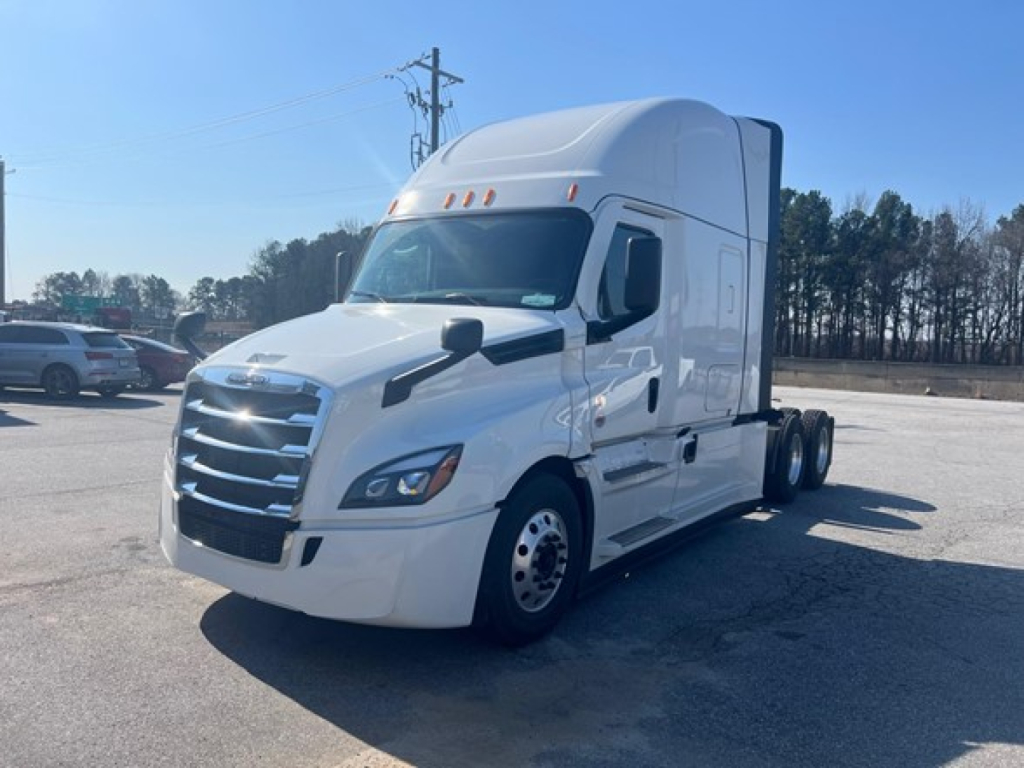
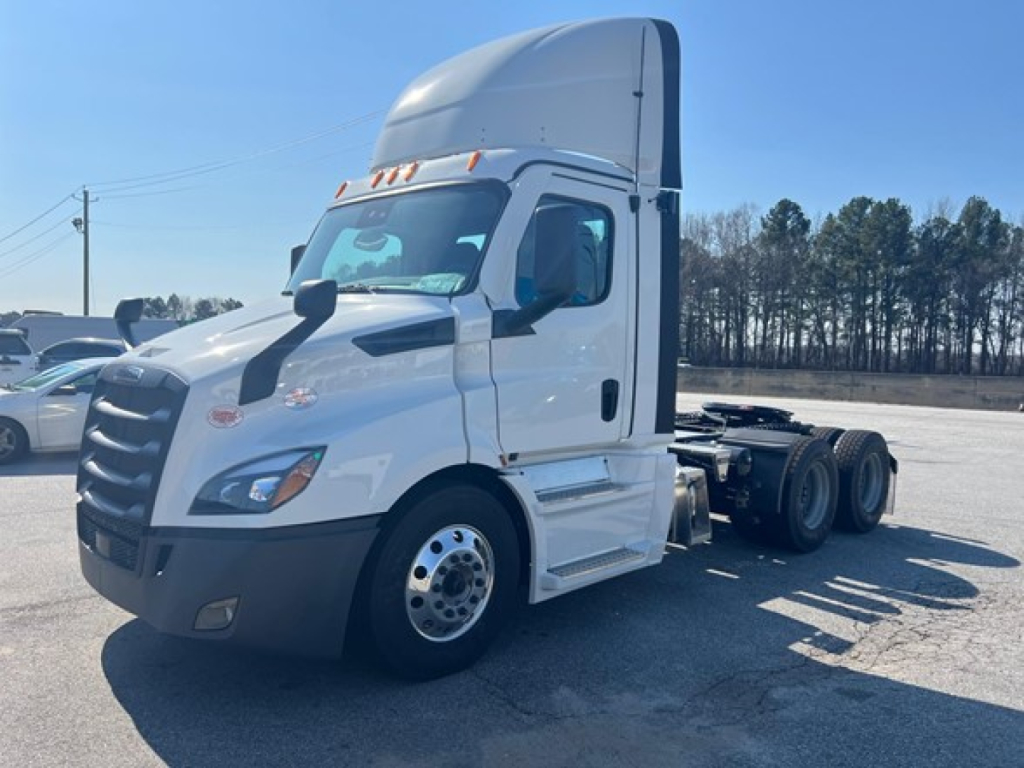
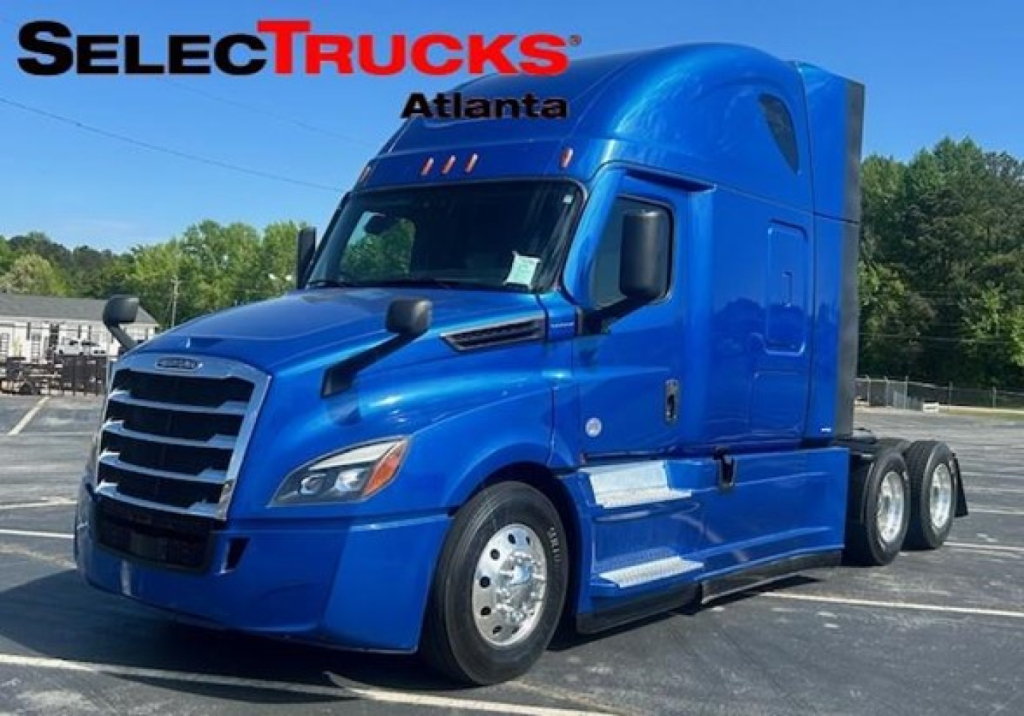
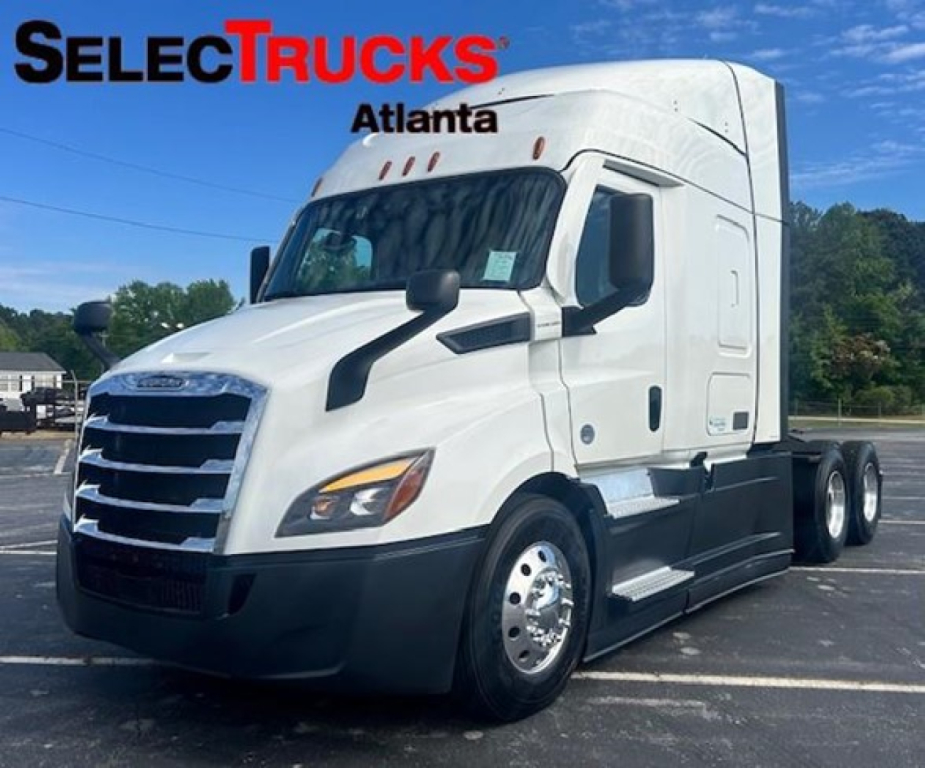
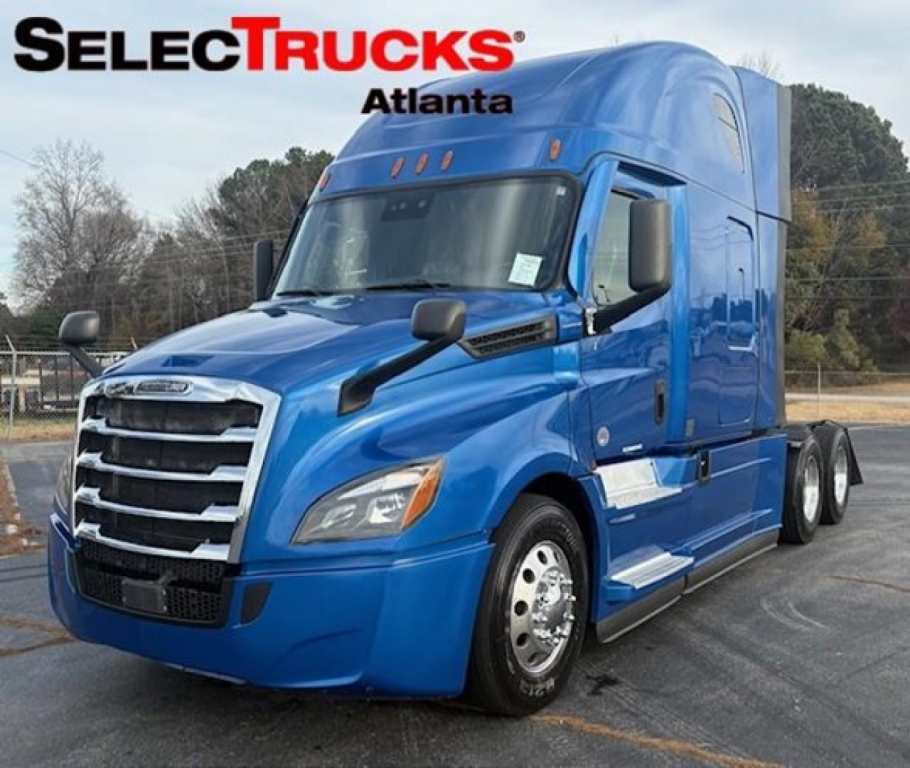
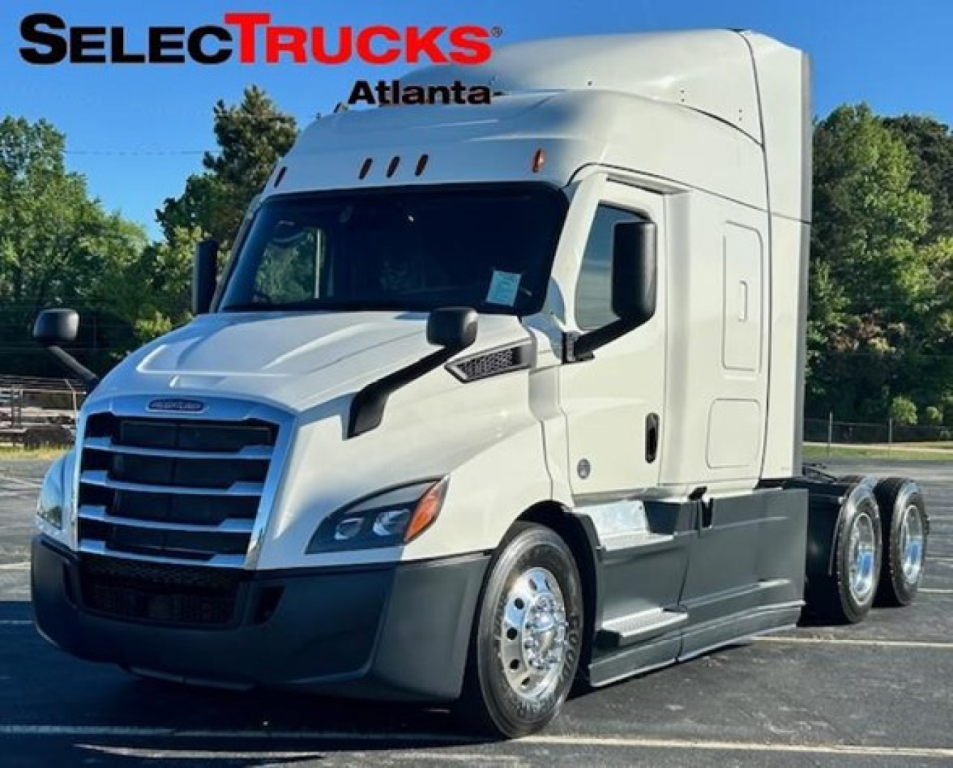
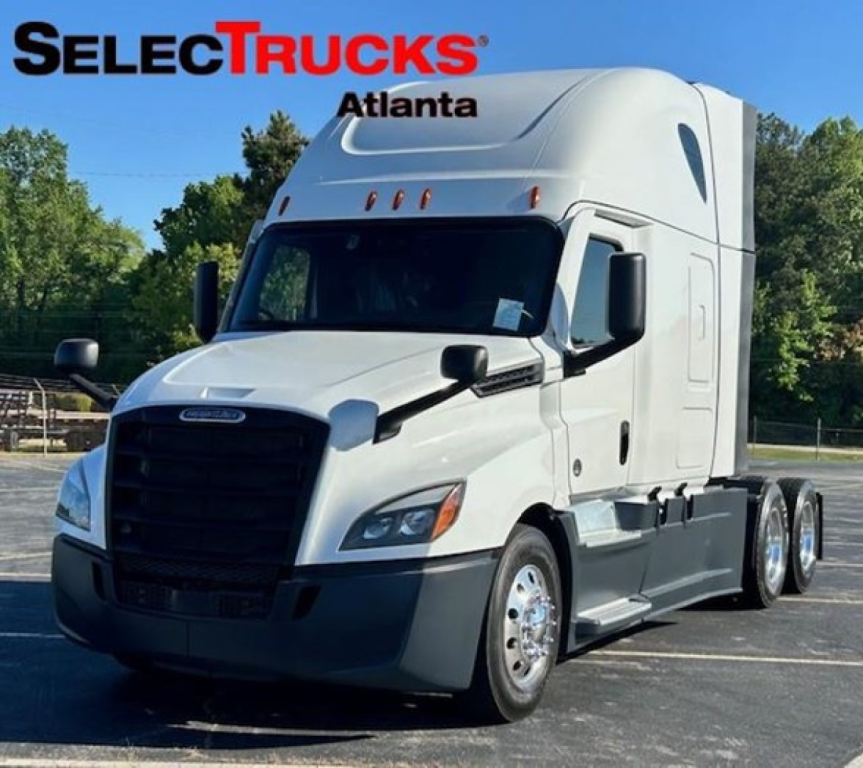
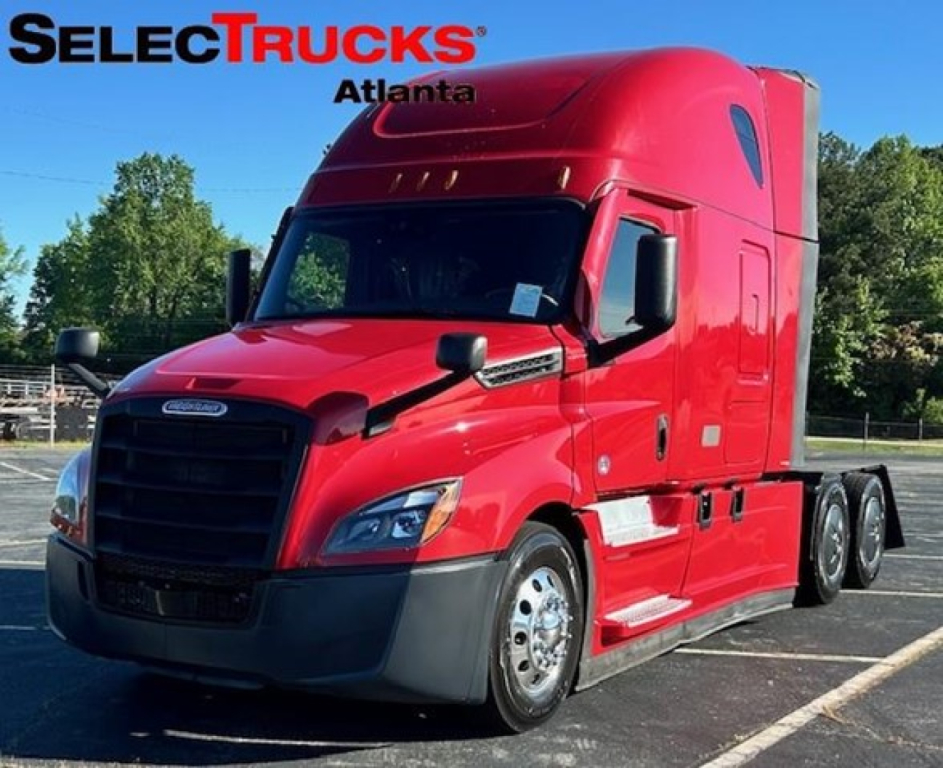
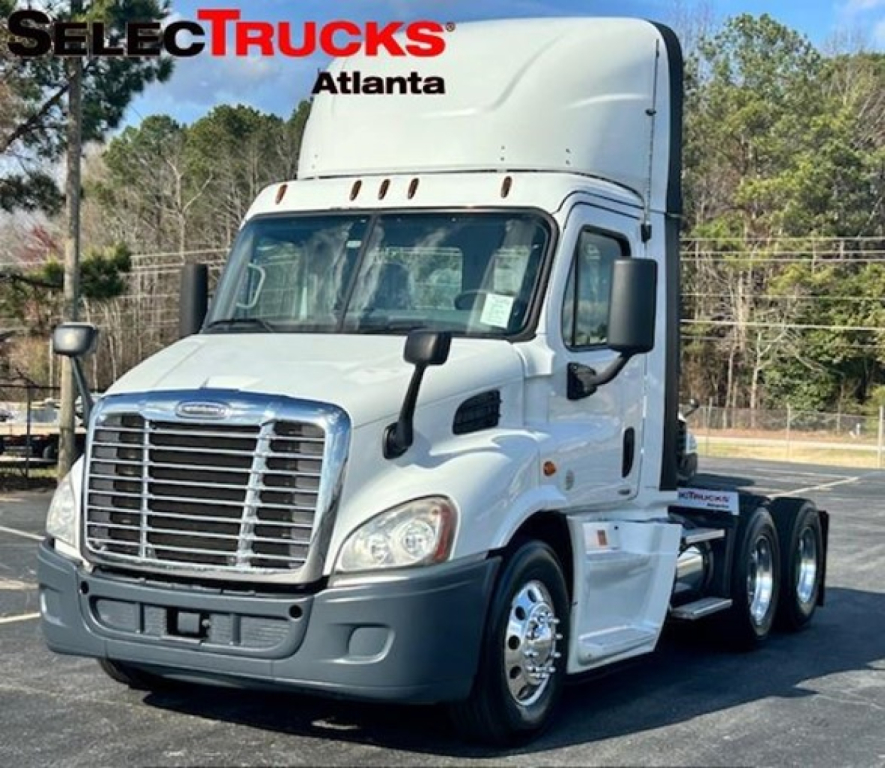
For over-the-road and regional hauling, conventional trucks such as a day cab or sleeper tractor are typically evaluated around engine platform, transmission type, axle ratings, wheelbase, and rear ratio. Popular combinations include Detroit DD15, Cummins ISL or ISB series engines, paired with automated manual transmissions like the DT12 or full automatic Allison setups in vocational service. A sleeper tractor often carries a 72-inch raised roof, sliding fifth wheel, 12,000 to 12,350 lb front axle, and 40,000 lb rears, with 2.28 to 3.08 ratios depending on fuel economy targets versus startability and terrain. Buyers comparing highway units should pay attention to collision mitigation systems, brake type, fuel capacity, bunk equipment, and service history, especially on fleet-maintained late-model trucks.
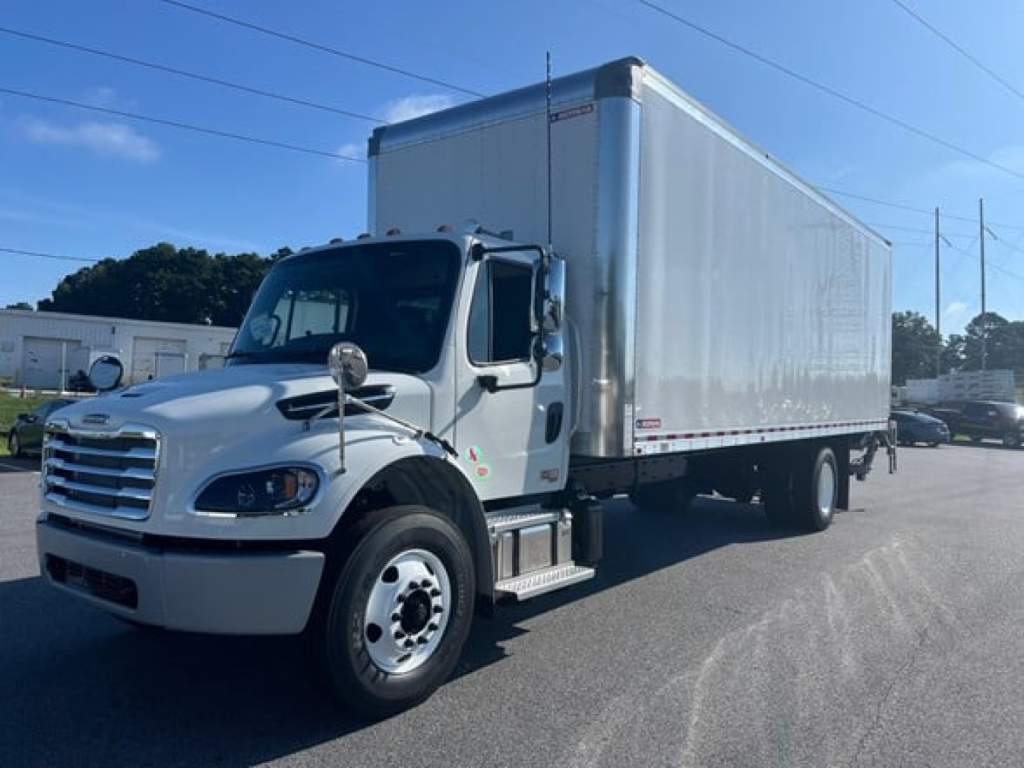
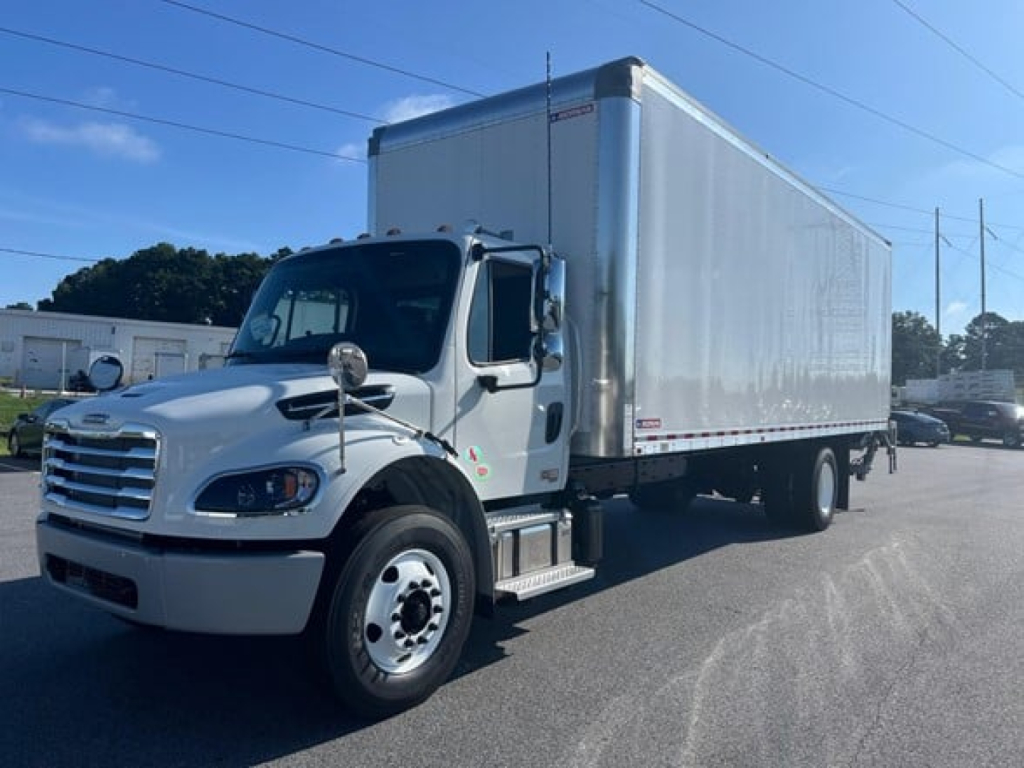
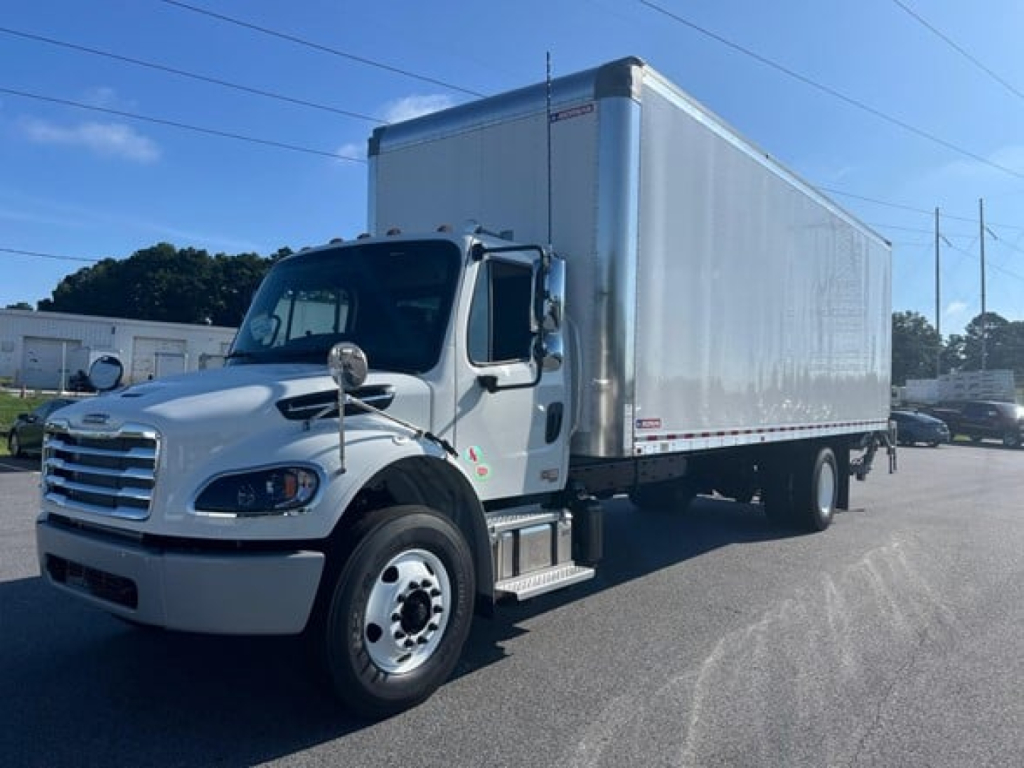
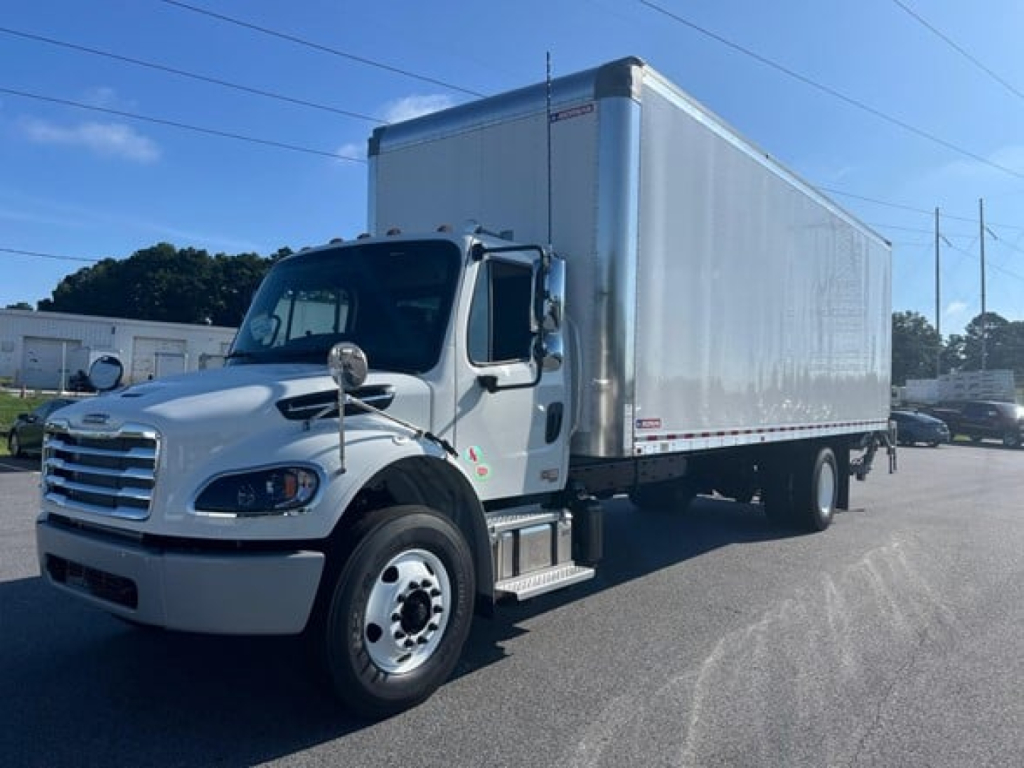
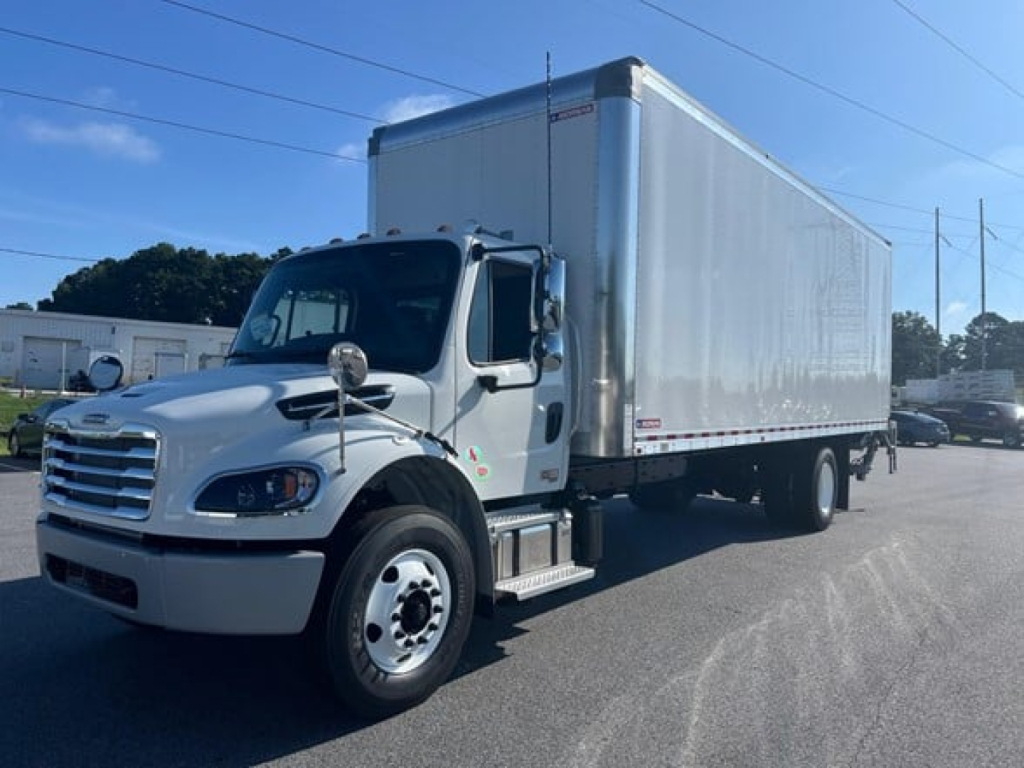
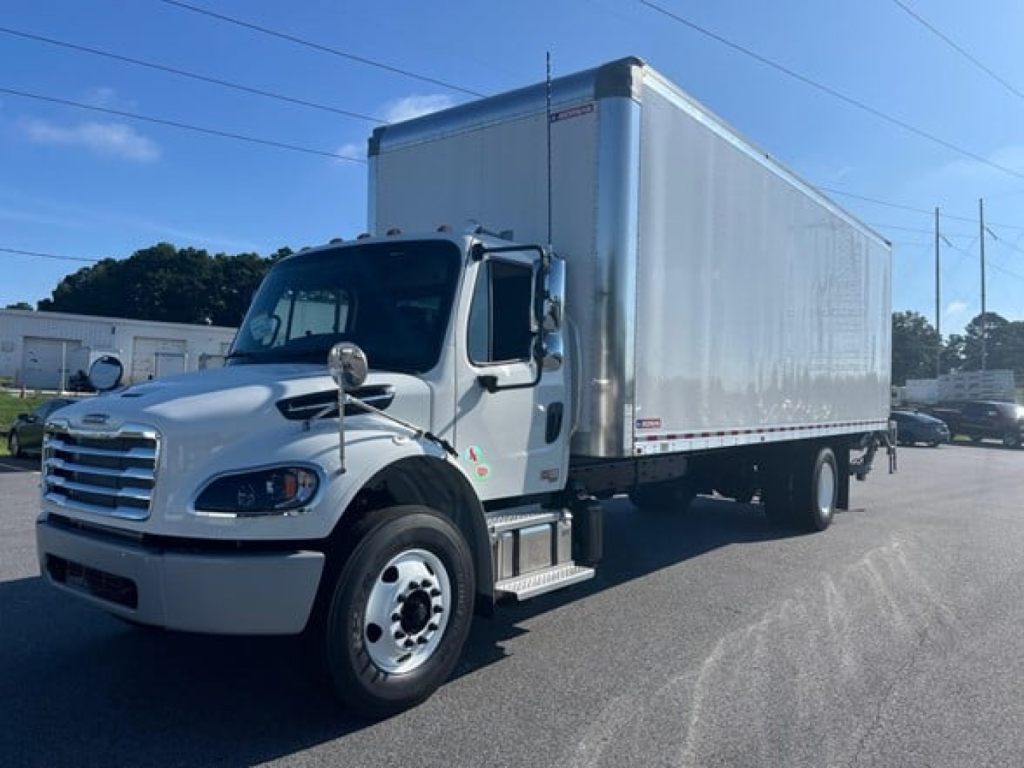
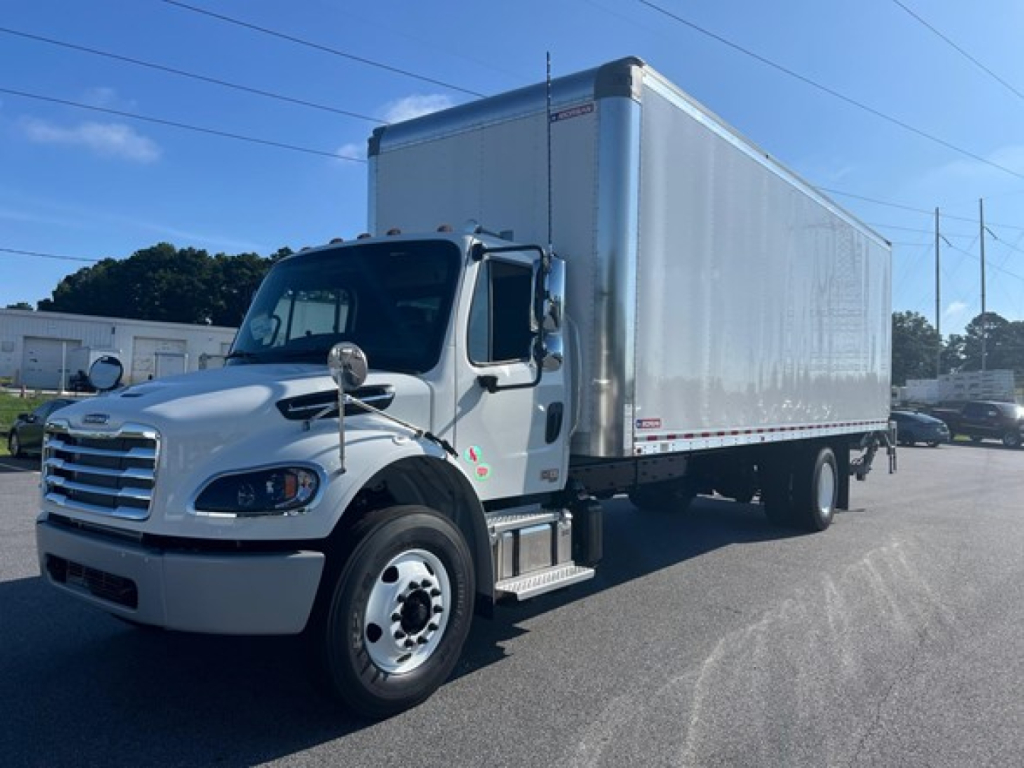
Vocational trucks deserve a different buying lens. A rollback, tow truck, septic truck, sewer rodder, or other purpose-built unit is really a chassis-and-body package, so bed rating, tank capacity, pump or winch specs, PTO setup, suspension, and front axle capacity matter as much as the cab and drivetrain. Medium-duty models like the Freightliner M2 are common in this space because they balance maneuverability, body upfit compatibility, and easier urban operation. On heavier rollback applications, buyers often look for tandem axles, air ride suspension, 30,000 lb class bed ratings, wireless remote controls, and high-capacity front and rear axles. On septic or vacuum units, tank age, pump brand and CFM rating, hose package, and CDL threshold are key factors that directly affect earning potential and operator flexibility.
Across all truck types, the smartest comparison points are mileage, idle hours if available, emissions system condition, tire and brake remaining life, frame condition, wheelbase suitability, and intended legal payload or gross combination weight. In the Forest Park area, local buyers also tend to value trucks that are practical for Southeast regional lanes, port drayage support, construction access, and dense metro routing. A clean day cab with the right wheelbase and gearing can outperform a cheaper mismatch, and a vocational truck with newer body equipment can be more valuable than a newer chassis with worn-upfit components. Focus on duty cycle first, then verify the specs that support it.
Frequently Asked Questions about Trucks Near Forest Park, Georgia
What is the difference between a day cab and a sleeper truck?
A day cab is a conventional tractor without a sleeping compartment, built for local and regional routes where the driver returns home or to a terminal. A sleeper truck includes a sleeper berth behind the seats, often with one or two bunks and optional storage, refrigerator, or inverter equipment for long-haul operation. Buyers usually choose based on route length, driver retention needs, and weight sensitivity, since a day cab is lighter and simpler while a sleeper offers better over-the-road utility.
What should I check first when buying a used vocational truck?
Start with the body or vocational equipment, not just the engine and cab. On a rollback, inspect bed rating, deck condition, hydraulic performance, winch operation, remote controls, and subframe integrity. On a septic or vacuum truck, review tank condition, pump model and output, plumbing, hose package, and PTO function. The truck chassis still matters, but the upfit components usually determine how quickly the unit can go to work and how much reconditioning cost is ahead.
Which engine and transmission combinations are common in used trucks?
In the used truck market, common engine platforms include Detroit DD15 for highway tractors and Cummins ISB, ISL, or similar mid-range engines for medium-duty and vocational trucks. Transmission choices often split by duty cycle. Automated manuals such as the Detroit DT12 are common in fleet highway applications because they support fuel economy and easier driver onboarding. Allison automatics are common in vocational trucks because they perform well in stop-and-go, PTO-related, and urban service.
How do axle ratings and rear ratio affect truck performance?
Axle ratings determine how much weight the truck can legally and safely carry on the front and rear, while rear ratio affects acceleration, gradeability, and cruising RPM. A lower numerical ratio such as 2.28 is typically aimed at highway fuel economy, especially in tandem-axle sleeper tractors. A higher numerical ratio such as 3.08 or 4.78 generally improves low-speed pulling power and vocational performance, but may increase engine speed at road speed. The right setup depends on payload, trailer type, terrain, and average operating speed.
Is a medium-duty truck enough, or do I need a Class 8 truck?
That depends on the body, payload, and operating environment. Medium-duty trucks are often the better fit for urban towing, utility work, septic service, and local delivery because they are easier to maneuver, can fall under CDL thresholds in some configurations, and usually cost less to run. A Class 8 truck makes more sense when the application demands higher GVWR, tandem-drive traction, heavier body equipment, or sustained highway freight work. Matching truck class to actual duty cycle is one of the biggest factors in long-term operating cost.