
Used 2003 Ford Trucks For Sale
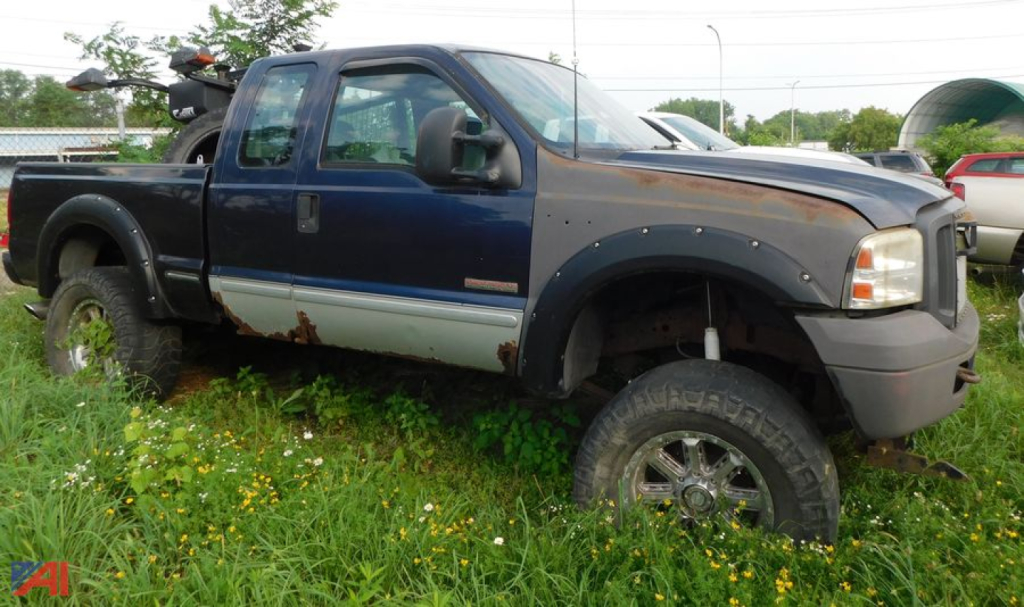
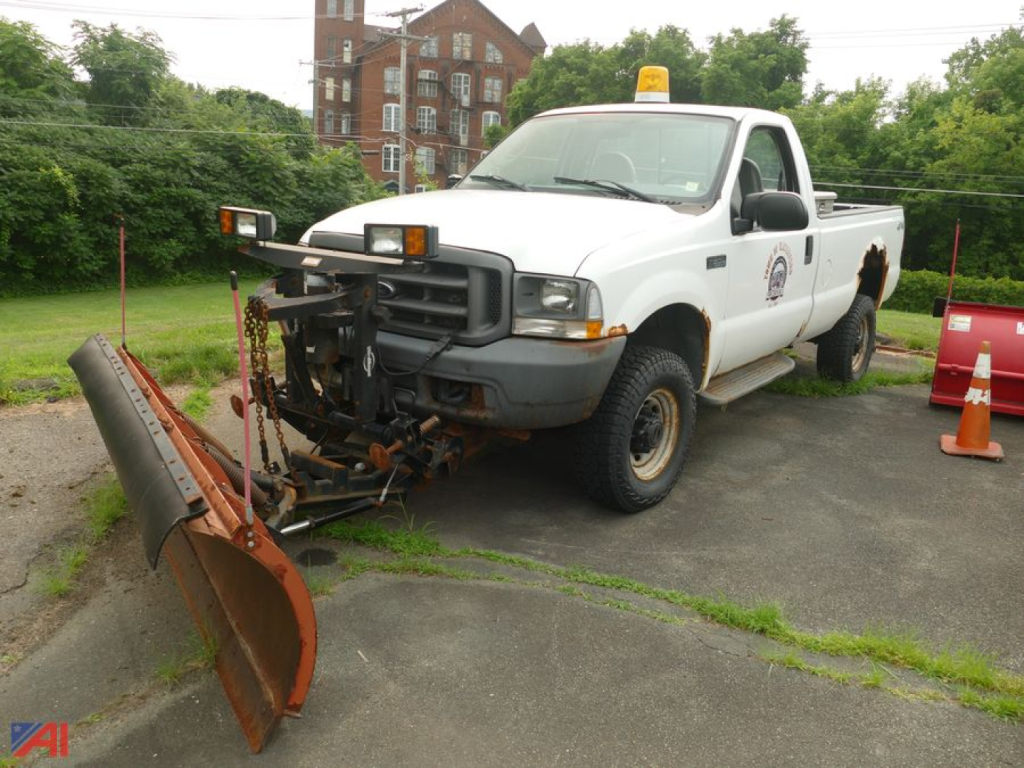
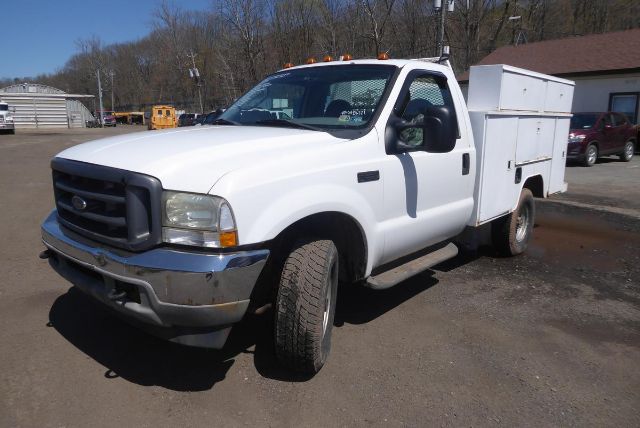
Have used 2003 ford truck to sell? List it here to reach thousands of buyers.
Used 2003 Ford Trucks
Powertrain selection matters on a 2003 Ford more than almost any cosmetic factor. Gas engines from this era are common in municipal, contractor, and local-use trucks because they are simpler for many fleets to maintain and can be a practical fit for lower annual mileage. Diesel buyers often focus on towing, payload, or longer service life under heavier commercial use, but condition and maintenance history are critical on older diesel units. Transmission performance, front end wear, brake condition, suspension integrity, and frame rust should all be checked closely, especially on trucks that spent time in snow-belt states, ran plows, or carried heavy upfits. On chassis cab models, body installation quality is just as important as the base truck. Look at hoists, PTO operation, wiring, hydraulic lines, crossmembers, and any signs of overloading or poor repair work.
Cab and body style should match the job. A regular cab F-350 or F-450 may make sense for a dump or landscape truck where wheelbase and payload are priorities. A SuperCab or crew cab pickup may be better for field crews or mixed-use fleet work. E-Series platforms from this period were widely used for box trucks, shuttle bodies, utility interiors, and specialty service applications because they offered a straightforward upfit base and familiar service parts availability. Buyers comparing used 2003 Ford trucks should pay close attention to actual body dimensions, GVWR, rear axle ratio, wheelbase, hitch setup, and tire size, since those details affect towing, maneuverability, and legal payload more than model name alone.
For commercial buyers, the value in a 2003 Ford truck usually comes from buying a platform that still fits a specific task without the cost of a newer unit. A clean pickup may work well for construction support, farm use, or equipment towing. A properly equipped cab chassis can still serve in municipal, electrical, plumbing, paving, or roadside service work. Older Ford trucks remain popular because parts support is broad, drivetrains are familiar to many shops, and there is a large aftermarket for work truck bodies and replacement components. The best units are the ones with a clear service history, a sound frame, correct capacity for the job, and an upfit that still has productive life left in it.
Frequently Asked Questions about Used 2003 Ford Trucks
What should I check first on a used 2003 Ford truck?
Start with the truck’s intended job and verify that the GVWR, axle ratings, wheelbase, and body configuration actually support that use. After that, inspect frame condition, rust, engine and transmission operation, steering and suspension wear, brake condition, tire age and size, and the state of any mounted equipment such as a dump body, service body, flatbed, or box. On older work trucks, maintenance history and structural condition usually matter more than appearance.
Which 2003 Ford truck models are most common in commercial use?
The most common commercial platforms from 2003 are the Ford F-Series, especially F-250 through F-550 Super Duty models, along with E-Series vans and cutaways. F-Series trucks are widely used for pickups, dumps, flatbeds, and service bodies, while E-Series units are often found with box bodies, utility interiors, shuttle configurations, and other specialty upfits. The model family gives you a starting point, but the chassis rating and upfit determine the truck’s real capability.
Is a 2003 Ford gas or diesel truck better for work use?
That depends on duty cycle, payload, and maintenance expectations. Gas engines can be a strong fit for local routes, seasonal work, and lower annual mileage because repair costs may be easier to manage and service is straightforward for many shops. Diesel trucks are often preferred for heavier towing and higher-load use, but on an older unit the condition of the engine, fuel system, cooling system, and transmission is critical. A well-maintained gas truck is usually a better buy than a neglected diesel.
Are 2003 Ford chassis cab trucks still practical for upfit work?
Yes, if the frame, driveline, suspension, and electrical system are in solid condition. Many 2003 Ford chassis cab trucks are still used for dump bodies, contractor bodies, utility beds, tow equipment, and flatbeds because they offer a familiar platform with broad parts support. Buyers should confirm that the existing upfit was installed correctly, that the truck has not been overloaded, and that hydraulic, PTO, and wiring systems are functioning properly.
Why do GVWR and axle ratings matter so much on a used Ford work truck?
GVWR and axle ratings determine how much truck and payload the chassis is legally and safely built to handle. Two trucks that look similar can have very different springs, brakes, frames, wheel equipment, and rear axles. If the truck will carry a service body, palletized material, equipment, or a trailer tongue load, those ratings are essential for matching the truck to the work. Buying by appearance or model badge alone can leave you with a truck that is undersized for the job.