
Used 2002 Ford Trucks For Sale


Have used 2002 ford truck to sell? List it here to reach thousands of buyers.
Used 2002 Ford Trucks
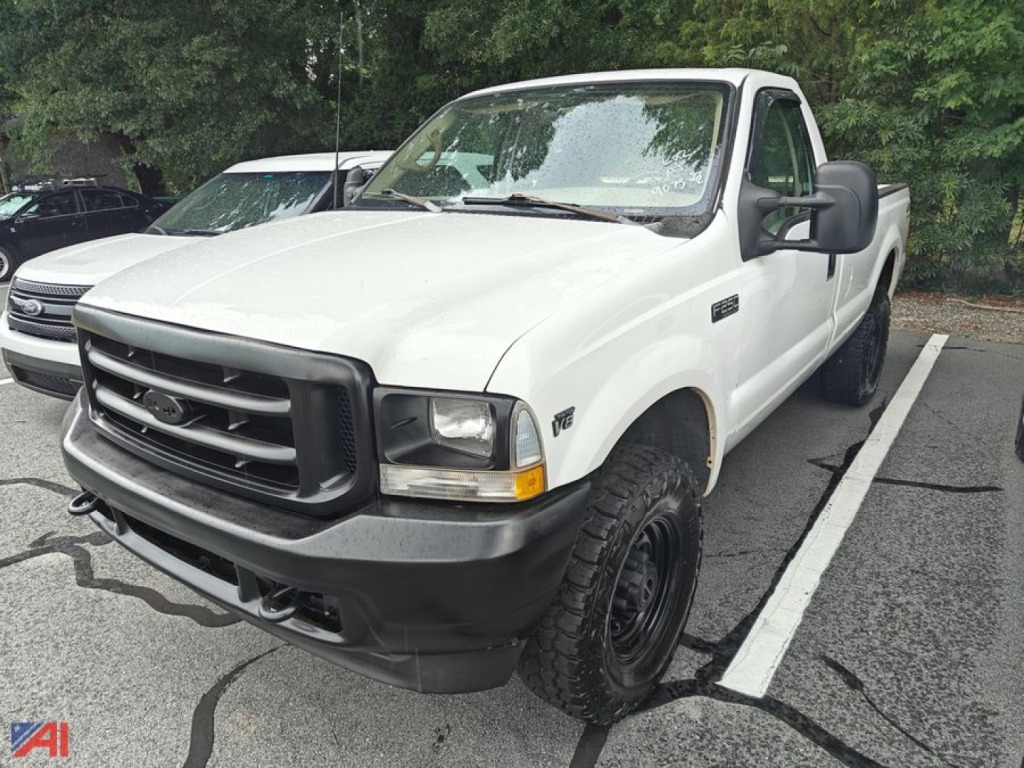
On 2002 Ford trucks, engine and transmission choice matters because it directly affects operating cost and resale. Diesel buyers often focus on the 7.3L Power Stroke in early-2000s Super Duty models because of its long service reputation and strong parts support. Gas configurations can still make sense for lower annual miles, lighter payloads, and fleets that want simpler emissions-era maintenance. Automatic transmissions are common, but the condition of the transmission, cooling system, driveline, and rear axle ratio should be evaluated as a package. A truck geared for towing behaves differently from one spec’d for city-route payload work, even when the cab and body style look similar.
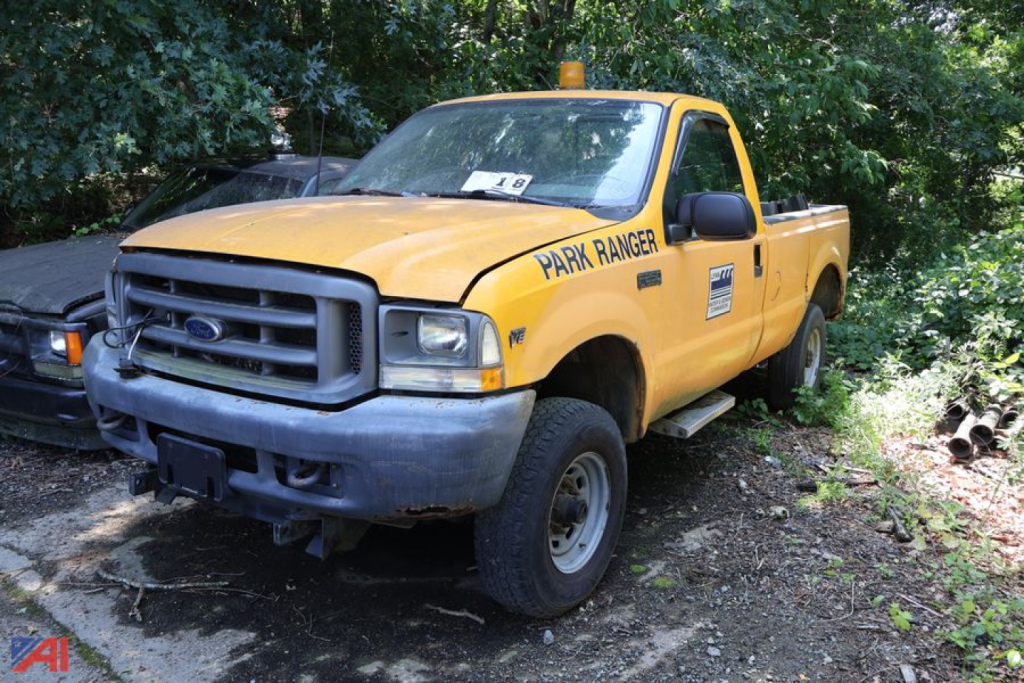
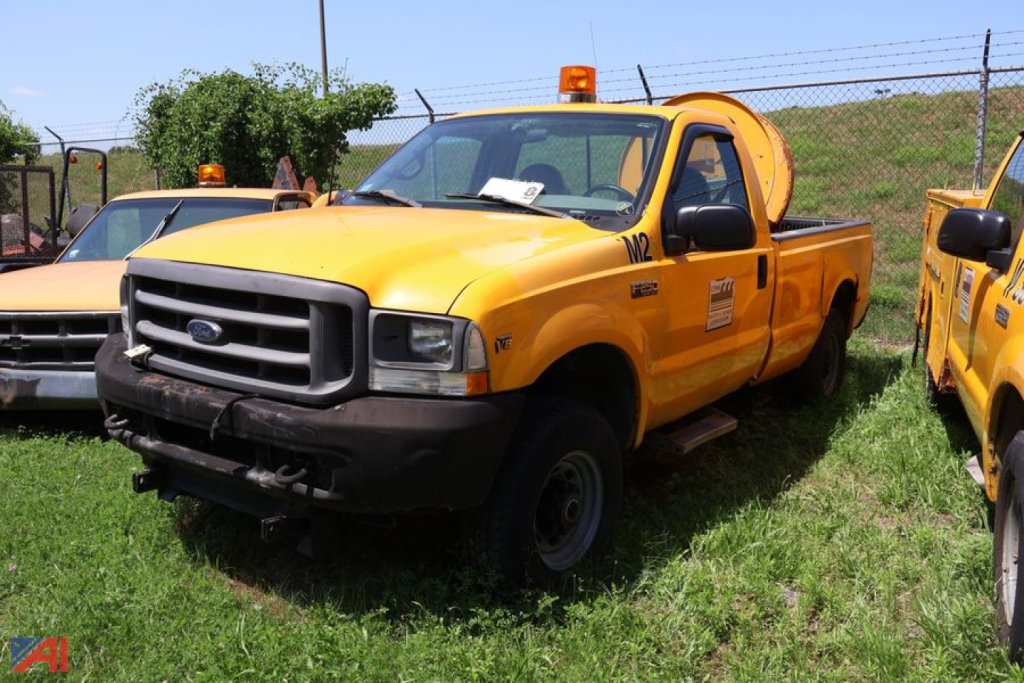
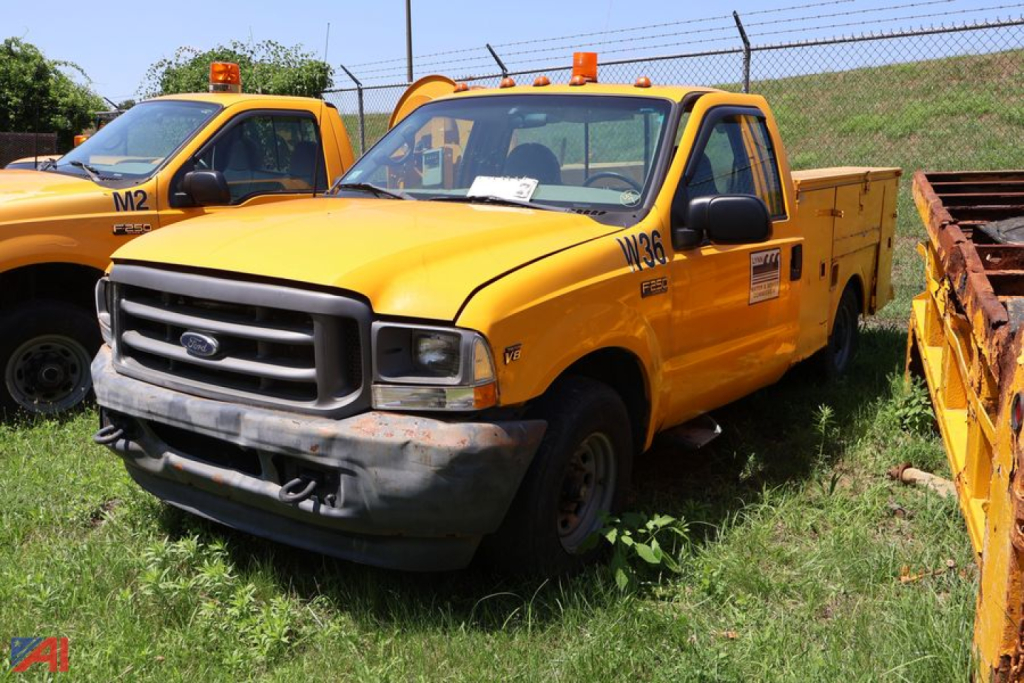
Body configuration is where a 2002 Ford truck becomes highly application-specific. Many were upfitted as flatbeds, dump trucks, box trucks, utility bodies, stake beds, mechanics trucks, or bare cab and chassis units for future installation. Buyers should confirm frame condition, upfit quality, PTO operation if equipped, brake type, suspension capacity, and how the body length matches the wheelbase. On older vocational trucks, rust at cab corners, spring hangers, crossmembers, brake lines, and underbody mounts can matter as much as engine hours or mileage. If the truck will stay in commercial service, check that tire size, wheel rating, hitch equipment, and any hydraulic or electrical accessories fit the intended job.
For many buyers, the value in a 2002 Ford truck is straightforward mechanical design and a familiar service network. That makes this year attractive for farms, contractors, local hauling, landscape operations, and backup fleet duty where purchase price matters more than late-model electronics. The best unit is usually the one with a documented maintenance history, the right body for the work, and a chassis spec that leaves enough legal payload margin after the upfit is installed. A careful review of GVWR, curb weight, axle placement, and frame length will tell you more about suitability than cosmetics alone.
Frequently Asked Questions about Used 2002 Ford Trucks
What should I check first on a used 2002 Ford truck?
Start with the truck’s intended job and verify that the chassis matches it. Check GVWR, front and rear axle ratings, wheelbase, cab-to-axle measurement, and body configuration before looking at cosmetics. On a 2002 model, frame rust, brake system condition, suspension wear, steering play, driveline vibration, and evidence of past overloading are often more important than appearance. Maintenance records, engine cold-start behavior, transmission shift quality, and signs of leaks around the engine, differential, and hydraulics should all be reviewed closely.
Is the 7.3L Power Stroke a desirable engine in a 2002 Ford truck?
Yes, many buyers specifically seek a 2002 Ford truck with the 7.3L Power Stroke because it has a strong reputation for durability and broad parts availability. That said, condition still matters more than engine popularity. A neglected 7.3L can become expensive if injectors, turbo components, cooling system parts, wiring, or transmission support items have been ignored. A clean service history and a proper inspection are more valuable than the engine name alone.
What types of bodies are common on 2002 Ford trucks?
Used 2002 Ford trucks are commonly found as box trucks, flatbeds, dump bodies, utility trucks, stake beds, service bodies, tow units, and cab-and-chassis setups. The same base chassis can perform very differently depending on the upfit. Buyers should confirm body manufacturer, hoist or liftgate function, PTO setup where applicable, floor and subframe condition, and whether the truck’s axle and suspension ratings are appropriate for the installed body and expected payload.
Are 2002 Ford trucks good for commercial use today?
They can still be a practical choice for commercial use when the application is local or seasonal and the truck has been maintained properly. Many operators use them for contractor work, landscaping, municipal support, farm use, and short-haul delivery because they are mechanically familiar and often less expensive to buy than newer trucks. The tradeoff is age-related wear, potential rust, and downtime risk if critical systems have been deferred. Suitability depends on maintenance history, not just age or mileage.
How important are wheelbase and cab-to-axle dimensions on a 2002 Ford truck?
They are critical, especially on cab-and-chassis and vocational setups. Wheelbase affects turning radius, ride, bridge law considerations in some applications, and how the truck carries body weight. Cab-to-axle dimension determines what body length can be mounted correctly without poor weight distribution. If those measurements are wrong for the intended upfit, the truck may have axle overload issues, awkward handling, or limited body options. Buyers planning a body swap should verify dimensions before purchase.