
Ford Commercial Trucks For Sale in South Carolina
Browse Ford trucks for sale in South Carolina, including work-ready pickups, chassis cabs, and medium-duty models for towing, service, and hauling.
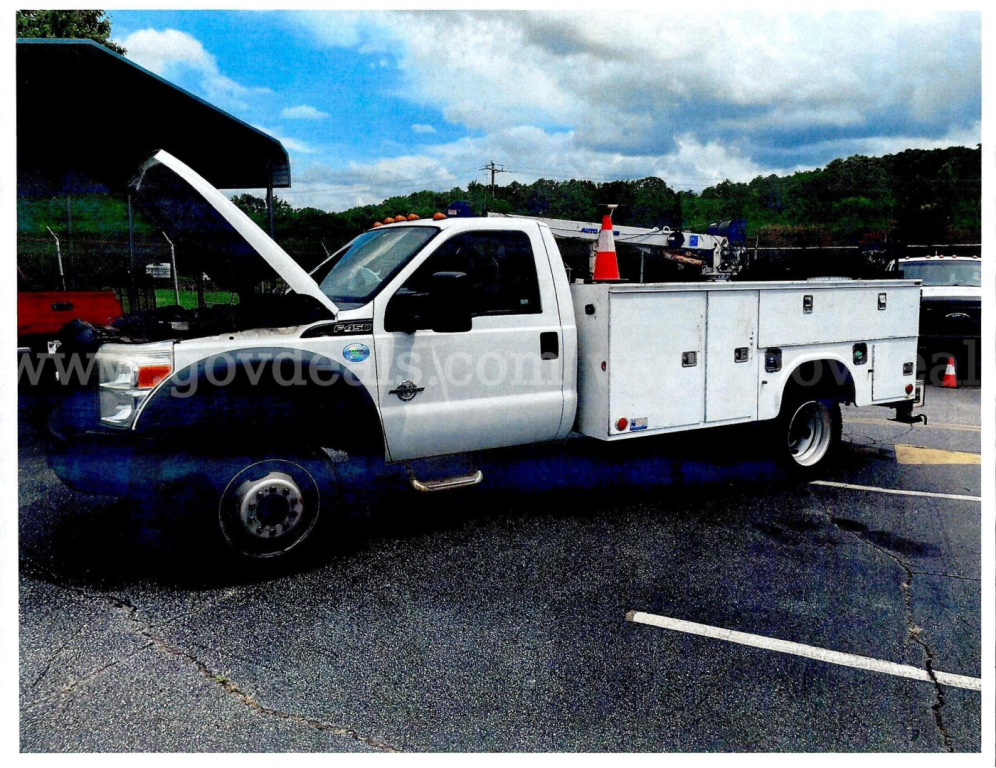
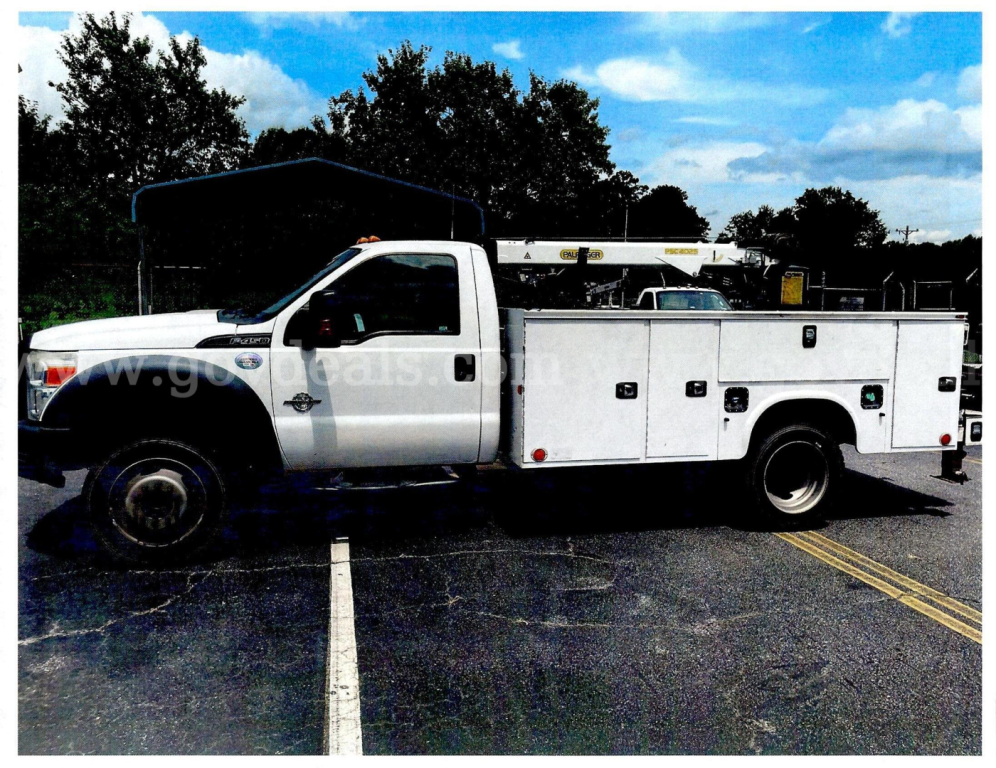

Have ford commercial truck to sell? List it here to reach thousands of buyers.
Ford Commercial Trucks in South Carolina
A Ford truck buyer should start with the chassis. GVWR, wheelbase, cab style, rear axle ratio, and powertrain will determine how well the truck fits the intended body and route profile. Gas engines can make sense for lower annual miles, municipal work, and stop-and-go duty, while diesel power is usually preferred for heavier towing, longer routes, and sustained load hauling. On chassis cab units, frame length and cab-to-axle measurement are critical if the truck will carry a flatbed, utility body, crane body, or dump insert. Suspension type, PTO capability, brake configuration, and 4x2 versus 4x4 also affect real-world usability more than appearance or trim level.
Condition matters more on work trucks than cosmetic presentation. Buyers should inspect spring packs, frame rails, steering components, front end wear, hydraulic systems if equipped, and signs of overload damage around the bed mounts or hitch area. On older Ford trucks, pay attention to transmission behavior under load, cooling system condition, rust in crossmembers and cab corners, and whether the electrical system has been modified for aftermarket equipment. Tire wear can reveal alignment issues or front axle stress, and service records can tell you a lot about downtime risk. If the truck has an installed body, make sure the body condition, hoist operation, lighting, and wiring are evaluated as closely as the cab and drivetrain.
For South Carolina use, many buyers want a truck that can handle mixed highway and jobsite miles, humid conditions, and year-round operation without overbuying capacity. A Ford truck is often a practical fit when parts access, familiar controls, and broad upfit support are priorities. The best choice usually comes down to matching the truck's class, axle ratings, and wheelbase to the exact work requirement instead of shopping by badge alone. A properly matched Ford work truck can serve well in landscaping, construction, utility service, agriculture, delivery, and local hauling operations.
Frequently Asked Questions about Ford Commercial Trucks in South Carolina
What Ford truck models are most common in commercial use?
The most common Ford commercial trucks are the Super Duty lineup, including the F-250, F-350, F-450, and F-550, along with medium-duty F-650 and F-750 models. The lighter trucks are frequently used for towing, service work, and smaller body installations, while the heavier chassis are better suited for box trucks, dump bodies, rollback carriers, and higher-GVWR applications. The right model depends on payload, trailer weight, body size, and axle requirements.
What should I check when buying a used Ford chassis cab or work truck?
Focus on the truck's working components before cosmetic details. Confirm the GVWR, wheelbase, cab-to-axle dimension, axle ratings, and powertrain match the intended use. Inspect the frame for corrosion, cracks, and evidence of overload, then check suspension wear, steering play, brakes, driveline condition, and any PTO or hydraulic equipment. If the truck has an upfit such as a flatbed or service body, inspect the mounting, wiring, lights, and structural condition of the body separately from the chassis.
Is a gas or diesel Ford truck better for commercial work?
Gas engines are often a solid choice for lighter duty cycles, lower annual mileage, and stop-and-go use where lower initial cost and simpler emissions systems are attractive. Diesel trucks are generally better for heavier payloads, frequent towing, and longer routes where low-end torque and fuel efficiency under load become more important. The better option depends on the truck's daily workload, route length, idle time, and maintenance budget.
Why do cab-to-axle and wheelbase matter on Ford work trucks?
Cab-to-axle and wheelbase measurements determine what body can be installed and how the truck will carry weight. A mismatch can create poor weight distribution, limited turning ability, or body fitment problems. These measurements are especially important on flatbeds, utility trucks, dump bodies, and rollback applications, where proper body length and axle placement affect stability, payload balance, and legal compliance.