
New Ford Trucks For Sale
Compare new Ford trucks by payload, GVWR, floor strength, thermal integrity, tare weight, and corrosion protection for upfit-ready performance.
Learn moreBrowse Ford Trucks by Category
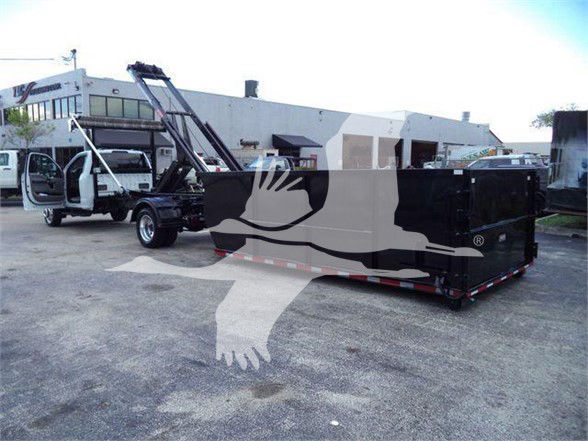
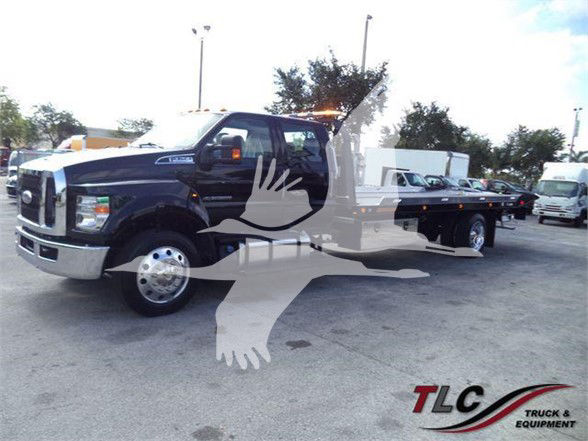
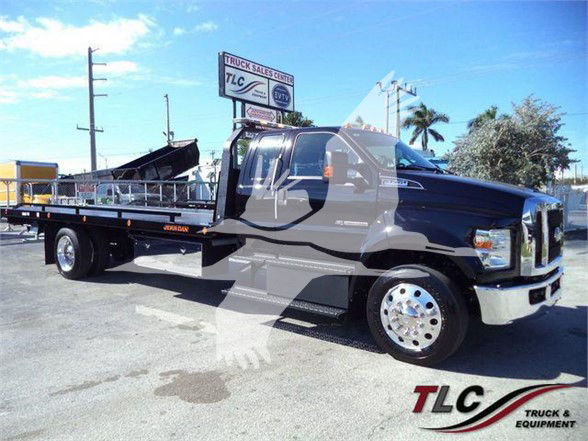
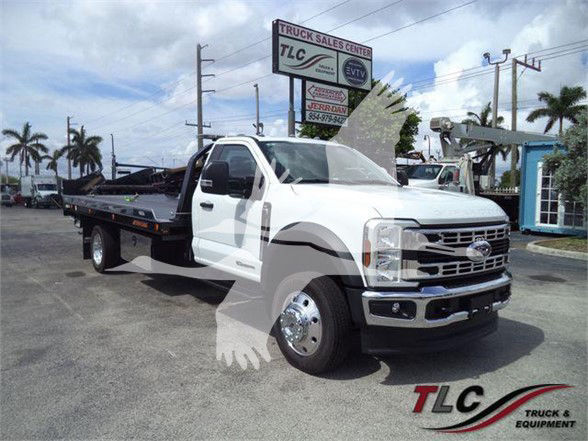
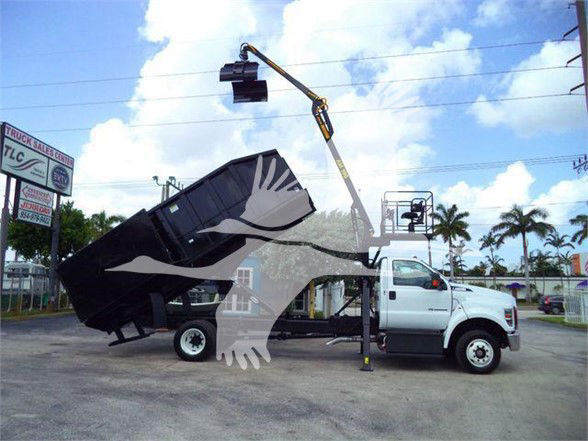
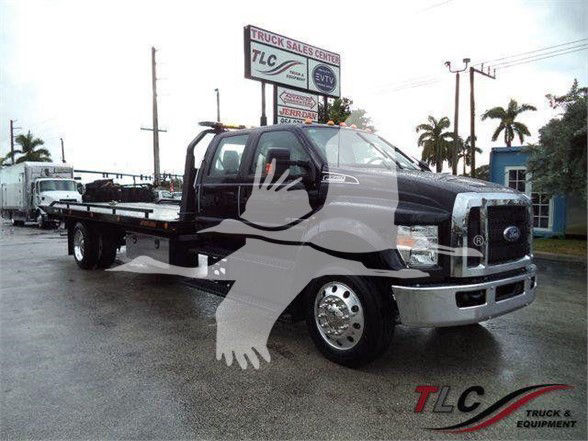
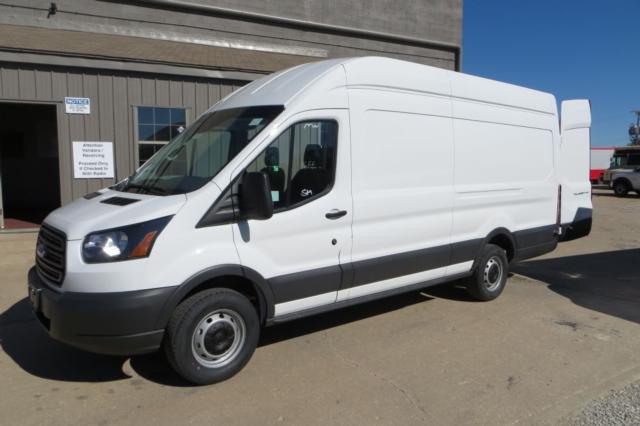
Showing 37 to 43 of 43 results
Have new ford truck to sell? List it here to reach thousands of buyers.
About New Ford Trucks
Floor strength starts with the chassis frame RBM and section modulus, then the body floor design. Dry van bodies can be spec'd with 1.25 inch laminated hardwood floors rated for pallet jack or forklift entry, aluminum extruded floors save tare weight but need skid resistant surfaces, composite floors resist moisture in cold storage service. Add aluminum or steel scuff liners at 12 to 24 inches, full length logistic posts or E track, and steel threshold plates to prevent edge damage. On flatbeds use apitong decking for durability, aluminum decks reduce weight, specify rub rails, stake pockets, and tie downs to match your securement plan.
Thermal integrity matters on refrigerated and insulated upfits mounted to F-550 through F-750. Choose foam in place or vacuum insulated panels with 2.5 to 4 inch walls, specify insulated and sealed rear and side doors, thermal breaks at sills, and engineered floor insulation to limit heat gain. Pair the body with properly sized Carrier or Thermo King units, consider electric standby for dock work, add bulkheads and strip curtains to protect setpoints during frequent stops. Cab HVAC and idle reduction options, like high output alternators and inverter packages, help maintain climate control for crews without excessive idle time.
Tare weight drives payload and licensing costs, so choose only the mass you need. Aluminum service bodies, extruded floors, aluminum wheels, smaller liftgates, and 4x2 drivetrains can cut hundreds of pounds, steel bodies and 4x4 add durability and traction at a weight penalty. Ford uses high strength aluminum alloy cabs on Super Duty pickups and e coated frames across the commercial lineup, but salt belt operations still benefit from galvannealed or stainless hardware, undercoating, sealed electrical connectors, and frequent washdowns. Balancing tare weight and corrosion resistance up front pays back in payload, fuel economy, and resale on new Ford trucks for sale.
Frequently Asked Questions
Which GVWR classes do new Ford commercial trucks cover?
Ford covers Class 2 through Class 7 with Super Duty pickups and chassis cabs, plus F-650 and F-750 medium duty. Depending on configuration, GVWR spans roughly 10,000 pounds on F-250 up to the mid 30,000 pound range on F-750. F-600 bridges the gap around 22,000 pounds. Exact ratings vary by wheelbase, axle, tire size, and brake package, so verify the door label and body payload allowance before finalizing an upfit.
How do I choose between the 7.3L gas and 6.7L Power Stroke diesel?
Use the duty cycle and life cycle costs to guide the choice. The 7.3L gas V8 is strong, less expensive to buy, quick to warm up, and well suited to high idle and frequent PTO work. The 6.7L Power Stroke diesel offers more torque, better fuel economy under heavy load, higher GCWR for towing, and longer service intervals, but it adds DEF, aftertreatment, and higher acquisition cost. For regional haul and heavy trailers, diesel often wins, for short urban routes with PTO and lighter loads, gas can be the better value.
What floor options should I spec on a Ford chassis with a dry van or flatbed body?
For dry vans, laminated hardwood at about 1.25 inch handles pallet jacks and limited forklift entry, aluminum extruded floors save weight but need anti slip surfaces, and composite floors resist moisture and are common in cold chain service. Add scuff liners at 12 to 24 inches, logistic posts or E track for securement, steel threshold plates, and fork entry plates if you load by forklift. For flatbeds, apitong is the durability standard, aluminum decks reduce tare weight, and you should specify rub rails, stake pockets, and chain tie downs to match your cargo and route.
How can I reduce tare weight without sacrificing durability?
Match materials to the job. Aluminum service bodies, decks, and wheels, 4x2 drivetrains, and correctly sized liftgates reduce hundreds of pounds and increase payload. Keep wheelbase only as long as needed for the body, choose single rear wheels on lighter chassis where appropriate, and use high strength tie downs instead of overbuilt add ons. If you need maximum durability, consider a steel body with selective aluminum components like doors or floors to balance mass and life.
What corrosion protection should I look for on a new Ford truck and its upfit?
Ford uses e coated frames and aluminum alloy cab panels on Super Duty, which improves resistance to rust, but the upfit sets the tone for long term durability. Specify galvannealed or powder coated steel bodies, sealed seams, stainless or zinc nickel fasteners, sealed harness connectors, and underbody coating. In salt belt routes, wash the chassis and body frequently, avoid trapped debris around crossmembers, and consider composite or aluminum service bodies where feasible to eliminate galvanic corrosion points.