
New Ford Landscape Trucks For Sale
Shop new Ford landscape trucks built for mulch, debris, and crew work, with dump bodies, durable sides, and jobsite-ready chassis options.
Learn more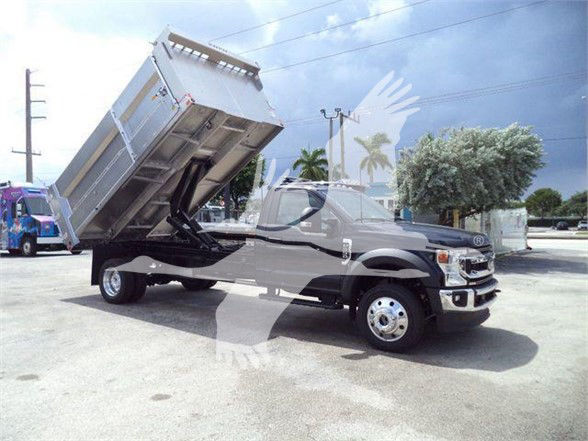
Have new ford landscape truck to sell? List it here to reach thousands of buyers.
About New Ford Landscape Trucks
The body matters as much as the chassis. Most Ford landscape trucks use a dump body, often aluminum for corrosion resistance and payload savings, with high solid sides or combo sides designed to contain loose material like grass clippings, leaves, brush, and light demolition debris. Buyers should pay close attention to body length, side height, tailgate style, and hoist design. A 12-foot to 14-foot landscape body is common in this class, and features like barn doors, swing doors, pull tarps, and scissor hoists can make a noticeable difference in daily loading and unloading efficiency. If the truck will also tow equipment, check hitch rating, brake controller setup, and trailer plug type.
Ford chassis in this segment are often chosen by contractors who need a truck that can move between residential streets, commercial properties, and supply yards without stepping up to a larger CDL platform. That makes wheelbase, turning radius, and cab configuration important buying points. A regular cab can maximize body length on a manageable overall footprint, while 4x4 can be valuable for soft ground, winter work, and uneven access roads. GVWR, axle ratings, spring capacity, and tire size should all be reviewed against the real material being hauled, because a landscape truck used for brush and trimmings is a different application than one routinely carrying wet soil, stone, or heavy storm cleanup loads.
New-condition Ford landscape trucks also appeal to fleets that want current emissions compliance, factory warranty coverage, and clean upfit integration from day one. For many buyers, the best unit is the one with a body spec that matches the work mix, not just the highest rated chassis. Focus on payload after the body is installed, ease of loading, dump angle, rear access, and long-term durability of the floor, sides, and hinges. A properly matched Ford landscape dump truck can serve as a debris hauler, light material truck, and tow platform in one package, which is why this class remains a staple for landscape contractors, municipalities, and property service operations.
Frequently Asked Questions
What is the most common Ford chassis used for a landscape truck?
The Ford F-550 is one of the most common chassis choices for a landscape truck because it offers strong GVWR capacity, wide upfit support, and manageable size for local work. It fits well with 12-foot to 14-foot landscape dump bodies and is commonly spec'd with automatic transmission, gasoline V8 power, and either 4x2 or 4x4 drive depending on the application.
Are aluminum landscape bodies better than steel?
Aluminum bodies are popular in landscape applications because they reduce body weight, resist corrosion, and can improve usable payload for lighter bulk materials like mulch, leaves, and brush. Steel can still be a good choice where the truck sees rough loading conditions or more abrasive material, but many buyers in this category prefer aluminum for its long-term resistance to rust and lower tare weight.
How much side height do you need on a landscape dump truck?
Higher sides are usually better for bulky, lightweight material because they increase cubic capacity without requiring a larger chassis. Side heights around 36 to 48 inches are common on landscape bodies, but the right choice depends on what the truck carries most often. Brush, leaves, and clippings benefit from taller sides, while mixed-use trucks hauling heavier material need to balance volume with legal payload limits.
Should a Ford landscape truck be 4x2 or 4x4?
A 4x2 truck is often sufficient for pavement-based routes, municipal pickups, and general commercial landscaping where traction demands are limited. A 4x4 setup adds cost and weight, but it can be worthwhile for crews that work on soft ground, construction entrances, rural properties, or in snow-prone regions. The decision usually comes down to how often the truck leaves improved surfaces and how costly a stuck vehicle would be to the operation.
What should buyers check besides the Ford chassis specs?
The body and hoist package deserve close review because they determine how well the truck performs in daily work. Buyers should verify body length, floor construction, side design, tailgate function, dump hoist type, tarp setup, hitch equipment, and trailer wiring. It is also important to confirm payload after upfit, because the installed body, hoist, and towing equipment all reduce available carrying capacity.