
Ford Landscape Trucks For Sale
Browse Ford landscape trucks built for mulch, debris, and equipment hauling, with dump bodies, high sides, and chassis options for daily crew work.
Selling a ford landscape truck? List your ford landscape truck for sale and reach thousands of commercial buyers.
Ford Landscape Trucks
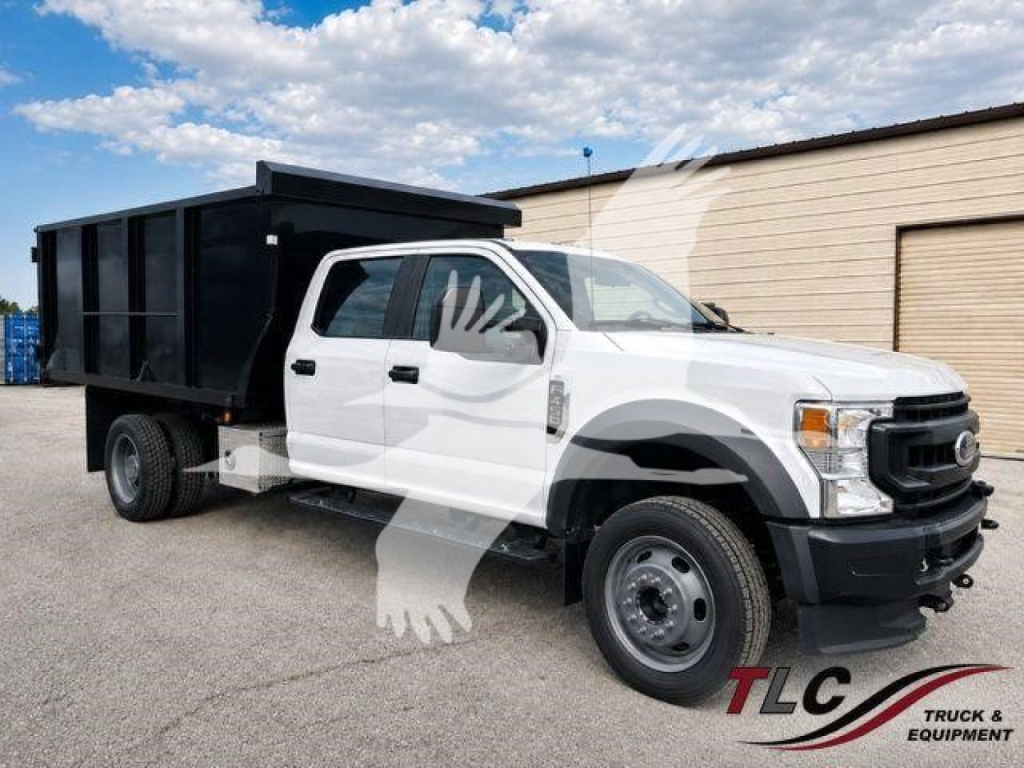
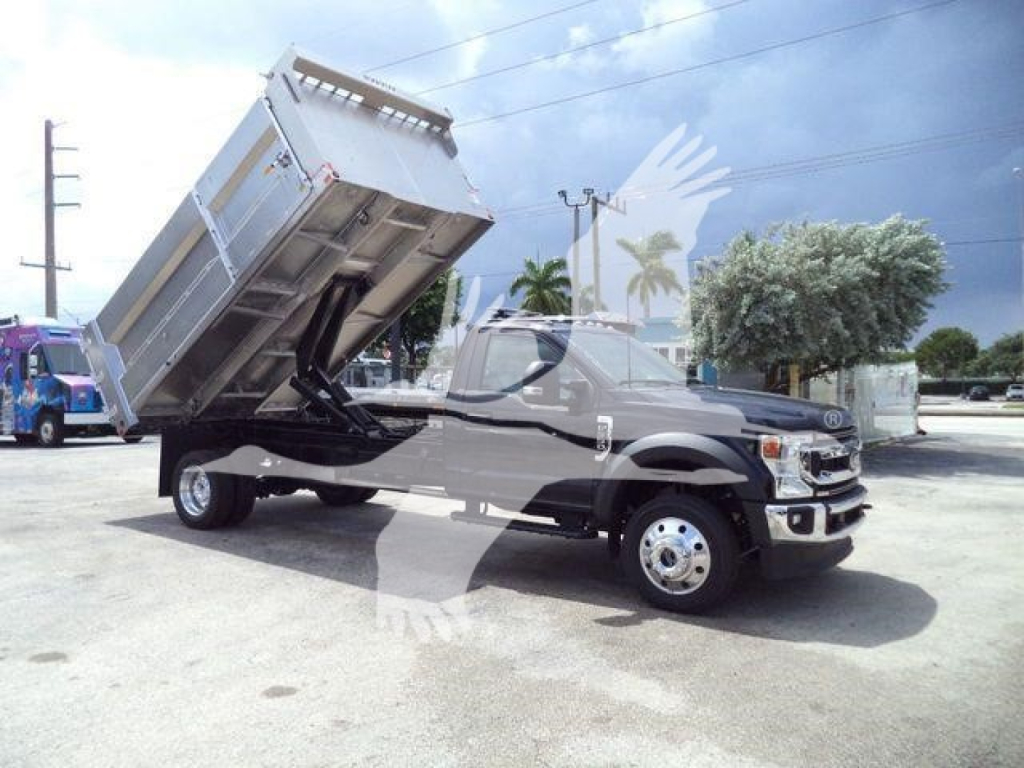
The body configuration matters as much as the chassis. A typical Ford landscape truck will have a 12 to 14 foot dump body, taller side panels for volume, and a rear gate arrangement that makes loading and unloading easier with skid steers, hand crews, or small loaders. Aluminum bodies are popular because they cut empty weight and resist corrosion, which helps when hauling wet debris or operating in regions with road salt. Steel bodies still appeal to buyers who expect more abuse from mixed material loading. On the hoist side, scissor lifts are common for stable dumping, and buyers should pay attention to cylinder capacity, floor thickness, side height, and how the tailgate is hinged and latched.
Ford chassis are popular in landscaping because they are easy to service, widely supported, and available in gas or diesel depending on the model year and application. On newer gas units, the 7.3L V8 has become a strong choice for operators who want simpler emissions management and solid low-speed pulling power for local routes. GVWR, axle rating, and wheelbase should match the body length and payload expectations, especially if the truck will carry dense material part of the time rather than only leaves or brush. Buyers should also look closely at cab style, 4x2 versus 4x4, hitch equipment, trailer plug setup, and brake controller compatibility if the truck will pull compact equipment trailers, mowers, or mini skid steers.
A good Ford landscape truck spec is usually about balance, not maximum size. Too much body volume on too little chassis can leave the truck overloaded quickly, while too heavy a chassis can reduce efficiency on lighter residential routes. For municipal contractors, tree service companies, and landscape crews, the best fit usually comes down to route type, material density, dumping frequency, and how often the truck doubles as a towing unit. High sides, easy-clean floors, reliable hoists, and practical rear access tend to matter more in day-to-day use than cosmetic upgrades. Buyers comparing listings should focus on body manufacturer, hoist design, GVWR, drivetrain, and real working configuration rather than model badge alone.
Frequently Asked Questions about Ford Landscape Trucks
What is a Ford landscape truck used for?
A Ford landscape truck is typically used to haul mulch, leaves, brush, nursery material, grass clippings, and general site debris. Most are set up with a landscape dump body that provides more cubic capacity than a standard dump bed, making them better suited for lighter bulk materials and cleanup work. Many operators also use them for towing small equipment trailers loaded with mowers, mini skid steers, or compact machines.
What Ford models are most common for landscape truck applications?
Ford F-450 and F-550 chassis are among the most common choices for landscape truck bodies because they offer a strong balance of GVWR, wheelbase options, and upfit compatibility. The exact model depends on payload target, body length, and whether the truck needs four-wheel drive or trailer towing capability. In lighter applications, buyers often prefer a configuration that keeps operating costs down while still leaving enough legal payload for daily work.
Is an aluminum or steel landscape body better?
Aluminum bodies are favored when low curb weight and corrosion resistance are priorities. That usually makes sense for landscapers hauling mulch, leaves, and wet organic debris. Steel bodies can be a better fit when the truck sees rougher loading conditions or mixed material use, but the added weight reduces available payload. The right choice depends on what the truck hauls most often and how long the owner plans to keep it.
Should I choose gas or diesel for a Ford landscape truck?
Gas engines are a strong fit for many landscape trucks because they work well in local service, have lower upfront cost, and avoid some of the complexity associated with modern diesel emissions systems. Diesel can still make sense for heavier payloads, frequent towing, or higher annual mileage. The decision usually comes down to route length, idle time, maintenance preference, and how often the truck operates at or near maximum combined weight.
What specs matter most when buying a used Ford landscape truck?
The most important specs are GVWR, body length, side height, hoist type, rear gate design, drivetrain, and towing equipment. Buyers should also verify wheelbase-to-body fit, suspension condition, brake setup, and whether the truck has the right hitch and electrical connections for trailers. On a working landscape truck, the condition of the dump body, floor, hinges, hydraulic system, and tailgate hardware often tells you more about long-term value than the cab appearance alone.