
Ford Commercial Trucks For Sale in Minnesota
Browse Ford trucks for sale in Minnesota, including Super Duty work trucks, dump, utility, bucket, and municipal-ready vocational setups.
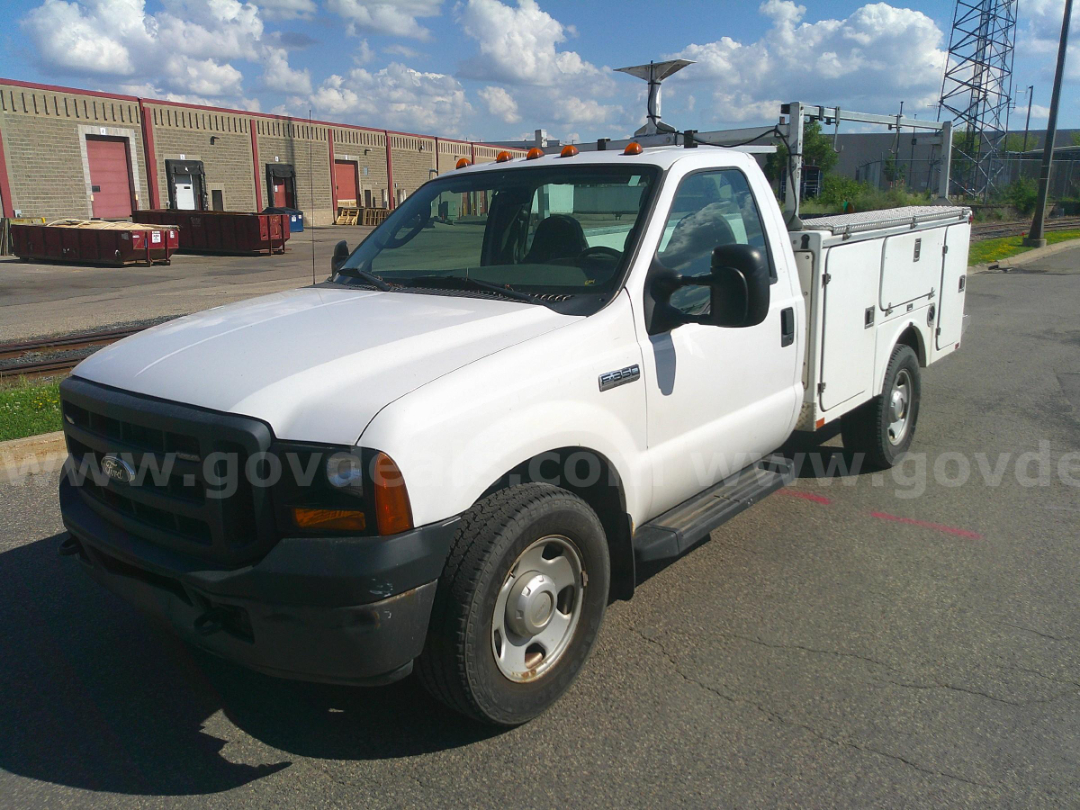
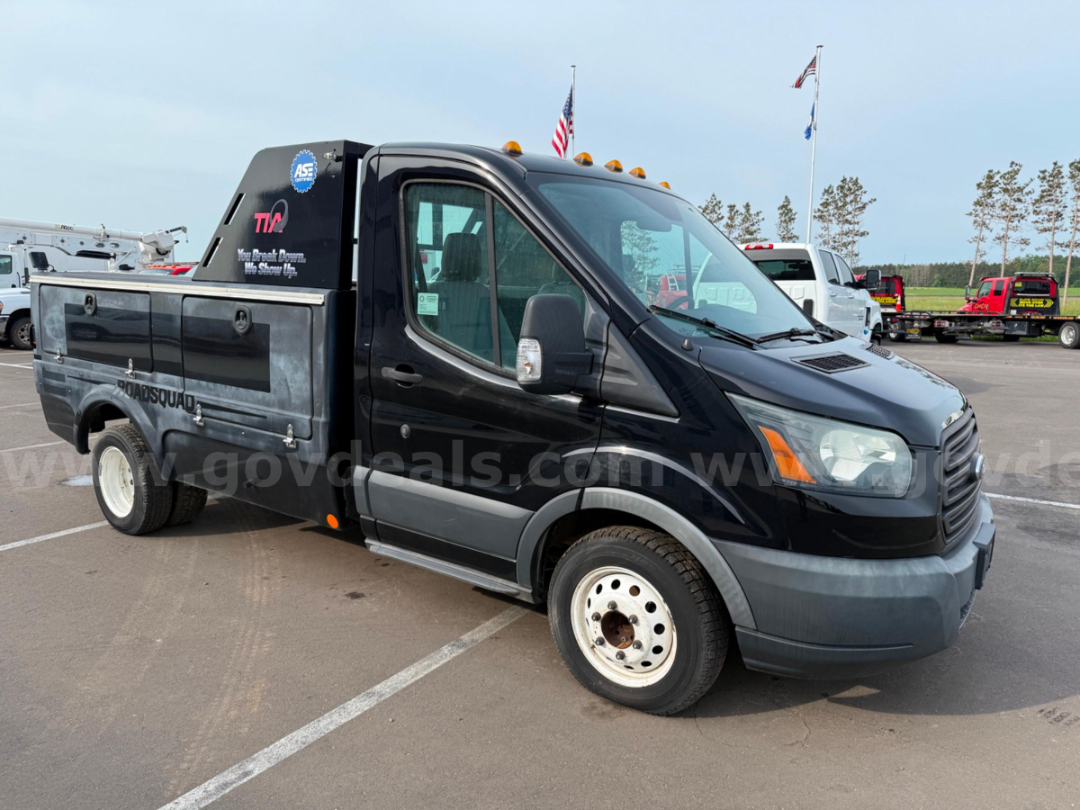


Have ford commercial truck to sell? List it here to reach thousands of buyers.
Ford Commercial Trucks in Minnesota
The first buying decision is usually chassis size and intended payload. An F-350 can make sense for lighter service work, contractor use, and municipal support roles, especially when paired with a service body, Tommy Gate, or small dump body. Moving up to an F-450 or F-550 usually brings more axle capacity, more body options, and a better fit for severe-duty vocational work such as plowing, hauling aggregate, carrying a crane body, or running an aerial device. In Minnesota, 4x4 is especially important on dump trucks, plow trucks, and utility units that operate through winter conditions, while dual rear wheel setups are common when stability and payload matter more than maneuverability.
Powertrain choice matters on used Ford trucks because these units are often application-specific. Gas engines such as the 6.2L V8 and 6.8L V10 are common on municipal and commercial fleet trucks due to straightforward maintenance and solid cold-weather usability. Buyers should match engine and transmission choice to how the truck will actually work. A gas Super Duty used for local routes, snow operations, or stop-and-go service work can be a practical fit, while a heavier chassis with PTO-driven equipment, hydraulics, onboard air, or crane gear should be evaluated closely for idle hours, charging system health, and upfit integration. On service and utility bodies, pay attention to compartment condition, drawer systems, inverter setups, compressor installations, and liftgate or crane ratings. On dump units, inspect hoist operation, floor and sidewall condition, hinge wear, and whether the body is conventional rear dump or a more specialized side-dump style.
Minnesota buyers should also look hard at corrosion, underbody condition, and cold-weather equipment history. Snow plows, spreaders, hydraulic systems, and bucket units can be productive assets, but they also see hard seasonal use. Frame rust, brake and fuel line condition, front axle wear, spring pack condition, and electrical integrity all deserve a close inspection, especially on former municipal trucks. Service records, engine hours, PTO hours, and evidence of regular fleet maintenance can tell you more than odometer mileage alone. When the truck already has the right body and vocational equipment installed, a used Ford work truck can be a cost-effective way to add capability without the lead time and expense of a new upfit.
Frequently Asked Questions about Ford Commercial Trucks in Minnesota
What Ford truck models are most common in vocational work applications?
The most common Ford vocational trucks are the F-350, F-450, and F-550 Super Duty models. The F-350 is often used for lighter dump, service body, and contractor applications, while the F-450 and F-550 are more common when buyers need higher GVWR, stronger front axle capacity, dual rear wheels, or support for cranes, bucket bodies, and heavier hydraulic equipment.
Are gas-powered Ford work trucks a good choice in Minnesota?
Gas-powered Ford work trucks can be a strong fit in Minnesota, especially for municipal fleets, local contractors, and service operations that deal with cold starts, short trips, and a lot of idle time. Engines like the 6.2L V8 and 6.8L V10 are widely used in plow, dump, and utility applications because they are familiar to many maintenance shops and often work well in stop-and-go duty cycles.
What should I inspect on a used Ford dump or plow truck?
Focus on front-end wear, 4x4 operation, hydraulic function, frame condition, rust, and the condition of the dump body or plow gear. Check the hoist, cutting edge, spreader controls, pump operation, electrical wiring, and signs of hard winter service. On plow-equipped trucks, the added stress on suspension, steering, and front axle components is especially important to review.
What matters most on a Ford service or utility truck?
Body layout and equipment package usually matter as much as the chassis itself. Buyers should inspect compartment integrity, latch condition, shelving and drawer systems, inverter or compressor installations, crane operation if equipped, and liftgate condition if present. A well-configured service body can save significant upfit cost if it already matches the trade, technician, or fleet application.
Is mileage or engine hours more important on a used fleet Ford truck?
Both matter, but engine hours can be just as important as mileage on former municipal or service trucks. A truck that spent years idling to run lights, hydraulics, air compressors, or jobsite equipment may show moderate mileage but still have substantial engine wear. Maintenance records, hour meter readings, and signs of regular fleet service often provide a clearer picture of overall condition than mileage alone.