
Ford Trucks For Sale in Alabama
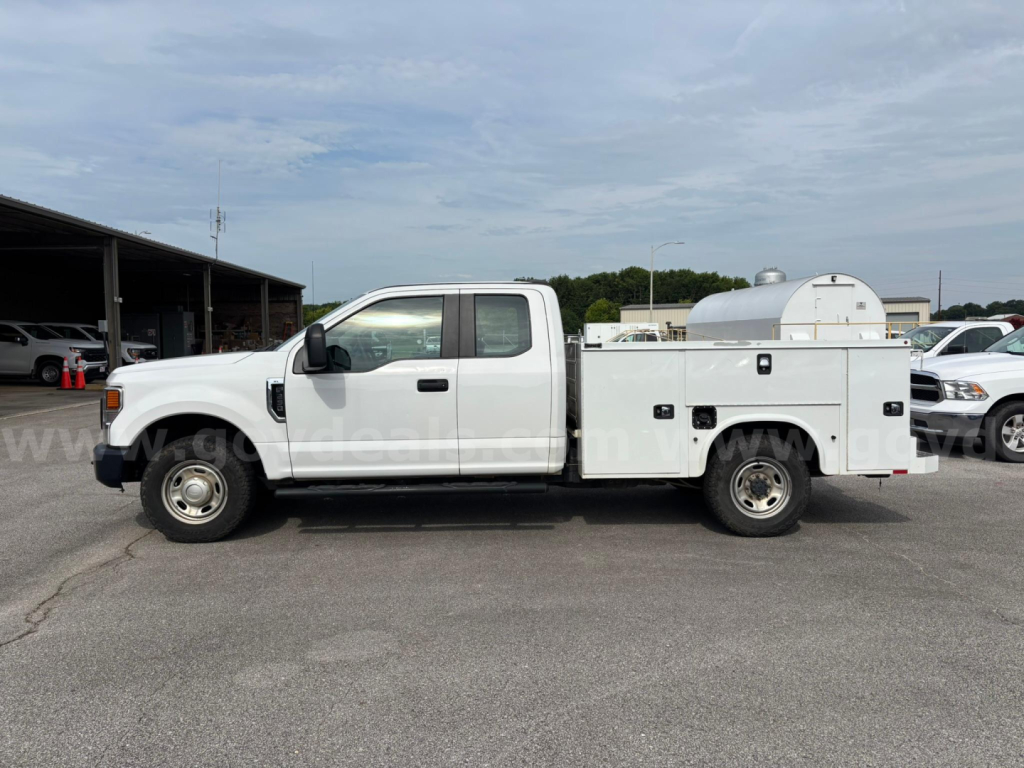
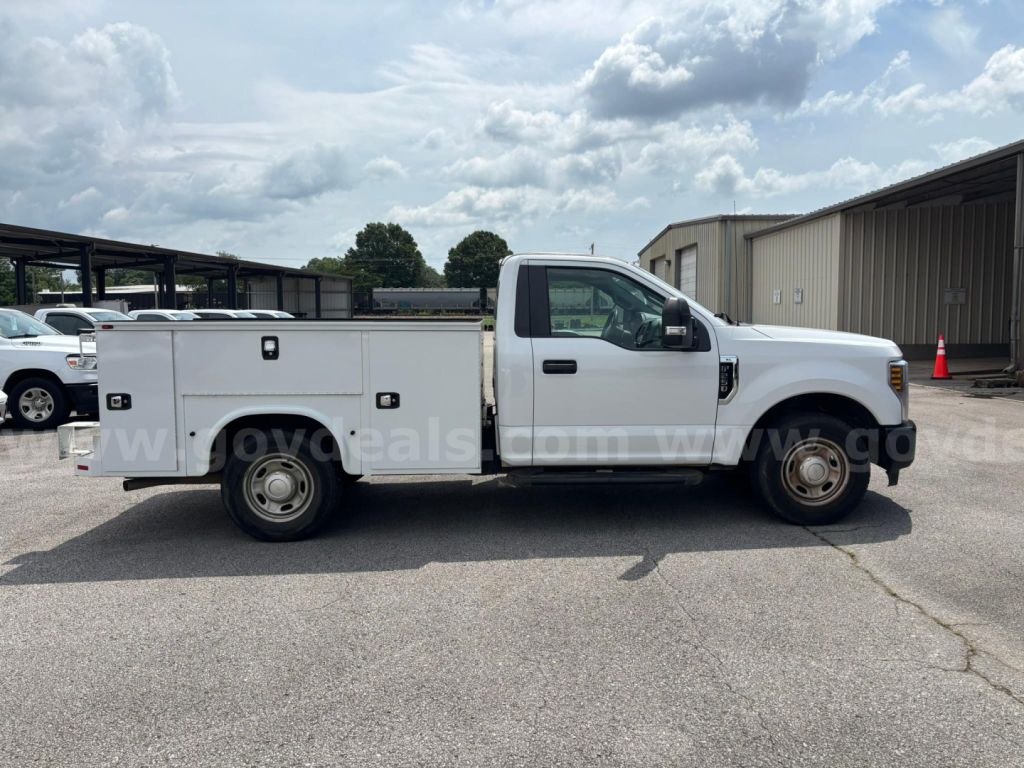
Browse Ford trucks for sale in Alabama, including work trucks, box trucks, service bodies, and heavy-duty pickups built for commercial use.
Learn more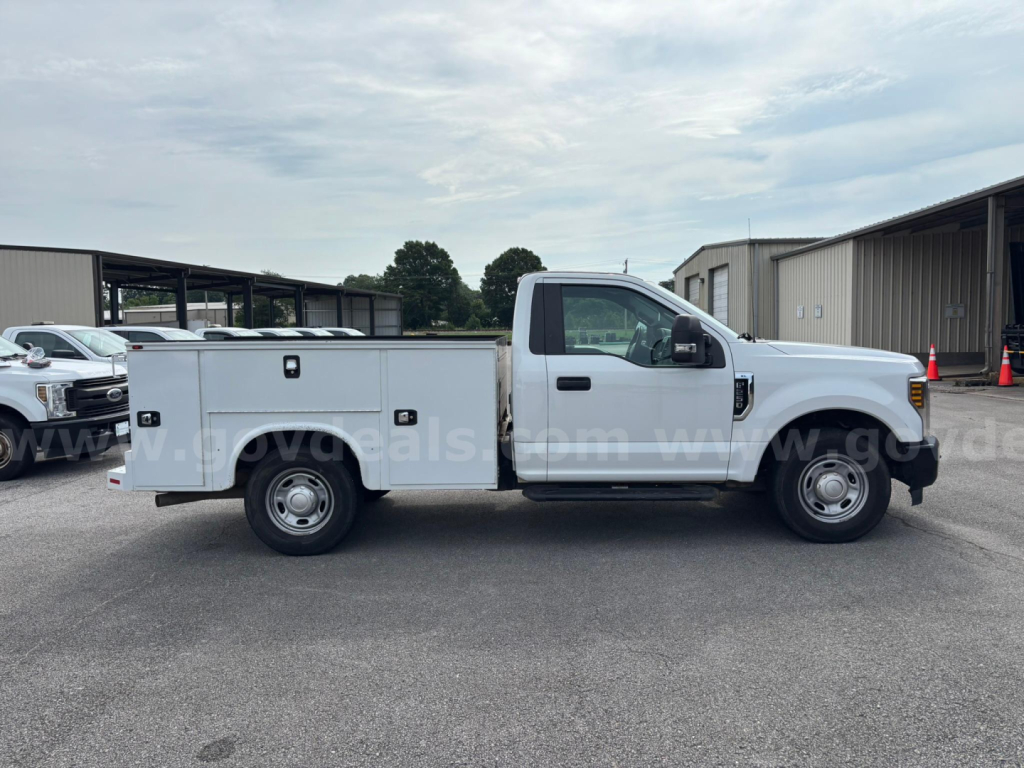

Have ford truck to sell? List it here to reach thousands of buyers.
About Ford Trucks in Alabama
For buyers comparing used Ford work trucks, powertrain and body configuration matter first. Gas engines are common in Ford commercial trucks, especially the 6.8L V10 on older E-Series units and the gas V8 lineup on Super Duty pickups, while diesel options may appear in heavier-duty applications where torque and towing are a priority. Crew cab, regular cab, and extended cab layouts each change usable payload and wheelbase, which affects maneuverability on job sites and city routes. On service and utility trucks, inspect compartment design, PTO compatibility if applicable, suspension condition, and whether the body was built for electricians, plumbers, telecom crews, or general contractors. On box trucks, confirm box length, interior height, liftgate presence, floor condition, and roll-up door operation.
Alabama buyers often balance highway travel, local delivery, and vocational use in heat and humidity, so cooling system condition, air conditioning performance, tire age, and cab seals deserve close attention. Corrosion is usually less severe than in northern states, but utility bodies, cutaway frames, and underbody mounting points still need inspection for rust, repairs, and signs of overloading. If the truck has been fleet-maintained or used by a municipality, service records can be a major advantage. Many Ford commercial units on the market have seen specialized use, so it pays to verify GVWR, rear axle ratio, 2WD versus 4WD, trailer brake setup, and any existing electrical or shelving modifications before putting the truck into a new duty cycle.
Ford remains a strong fit for buyers who want broad parts support, familiar serviceability, and a large range of chassis and upfit options. Super Duty models are easy to find with contractor-friendly specs such as long beds, trailer towing packages, and 4WD. E-Series and cutaway Ford trucks continue to be relevant because they accept a wide range of box, utility, and specialty bodies. A careful buyer should compare not just mileage and model year, but also upfit quality, maintenance history, frame condition, and whether the truck's actual configuration matches the work it needs to do every day.
Frequently Asked Questions
What Ford truck models are most common in commercial use?
The most common Ford commercial trucks include F-250, F-350, F-450, and other Super Duty pickups for service, towing, and jobsite work, along with E-Series or Econoline cutaway chassis for box trucks and other vocational bodies. The model that fits best depends on required payload, towing capacity, body type, and whether the truck will be used as a pickup, service truck, or delivery unit.
Is a Ford pickup or a Ford cutaway box truck better for business use?
A Ford pickup is usually the better choice for crews that need flexibility, trailer towing, off-road access, or open-bed utility. A Ford cutaway box truck is better for enclosed cargo, route delivery, tools that need weather protection, or mobile workspaces. The decision comes down to cargo security, loading method, total payload, and whether the business needs a chassis that can support a specialized body.
What should I inspect on a used Ford service or utility truck?
Focus on the service body as much as the cab and chassis. Check compartment doors, latch function, shelving mounts, rust around body supports, wiring for lights and inverters, suspension wear, brake condition, and signs of frame stress from heavy loads. Also confirm that the truck's GVWR, axle ratings, and wheelbase are appropriate for the body and the tools or materials it will carry.
Are gas or diesel Ford work trucks better for commercial fleets?
Gas Ford work trucks often make sense for lighter-duty operation, lower upfront cost, and fleets that run shorter routes or mixed-use service work. Diesel trucks can be a better fit for heavier towing, higher torque demands, and some long-run applications, but they add complexity and maintenance cost. The best choice depends on average load, trip length, idle time, and total operating cost rather than fuel type alone.
Why do maintenance records matter so much on used Ford commercial trucks?
Maintenance records help confirm how the truck was used and whether major wear items were addressed on schedule. On commercial Ford trucks, documented service can reveal cooling system work, transmission maintenance, brake replacement, front-end repairs, tire history, and upfit-related electrical service. That information gives a much clearer picture of remaining life than mileage alone.